
How I Use Photoshop's Generative Fill to Rescue Wrinkled and Blown-Out Studio Backgrounds

How I Use Photoshop's Generative Fill to Rescue Wrinkled and Blown-Out Studio Backgrounds

Every studio photographer I know has a folder of otherwise great shots that got killed by the background. A wrinkled sweep, a muslin with a crease right behind the subject’s shoulder, a seamless paper that got scuffed during a wardrobe change. I’ve had entire selects from editorial jobs where I spent more time cloning background imperfections than I did on the actual retouching. It’s one of those invisible taxes on studio work that nobody talks about when they’re showing off their beautiful setups on Instagram.

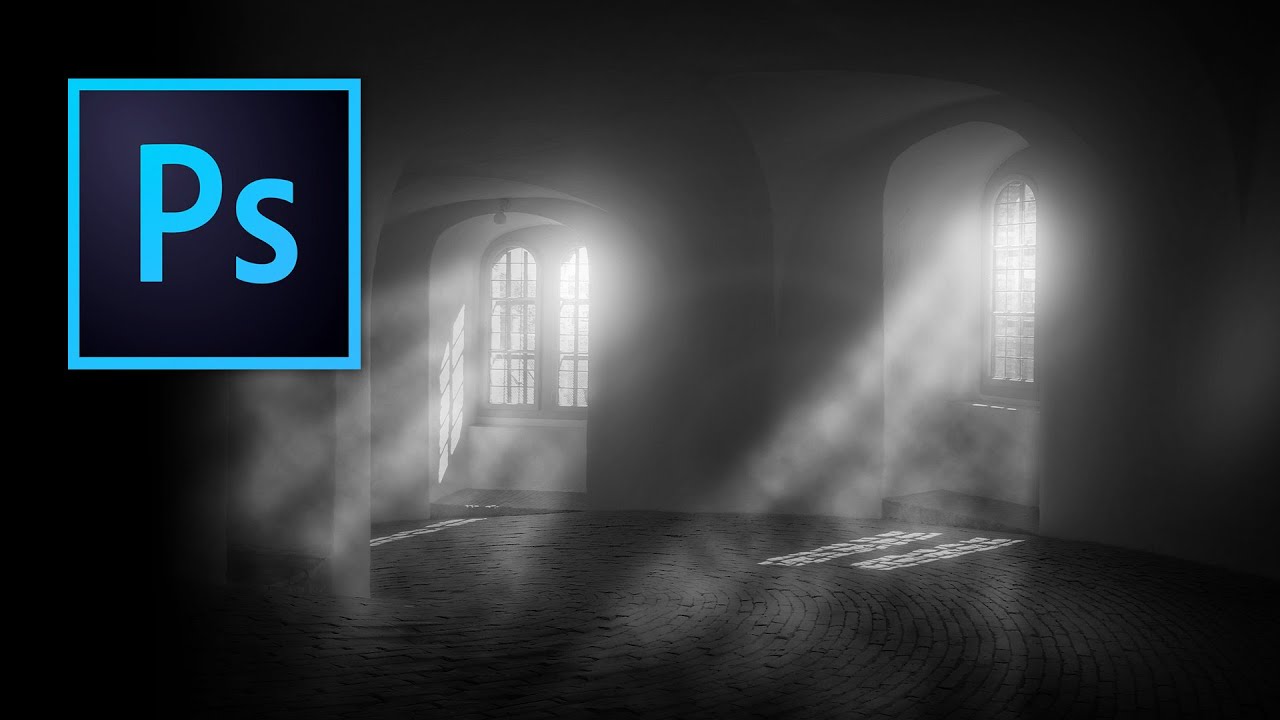
Fixing Bad Studio Lighting After the Shoot: A Photoshop Workflow That Actually Works

Fixing Bad Studio Lighting After the Shoot: A Photoshop Workflow That Actually Works

Every working studio photographer has a folder somewhere they’d rather forget. Mine has a fashion editorial from my third year shooting commercially where I mixed daylight-balanced strobes with tungsten practicals and didn’t catch it until I was culling at home. The images were technically salvageable, but they cost me hours in post and a fair amount of pride. That experience is exactly why I now pay close attention to any tutorial that promises to fix lighting problems after the fact.

Painting With Light in Photoshop: A Studio Photographer's Take on Dramatic Lighting

Painting With Light in Photoshop: A Studio Photographer's Take on Dramatic Lighting

Most of my lighting problems get solved before I ever open Photoshop. I label every head in my studio with masking tape, I keep a lighting journal of every setup I’ve ever shot, and I’ve designed my own diagram app because the ones available never matched how I actually think on set. But even with all that prep, there are times when a client image needs something the strobes couldn’t give it on the day.