How to Nail Outdoor Corporate Portraits: Lens Choice, Aperture, and Light That Actually Works

How to Nail Outdoor Corporate Portraits: Lens Choice, Aperture, and Light That Actually Works

Corporate portrait work has quietly become one of the more technically demanding things I do on a regular basis. Clients want that outdoor, organic feel - the kind of background that melts into soft color behind a sharp, confident face. Sounds simple until you’re standing in a courtyard with 30 feet of usable space, a sun that’s about to crest the wrong roofline, and someone’s CEO in a blazer waiting for you to look like you know exactly what you’re doing.
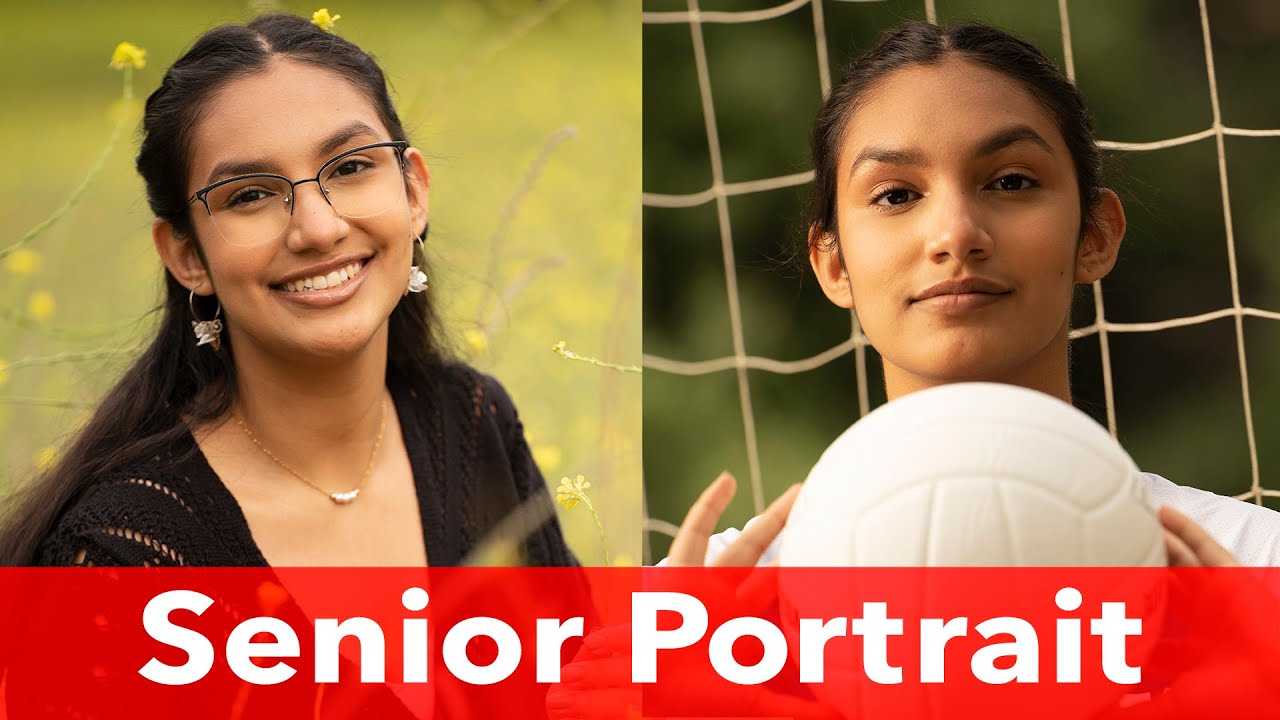
Lens Choice, ND Filters, and Strobe Balance for Outdoor Senior Portraits

Lens Choice, ND Filters, and Strobe Balance for Outdoor Senior Portraits

Every outdoor portrait session I’ve ever botched came down to the same problem: I was fighting the ambient light instead of controlling it. You either blow out the background chasing exposure, or you wrestle with high-speed sync and lose half your strobe power in the process. It’s a solvable problem, but the solution requires making a few deliberate decisions before you ever fire a frame. That’s exactly what Jay P. Morgan walks through in this tutorial from The Slanted Lens, covering lens choice, camera settings, and strobe balance for a full senior portrait session shot entirely outdoors.

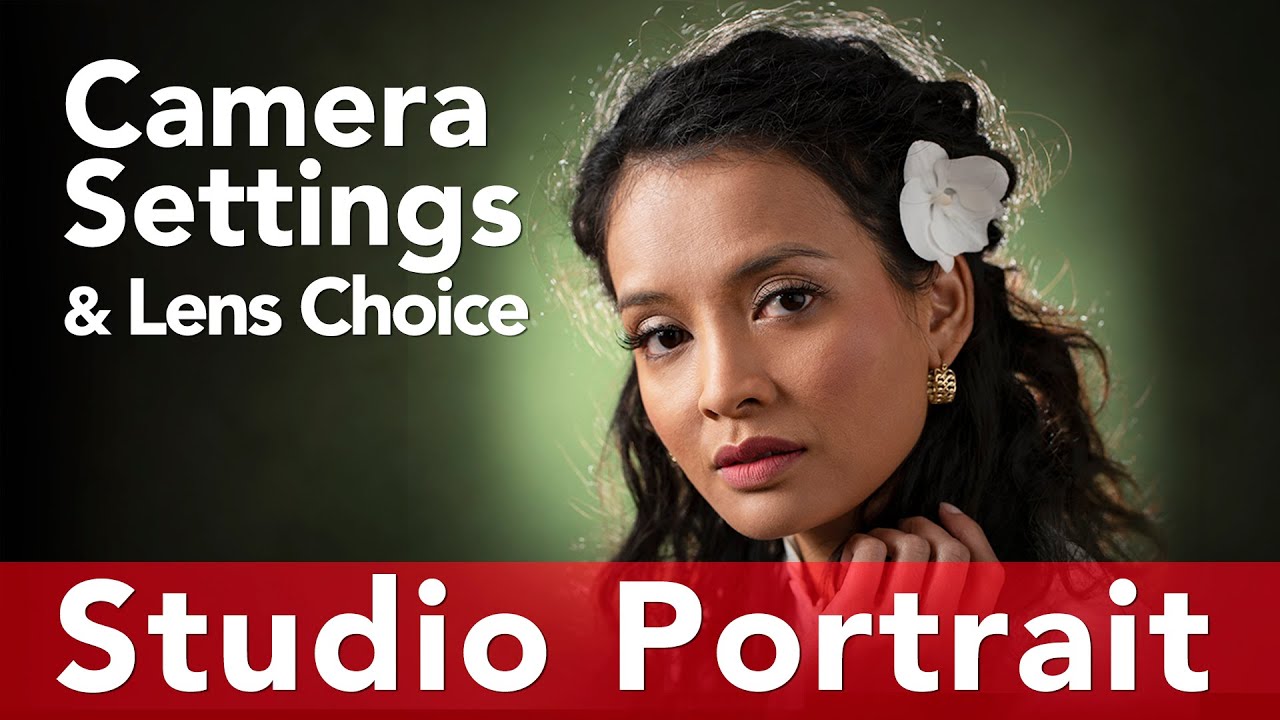
85mm, Controlled Light, and a Repeatable Process: My Breakdown of a Solid Studio Portrait Tutorial

85mm, Controlled Light, and a Repeatable Process: My Breakdown of a Solid Studio Portrait Tutorial

There’s a question I get from assistants and younger photographers on set more than almost any other: “What settings are you shooting at?” It sounds simple, but behind it is a real anxiety about the technical side of studio work. The honest answer is that the settings matter less than the decisions that lead to them, and those decisions start with your lens, not your camera. When I came across this The Slanted Lens tutorial from Jay P.

How to Balance Strobe Lights Against an Evening Sky (A Real-World Breakdown)

How to Balance Strobe Lights Against an Evening Sky (A Real-World Breakdown)

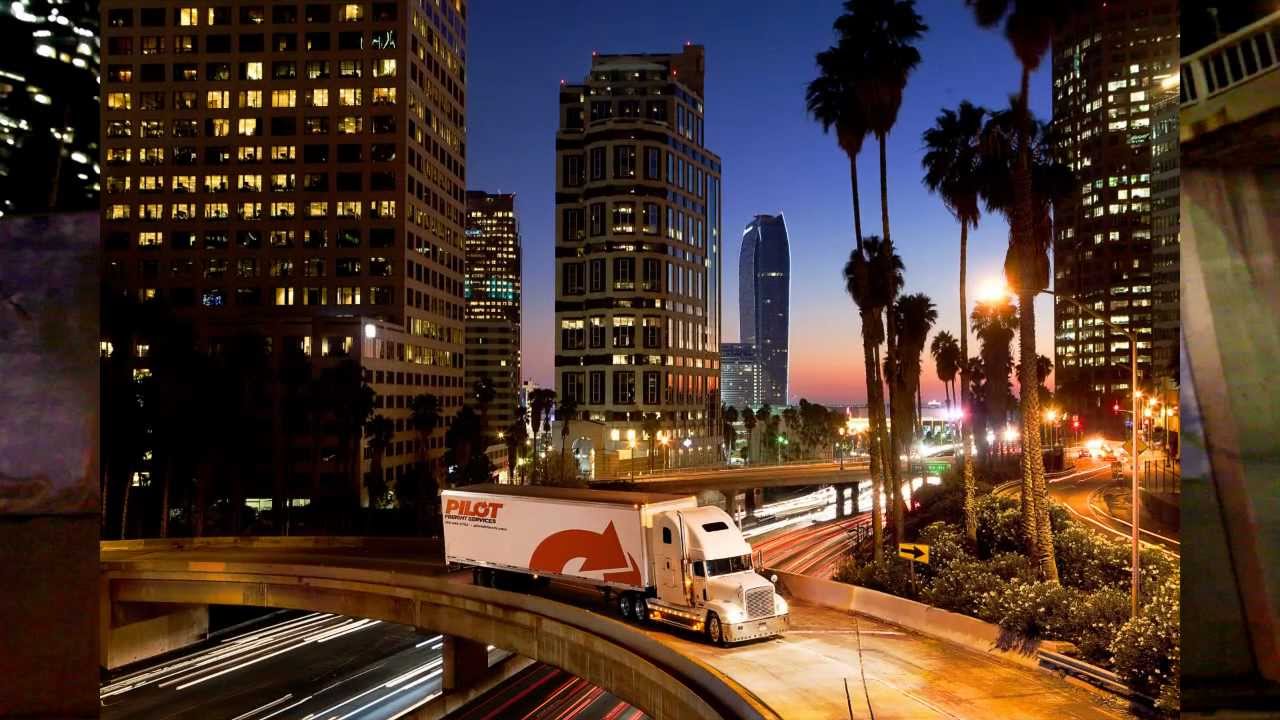
There is a narrow window at dusk, maybe twenty minutes on a good night, where the ambient light from a city and the last color in the sky exist at roughly the same exposure level. If you have a subject to light in that window, you can create something that looks genuinely cinematic. Miss it by fifteen minutes in either direction and you’re either fighting the sun or shooting in the dark.

Focal Length, Aperture, and Outdoor Light: What Actually Works for a 7-Person Family Portrait

Focal Length, Aperture, and Outdoor Light: What Actually Works for a 7-Person Family Portrait

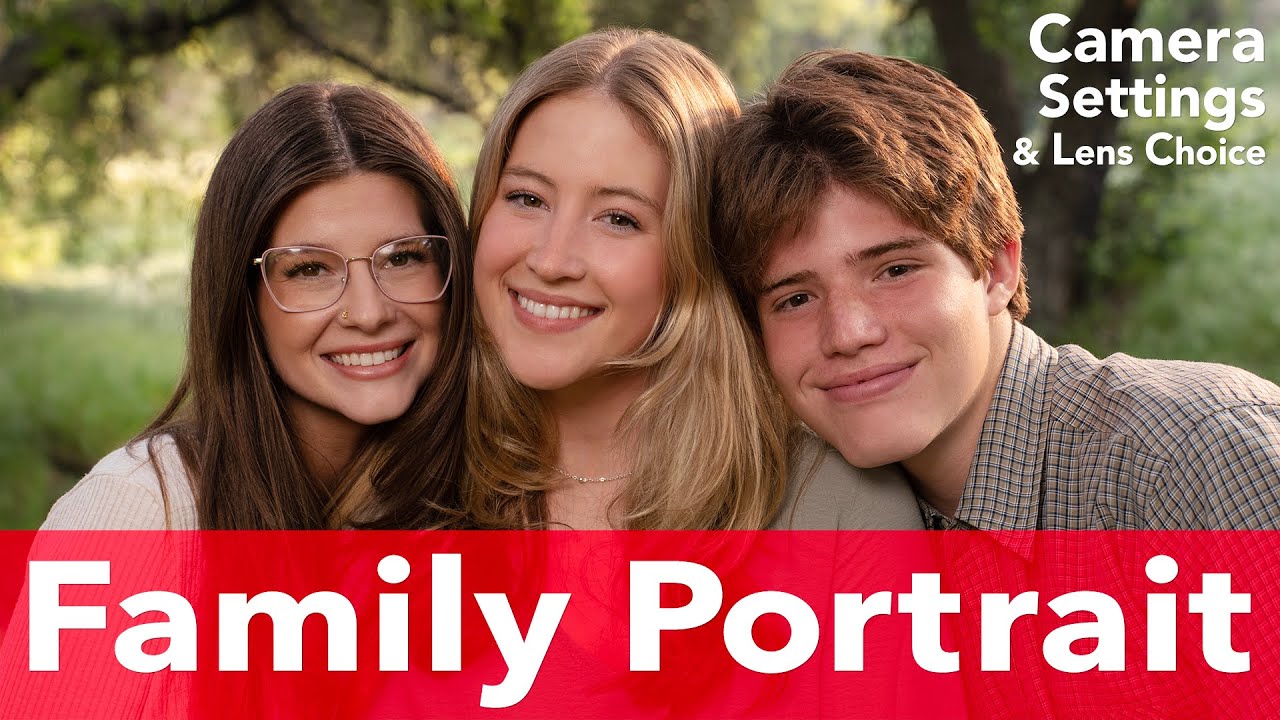
Large group portraits outdoors have a way of exposing every weak decision you’ve made before the shutter fires. Wrong focal length and you’re fighting distortion or a background that swallows your subjects. Wrong aperture and someone in the back row goes soft on a print that’s supposed to hang above a fireplace for twenty years. I’ve shot enough editorial work in controlled studio environments that when a client asks for an outdoor family session, I treat it like any other lighting problem: identify the variables, set the constraints, then solve methodically.

How to Shoot a Live Event: Lighting, Gear, and the Etiquette Nobody Teaches You

How to Shoot a Live Event: Lighting, Gear, and the Etiquette Nobody Teaches You

Event work terrifies most studio photographers, and I’ll admit it used to rattle me too. In the studio, I control everything. Every light is labeled with masking tape, diagrammed in my phone app, and tested before the client walks in. At a live event, none of that applies. The room is what it is, the crowd moves when it wants to, and the window to get the shot is usually about three seconds wide.

How to Shoot In-Camera Double Exposures: A Step-by-Step Studio Guide

How to Shoot In-Camera Double Exposures: A Step-by-Step Studio Guide

Clients started asking me for double exposure portraits about three years ago. Fashion editorial, beauty campaigns, album covers - the technique was everywhere, and every art director had a reference image they’d pulled from Pinterest. My instinct was to handle it in post, the way most photographers do. Composite two frames in Photoshop, blend the layers, call it done. But the results always looked slightly assembled, like two photographs politely sharing the same space rather than actually belonging together.

Lens Choice, Camera Settings, and Lighting for Toddler Studio Portraits: A Working Photographer's Breakdown

Lens Choice, Camera Settings, and Lighting for Toddler Studio Portraits: A Working Photographer's Breakdown

Toddlers will expose every weakness in your technical setup. They don’t hold poses, they don’t follow directions, and the moment you’re chimping your LCD to check exposure, they’ve moved three feet to the left. I’ve watched grown adults with years of professional experience freeze up on set the moment a two-year-old enters the picture. The problem is almost never the lighting. It’s that photographers haven’t locked in their settings before the session starts, so they spend the entire shoot chasing their tail instead of chasing the kid.

Flash Photography: The Recipe for Consistent Studio Lighting

Flash Photography: The Recipe for Consistent Studio Lighting

Flash Photography: The Recipe for Consistent Studio Lighting I’ve watched too many photographers treat flash like an afterthought—a last resort when natural light fails. That’s backwards. Flash is the most controllable light source available, and when you understand it properly, you’ll produce more consistent results than you ever will chasing window light. Understanding Flash Fundamentals Flash photography works like a precise recipe: get one ingredient wrong, and the entire dish suffers.