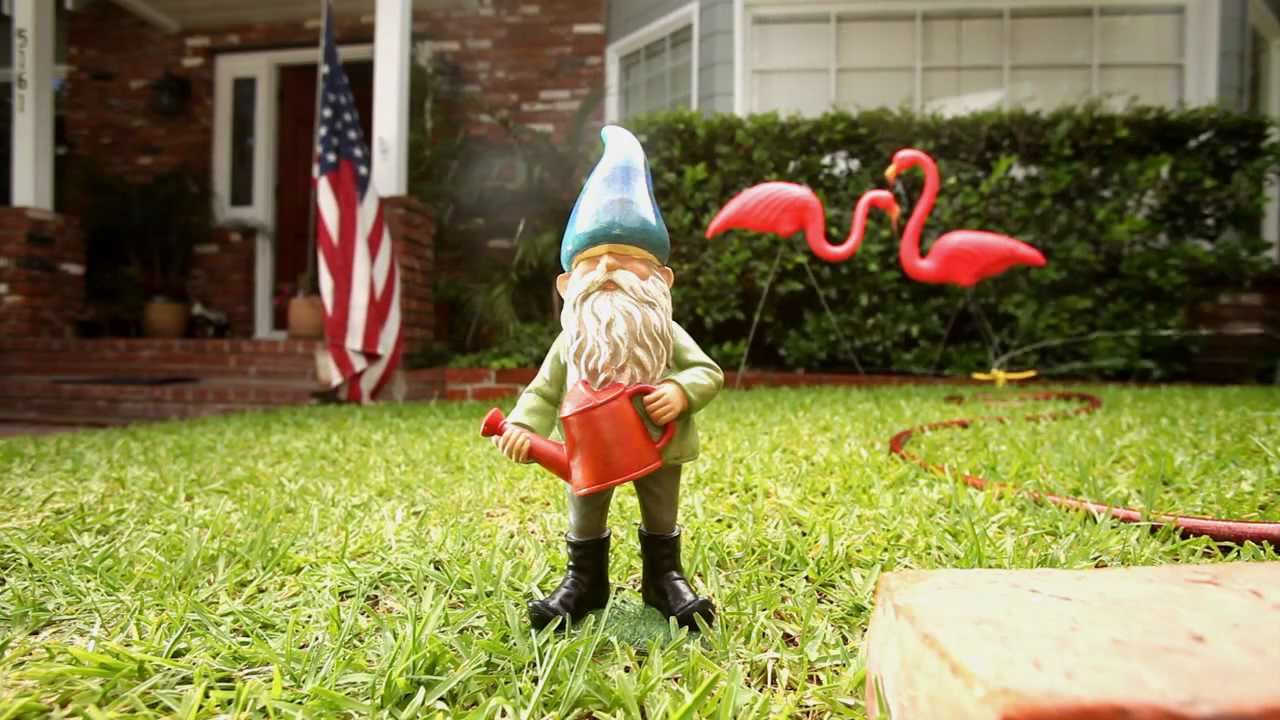
How to Light a Time-Lapse Scene That Actually Tells a Story

How to Light a Time-Lapse Scene That Actually Tells a Story

Time-lapse photography sits in an unusual corner of my practice. I shoot primarily commercial and editorial work, and for years I treated time-lapse as a novelty - something interesting to watch but hard to justify billing a client for. What changed my thinking was seeing someone treat it not as a technical stunt but as a narrative tool, a way to move through a scene with intention rather than just compressing time.
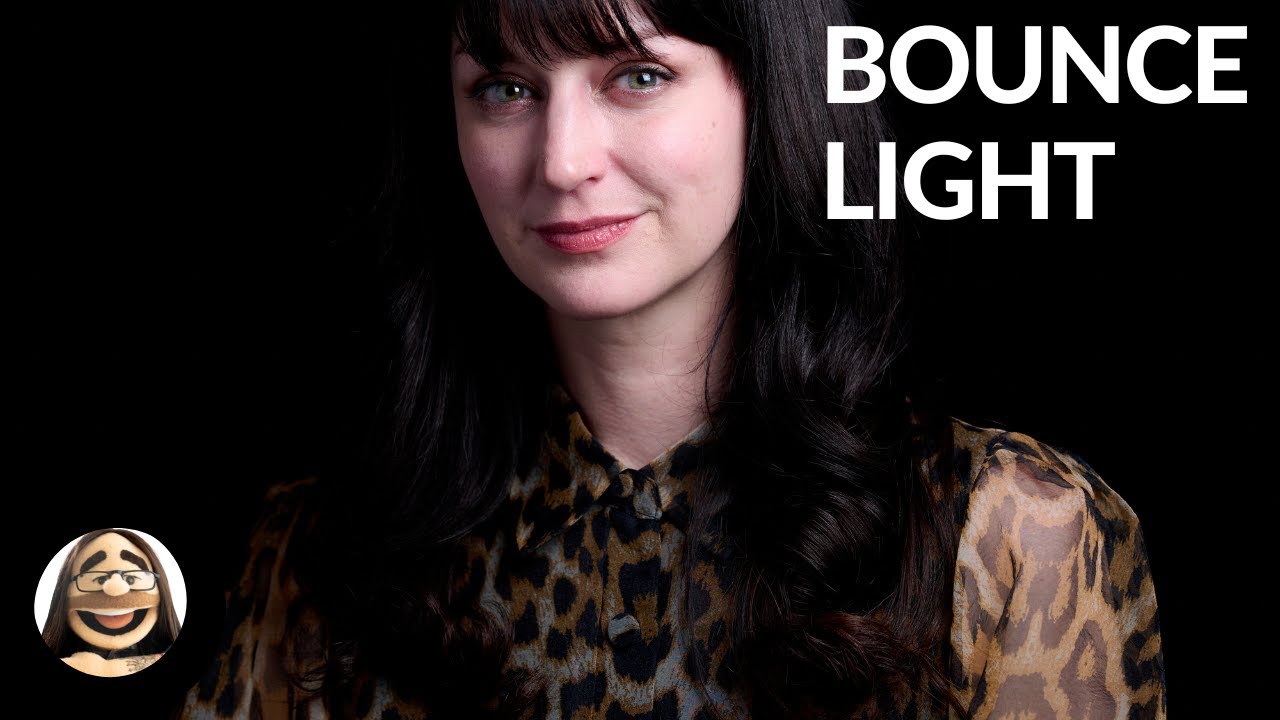
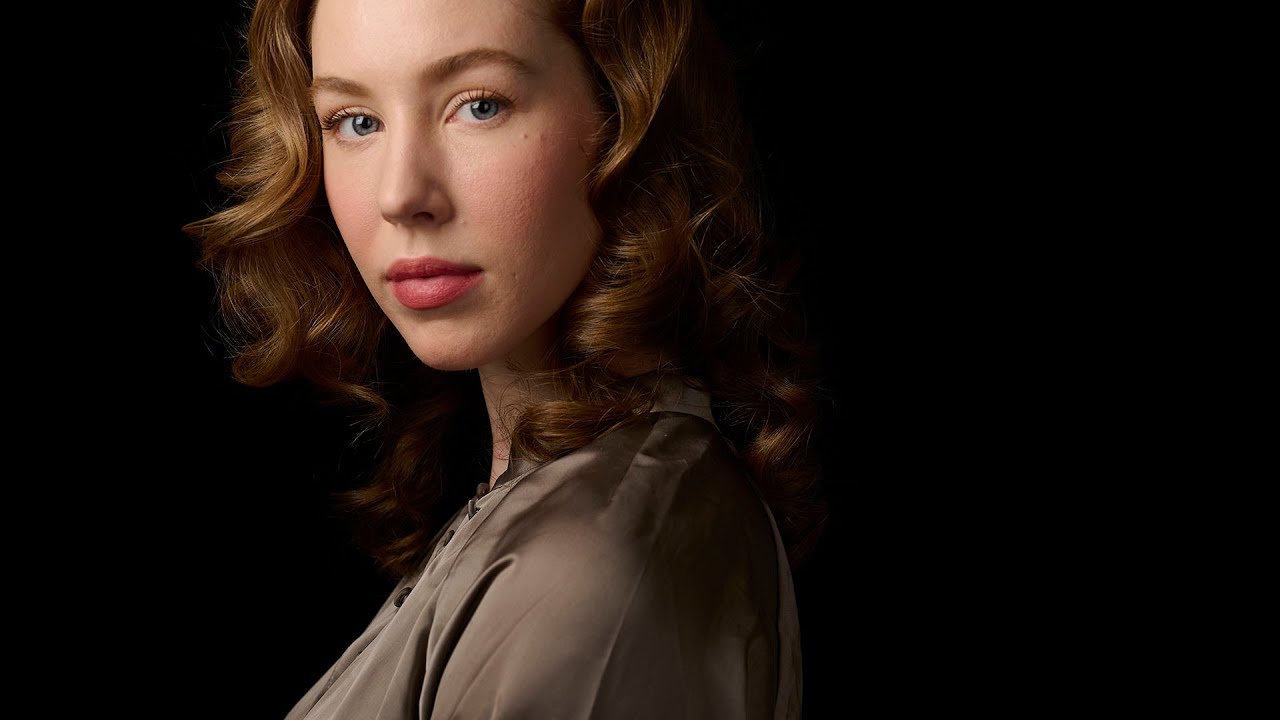
How to Actually Use a Reflector: The Angle, the Distance, and Why Most People Get It Wrong

How to Actually Use a Reflector: The Angle, the Distance, and Why Most People Get It Wrong

I keep a lighting journal. Every setup I shoot gets a quick sketch with notes on distances, ratios, and what I’d change next time. Flipping back through those pages, I can trace exactly when certain concepts clicked for me. Reflector placement is one that took longer than it should have. I spent years treating a reflector like a prop you hold near the subject and hope for the best. The results were inconsistent, and I couldn’t explain why.

How to Set Lighting Ratios Without Guessing: A Working Photographer's Breakdown

How to Set Lighting Ratios Without Guessing: A Working Photographer's Breakdown

Every working studio photographer gets asked the same question eventually: “What’s your ratio?” I used to fumble through an answer because, honestly, I learned ratios the way most of us do, backwards and through trial and error. I keep a lighting journal where I sketch every setup from every shoot, and flipping back through those early pages, I can see exactly when I started thinking in ratios rather than just vibes.

Clamshell Lighting Done Right: What Most Photographers Get Wrong About the Fill

Clamshell Lighting Done Right: What Most Photographers Get Wrong About the Fill

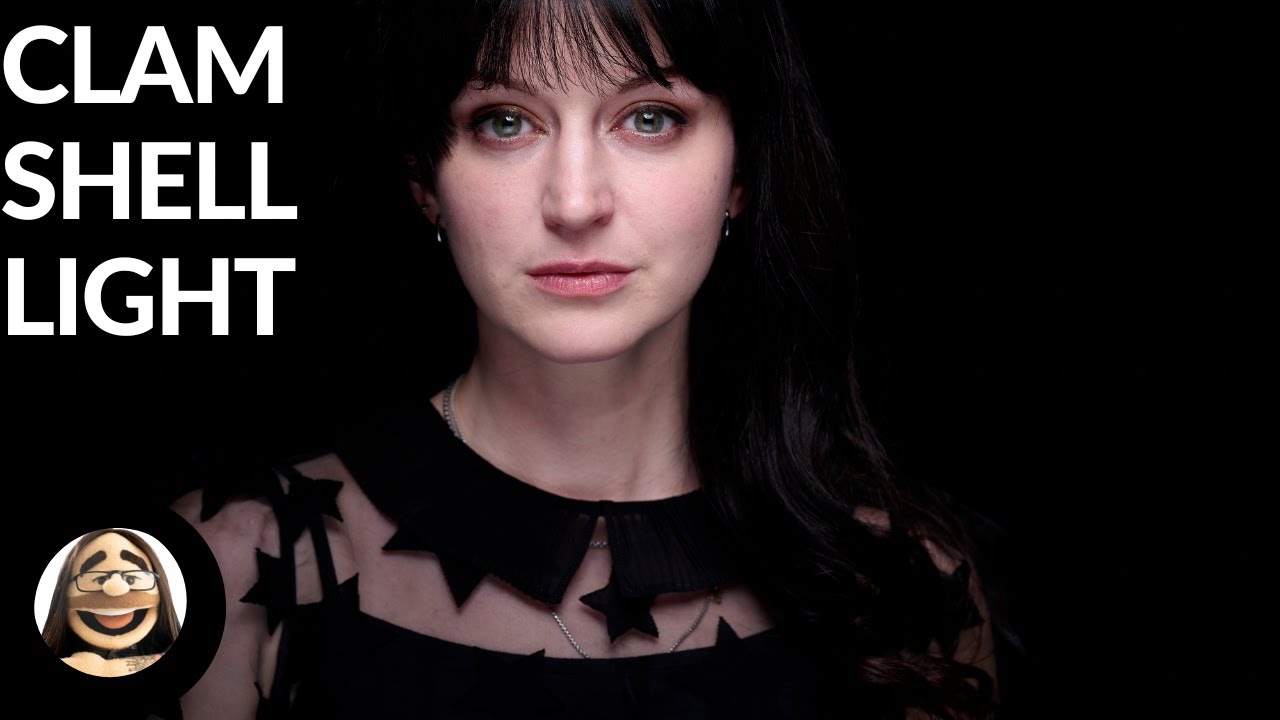
Beauty work is where lighting technique either earns its keep or exposes you. I shoot beauty regularly for brand clients, and the question I get most from photographers watching me set up is some version of: “Why do you have that second light so far out?” That’s the clamshell question, and most people who ask it have been doing the setup slightly wrong. In this Daniel Norton Photographer tutorial on clamshell lighting, Norton walks through the technique with a directness I appreciate.

On-Axis Fill: The One Placement Rule That Eliminates Crossed Shadows for Good

On-Axis Fill: The One Placement Rule That Eliminates Crossed Shadows for Good

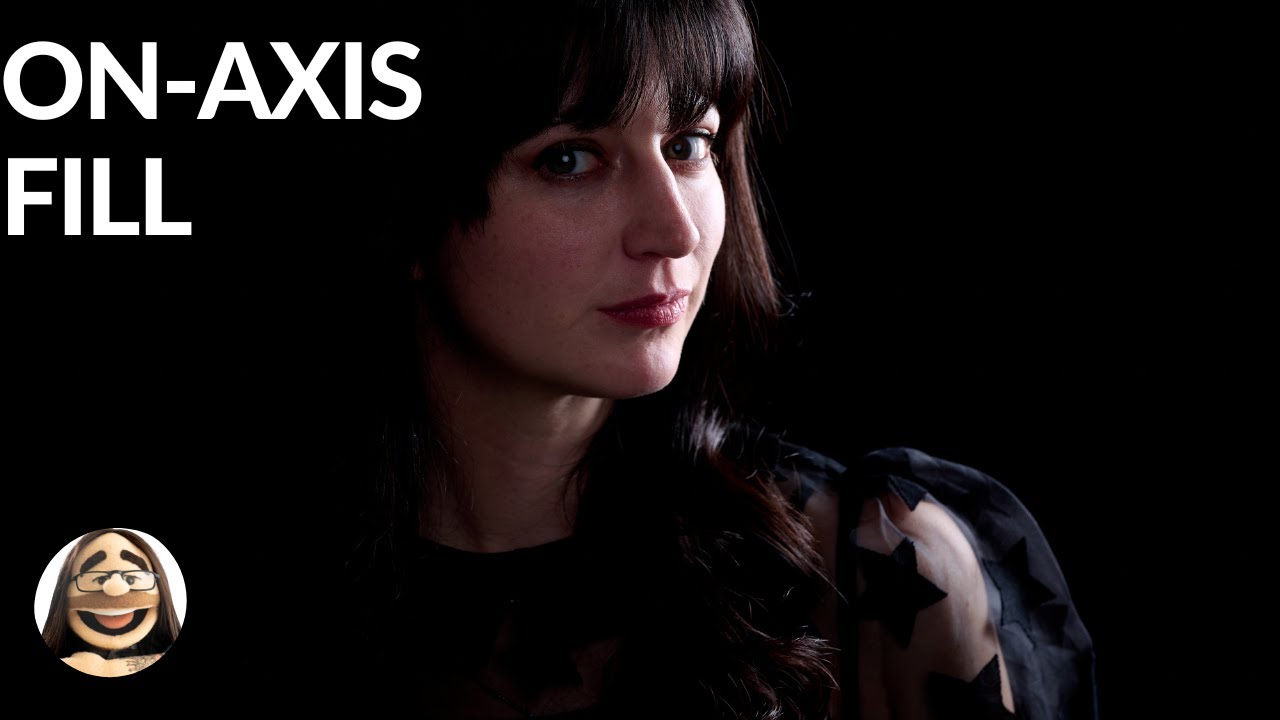
Every time I walk into a studio rental and see a photographer’s fill light parked directly opposite the key light, I know exactly what their images look like before I even glance at the camera. Two competing shadow directions. A muddy, restless quality across the face that no amount of retouching fully fixes. I’ve been there. Early in my career I set up fill lights wherever they happened to be convenient, and I spent hours in post wondering why the skin tones felt so complicated.

How Karl Taylor Actually Lit That Shot (And Why Lighting Ratios Are the Wrong Question)

How Karl Taylor Actually Lit That Shot (And Why Lighting Ratios Are the Wrong Question)

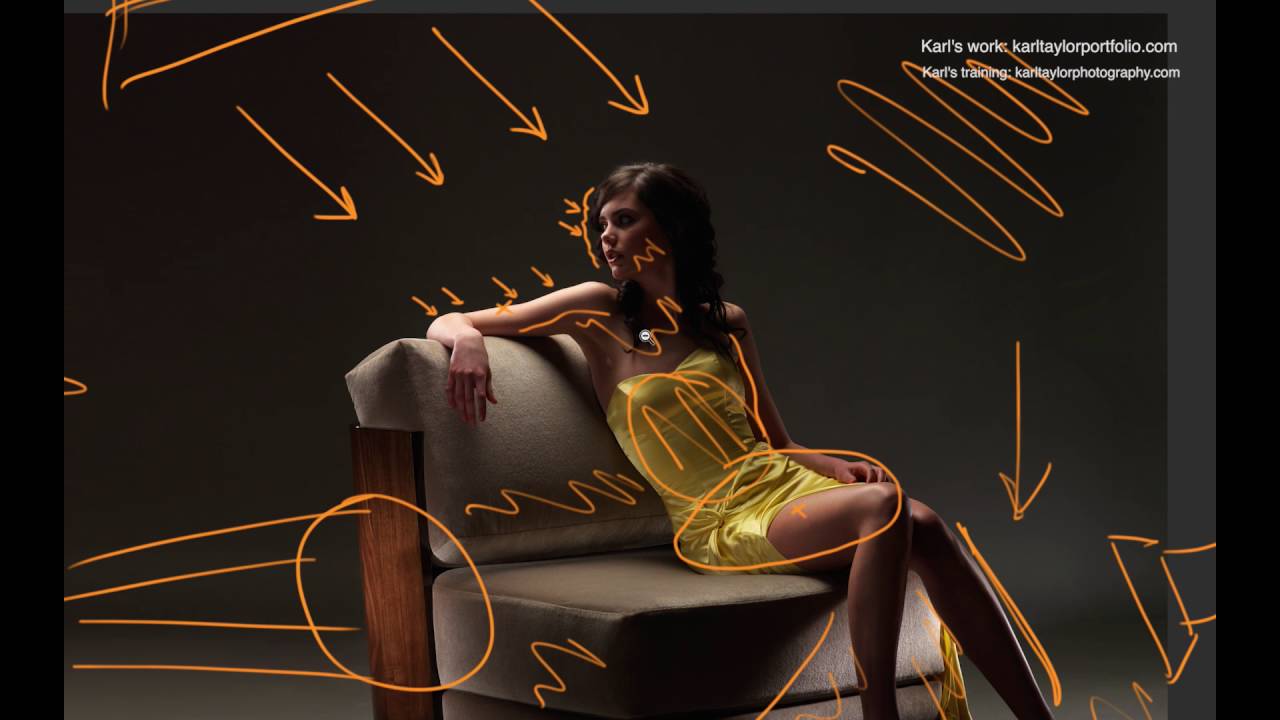
Every time I finish a commercial shoot and review the selects, I flip back through my lighting journal and check what I sketched before the first frame fired. More often than not, the setup that worked was not the setup I planned. It was the one I adjusted after reading the shadows. That habit, paying close attention to what the dark areas are doing rather than obsessing over the bright ones, is something I picked up slowly over years of editorial work.

Reading Light: How to Identify and Build Classic Studio Lighting Patterns From Scratch

Reading Light: How to Identify and Build Classic Studio Lighting Patterns From Scratch

Every time I take on a new editorial client, I pull out my phone and open the lighting diagram app I built myself. Before a single strobe fires, I want a plan. But that habit only developed because I spent years doing the opposite — guessing, adjusting, guessing again — and occasionally ruining shots because I couldn’t read what the light was actually doing. The skill I was missing wasn’t gear knowledge.