How to Light Chrome on Location: Controlling Reflections When You Can't Control the Environment

How to Light Chrome on Location: Controlling Reflections When You Can't Control the Environment

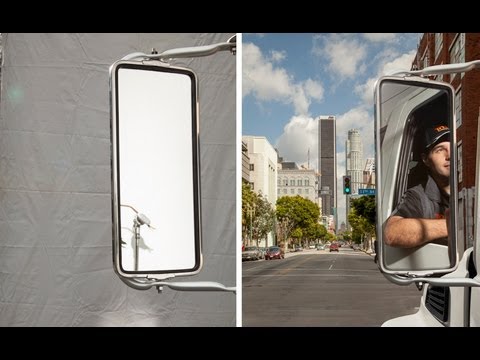
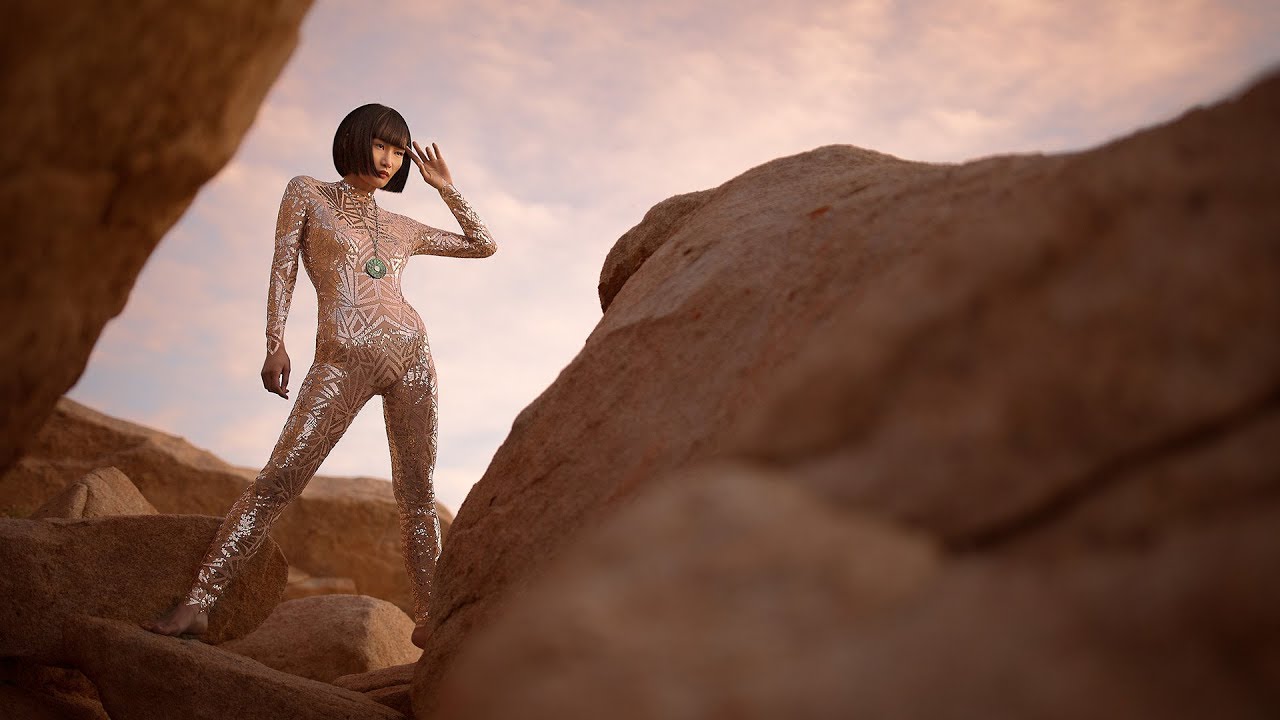
Chrome is the material that exposes every amateur lighting decision. It doesn’t care how much gear you brought. It reflects everything around it with total honesty, and most of what surrounds a location shoot is visual noise. I’ve lost count of how many times I’ve seen photographers aim a strobe at a shiny surface and wonder why the result looks like a carnival mirror. The problem is never the light you put on the chrome.

How to Balance Ambient and Strobe Light On Location: A Working Photographer's Breakdown

How to Balance Ambient and Strobe Light On Location: A Working Photographer's Breakdown

There is a specific kind of frustration that comes from nailing your strobe exposure and completely blowing out your background, or the opposite: beautiful ambient light behind your subject while they look like a cardboard cutout in the foreground. Getting strobes and natural light to coexist in a single frame is one of those skills that sounds simple and behaves otherwise. I spent years treating them as separate problems to solve one at a time.

How to Fake a Blazing Sun with a Single Strobe (And Why It Works Better Than the Real Thing)

How to Fake a Blazing Sun with a Single Strobe (And Why It Works Better Than the Real Thing)

There’s a particular kind of location shoot that exposes every gap in your lighting toolkit: hard midday sun, a background you can’t move, and subjects whose faces you need to control precisely. I’ve been in that situation more times than I’d like to admit, usually squinting at my laptop screen trying to figure out why the ambient exposure looks nothing like what I wanted when I planned the shot at 8am.