Five Rules I Follow When Posing Wedding Couples (And What a CreativeLive Tutorial Confirmed for Me)

Five Rules I Follow When Posing Wedding Couples (And What a CreativeLive Tutorial Confirmed for Me)

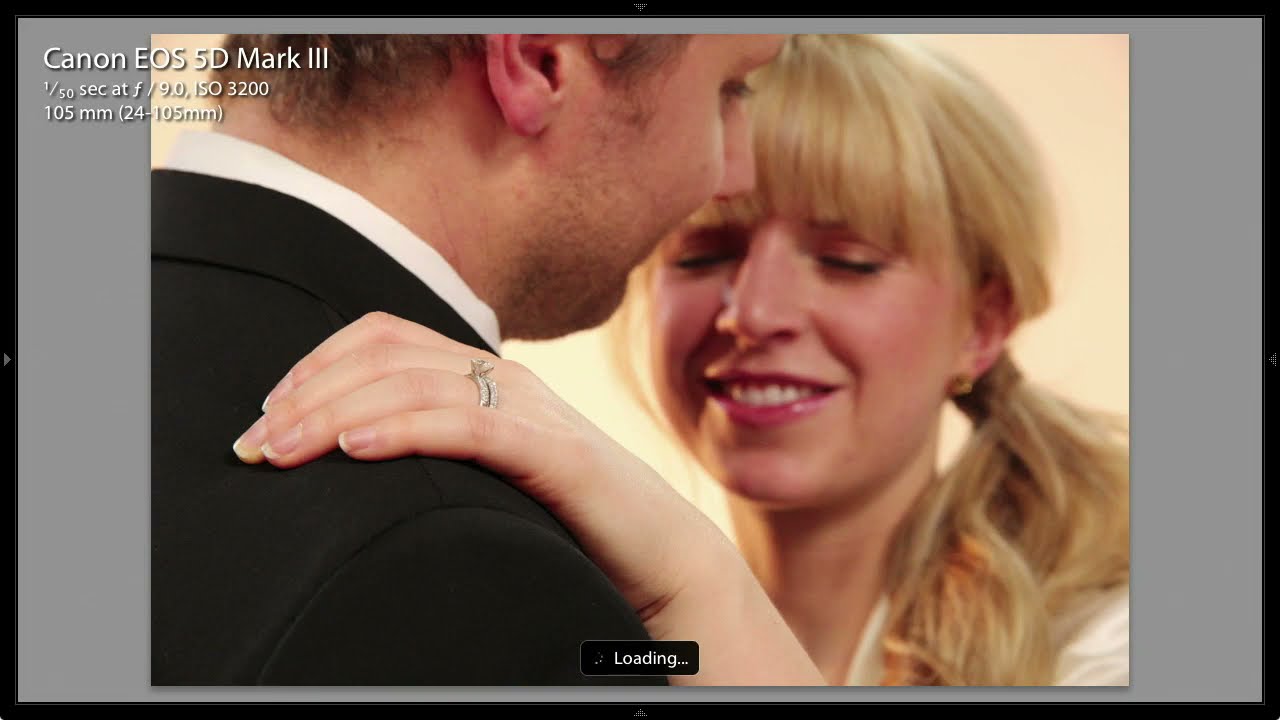
Wedding couple photography is one of those areas where my studio instincts break down fast. I’m used to controlling every variable — the light, the background, the talent’s wardrobe. A wedding day hands you almost none of that. The light changes every twenty minutes, the dress cost more than my first lens kit, and you have roughly forty minutes between the ceremony and the reception to get everything. The posing has to be efficient, intentional, and specific to this one type of subject.

Emotion First, Then the Pose: What a $10K Wedding Photographer Taught Me About Working With People

Emotion First, Then the Pose: What a $10K Wedding Photographer Taught Me About Working With People

Most of my work happens in a controlled environment. I label every light, I sketch every setup, I run color calibration before the first frame fires. Control is how I operate. So when a client’s expressions fall flat despite a technically perfect setup, it’s genuinely disorienting. The lights are where they should be. The composition is solid. And yet the images feel hollow. For years I chalked that up to the subject, told myself some people just aren’t photogenic.

What Roberto Valenzuela's Wedding Evolution Taught Me About Seeing a Location Before You Shoot It

What Roberto Valenzuela's Wedding Evolution Taught Me About Seeing a Location Before You Shoot It

I shoot in a controlled environment almost every day. Strobes on stands, tape marks on the floor, modifiers I’ve tested a dozen times before a client walks in. The variables are mine to set. Wedding photographers don’t get that luxury, and for a long time I let that difference make me dismissive of what they do. Then I watched Roberto Valenzuela walk through an entire Hawaii wedding shoot, frame by frame, explaining not just what he captured but where he stood, where he refused to stand, and exactly why.

Off-Camera Flash at Weddings: How to Use a Secondary Strobe Without Killing the Mood

Off-Camera Flash at Weddings: How to Use a Secondary Strobe Without Killing the Mood

Wedding receptions are one of the few situations where I genuinely have to fight my studio instincts. My default is control: flagged lights, metered backgrounds, everything taped and labeled. A reception hall gives you none of that. The light is already doing something, the room has a mood, and your job is to work inside it rather than override it. That tension between “enough light to get the shot” and “too much light to keep the feeling” is exactly what this tutorial addresses.

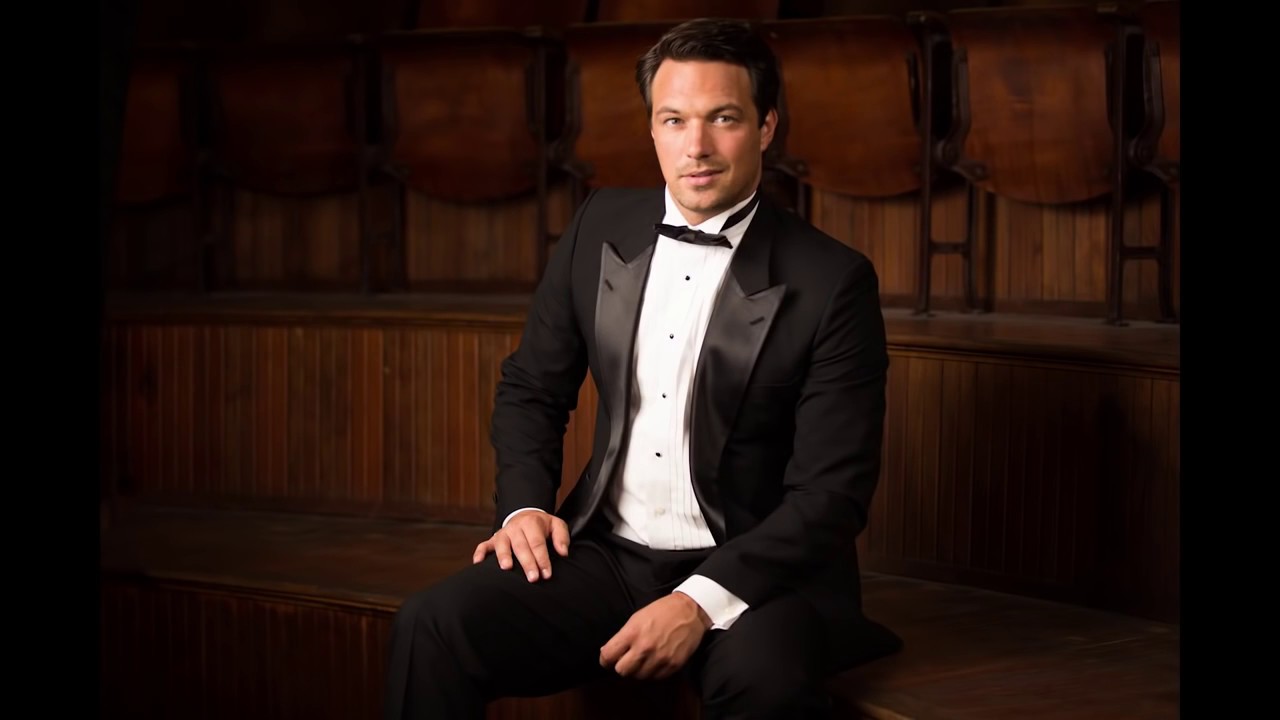
One Light, One Strip Bank, and Why Groom Portraits Deserve More Attention Than They Get

One Light, One Strip Bank, and Why Groom Portraits Deserve More Attention Than They Get

Groom portraits are the forgotten child of wedding photography. Every tutorial, every lighting course, every lighting diagram pinned to a studio wall is overwhelmingly built around the bride. The groom gets five minutes between the ceremony and the cocktail hour, a pat on the shoulder, and a standing pose in front of whatever wall happens to be nearby. I’ve been guilty of this myself, and the results show it. The images are flat, rushed, and forgettable.

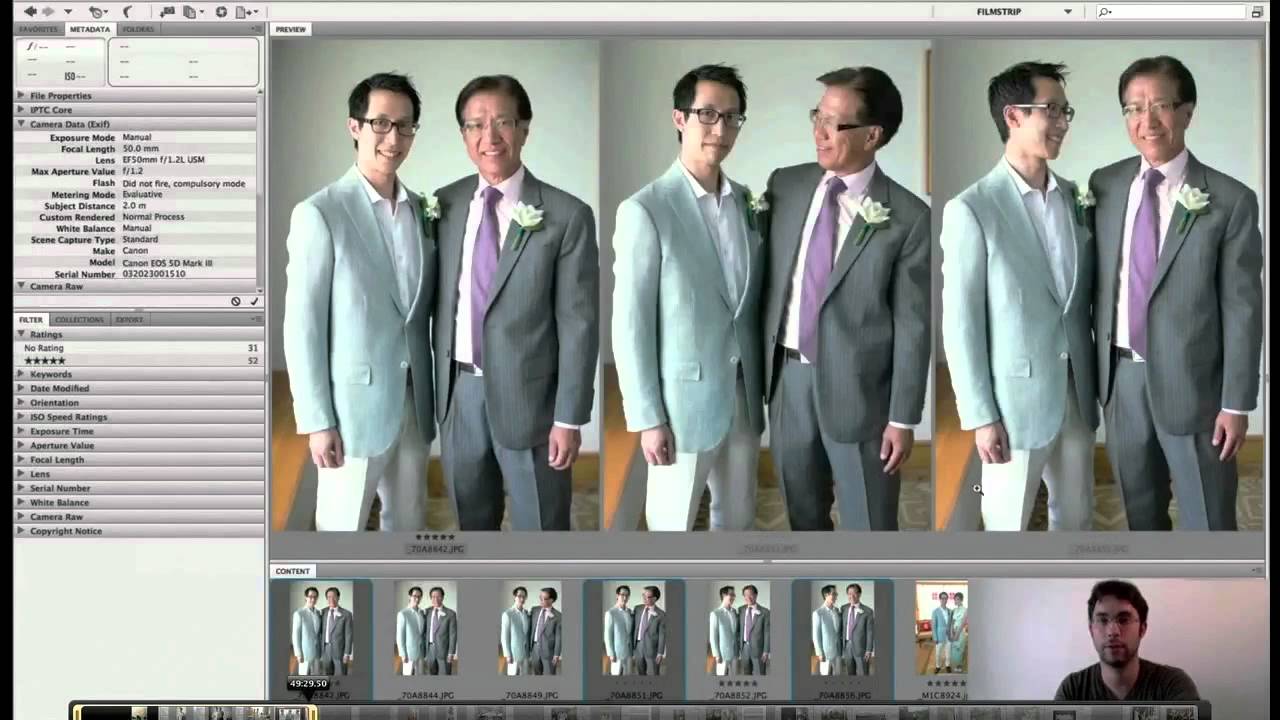
Mastering Bridal Party Poses and Off-Camera Flash in Harsh Sunlight

Mastering Bridal Party Poses and Off-Camera Flash in Harsh Sunlight

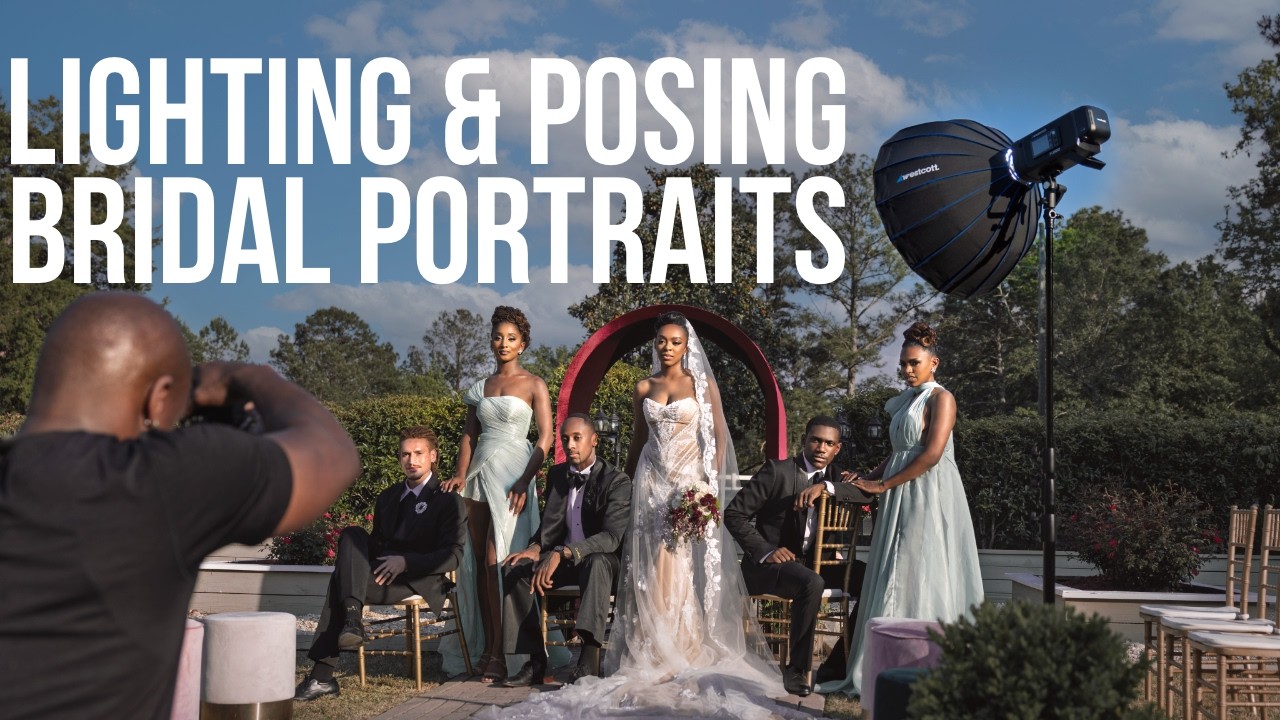
I shoot controlled environments for a living. Fashion sets, beauty campaigns, corporate headshots where every light has a piece of masking tape on the barn door with its exact purpose written in marker. So when I need to think about uncontrolled environments, I actively go looking for photographers who’ve made chaos their workflow. That’s why I keep coming back to wedding photographers. They solve hard lighting problems fast, with real people who don’t take direction like models, in locations that don’t cooperate.