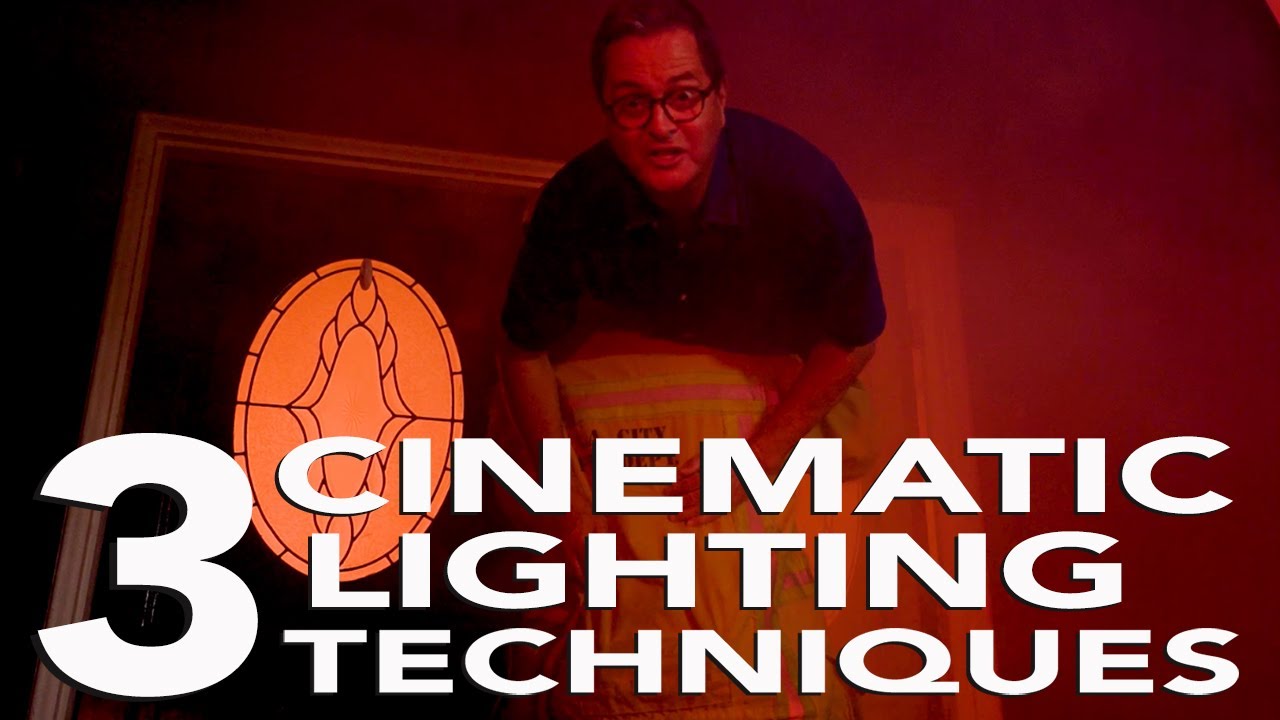
Fire, Rain, and Police Lights: How to Build Cinematic Special Effects with LED Panels

Fire, Rain, and Police Lights: How to Build Cinematic Special Effects with LED Panels

There’s a specific kind of client request that used to make me nervous: the ones that want something cinematic on a studio budget. “Can we make it feel like he’s outside in the rain?” or “Can we get that firelight glow?” Years ago, my answer involved a lot of gels, a lot of guessing, and at least one shoot where I handed back a card full of images that looked more like a Halloween party than an editorial spread.
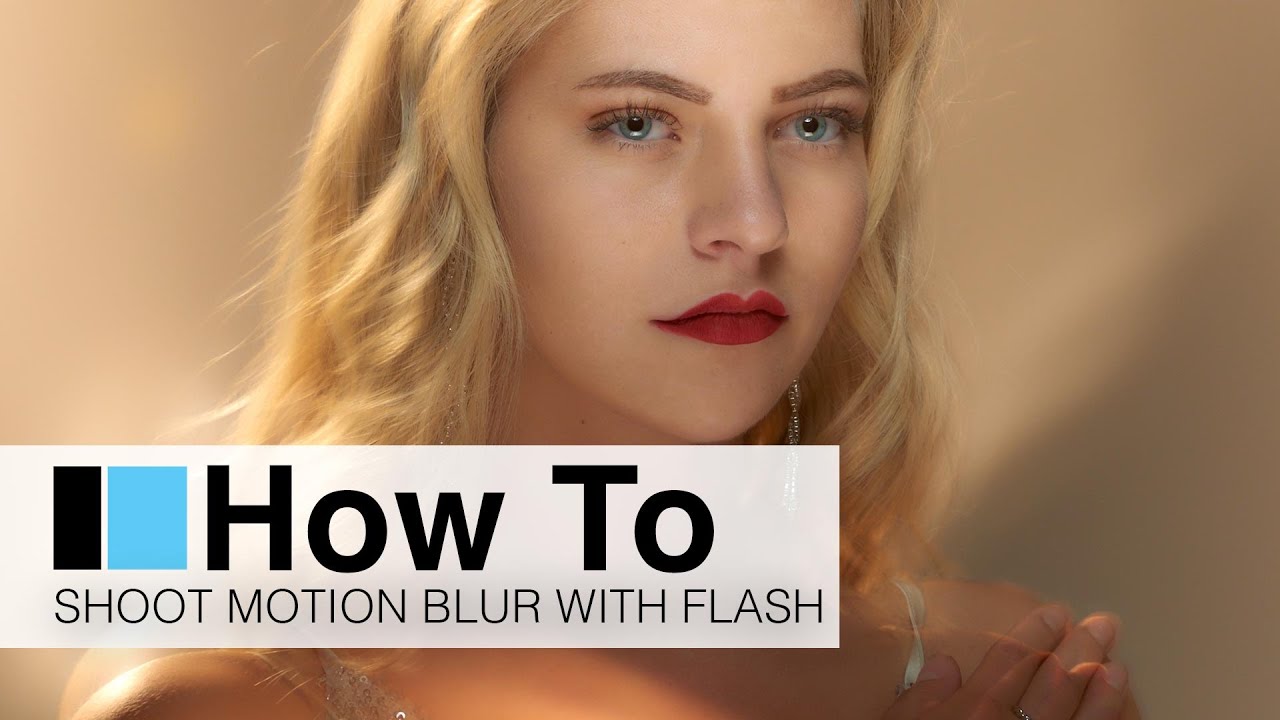
Sharp Eyes, Blurred Light: How to Mix LED and Flash for Fashion Portraits That Actually Move

Sharp Eyes, Blurred Light: How to Mix LED and Flash for Fashion Portraits That Actually Move

There’s a particular kind of fashion image I’ve always struggled to nail in the studio: the one that feels like it has air in it. Not motion blur exactly, but that sense that something is happening, that the sequins caught a moment, that the hair has weight. Most of my studio work is deliberately frozen. That’s the job. But occasionally a client wants something with a little more cinema in it, and for years I defaulted to pulling the shutter speed down and hoping for the best.

Godox MA2 Macro Twin Light: A Game-Changer for Close-Up Photography

Godox MA2 Macro Twin Light: A Game-Changer for Close-Up Photography

Godox MA2 Macro Twin Light: A Game-Changer for Close-Up Photography I’ve spent years watching macro photographers struggle with the same fundamental problem: how do you light something incredibly small without casting your own shadow directly onto your subject? Godox appears to have taken this challenge seriously with their new Flexible Macro Twin Light MA2, and I think it deserves your attention. A Purpose-Built Solution for Macro Work The MA2 isn’t another generic ring light or attempt to repurpose standard studio gear.

How to Light a Large-Scale Studio Set with Continuous LEDs (And Why the Ratios Matter More Than the Gear)

How to Light a Large-Scale Studio Set with Continuous LEDs (And Why the Ratios Matter More Than the Gear)

I keep a lighting journal. Every setup I shoot, I sketch it out afterward - key light position, modifier choice, distance, the ratio between key and rim. It started as a habit after I nearly tanked a fashion editorial early in my career by mixing daylight-balanced strobes with tungsten practicals and never checking my color temperature against the camera. The journal keeps me honest. So when I sat down with Watch the full tutorial on YouTube this tutorial from JP Morgan at The Slanted Lens, I had my phone out with my lighting diagram app open before he got to the first setup.

Inside a Creator's Studio: Lighting Lessons Hidden in Peter McKinnon's Wild Studio Tour

Inside a Creator's Studio: Lighting Lessons Hidden in Peter McKinnon's Wild Studio Tour

There’s a moment in every working photographer’s career when a client walks into your studio and either relaxes or tenses up. You can feel it in the first ten seconds. I’ve been shooting commercial and editorial work long enough to know that the lighting environment you build around your subjects does at least half the job before you ever fire a strobe. That’s why, even though Watch the full tutorial on YouTube this Peter McKinnon studio tour is ostensibly a fun hangout video with his friend Chris, I watched it three times taking notes on how Chris’s studio space is lit and why it works so well.

Permanent Light, Zero Setup: How to Build a Dedicated Streaming and Video Conferencing Rig

Permanent Light, Zero Setup: How to Build a Dedicated Streaming and Video Conferencing Rig

There is a particular kind of frustration that builds slowly. You know exactly what good light looks like. You can sculpt it on a model in under ten minutes in your studio. But every time you sit down to stream, record a video call, or do a talking-head segment for a client, you spend the first twenty minutes dragging a C-stand into position, adjusting a boom arm, and second-guessing a softbox placement you already figured out three weeks ago.

How to Light a Narrative Short Film: Lessons from a Golf Club Window Shot

How to Light a Narrative Short Film: Lessons from a Golf Club Window Shot

There’s a specific kind of problem that comes up when you move from studio work into narrative film or hybrid video, and it’s not about cameras. It’s about committing to lighting setups that have to read as real environments while still looking like something a cinematographer would be proud of. I’ve wrestled with this on commercial jobs where the client wants “cinematic” but the location is a kitchen at 6pm with one window and a builder-grade overhead fixture.

One Light, Five Modifiers: What Videographers Can Steal From Studio Photography

One Light, Five Modifiers: What Videographers Can Steal From Studio Photography

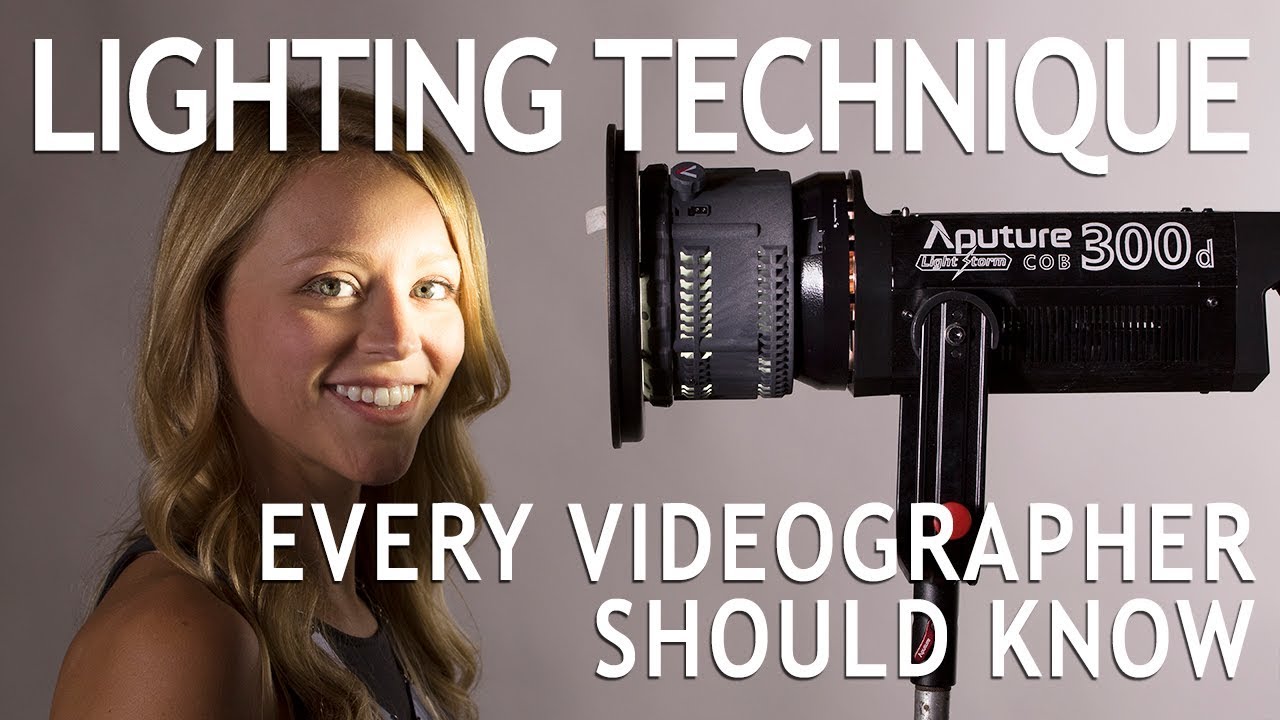
Every cinematographer I’ve ever talked to has a version of the same complaint: too much gear, not enough control. They’re hauling Fresnels and Source Fours and a Joker to get through a single interview setup, when half the time what they actually need is one well-modified light and the knowledge to shape it. That’s the tension JP Morgan at The Slanted Lens addresses head-on in his tutorial on using a single LED unit with interchangeable modifiers, and it’s worth breaking down for anyone who shoots both stills and video.

Three-Point Lighting for Video Interviews: What Photographers Already Know (And the One Thing They Don't)

Three-Point Lighting for Video Interviews: What Photographers Already Know (And the One Thing They Don't)

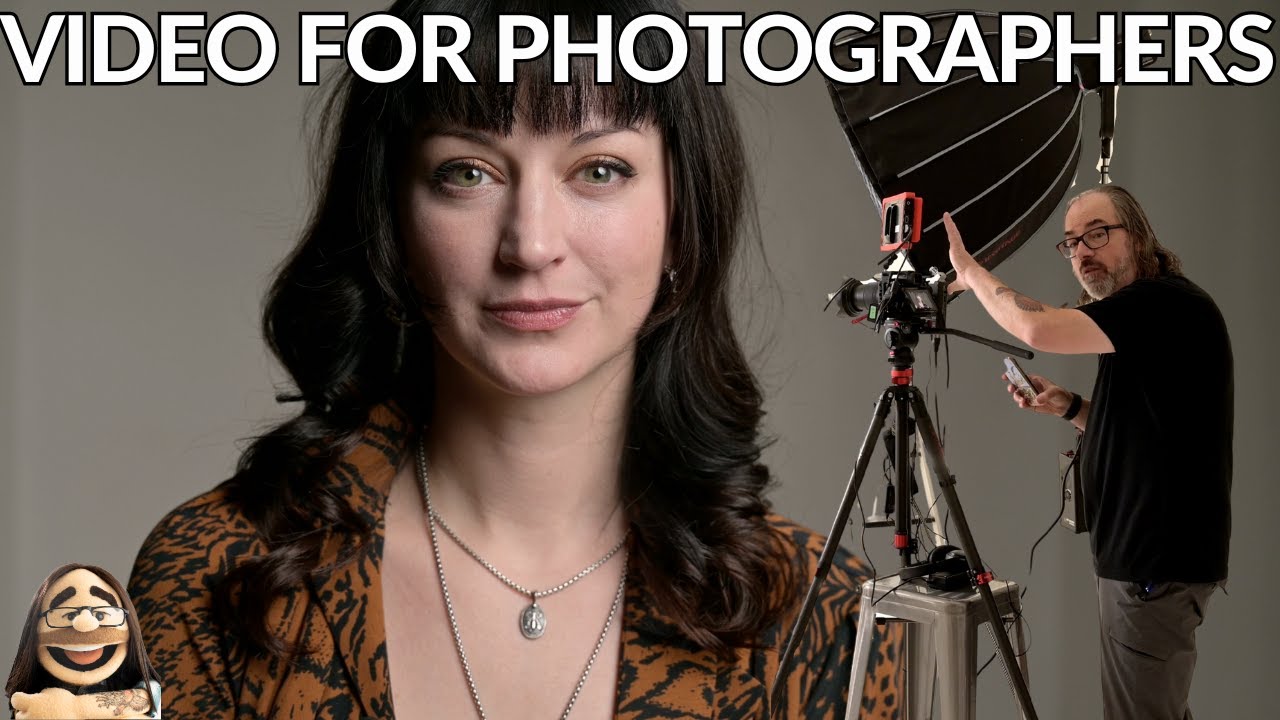
More clients are asking me to shoot talking-head videos alongside the stills. Corporate headshot day now comes with a request for a CEO intro clip. The beauty brand wants behind-the-scenes footage. And the first question every photographer asks when this happens is: do I need to learn an entirely new craft? The honest answer is no, not from scratch. In this Daniel Norton Photographer tutorial, Watch the full tutorial on YouTube, Daniel lays out a three-point interview lighting setup that will feel immediately familiar to anyone who has spent time in a portrait studio.

Harlowe's Max Bi-Color LED Monolights: Power Meets Practicality in the Modern Studio

Harlowe's Max Bi-Color LED Monolights: Power Meets Practicality in the Modern Studio

I’ve spent enough time in studios and on location shoots to know that lighting equipment rarely excels at everything. You typically sacrifice power for portability, or wireless convenience for consistent color temperature. So when I heard about Harlowe’s expanded Max Bi-Color LED monolight lineup, I paid attention—because the company seems intent on collapsing those compromises. What’s New Harlowe has introduced several new configurations of their Max monolights, all centered around a 120-watt fixture that’s substantially more powerful than most portable LED solutions currently on the market.

Godox's New $189 LED Monolight Changes the Game for Budget-Conscious Studios

Godox's New $189 LED Monolight Changes the Game for Budget-Conscious Studios

I’ve watched the budget lighting market evolve considerably over the past five years, and I’m genuinely impressed by what Godox has accomplished with their new Litemons LE200D. At $189, this 220W LED monolight represents a genuine inflection point in what’s possible for photographers and video creators working with limited budgets. The 220W Sweet Spot Let me be direct: 220W of output is the right amount of power for most small studio work.