One Light, Maximum Drama: What Joel Grimes' Umbrella Setup Taught Me About Stripping Back

One Light, Maximum Drama: What Joel Grimes' Umbrella Setup Taught Me About Stripping Back

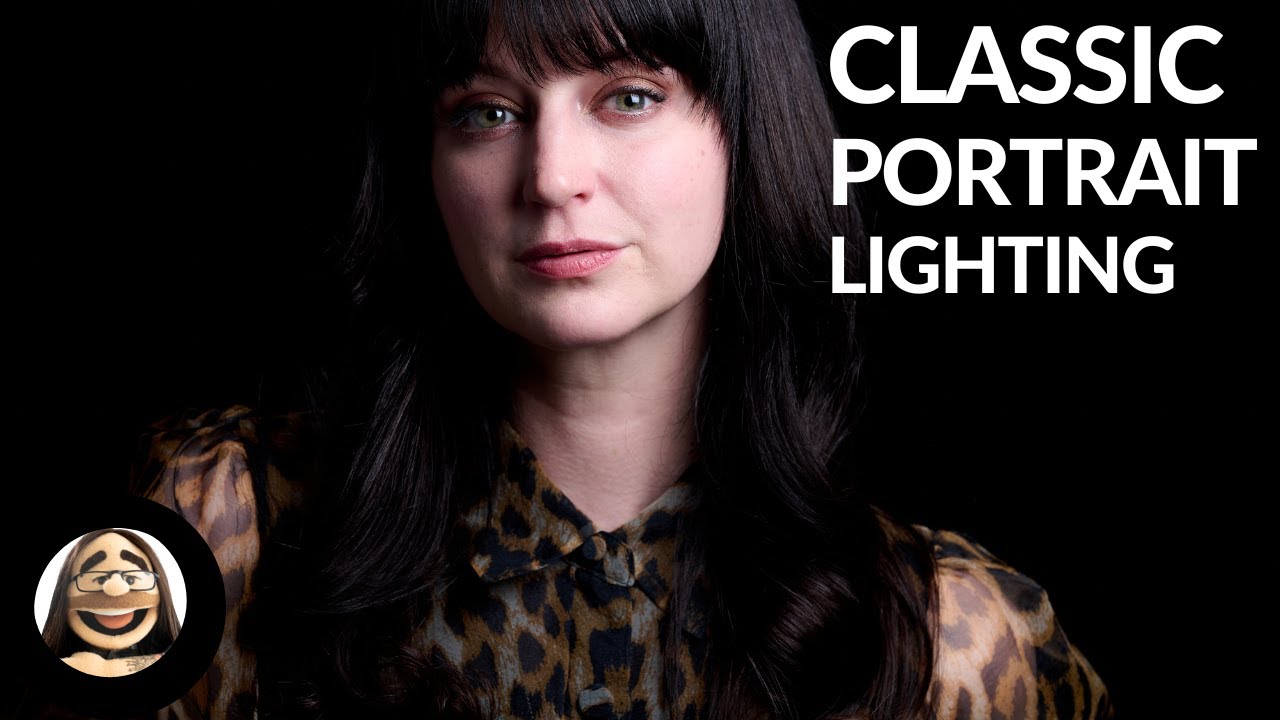
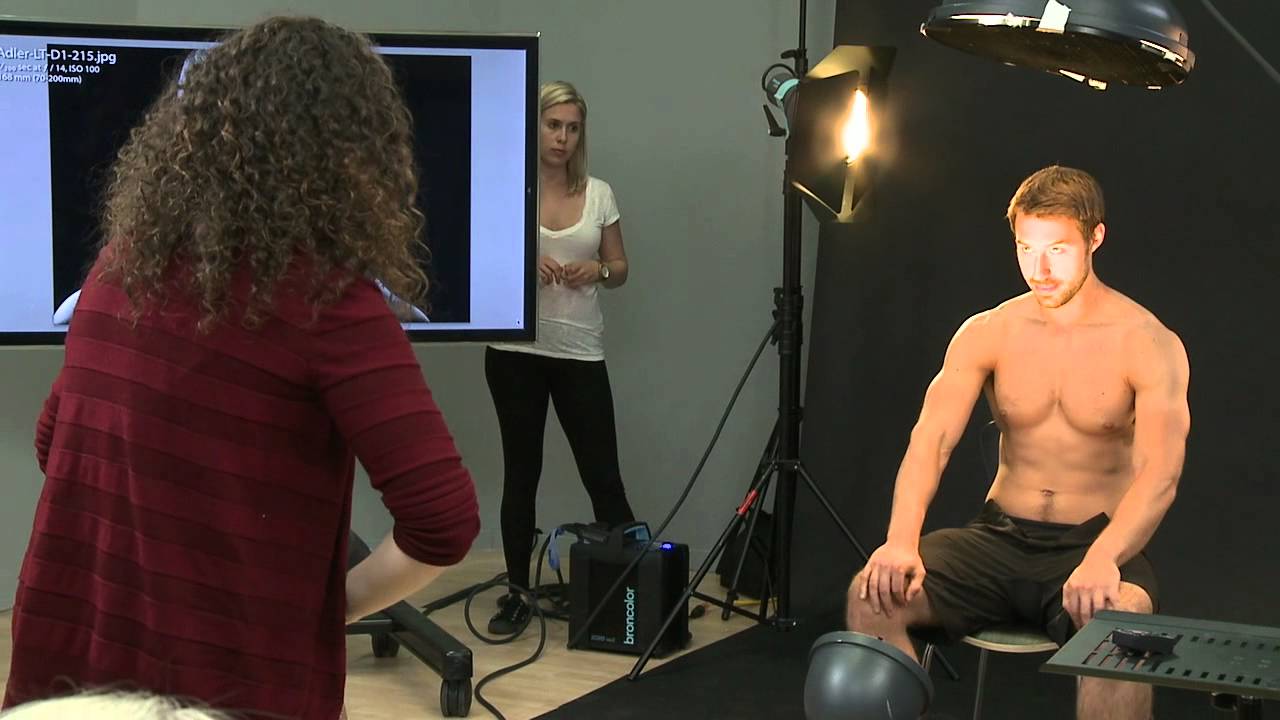
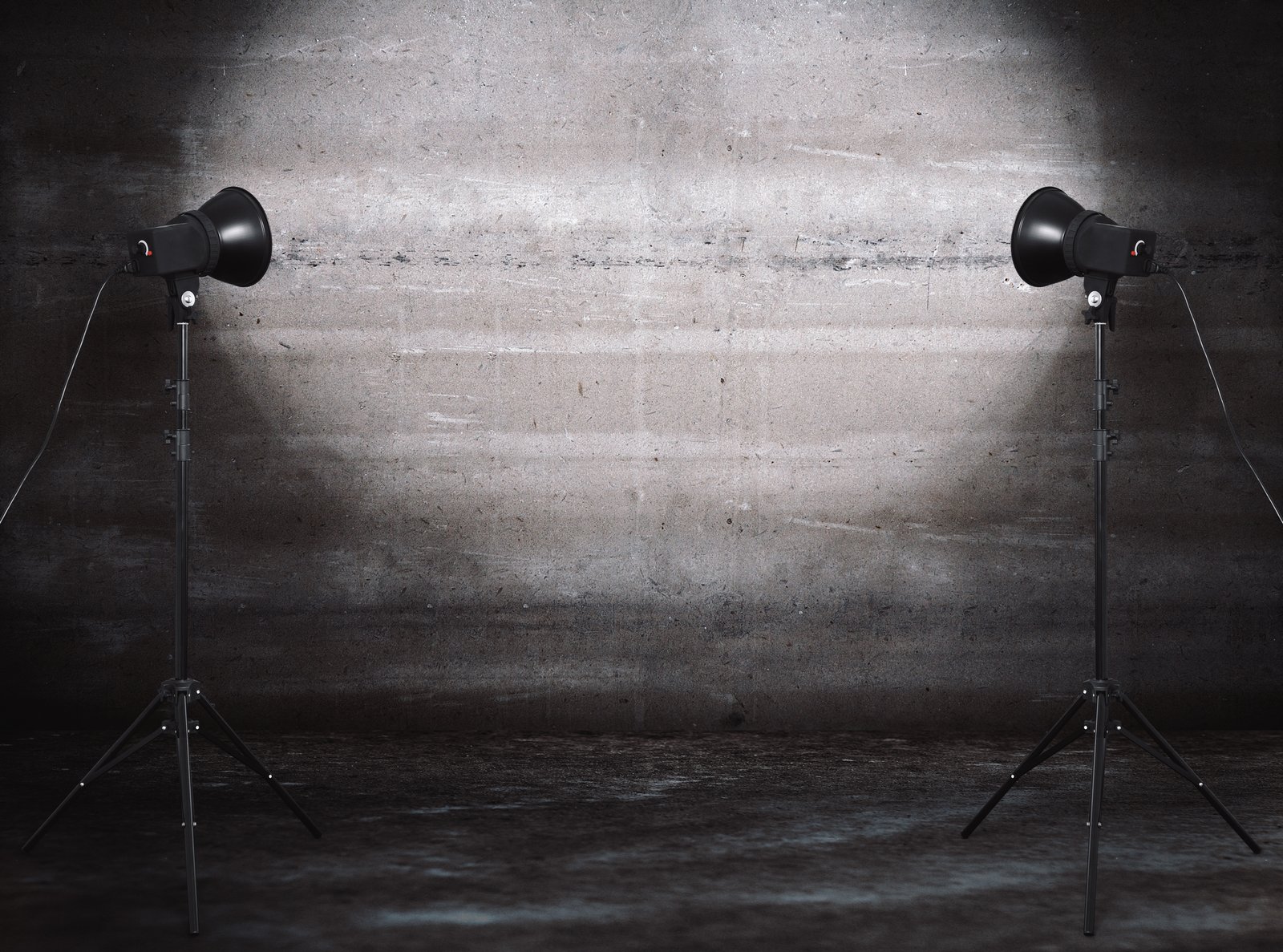
Every working photographer has a client who wants “cinematic.” They say it casually, like it’s a vibe you dial in, and then you have to build something in thirty minutes that looks like a $200,000 film shoot. I keep a lighting journal, sketched diagrams of every setup I’ve ever used, and the page I return to most often is a single overhead source with nothing else in the frame. No fill card, no hair light, no kicker.

Rim Lighting Done Right: How One Background Light Separates Your Subject From Mediocrity

Rim Lighting Done Right: How One Background Light Separates Your Subject From Mediocrity

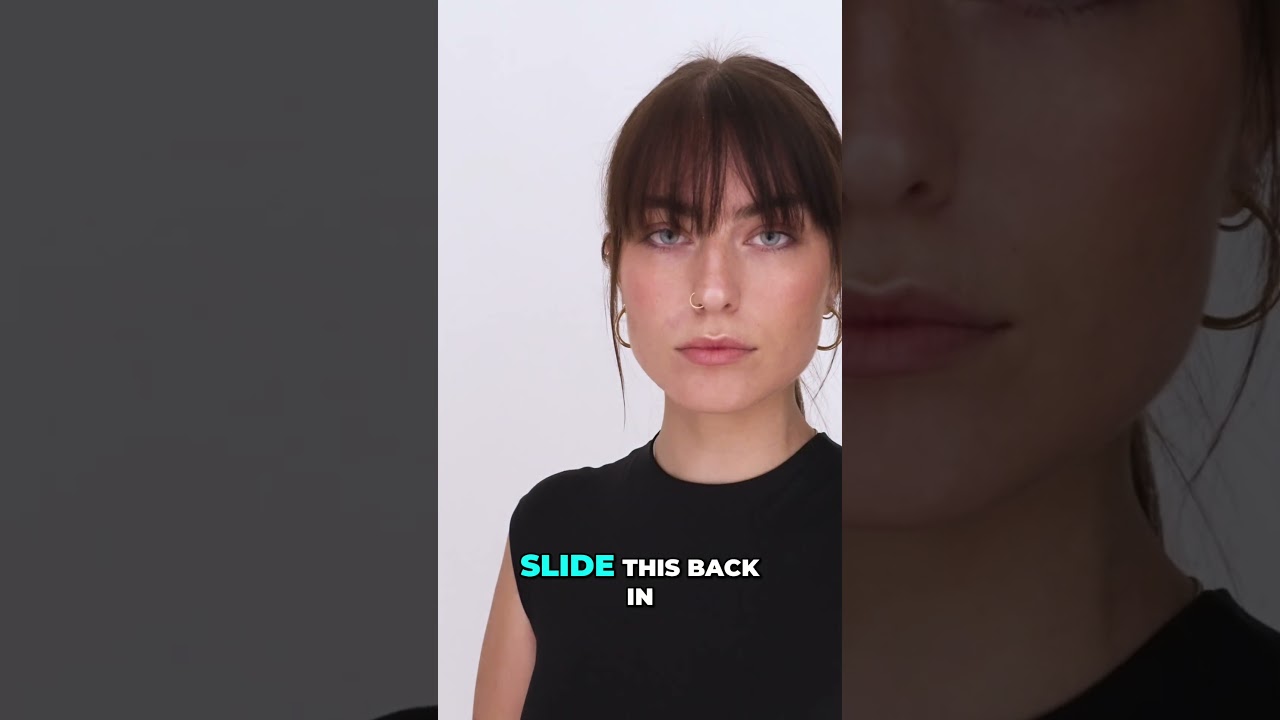
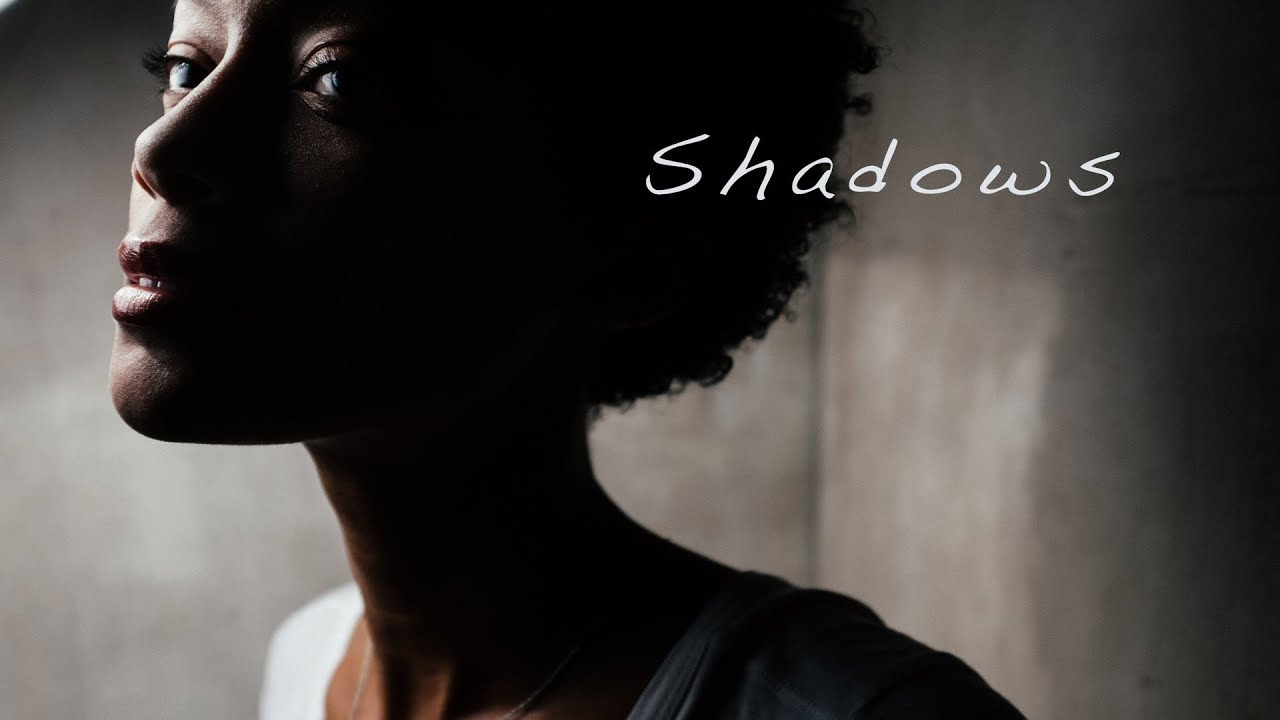
I once watched a test shoot fall apart in real time because every image looked like the subject was melting into the background. Seamless paper, matching tones, flat key light. The client sat there flipping through the tray of selects and finally said, “She just looks… stuck.” He was right. The subject had dimension in real life and zero dimension on the sensor. We had to reshoot, and I spent the train ride home furious at myself for forgetting the most basic principle in studio separation: if your subject and background share the same tonal value, a camera will treat them as the same object.

Why Your Group Shots Look Flat (And the Lighting Math That Fixes It)

Why Your Group Shots Look Flat (And the Lighting Math That Fixes It)

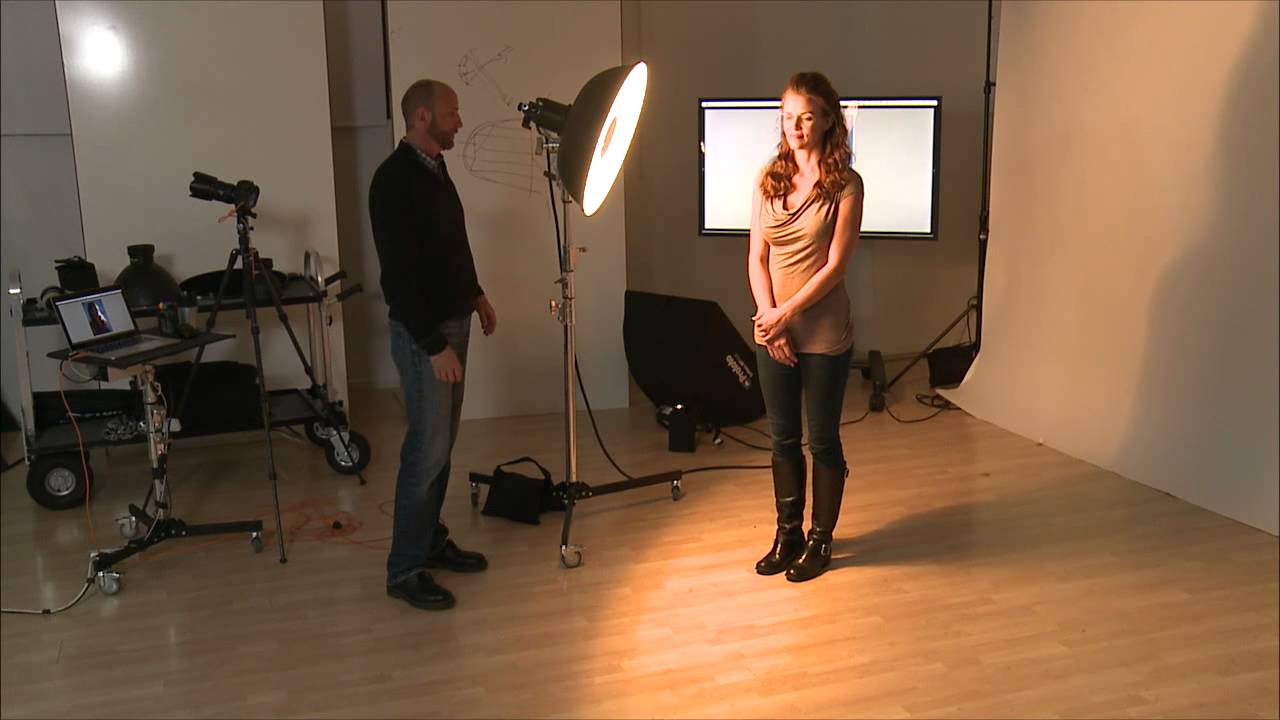
Group photography broke my brain the first time I had to light more than three people in a studio. I was shooting a seven-person executive portrait for a corporate client, early in my career, and I did what most photographers do: I pointed a softbox at them and hoped for a decent result. The images came back with the center subjects two stops brighter than the people on the ends, half the faces carrying ugly shadows from the modeling lights I hadn’t accounted for, and the client politely asking if we could “try again sometime.

The Five Essential Portrait Lighting Patterns Every Studio Photographer Must Master

The Five Essential Portrait Lighting Patterns Every Studio Photographer Must Master

The Five Essential Portrait Lighting Patterns Every Studio Photographer Must Master I’ve spent twenty years perfecting portrait lighting, and I can tell you this with absolute certainty: most photographers overcomplicate it. They chase exotic modifiers and chase trends when they should be mastering five fundamental patterns that solve 90% of your portrait challenges. These aren’t artistic suggestions—they’re structural foundations. Learn them precisely, and you’ll build every other lighting setup from here forward.

Light Modifiers: The Essential Recipe for Professional Studio Portraits

Light Modifiers: The Essential Recipe for Professional Studio Portraits

Light Modifiers: The Essential Recipe for Professional Studio Portraits I’ve spent twenty years in studio lighting, and I can tell you this with absolute certainty: your modifier matters more than your light source. I’ve produced identical results with a $300 speedlight and a $3,000 monolight—the difference was always the modifier. Yet photographers obsess over wattage while ignoring the tools that actually shape light. Think of modifiers like cooking equipment. A powerful oven is useless without proper pans.

The Five Essential Portrait Lighting Patterns Every Photographer Must Master

The Five Essential Portrait Lighting Patterns Every Photographer Must Master

The Five Essential Portrait Lighting Patterns Every Photographer Must Master I’ve spent twenty years in studios, and I can tell you this: lighting patterns aren’t creative luxuries—they’re the grammar of professional portraiture. Master these five setups, and you’ll handle 90% of the work that walks through your door. Deviate from them without understanding why, and you’ll chase problems instead of solving them. Paramount Lighting (Beauty Light Position) Paramount lighting is the safest choice for a reason: it flatters nearly every face.

Tony Northrup Shows You Only Need ONE Light for Pro Portraits

Tony Northrup Shows You Only Need ONE Light for Pro Portraits

One of the most common barriers I hear from photographers moving into portrait work is the cost of lighting equipment. They see studio setups with three or four strobes, softboxes, reflectors, and grids, and assume that’s the minimum for professional results. Tony Northrup’s latest video puts that assumption to rest, and he does it with a flash that costs less than most camera straps. Northrup sets up a single Neewer Flash Q6 — a compact, affordable unit — and proceeds to create portrait after portrait that would hold up in any professional portfolio.

The Stripped-Down Elegance of Passport Photography: What Studio Photographers Can Learn from Six Decades of Iconic Portraits

The Stripped-Down Elegance of Passport Photography: What Studio Photographers Can Learn from Six Decades of Iconic Portraits

The Power of Limitations I’ve spent years obsessing over lighting rigs, modifier collections, and the latest gear. So when I discovered that some of the most striking celebrity portraits ever captured came from a modest passport photo studio on Oxford Street, it stopped me cold. For 66 years, this unassuming space produced an archive of famous faces—Joan Collins, Mick Jagger, Muhammad Ali—shot under conditions that would make most modern photographers panic.

The Flat Light Problem: Why Your Outdoor Sessions Fall Short (And What Actually Works)

The Flat Light Problem: Why Your Outdoor Sessions Fall Short (And What Actually Works)

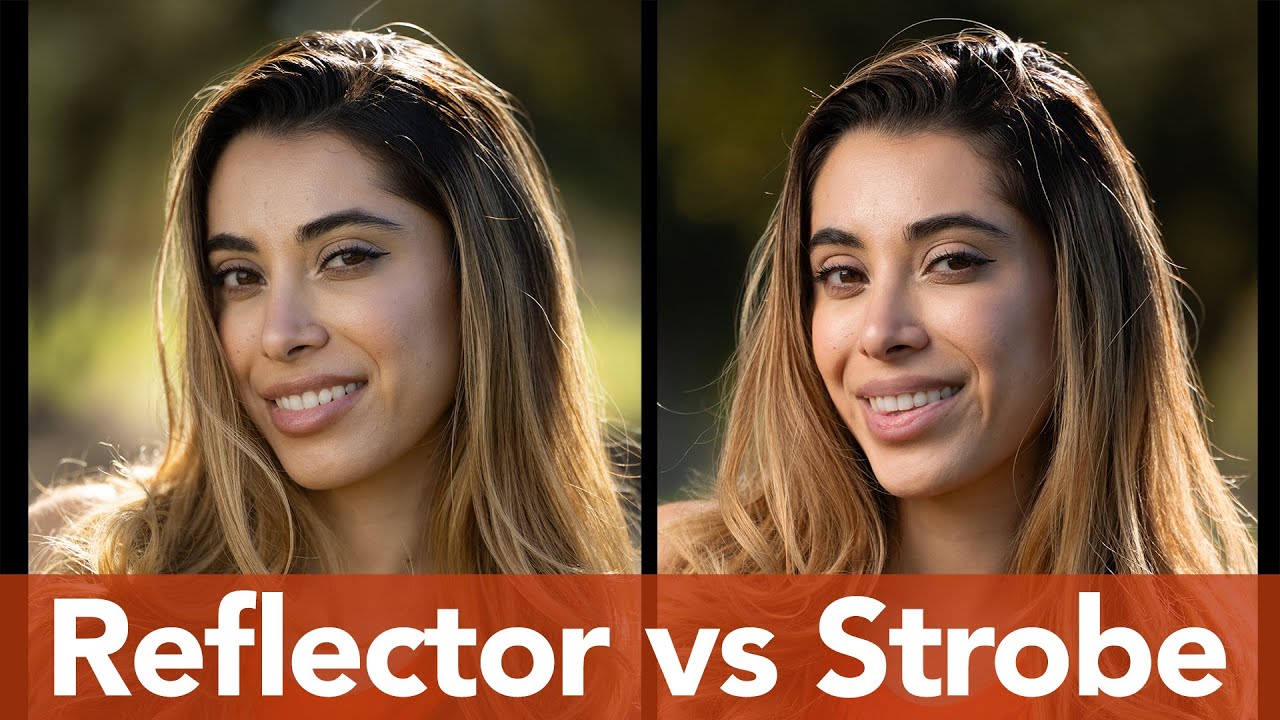
The Flat Light Dilemma I’ve examined thousands of outdoor portraits over my career, and I see the same problem repeatedly: lifeless, dimensionless skin tones that make your subject look washed out despite shooting in natural daylight. The culprit isn’t always obvious to newer photographers, but once you understand it, the solution becomes remarkably straightforward. Outdoor ambient light—especially midday sun or overcast conditions—creates a fundamental challenge. Bright overhead sun produces harsh shadows under eyes and chin, while cloudy skies deliver light so flat it eliminates facial contours entirely.

The Five Portrait Lighting Patterns Every Studio Photographer Must Master

The Five Portrait Lighting Patterns Every Studio Photographer Must Master

The Five Portrait Lighting Patterns Every Studio Photographer Must Master I’ve spent the last fifteen years refining my approach to portrait lighting, and I can tell you with absolute certainty: mastering five core patterns will solve 90% of your lighting challenges. These aren’t creative flourishes or trends. They’re time-tested frameworks that work because they follow the same principles that have guided portrait photographers since the days of studio flash. Let me walk you through each one.

The Five Essential Portrait Lighting Patterns Every Photographer Should Master

The Five Essential Portrait Lighting Patterns Every Photographer Should Master

The Five Essential Portrait Lighting Patterns Every Photographer Should Master I’ve spent twenty years in studios across three continents, and I can tell you this with certainty: you don’t need thirty light setups. You need five. Master these patterns, and you’ll handle virtually every portrait scenario that walks through your door. Everything else is variation. Think of lighting patterns like recipes. You measure precisely, follow the sequence, and you get consistent results.

Rim Lighting: The Technique That Separates Amateur From Professional Portraits

Rim Lighting: The Technique That Separates Amateur From Professional Portraits

Rim Lighting: The Technique That Separates Amateur From Professional Portraits I’ve watched countless photographers chase expensive gear when what they really needed was rim lighting discipline. This technique—also called backlighting or edge lighting—is not optional for serious portrait work. It’s foundational. When executed correctly, rim lighting adds depth, separates your subject from the background, and creates that polished look clients recognize as professional. Let me be direct: rim lighting without understanding power ratios and positioning will frustrate you.