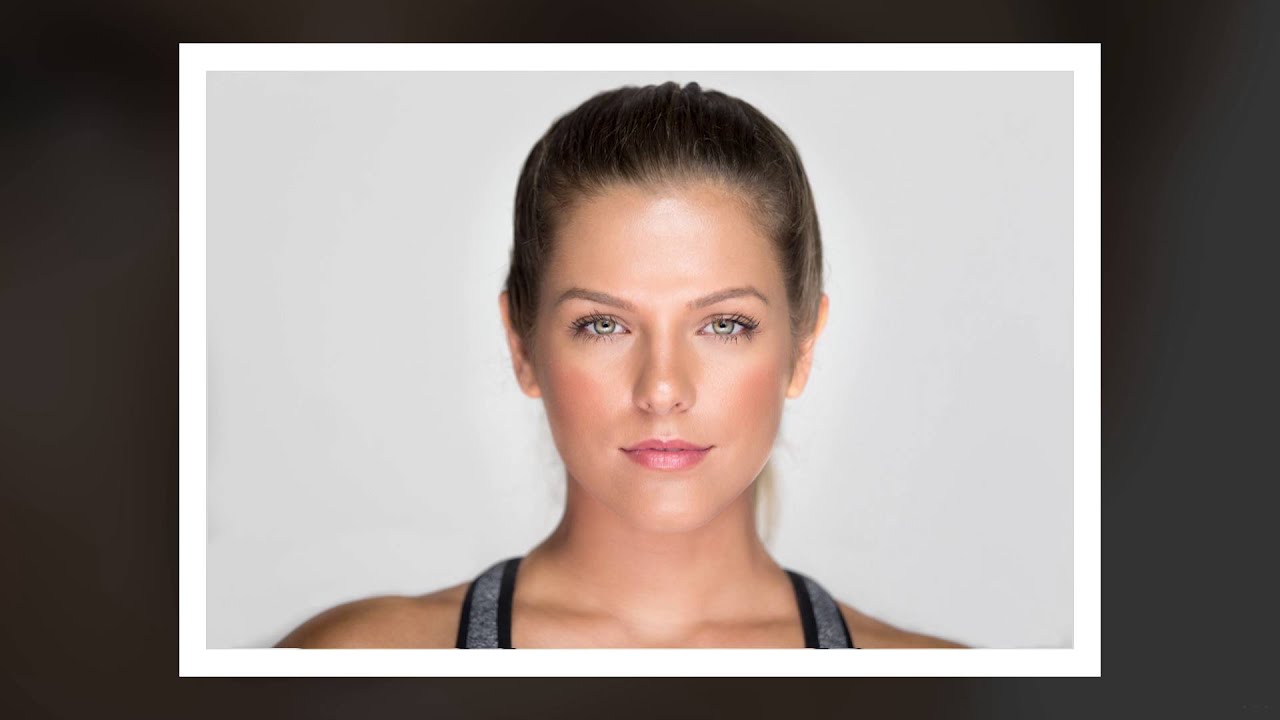
Clamshell Lighting Made Simple: How to Build a Flattering Portrait Setup with Continuous Lights

Clamshell Lighting Made Simple: How to Build a Flattering Portrait Setup with Continuous Lights

Most of the lighting problems I see photographers struggle with in the studio come down to one thing: overcomplicating the setup before they understand what a single, well-placed light actually does. I’ve been guilty of this myself. Early in my career I’d show up to a beauty shoot with four lights rigged before my subject even walked in, and half of them were fighting each other. The sessions that taught me the most were the stripped-down ones, the ones where I was forced to work with less and pay attention to what the light was actually doing to the face in front of me.
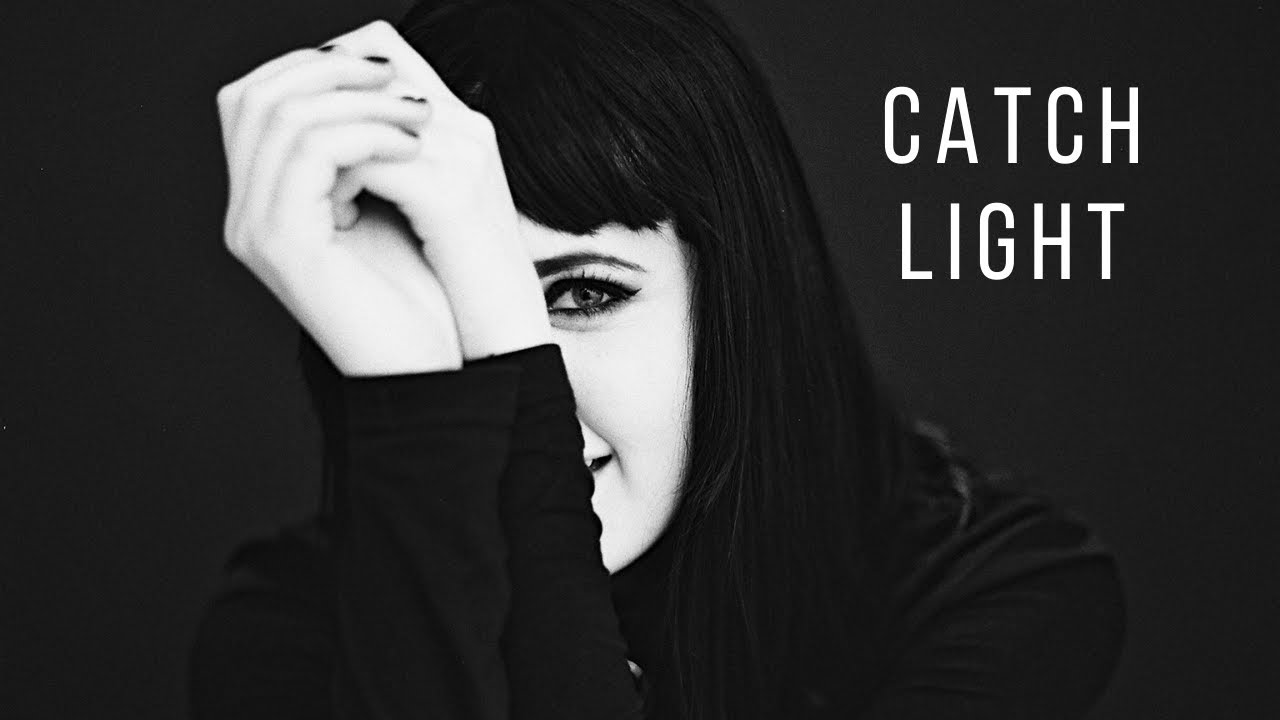
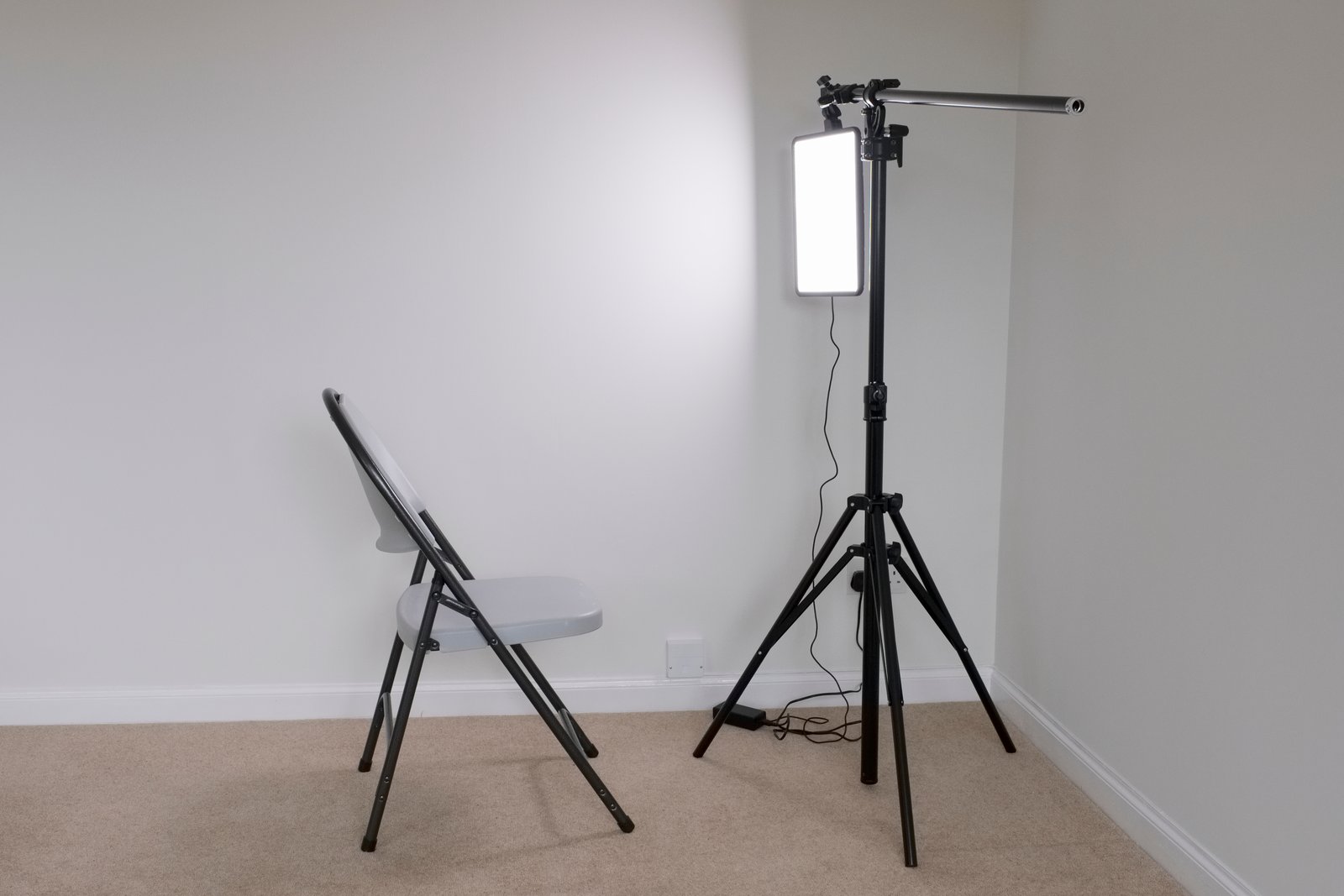
Stop Trusting Catch Lights: How to Actually Read a Portrait Lighting Setup

Stop Trusting Catch Lights: How to Actually Read a Portrait Lighting Setup

Every working photographer I know has done it. You pull up a portrait you admire, zoom straight into the eyes, squint at the catch light, and try to reconstruct the entire setup from that one bright speck. I’ve done it myself. I still have a torn magazine page in my lighting journal from years back where I traced the catch light in an Annie Leibovitz portrait and tried to map it into a diagram.

One Light Is Enough: How a Single Strobe Can Outwork a Five-Head Setup

One Light Is Enough: How a Single Strobe Can Outwork a Five-Head Setup

The Overcomplicated Studio Is Usually a Confidence Problem I have a masking tape label on every light in my studio. “Key 1.” “Fill Left.” “Rim A.” When I started out, I thought having more labeled lights meant I was doing more serious work. I was wrong. Some of my best-performing editorial images, pieces that ran in print and got licensed multiple times, came from a single Profoto B10 and a 5-foot Octabox.

Low Key Lighting Is Not About Darkness — It's About Where You Put the Light

Low Key Lighting Is Not About Darkness — It's About Where You Put the Light

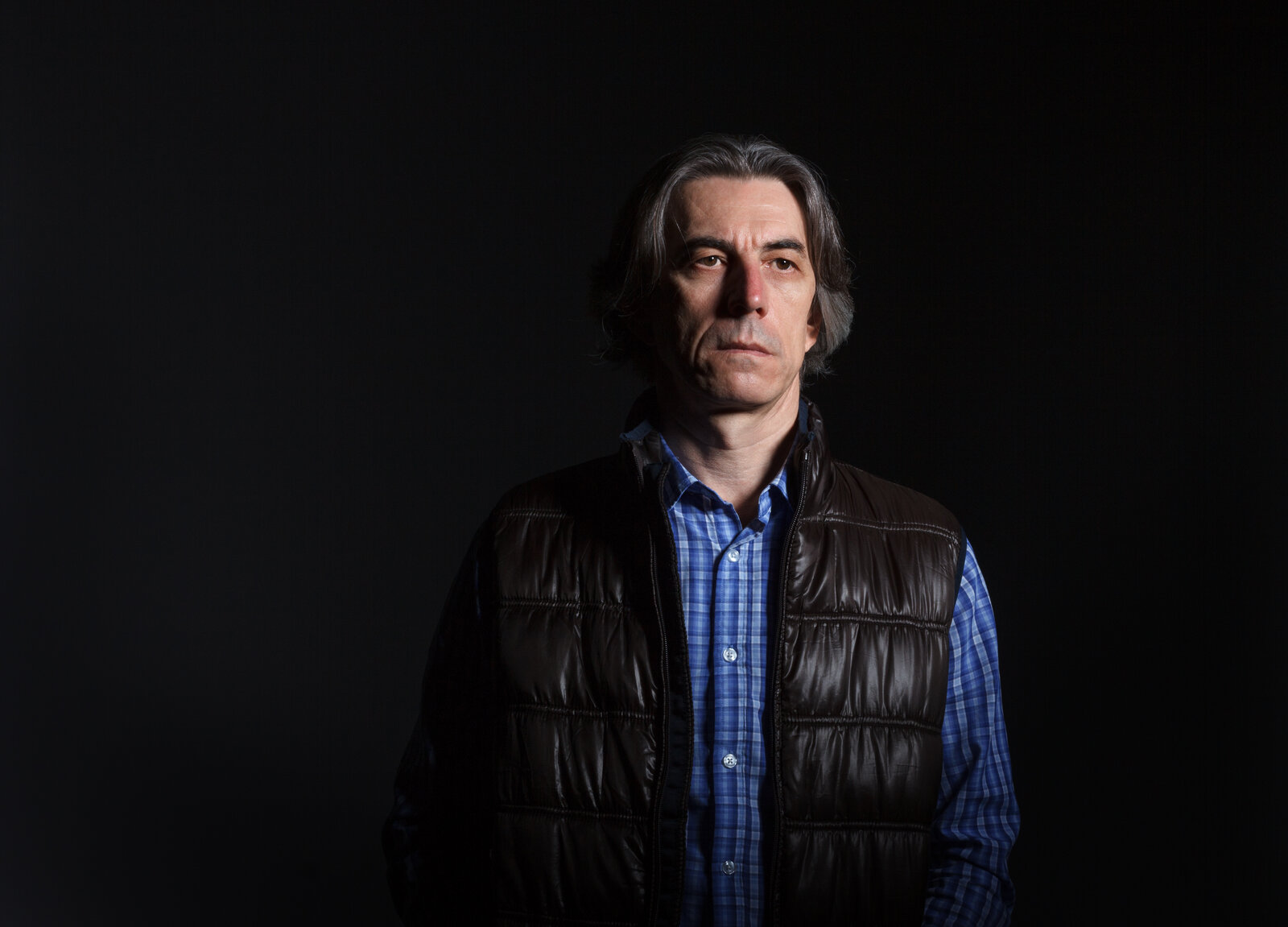
The Mistake Most Photographers Make Before They Fire a Single Frame I see it constantly when photographers share their “low key” work in forums and at workshops. They’ve turned off half their lights, dropped their exposure compensation, and ended up with something that looks muddy, flat, and confused. Dark, yes. Low key, no. Low key lighting is not a dimmer switch. It is a deliberate, surgical relationship between one controlled light source and an environment designed to absorb everything that light doesn’t hit.

One Light, One Strip Bank, and Why Groom Portraits Deserve More Attention Than They Get

One Light, One Strip Bank, and Why Groom Portraits Deserve More Attention Than They Get

Groom portraits are the forgotten child of wedding photography. Every tutorial, every lighting course, every lighting diagram pinned to a studio wall is overwhelmingly built around the bride. The groom gets five minutes between the ceremony and the cocktail hour, a pat on the shoulder, and a standing pose in front of whatever wall happens to be nearby. I’ve been guilty of this myself, and the results show it. The images are flat, rushed, and forgettable.

What Can $500 Actually Buy You in Studio Lighting? A Working Photographer's Breakdown

What Can $500 Actually Buy You in Studio Lighting? A Working Photographer's Breakdown

Every few months, someone emails me asking some version of the same question: “I have a few hundred dollars. What do I actually buy?” It’s a reasonable question, and it deserves a better answer than “it depends” or a link to a forum thread from 2014. Most budget gear guides are written by people who either have no idea what professionals actually use or are trying to sell you something. So when I came across Watch the full tutorial on YouTube by Daniel Norton Photographer, I sat up straight.

The Five Portrait Lighting Patterns Every Studio Photographer Needs to Own Cold

The Five Portrait Lighting Patterns Every Studio Photographer Needs to Own Cold

I keep a lighting journal. Every shoot, before I break down the set, I sketch the diagram, note the modifier, the distance, the ratio, the color temperature. I have over a decade of these notebooks stacked on a shelf in my studio, and when I flip back through them, one thing stands out: almost every successful portrait I have ever lit traces back to one of five foundational patterns. Not variations.

Low Key Lighting Is Not Just Turn Off Some Lights — Here's What It Actually Takes

Low Key Lighting Is Not Just Turn Off Some Lights — Here's What It Actually Takes

The Setup That Taught Me Darkness Has to Be Engineered A few years back I had a beauty client who came in with a tear sheet. Dark background, dramatic shadow, the subject’s face carved out of almost pure black. She said she wanted that look. I thought I could wing it. I pulled my key light around to about 45 degrees, killed my fill, and figured the black backdrop would do the rest.

The Five Portrait Lighting Patterns Every Studio Shooter Needs to Own

The Five Portrait Lighting Patterns Every Studio Shooter Needs to Own

I keep a lighting journal. Every shoot, I sketch the setup in a small Leuchtturm notebook — light positions, modifier choices, distance to subject, power ratios. I’ve filled four of them. The reason I started was embarrassing: early in my career, I’d hit a look I loved on a Tuesday, and by Thursday I couldn’t recreate it. The variables had drifted and I had no record. Now every light in my studio has a strip of masking tape with its number, and every setup gets logged before I fire a single frame.

One Light Is Enough: How a Single Strobe Teaches You Everything You've Been Ignoring

One Light Is Enough: How a Single Strobe Teaches You Everything You've Been Ignoring

The Most Expensive Mistake I See in Studios Every time a photographer tells me they need a third or fourth light to fix a problem, I make them turn off everything except one strobe. Not as a punishment. As a diagnosis. Most lighting problems are not problems of quantity. They are problems of understanding. When you pile on fill lights, hair lights, and background lights before you understand what your key light is actually doing, you are decorating a problem rather than solving it.

One Light, Maximum Drama: What Joel Grimes' Umbrella Setup Taught Me About Stripping Back

One Light, Maximum Drama: What Joel Grimes' Umbrella Setup Taught Me About Stripping Back

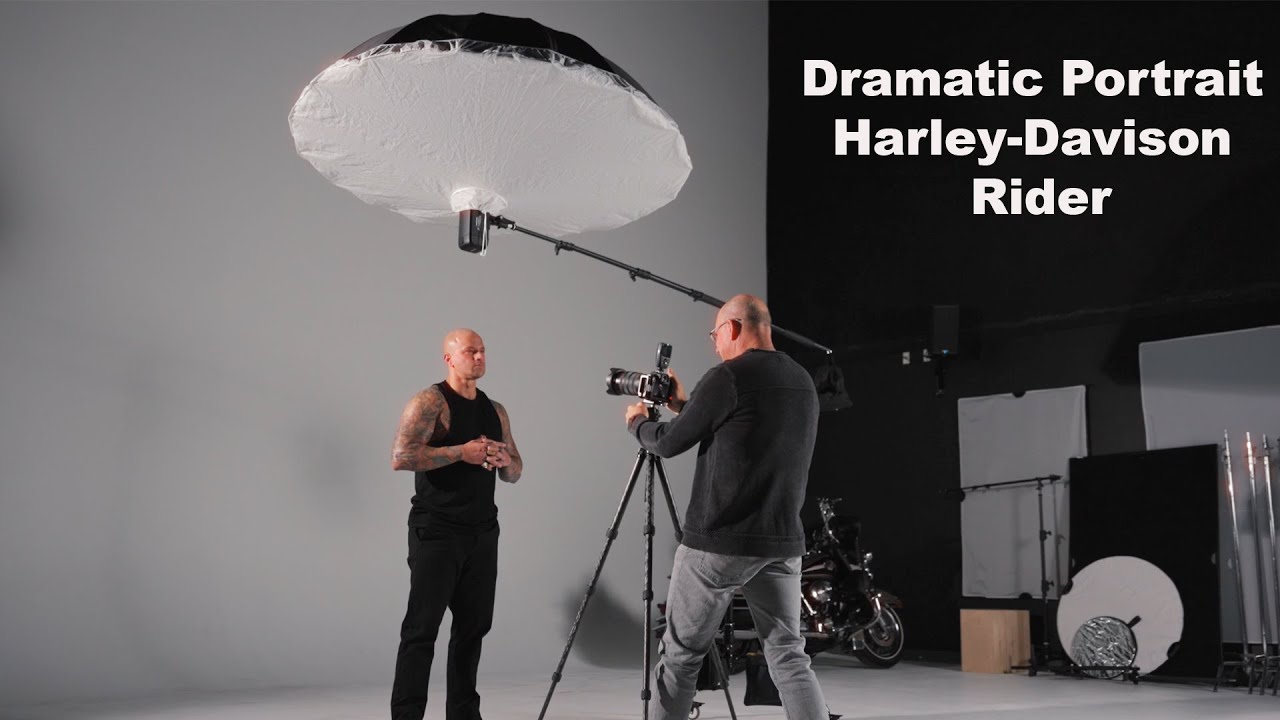
Every working photographer has a client who wants “cinematic.” They say it casually, like it’s a vibe you dial in, and then you have to build something in thirty minutes that looks like a $200,000 film shoot. I keep a lighting journal, sketched diagrams of every setup I’ve ever used, and the page I return to most often is a single overhead source with nothing else in the frame. No fill card, no hair light, no kicker.

Rim Lighting Done Right: How One Background Light Separates Your Subject From Mediocrity

Rim Lighting Done Right: How One Background Light Separates Your Subject From Mediocrity

I once watched a test shoot fall apart in real time because every image looked like the subject was melting into the background. Seamless paper, matching tones, flat key light. The client sat there flipping through the tray of selects and finally said, “She just looks… stuck.” He was right. The subject had dimension in real life and zero dimension on the sensor. We had to reshoot, and I spent the train ride home furious at myself for forgetting the most basic principle in studio separation: if your subject and background share the same tonal value, a camera will treat them as the same object.