Low Key Lighting: The Discipline That Separates Professionals From Amateurs

Low Key Lighting: The Discipline That Separates Professionals From Amateurs

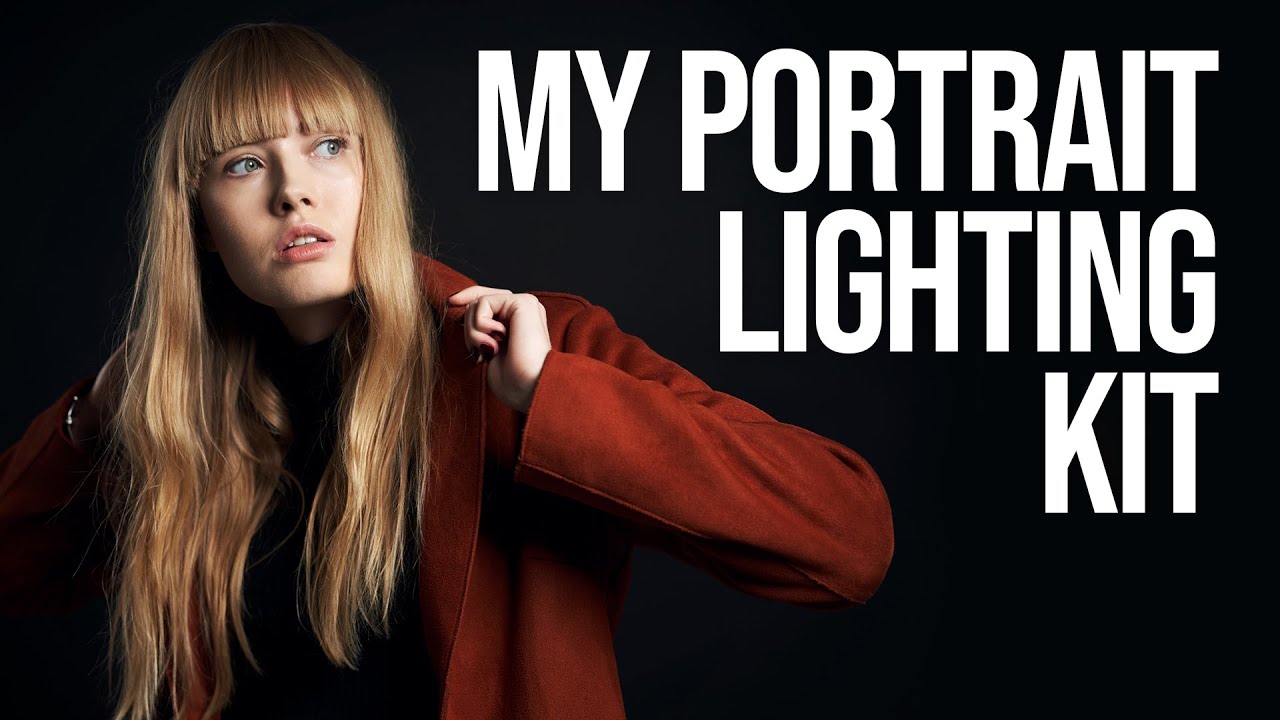
Low Key Lighting: The Discipline That Separates Professionals From Amateurs Low key lighting isn’t a trend or an aesthetic preference—it’s a deliberate technical choice that demands precision, restraint, and a clear understanding of contrast ratios. After twenty years of working in studios and on location, I’ve found that photographers who master low key lighting develop a fundamental control over their craft that serves every other technique they’ll ever learn. What Low Key Actually Means Let’s be direct: low key doesn’t simply mean “dark.

Low Key Lighting: The Discipline That Separates Competent Photographers From Masters

Low Key Lighting: The Discipline That Separates Competent Photographers From Masters

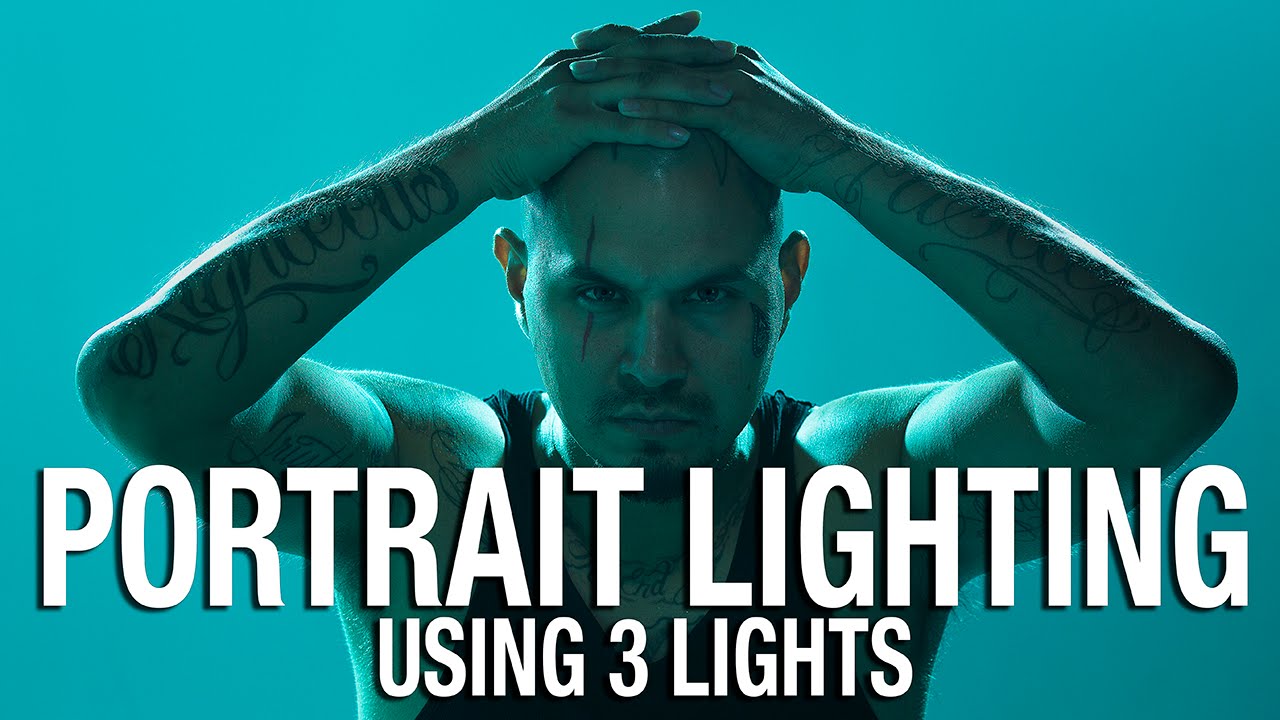
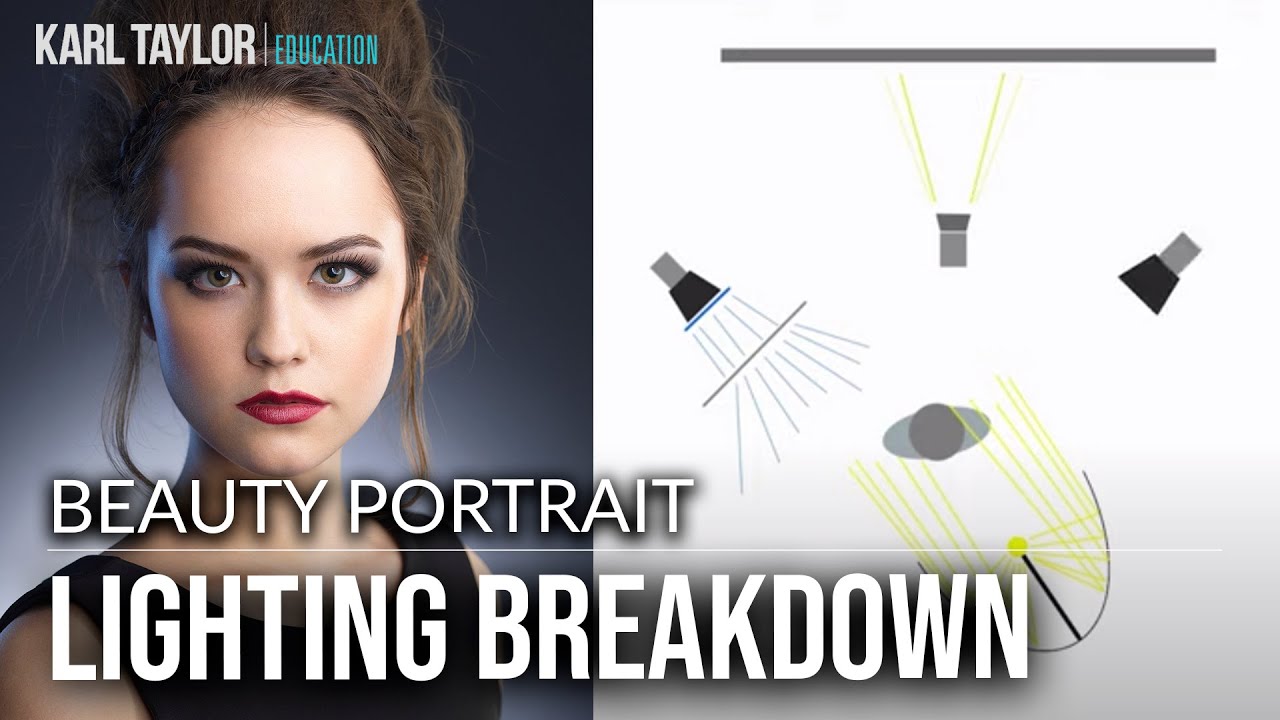
I’ve spent twenty years in studios lit by everything from tungsten to strobes, and I can tell you this: low key lighting is the discipline that exposes your technical weaknesses faster than any other setup. It demands precision where other styles forgive sloppiness. This is exactly why you should master it. Low key lighting isn’t about making things dark. That’s a dangerous misconception. It’s about controlling the ratio between your key light and fill, creating deliberate shadows that sculpt the subject rather than illuminate it equally.

Best Lighting Gear for Portrait Photography in 2026

Best Lighting Gear for Portrait Photography in 2026

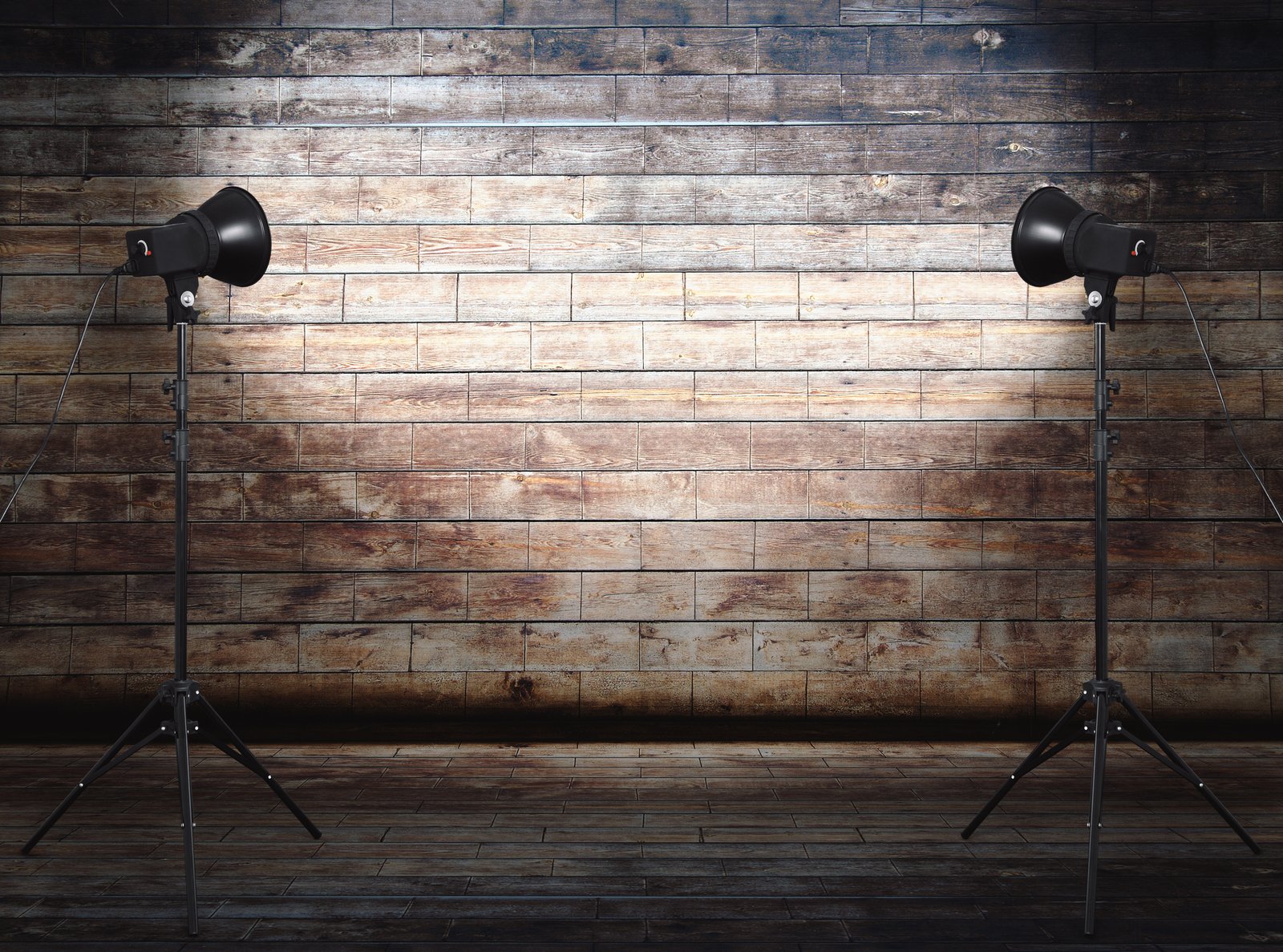
Best Lighting Gear for Portrait Photography in 2026 I’ve been shooting portraits for twenty years, and I can tell you this with absolute certainty: your lighting setup determines everything. The lens matters. The camera matters. But lighting? Lighting is the difference between a snapshot and a portrait worth framing. The problem is that portrait photographers face a choice: go with continuous light for its simplicity and what-you-see-is-what-you-get predictability, or embrace flash for its power and versatility.