How to Build a Three-Light Superhero Setup with Cookie Effects and Smoke — A Working Breakdown

How to Build a Three-Light Superhero Setup with Cookie Effects and Smoke — A Working Breakdown

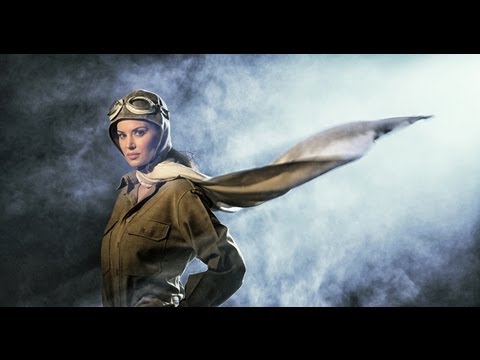
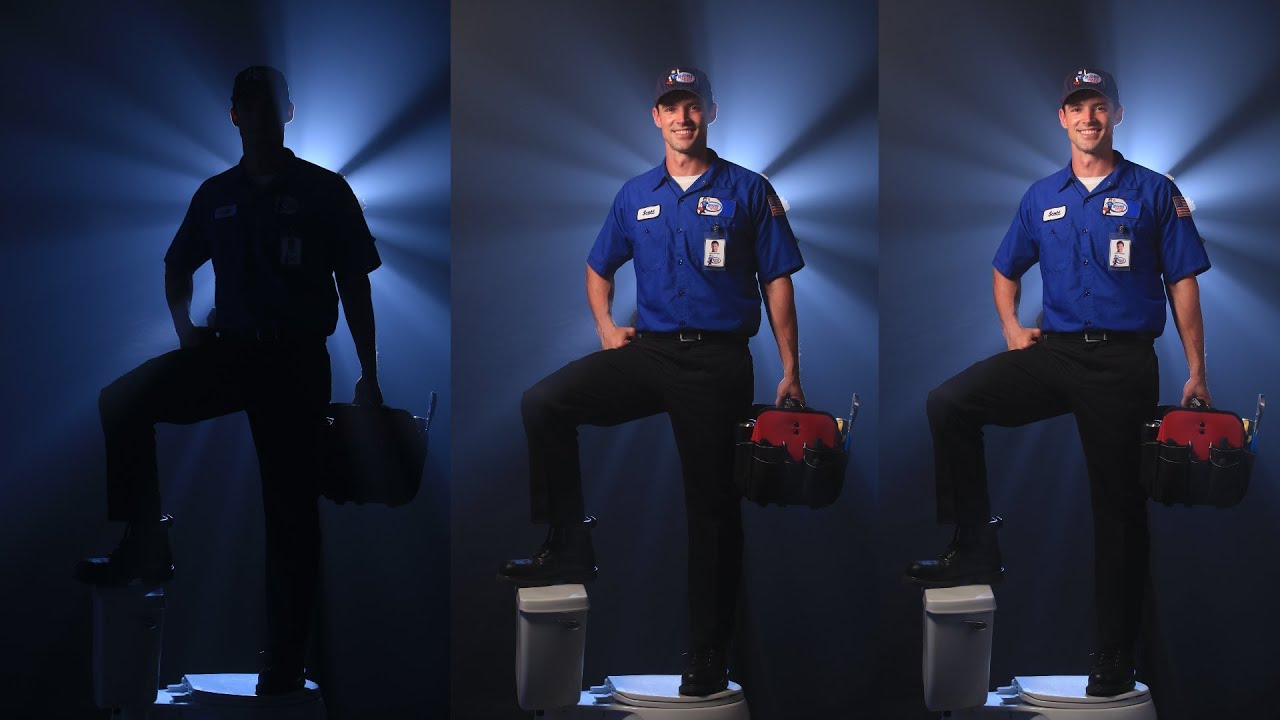
There’s a category of commercial photography problem that I call the “button shot” problem. The client needs a punchy, cinematic closing image, something that reads instantly as heroic or dramatic, and they need it built inside a studio with a modest rig. No motion picture budget, no art department, just you and your lights and whatever foam core you can find. These are exactly the shots that separate photographers who understand light from photographers who just point it.
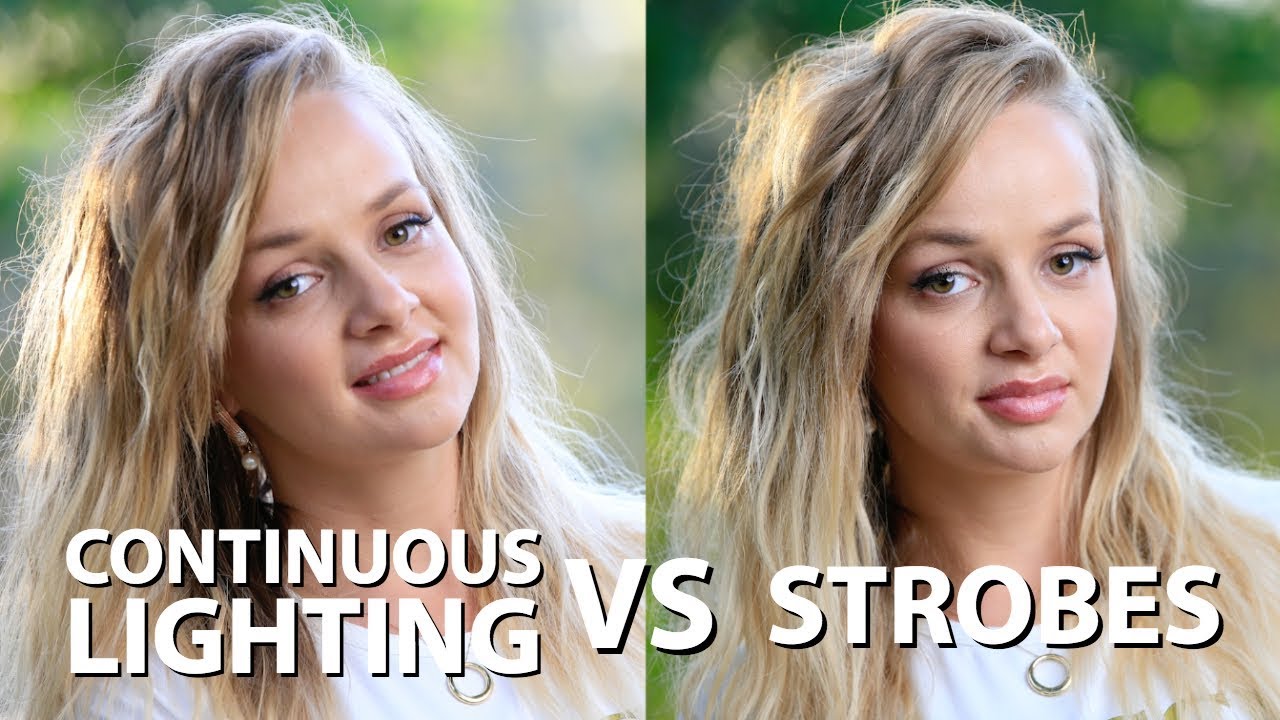
Continuous Lights vs. Strobes: A Studio Shooter's Honest Take on Choosing Sides

Continuous Lights vs. Strobes: A Studio Shooter's Honest Take on Choosing Sides

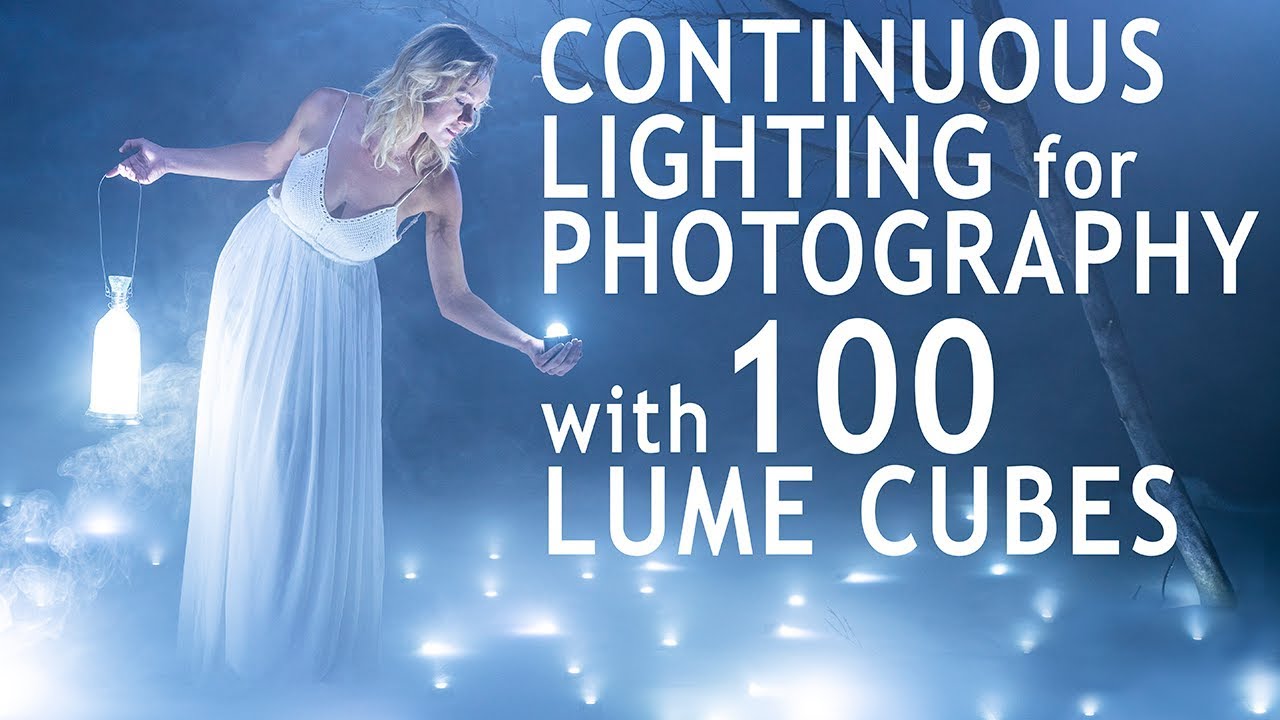
Every photographer working in a studio eventually hits the same wall: someone asks whether they shoot with continuous lights or strobes, and suddenly the conversation turns into a loyalty test. I’ve been on both sides of that conversation for years. I shoot commercial and editorial work out of Los Angeles, and the honest answer is that the question itself is often the wrong one. The better question is what you’re trying to accomplish on a given shoot, and whether your light source actually serves that goal.

The Great Lighting Debate: Flash and Continuous Light Produce Nearly Identical Results—So Why Do Photographers Keep Arguing?

The Great Lighting Debate: Flash and Continuous Light Produce Nearly Identical Results—So Why Do Photographers Keep Arguing?

The Great Lighting Debate: Flash and Continuous Light Produce Nearly Identical Results—So Why Do Photographers Keep Arguing? I’ve watched this conversation play out in workshops, online forums, and studio critiques for years. Photographers ask the same question repeatedly: which is better for portraiture—flash or continuous light? The honest answer is frustratingly complex because it depends entirely on what you’re trying to accomplish. Here’s what I’ve observed through my own practice: the final image quality between these two approaches sits somewhere on a spectrum.

How to Light a Large-Scale Studio Set with Continuous LEDs (And Why the Ratios Matter More Than the Gear)

How to Light a Large-Scale Studio Set with Continuous LEDs (And Why the Ratios Matter More Than the Gear)

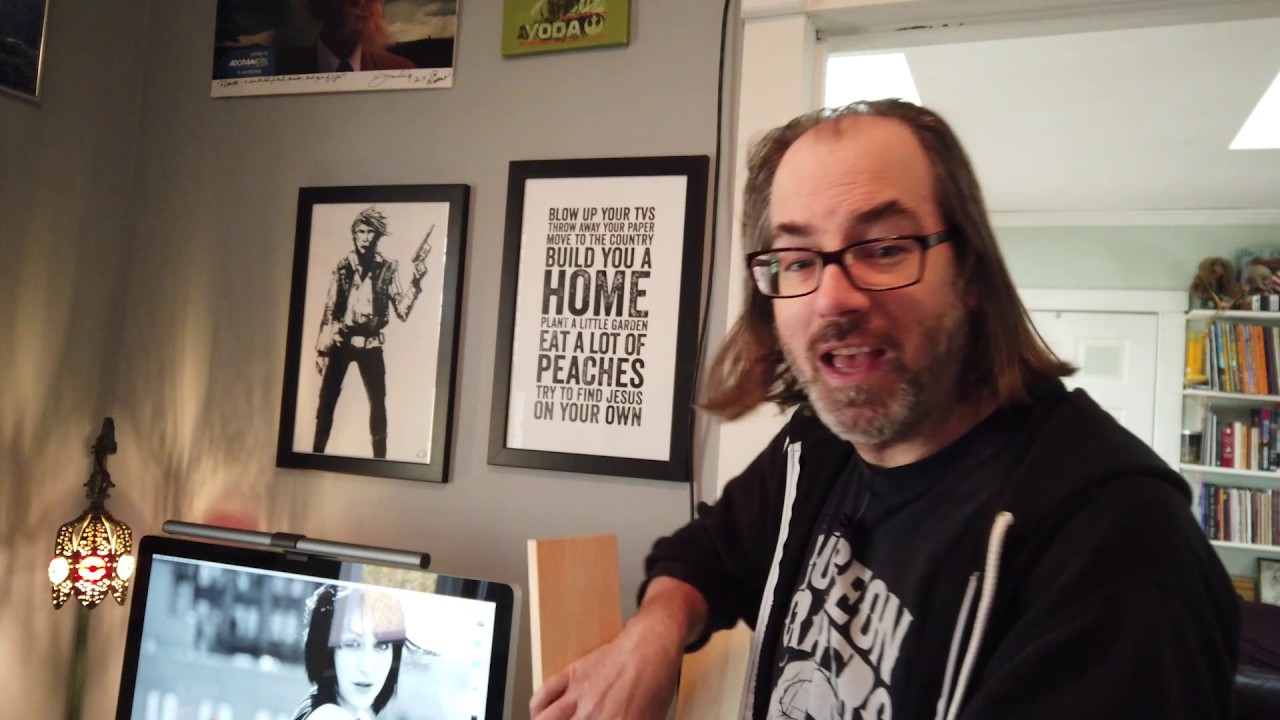
I keep a lighting journal. Every setup I shoot, I sketch it out afterward - key light position, modifier choice, distance, the ratio between key and rim. It started as a habit after I nearly tanked a fashion editorial early in my career by mixing daylight-balanced strobes with tungsten practicals and never checking my color temperature against the camera. The journal keeps me honest. So when I sat down with Watch the full tutorial on YouTube this tutorial from JP Morgan at The Slanted Lens, I had my phone out with my lighting diagram app open before he got to the first setup.

Two Hot Lights, One Compelling Portrait: What This Continuous Lighting Setup Actually Teaches You

Two Hot Lights, One Compelling Portrait: What This Continuous Lighting Setup Actually Teaches You

Continuous lighting used to be a compromise I made reluctantly. Strobes were precise, repeatable, and fast. Hot lights felt like a workaround for filmmakers who hadn’t fully committed to either medium. Then I started getting more hybrid jobs, clients who wanted a behind-the-scenes reel alongside the stills, and my entire attitude shifted. You can’t fire a strobe at 24 frames per second. Continuous light, once you understand how to manage it, stops being a limitation and starts being a genuinely elegant solution.

White on White Without Losing Your Mind: LED Packshot Lighting That Actually Works

White on White Without Losing Your Mind: LED Packshot Lighting That Actually Works

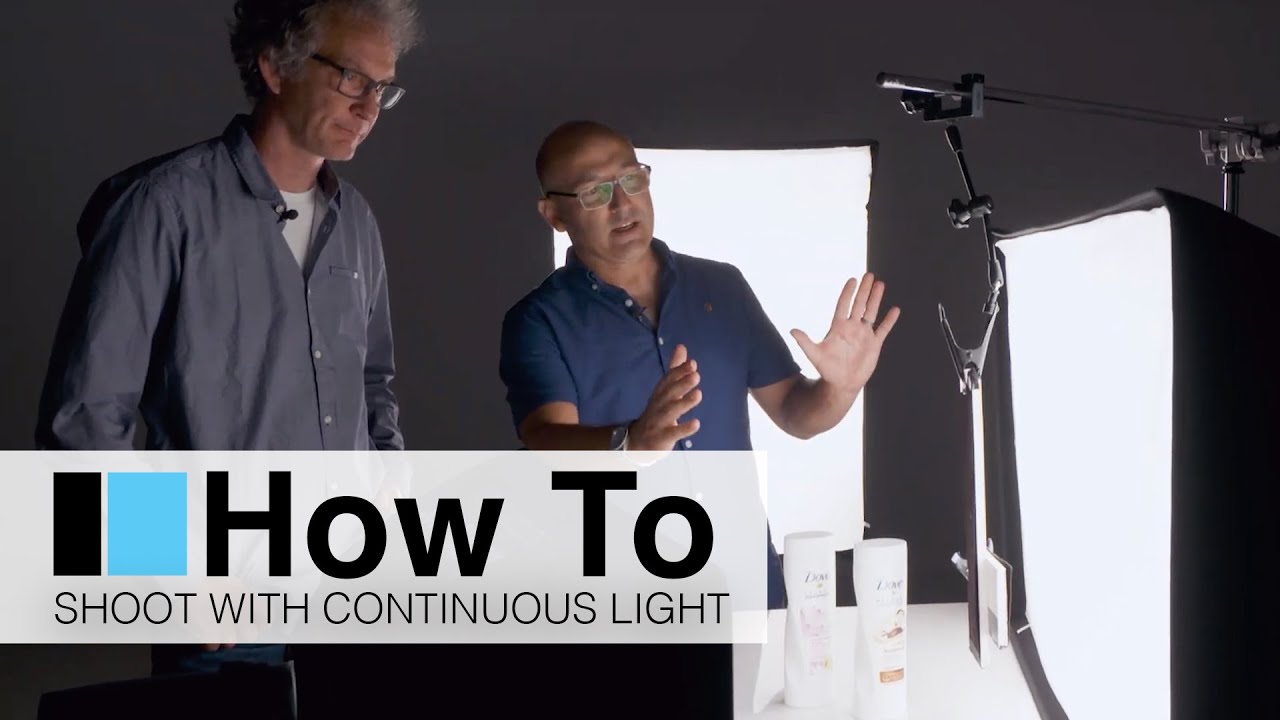
White products on white backgrounds. If you shoot e-commerce or commercial product work with any regularity, that sentence probably makes your eye twitch a little. It’s the kind of brief that sounds straightforward until you’re forty-five minutes into a shoot and your white bottle has completely dissolved into your white background. The edges are gone, the label looks flat, and the client is waiting. I’ve been working through a lot of the broncolor LED material lately because I’ve been fielding more requests from smaller e-commerce clients who also want short video clips alongside their stills.

Clamshell Lighting With Continuous LEDs: The Cleanest Headshot Setup I've Seen in Years

Clamshell Lighting With Continuous LEDs: The Cleanest Headshot Setup I've Seen in Years

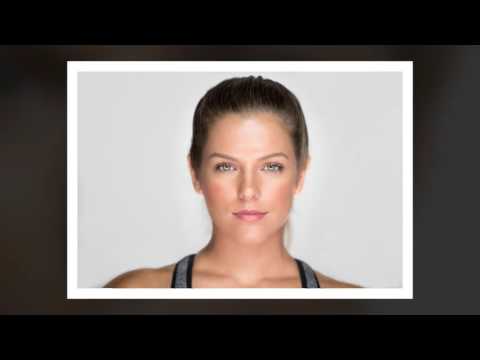
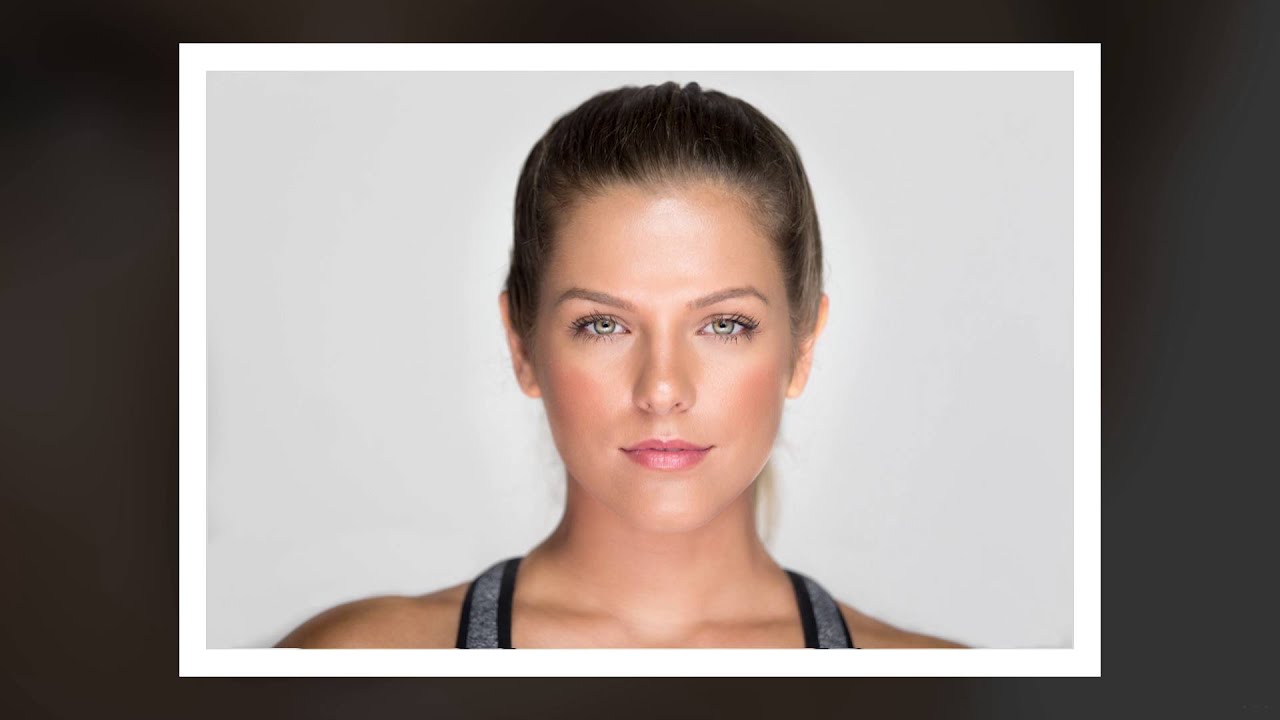
Client headshots are where I lose photographers the most. They overcomplicate the setup, add modifiers they don’t fully understand, and end up with light that looks busy and unflattering. The fix is almost always simpler than they expect. I keep a lighting journal where I sketch every setup from every shoot, and the one I drew after watching this tutorial went straight to the front of the “reach for this first” section.

Permanent Light, Zero Setup: How to Build a Dedicated Streaming and Video Conferencing Rig

Permanent Light, Zero Setup: How to Build a Dedicated Streaming and Video Conferencing Rig

There is a particular kind of frustration that builds slowly. You know exactly what good light looks like. You can sculpt it on a model in under ten minutes in your studio. But every time you sit down to stream, record a video call, or do a talking-head segment for a client, you spend the first twenty minutes dragging a C-stand into position, adjusting a boom arm, and second-guessing a softbox placement you already figured out three weeks ago.

Clamshell Lighting Made Simple: How to Build a Flattering Portrait Setup with Continuous Lights

Clamshell Lighting Made Simple: How to Build a Flattering Portrait Setup with Continuous Lights

Most of the lighting problems I see photographers struggle with in the studio come down to one thing: overcomplicating the setup before they understand what a single, well-placed light actually does. I’ve been guilty of this myself. Early in my career I’d show up to a beauty shoot with four lights rigged before my subject even walked in, and half of them were fighting each other. The sessions that taught me the most were the stripped-down ones, the ones where I was forced to work with less and pay attention to what the light was actually doing to the face in front of me.

How I Set Up a Glamour Portrait Studio Session (And What I Learned from Tony Northrup's Shoot)

How I Set Up a Glamour Portrait Studio Session (And What I Learned from Tony Northrup's Shoot)

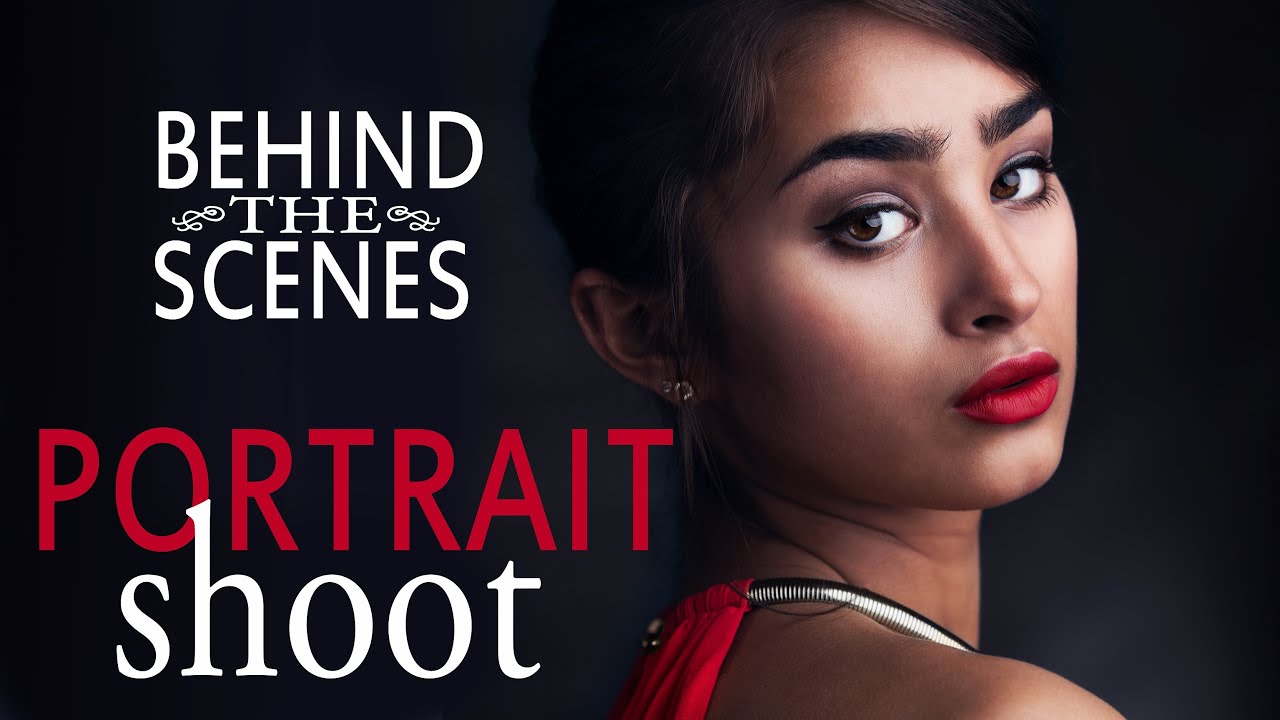
Every studio photographer eventually faces the same problem: too many moving pieces arriving at the same time. The model shows up, the makeup artist is still packing her kit, and you’re standing there trying to swap out a modifier while everyone watches. I’ve been there more than once in my early years, and it cost me momentum on shoots where momentum was everything. That’s why I keep coming back to tutorials that treat production logistics as seriously as they treat f-stops.