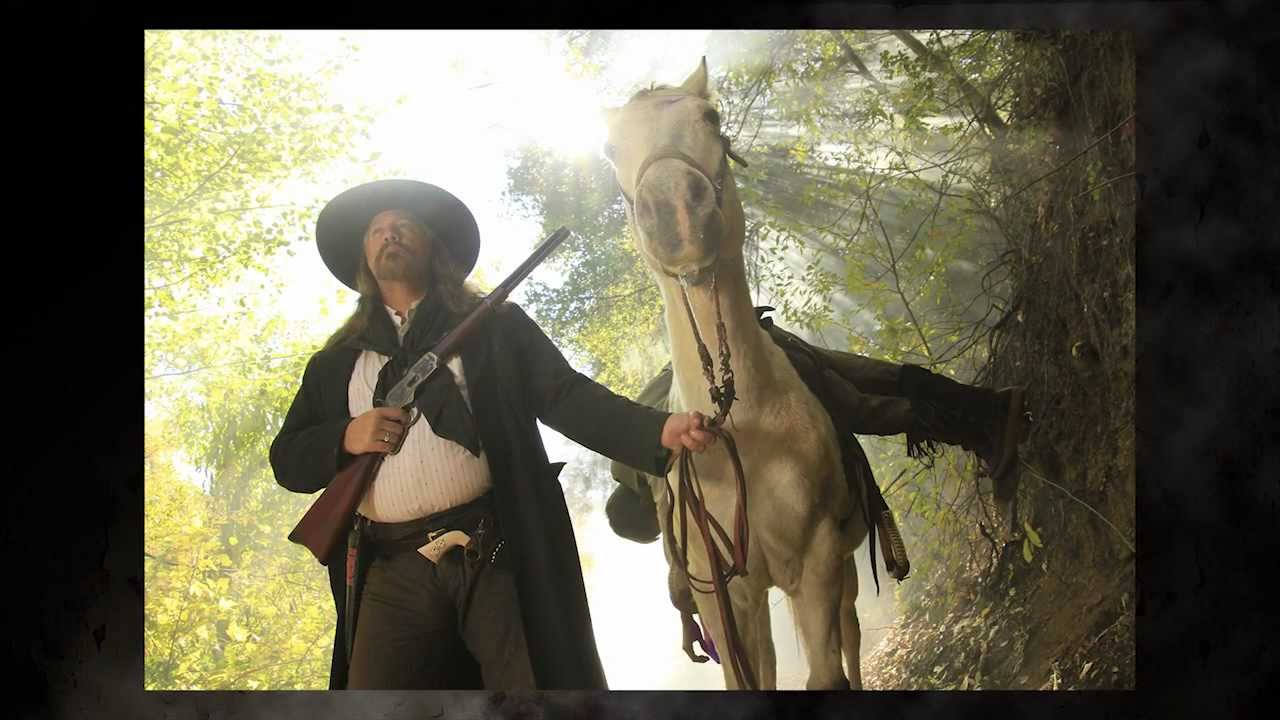
How to Build a Cinematic Jungle Scene with Smoke, Dry Ice, and Five Lights

How to Build a Cinematic Jungle Scene with Smoke, Dry Ice, and Five Lights

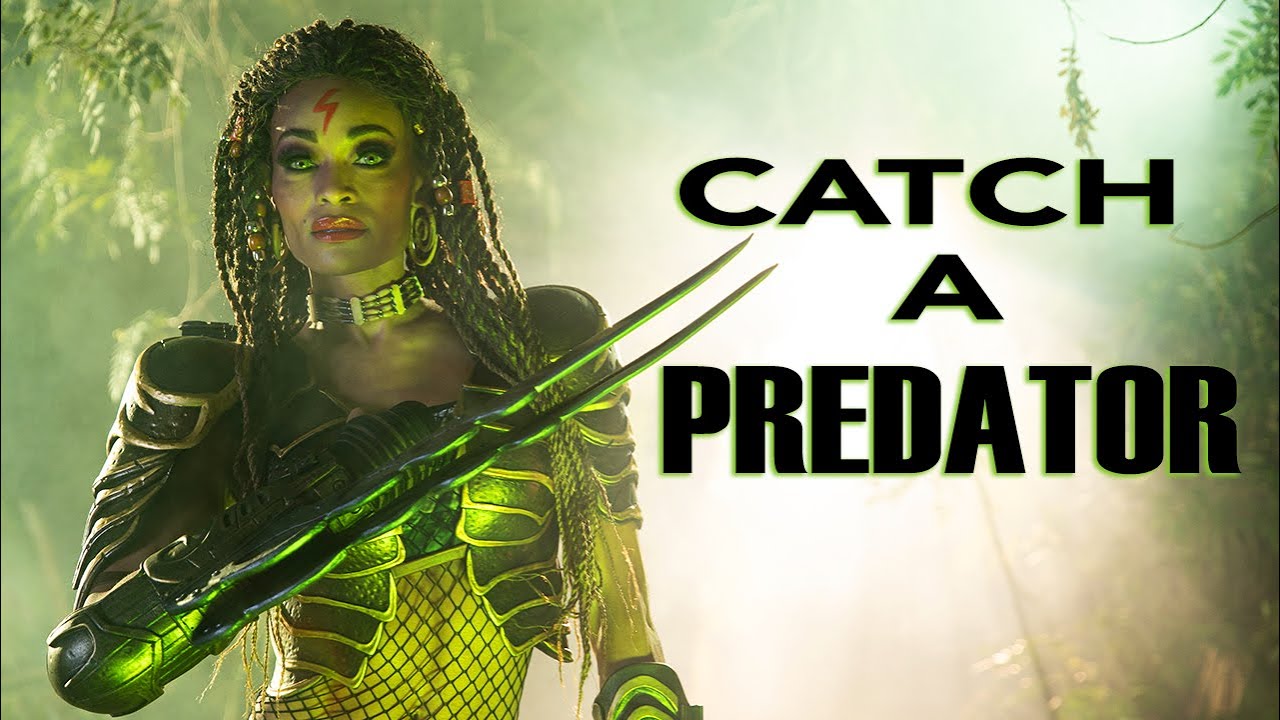
Smoke is the thing that separates a dramatic image from a genuinely cinematic one, and it is also the thing most likely to ruin your shoot if you do not understand how light interacts with it. I have been in that position more times than I want to count - pumping smoke into a set, firing a strobe, and watching the entire foreground turn into a glowing white wall. The light was hitting the smoke head-on and blowing it out completely.
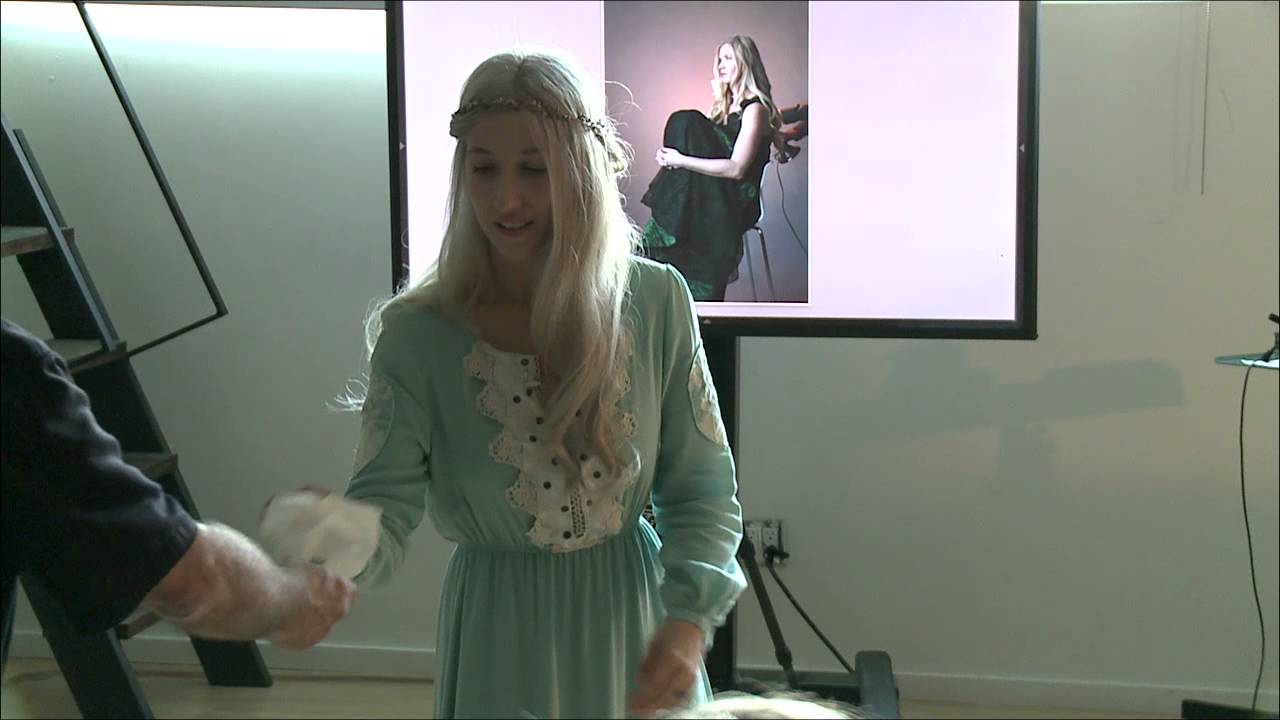
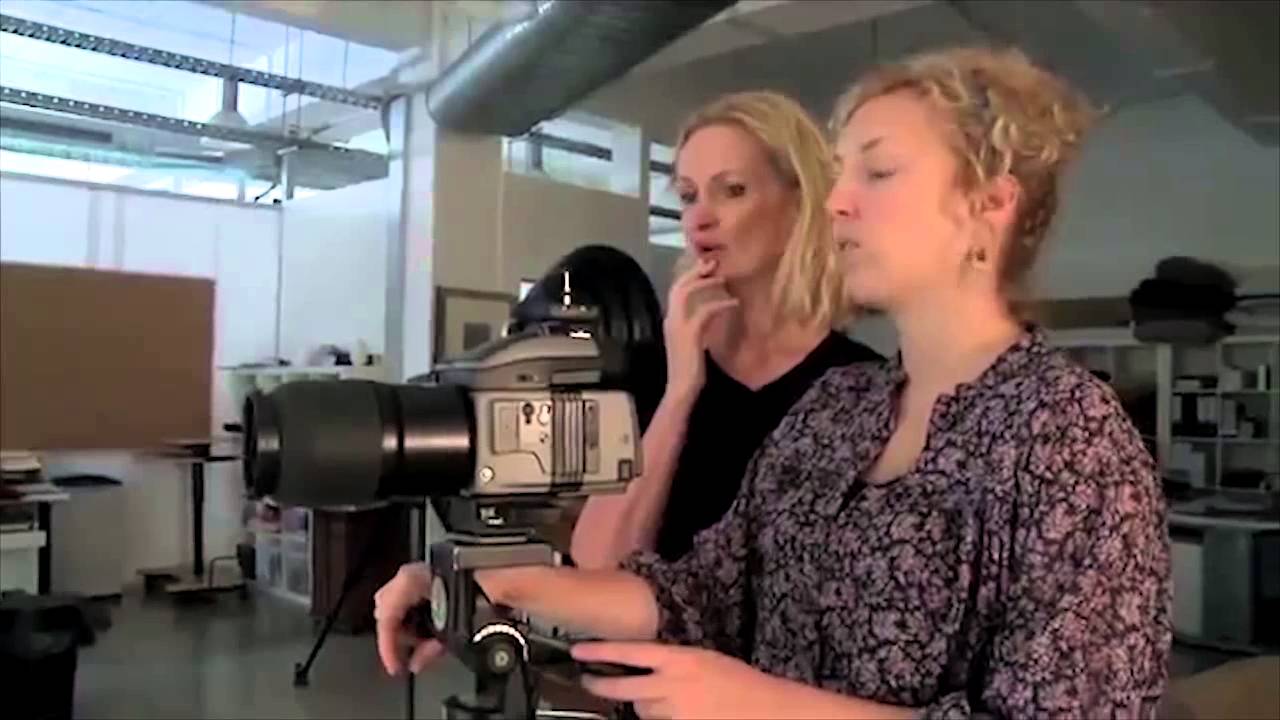
Cheap Light, Real Results: What Brooke Shaden's Low-Tech Studio Setup Taught Me About Improvising With What You Have

Cheap Light, Real Results: What Brooke Shaden's Low-Tech Studio Setup Taught Me About Improvising With What You Have

There’s a kind of arrogance that creeps into studio photography over time. You accumulate gear, you build preferences, and eventually you start to believe that the quality of your light is a direct function of how much money you spent on it. I’ve been guilty of this. My studio in Los Angeles has a wall of modifiers, and I’ve labeled every one of them with masking tape because I’m that person.

What Anne Geddes Actually Does in the Studio (And What Working Photographers Can Steal From It)

What Anne Geddes Actually Does in the Studio (And What Working Photographers Can Steal From It)

There’s a particular kind of photographer I pay close attention to: the ones who built their entire visual language from scratch, without a formal framework to lean on. Anne Geddes is exactly that. Self-taught, starting at 25, working out of a converted bedroom in Australia before she ever had a proper studio, she developed one of the most recognizable bodies of work in photography history. When CreativeLive gave her a platform to open her studio doors, I watched the resulting tutorial more than once.

Using Smoke as a Lighting Tool: What I Learned From The Slanted Lens

Using Smoke as a Lighting Tool: What I Learned From The Slanted Lens

Smoke is one of those tools I kept seeing in other photographers’ work and assuming required either a massive production budget or a lucky day with natural fog. Neither is true. What it actually requires is a fog machine, a little DIY ducting, and a clear understanding of where your light needs to be relative to the smoke. I’ve sketched more than a few smoke setups in my lighting journal over the years, but I never felt like I had a reliable, repeatable system until I watched JP Morgan work through the problem on camera.

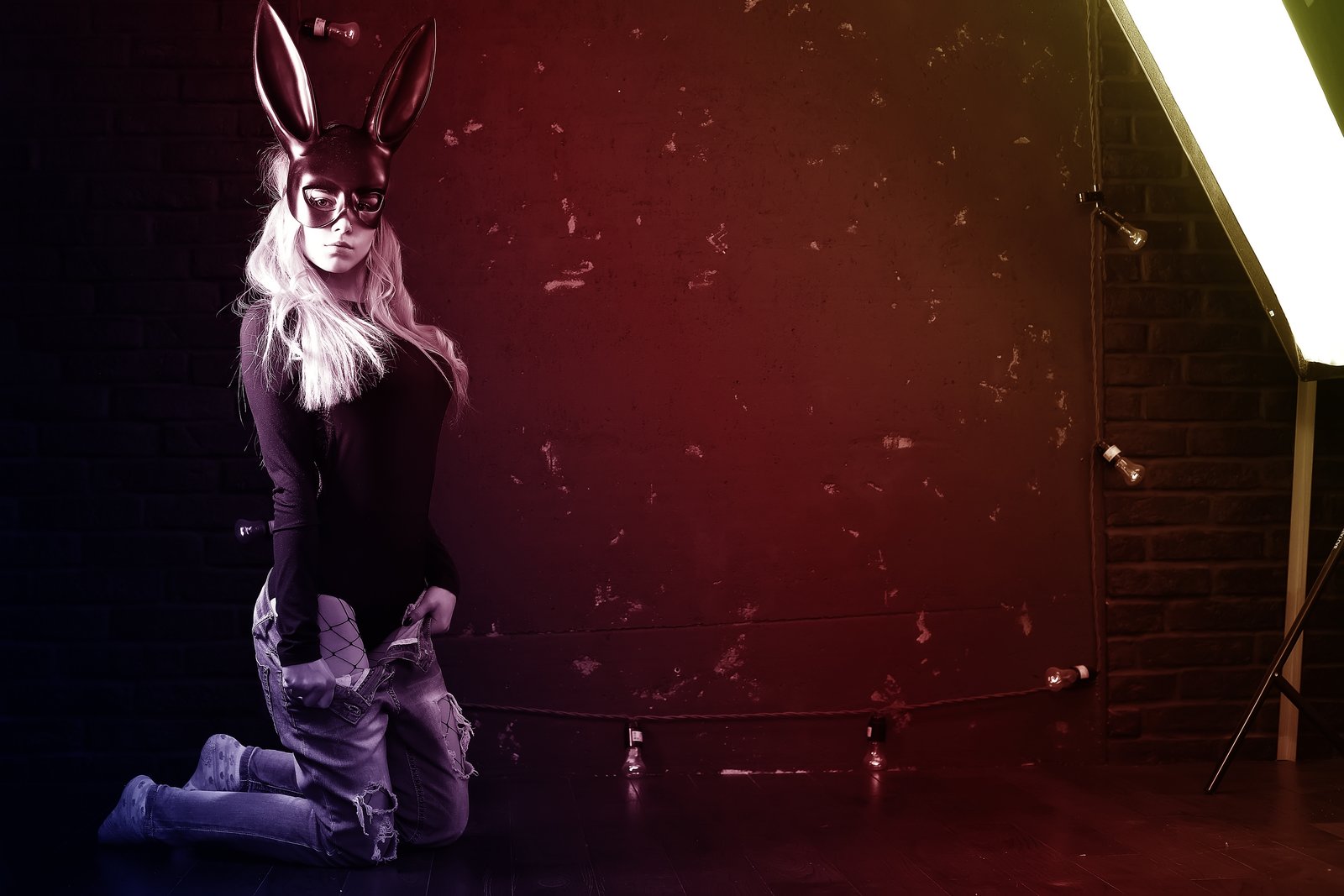
Stop Shooting Naked Strobes: How Creative Gels Actually Work (And Why Most Photographers Use Them Wrong)

Stop Shooting Naked Strobes: How Creative Gels Actually Work (And Why Most Photographers Use Them Wrong)

I keep a lighting journal. Every setup from every shoot gets a rough sketch with annotated distances, power settings, and modifier choices. I started it years ago after a disastrous editorial job where my background light was running 400K warmer than my key, and I didn’t catch it until the files hit my screen at 11pm. The client noticed before I could fix it in post. That journal now has over two hundred entries, and I’d say at least sixty of them involve gels in some form.

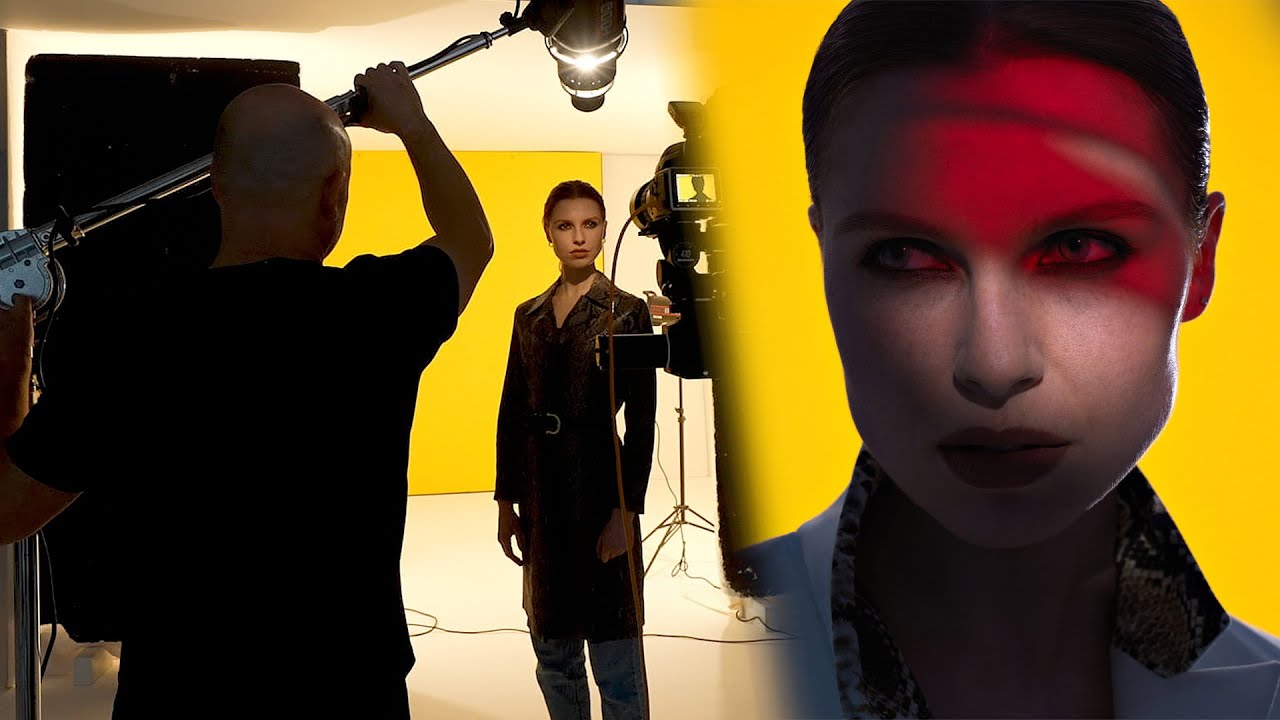
How Karl Taylor Builds a Portrait From Nothing: V-Flats, Bare Bulbs, and a Wine Rack

How Karl Taylor Builds a Portrait From Nothing: V-Flats, Bare Bulbs, and a Wine Rack

Every few months I’ll be mid-prep on an editorial shoot and realize the background problem is going to eat my whole morning. Seamless paper with uneven tension reads as dark bands under direct light. A plain wall works until you try to make it feel like something. I’ve jury-rigged solutions for years, sketching them into my lighting journal after the fact and vowing to refine the approach next time. So when I came across Karl Taylor’s step-by-step portrait breakdown from Visual Education, I stopped what I was doing and watched it twice.

Beyond Warm and Cool: How Creative Gels Can Completely Rewire Your Studio Lighting

Beyond Warm and Cool: How Creative Gels Can Completely Rewire Your Studio Lighting

I keep a lighting journal. Every shoot gets a sketch: modifier positions, power ratios, distances, and yes, gel colors. I started doing it after a bad experience early in my career where I mixed a 1/2 CTO on my key with an ungelled background light and wondered for three days why my subject’s skin looked like uncooked salmon in every frame. The culprit was obvious in retrospect. At the time, I had no system.

Beyond Daylight: How I Use Creative Gels to Build Color Into a Shot From the Start

Beyond Daylight: How I Use Creative Gels to Build Color Into a Shot From the Start

I ruined my first major editorial shoot with color temperature. Not gels, not bad ratios, just the fact that I had two light sources on a model’s face that were about 800 Kelvin apart and I had no idea. One was a tungsten practical in the background, one was a strobe key. The images came back with this muddy, indeterminate skin tone that no amount of color grading could salvage. The art director never said anything, but I didn’t get another call from that publication for two years.

Stop Shooting with White Light: How Creative Gels Can Transform Your Studio Work

Stop Shooting with White Light: How Creative Gels Can Transform Your Studio Work

The Shot That Made Me Take Gels Seriously I was three hours into a beauty editorial when the creative director leaned over my shoulder and said, “It’s technically perfect and completely boring.” She wasn’t wrong. Every light was dialed in, ratios were clean, skin tones were accurate. And the image looked like a catalog photo for a brand nobody cared about. We ended up throwing a quarter-cut CTO on the hair light and a pale lavender gel on the background, and the next frame we shot was the one that ran as the opener.

Color Gels: Adding Creative Color to Your Portraits

Color Gels: Adding Creative Color to Your Portraits

Color gels transform white flash into colored light, opening a world of creative possibilities that neutral lighting can’t touch. From subtle color accents to full neon-drenched portraits, gels give you control over the color of light itself — not just what you can adjust in post-processing. Gels Basics Gels are thin sheets of colored transparent material (traditionally theatrical lighting gel) placed in front of a light source. They filter out certain wavelengths, transmitting only the desired color.