The Five Portrait Lighting Positions Every Studio Photographer Needs to Master

The Five Portrait Lighting Positions Every Studio Photographer Needs to Master

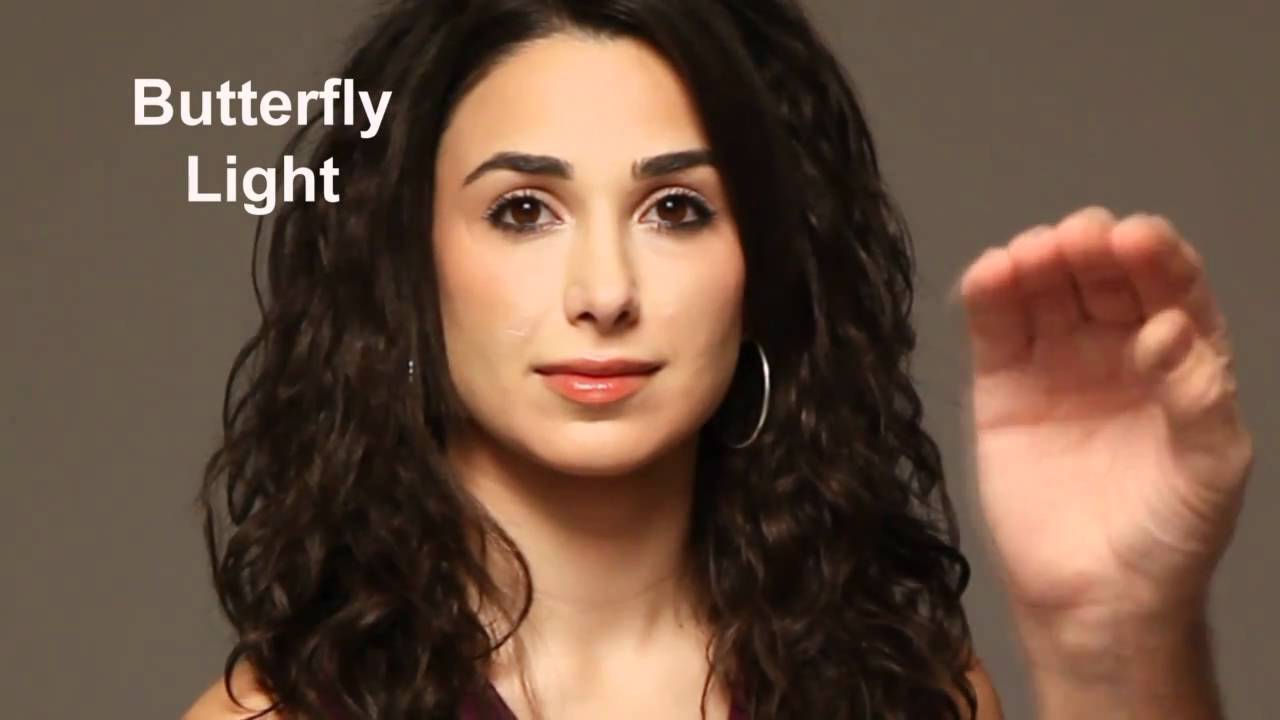
There’s a question I get from almost every photographer who steps into my studio for the first time: “How do you know where to put the light?” My honest answer is that I spent years building a mental map of five core positions, and I drill them every time I work with a new modifier or a new subject. Once those five positions are in your hands, everything else in portrait lighting becomes a variation on a theme.
Faking the Sun: Three Studio Setups That Actually Convince

Faking the Sun: Three Studio Setups That Actually Convince

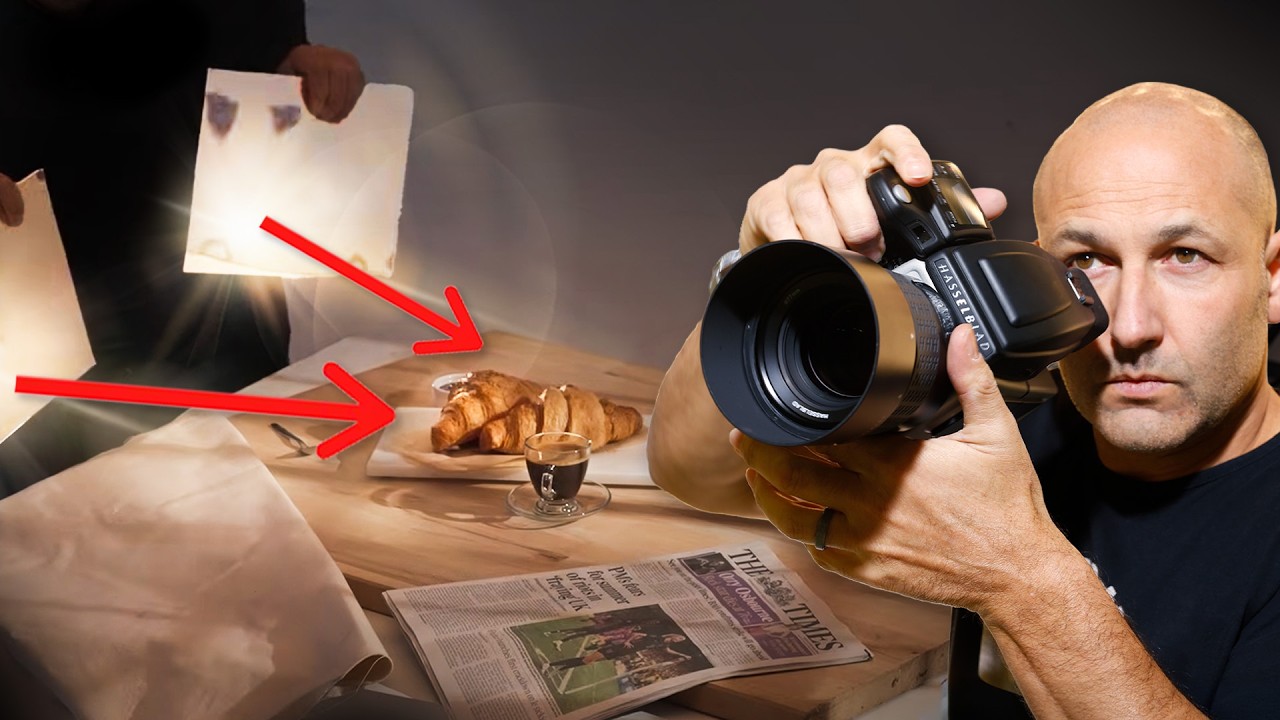
Every studio photographer eventually gets the brief that reads something like “warm, early morning, light pouring through the window.” The client has a mood board full of golden hour frames shot on location, and your job is to deliver that in a controlled environment on a Tuesday. I’ve been chasing convincing artificial sunlight for most of my commercial career, and I’ll tell you straight: most attempts fail the same way. They’re either too flat, too theatrical, or they nail the highlight but leave shadows so dense the whole scene collapses.

5 Cinematic RGB Lighting Setups You Can Build Today (And the Color Science Behind Them)

5 Cinematic RGB Lighting Setups You Can Build Today (And the Color Science Behind Them)

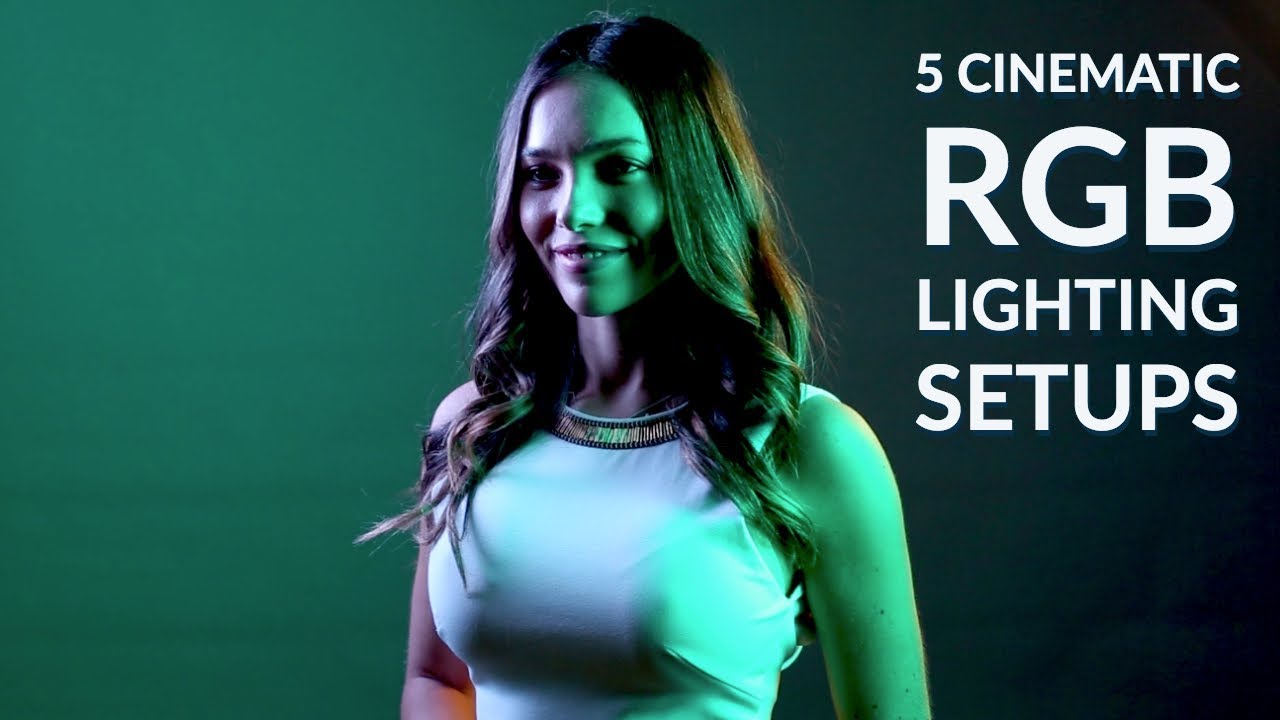
There’s a problem I run into on nearly every fashion or beauty shoot where the client wants “something moody, something cinematic” but the brief stops there. They want deep, saturated color. They want the frame to feel like a still from a film. And for years, that meant packing an entire pelican case full of gels, clipping them to lights in the dark, and hoping the color read the way I imagined it would.

Why I've Kept a Lighting Diagram for Every Single Shoot - And Why You Should Too

Why I've Kept a Lighting Diagram for Every Single Shoot - And Why You Should Too

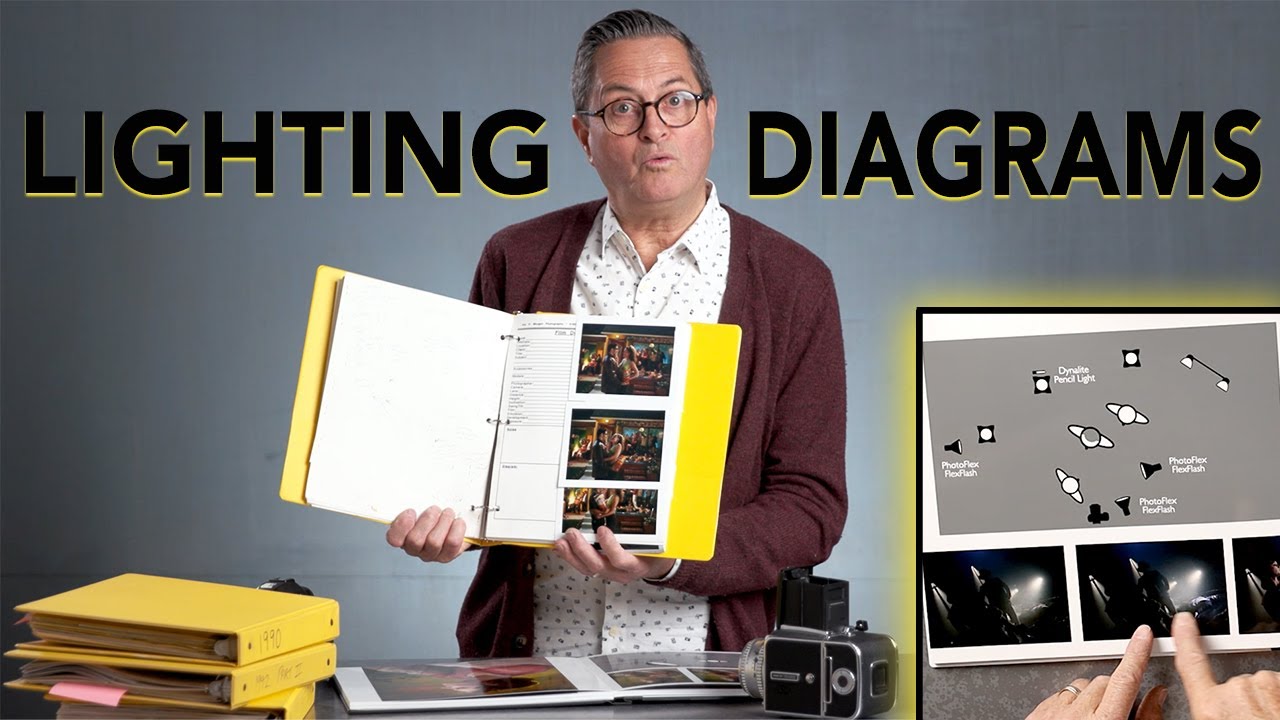
There’s a particular kind of frustration that comes from recreating a setup you know you’ve nailed before - but can’t quite remember how. I’ve stood in my studio staring at a photograph I made two years ago, genuinely unable to reverse-engineer my own work. What modifier was that? Where exactly was the key in relation to the subject? What was the ratio? I’ve lost more time to that guessing game than I care to admit.

4 Lighting Setups, One Battery-Powered Head: What Karl Taylor's Studio Day Actually Teaches You

4 Lighting Setups, One Battery-Powered Head: What Karl Taylor's Studio Day Actually Teaches You

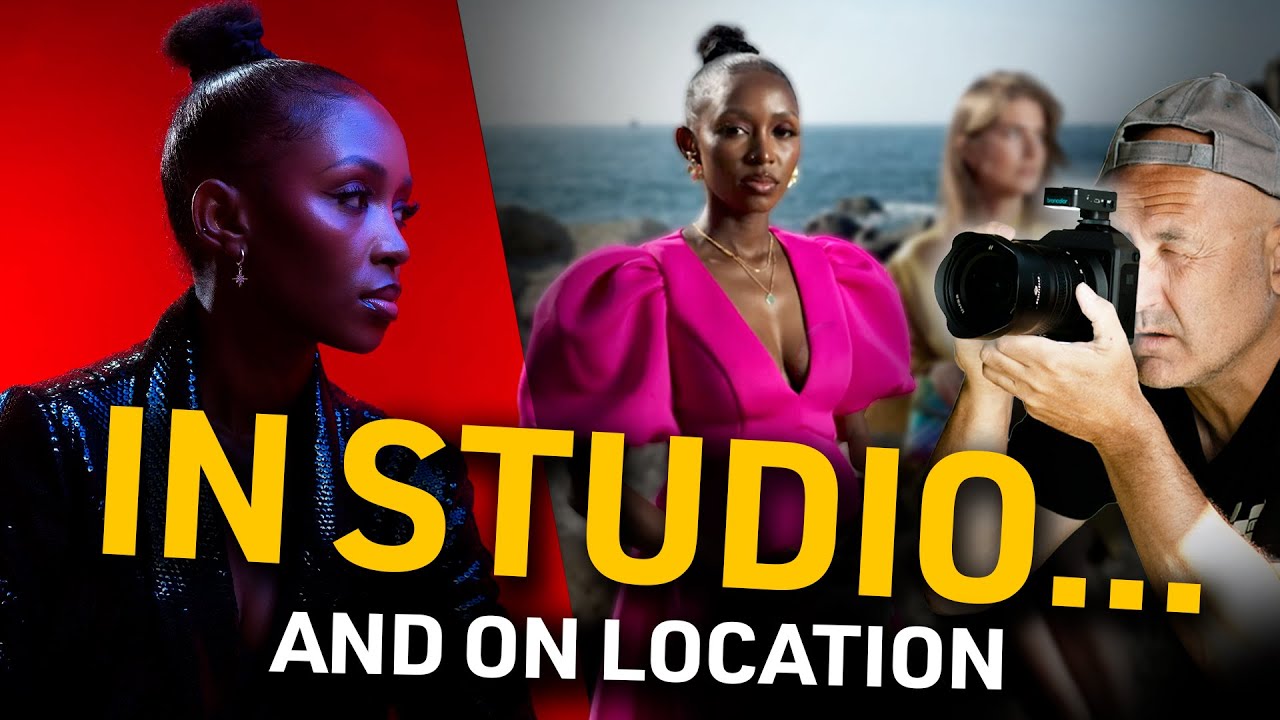
There’s a question I get from clients more than any other: “Can we do it outside?” And my honest answer used to be “it depends on what we’re fighting.” Direct sun creates shadows I can’t fill without a generator and a grip truck. Flat overcast light kills the drama I need for editorial work. For years, location portraiture felt like a compromise between what the light was doing and what I needed it to do.

Two People, One Light: How to Apply the 5 Portrait Lighting Positions to Couples

Two People, One Light: How to Apply the 5 Portrait Lighting Positions to Couples

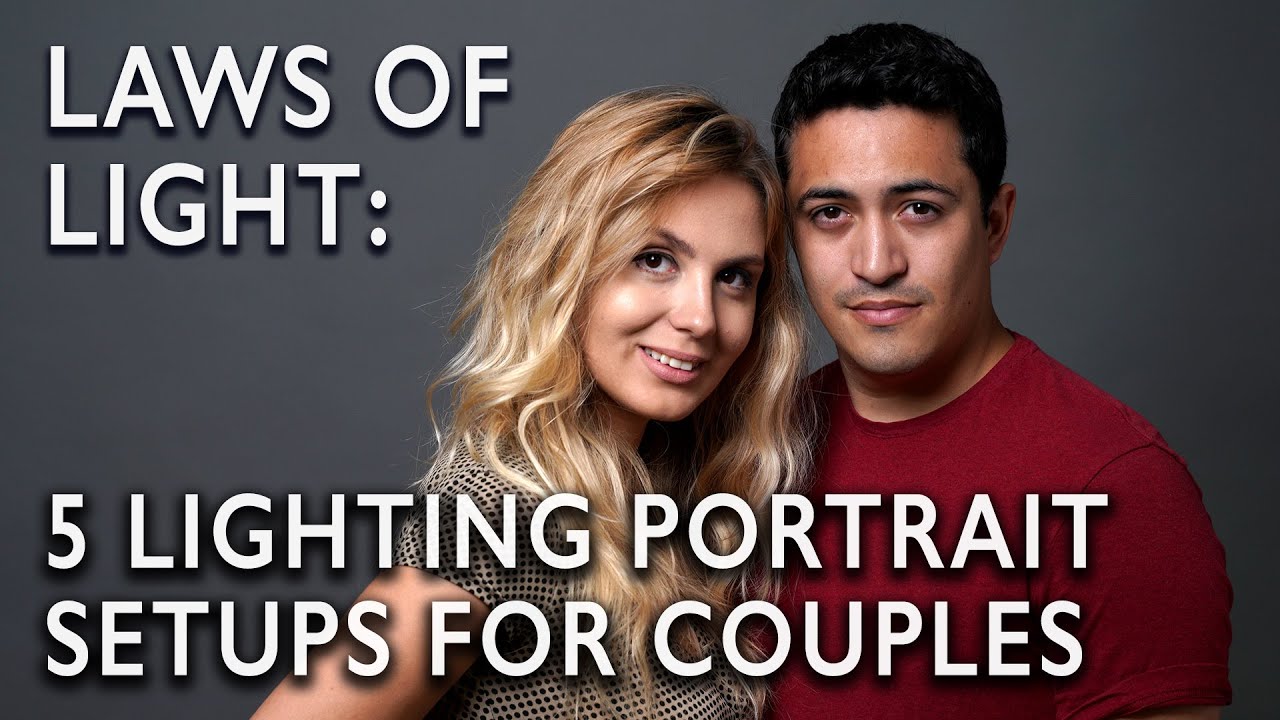
Lighting two people in the same frame is, in my experience, one of the most deceptively difficult things you can do in a studio. Singles are straightforward. Groups of three or five give you natural triangular composition to lean on. Two people sit right in the awkward middle: they fight for visual dominance, their heads rotate independently, and the same key light that sculpts one face beautifully can flatten or blow out the other.

One Light, One Umbrella, Zero Excuses: Breaking Down a Pro Studio Lighting Setup

One Light, One Umbrella, Zero Excuses: Breaking Down a Pro Studio Lighting Setup

Every corporate headshot season, I watch photographers overcomplicate what should be a straightforward problem. They stack modifiers, add fill cards, chase catchlights with a second strobe, and end up with a lighting rig that takes forty minutes to build and still produces flat, unflattering results. The truth is that one well-placed light and the right modifier will outperform a four-light setup built without intention every single time. In this CreativeLive tutorial on basic studio lighting setups, the instructor walks through exactly that philosophy using a corporate subject in a suit, which is as real-world a scenario as studio photography gets.

One Light, Two Lights, Three Lights: What Jessica Kobeissi's Studio Setup Tutorial Actually Teaches You

One Light, Two Lights, Three Lights: What Jessica Kobeissi's Studio Setup Tutorial Actually Teaches You

Most photographers overcomplicate their first studio setup. They buy three lights before they understand one, then wonder why their images still look flat. I did the same thing early in my career, and I’ve watched a lot of new photographers make that same expensive mistake. What I appreciate about this Jessica Kobeissi tutorial, shot with photographer Jake Thomas, is that it does the opposite: it builds from a single light outward, showing you what each additional source actually contributes before you spend a dollar on it.

The 5 Portrait Lighting Positions Every Studio Photographer Must Own

The 5 Portrait Lighting Positions Every Studio Photographer Must Own

I keep a lighting journal. Every setup from every shoot gets a sketch, a note on the modifier, and a quick read on what worked and what didn’t. After years of filling those pages, I can tell you that nearly every diagram traces back to one of five foundational positions. Knowing them isn’t optional if you want to light with intention rather than accident. They are the grammar of portrait lighting, and without them you’re just guessing.