Why Your Subject Looks Flat: Posing as a Lighting Problem, Not a People Problem

Why Your Subject Looks Flat: Posing as a Lighting Problem, Not a People Problem

The Shoot That Made Me Rethink Everything I Knew About Posing I had a model in the studio last spring. Experienced, professional, genuinely beautiful. I had a Profoto B10 with a 3-foot Rotalux softbox camera left, a reflector camera right, and a clean gray backdrop. Textbook setup. I shot 200 frames and came back with almost nothing usable. The light was technically correct. The exposure was spot on. But she looked stiff, two-dimensional, like a cardboard cutout standing in front of a well-lit wall.
Why Your Subjects Look Stiff: The Posing Problem That Starts Before You Touch the Camera

Why Your Subjects Look Stiff: The Posing Problem That Starts Before You Touch the Camera

The Shot That Almost Wasted a Full Studio Day I had a corporate client fly in from New York for a half-day executive portrait session. The lighting was dialed in before they arrived: a 48-inch Octa as the key at roughly 45 degrees, a strip box camera-left for edge separation, a kicker behind the subject at about 1/8 power. Ratios were solid. The set looked great on the tethered monitor.

Two Lights, One Room: How to Pull Off a Clean Home Portrait With the Broncolor Siros Kit

Two Lights, One Room: How to Pull Off a Clean Home Portrait With the Broncolor Siros Kit

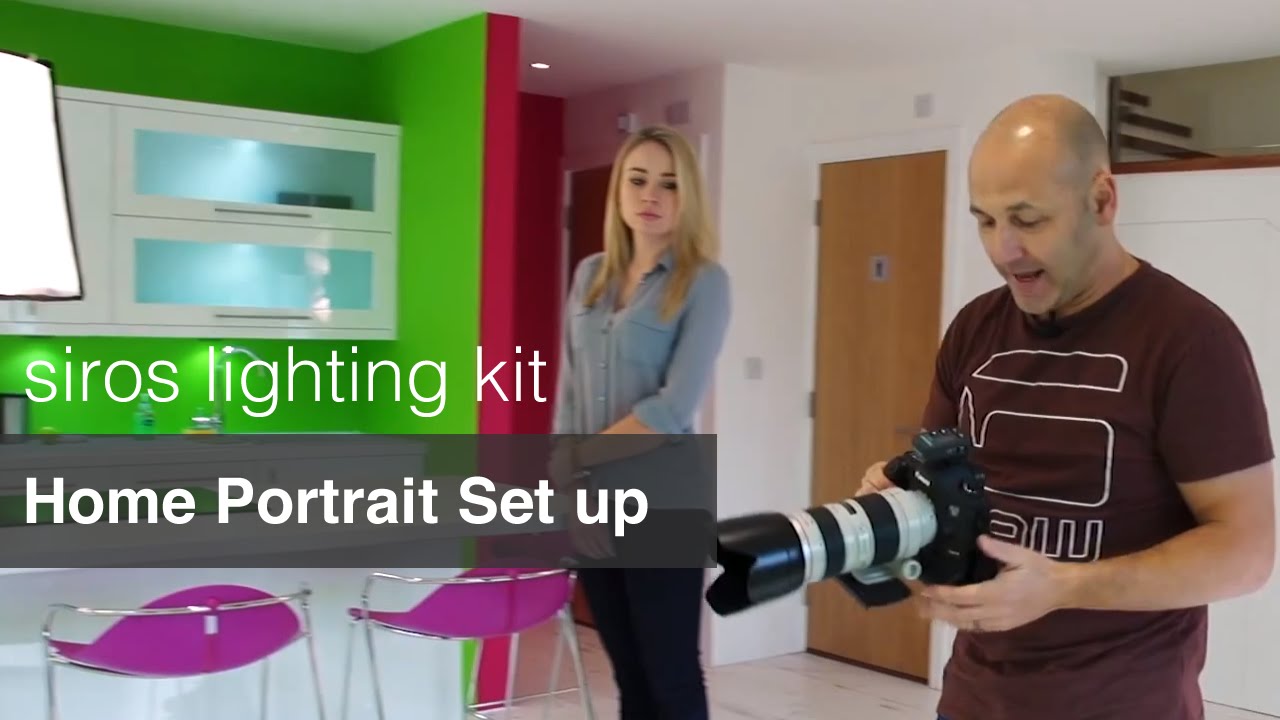
Most of my portrait work happens in a controlled environment where I can label every light, dial in every modifier, and sketch the setup in my lighting journal before the client walks through the door. But the jobs that actually test your knowledge are the ones that strip all of that away: a tight residential space, a minimal kit, and a subject in front of you. That’s the situation KL Taylor works through in this Visual Education tutorial on the Broncolor Siros lighting kit, and it’s one of the more practically useful demonstrations I’ve come across for photographers who need to produce polished portrait work outside a dedicated studio.

Inside a Working Portrait Studio: Gear, Lighting Logic, and the Lessons That Cost Money to Learn

Inside a Working Portrait Studio: Gear, Lighting Logic, and the Lessons That Cost Money to Learn

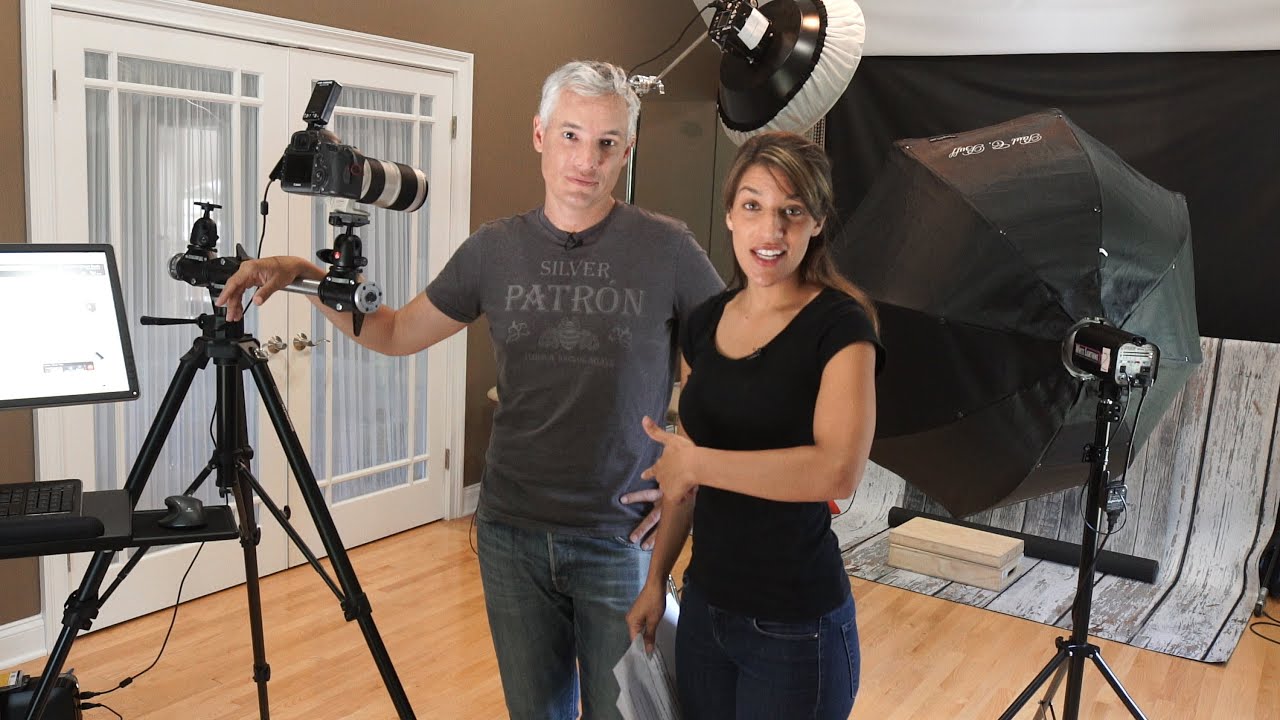
Every time I walk into my studio in Los Angeles, I spend the first ten minutes doing a checklist before a single client arrives. Sandbags on every stand. Numbers on every light. Tethering cable routed so nobody trips over it. It took me years to build that habit, and most of it came from mistakes that were embarrassing and expensive in equal measure. So when I came across Watch the full tutorial on YouTube - the Tony and Chelsea Northrup portrait studio tour - I recognized immediately that this was the kind of walkthrough I wish had existed when I was setting up my first real space.

Low Key Lighting: How to Build Shadows That Actually Do the Work

Low Key Lighting: How to Build Shadows That Actually Do the Work

The Shoot That Made Me Respect the Shadow A few years ago I was hired to photograph a series of executive portraits for a financial firm in downtown Los Angeles. The creative director had sent me a mood board full of low key reference images. Dark backgrounds, strong rim separation, faces carved out of shadow. I knew the look. I’d done it before. What I hadn’t done was test my new 47-inch parabolic against that specific background at that distance in that room.

Rim Lighting: The One Light That Separates Your Subject From Everything Else

Rim Lighting: The One Light That Separates Your Subject From Everything Else

When Your Subject Disappears Into the Background I had a corporate client a few years back, a tech company that wanted environmental portraits of their executive team against a dark charcoal backdrop. Clean, modern, serious. I had a beautiful key light dialed in, a 47-inch octabox at 45 degrees, proper exposure, great catchlights. The images looked competent. They did not look good. The executives were merging into the background. Not dramatically, not in a way that made the client throw the photos back at me, but enough that the images felt flat.

Beauty Dish, Fill Card, and the Posing Logic Behind a Powerful Headshot

Beauty Dish, Fill Card, and the Posing Logic Behind a Powerful Headshot

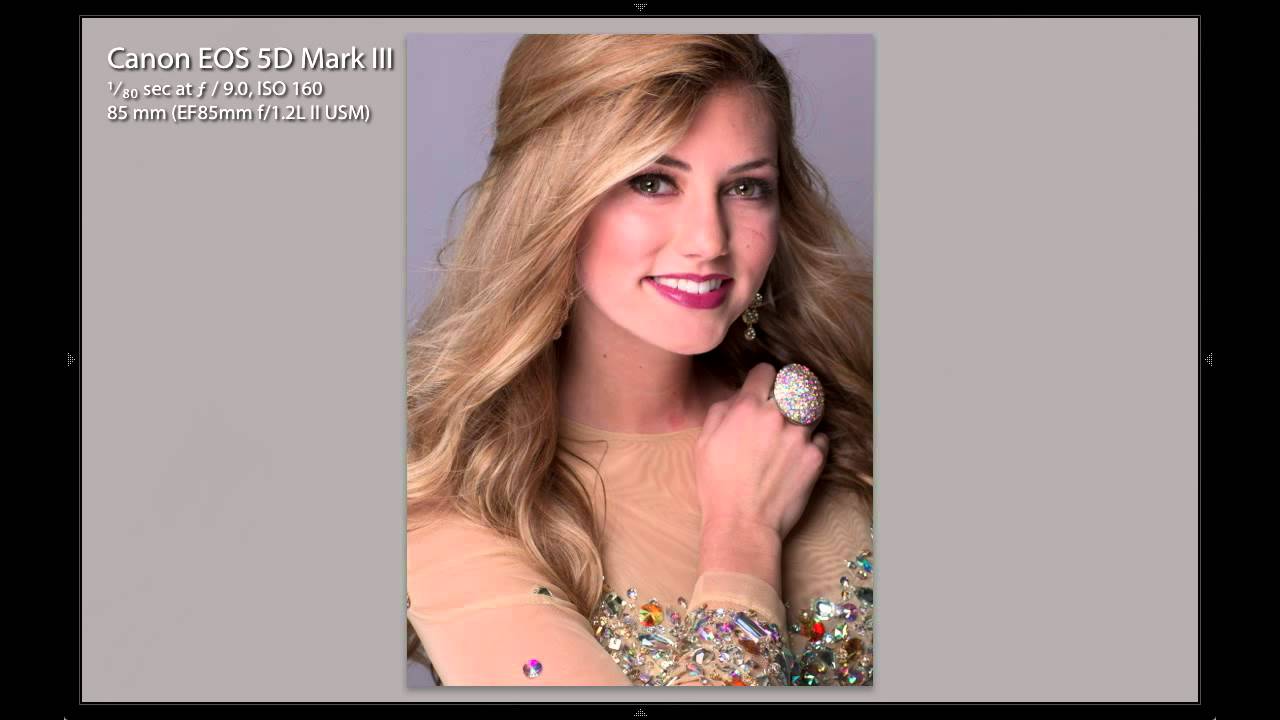
Headshots are the shoot I get called for most often that I also see done worst most often. Not because photographers don’t understand light, but because they treat headshots like portraits. They’re not the same thing. A portrait can afford to be atmospheric. A headshot has one job: make this person look like the most commanding version of themselves. That requires a completely different posing vocabulary and a lighting setup precise enough to be repeatable.

Master These Five Key Light Positions to Transform Your Portrait Work

Master These Five Key Light Positions to Transform Your Portrait Work

The Foundation of Studio Portraiture I’ve watched countless photographers obsess over posing angles and facial expressions—and they should. But here’s what I’ve learned through years of working in the studio: your lighting setup determines whether a portrait feels alive or falls flat. The position of your key light is the single most important decision you’ll make during a shoot, because it sculpts your subject’s face through shadow placement. Before you position another light modifier, you need to understand the five fundamental key light patterns that form the backbone of professional portrait work.

Two Lights, Thirty Minutes: How to Nail a Corporate Group Shot on Location

Two Lights, Thirty Minutes: How to Nail a Corporate Group Shot on Location

Corporate group shots are the kind of assignment that can quietly ruin your day if you haven’t thought them through. You finish individual portraits, the client is happy, and then someone says “can we get the whole team together?” You have thirty minutes, the background is whatever it is, and six or eight people are about to look at you like you know exactly what you’re doing. I’ve been in that position more times than I want to count, and my early attempts at group work were embarrassing.

The 5 Portrait Lighting Positions Every Studio Photographer Must Own

The 5 Portrait Lighting Positions Every Studio Photographer Must Own

I keep a lighting journal. Every setup from every shoot gets a sketch, a note on the modifier, and a quick read on what worked and what didn’t. After years of filling those pages, I can tell you that nearly every diagram traces back to one of five foundational positions. Knowing them isn’t optional if you want to light with intention rather than accident. They are the grammar of portrait lighting, and without them you’re just guessing.

Building a Travel-Ready Portrait Lighting Kit Around the Godox AD200: Lessons from Sean Tucker

Building a Travel-Ready Portrait Lighting Kit Around the Godox AD200: Lessons from Sean Tucker

For years, my commercial work meant hauling a rolling bag that weighed nearly as much as I do. Big monolights, extension cables, a separate power pack the size of a shoebox. I kept it all organized with masking tape labels and a lighting journal I’ve maintained since my first editorial job, but none of that organization made the bag lighter. The turning point came after I started looking seriously at battery-powered compact strobes, and the questions I was asking myself were exactly the ones Sean Tucker works through in this tutorial.

Low Key Lighting Is Not Just Turn Off Some Lights — Here's What Actually Makes It Work

Low Key Lighting Is Not Just Turn Off Some Lights — Here's What Actually Makes It Work

The Setup That Exposed a Gap in My Understanding A few years into my commercial work, I took on a beauty editorial that called for low key portraits. Dark background, dramatic shadows, the kind of image where the subject feels like they’re emerging from something. I’d done moody lighting before, so I wasn’t worried. The shots looked flat. Not dark-and-dramatic flat. Just flat. The shadows were muddy, the highlights on the skin felt accidental rather than intentional, and the background that was supposed to read as pure black was showing up as a dull gray on my tethered monitor.