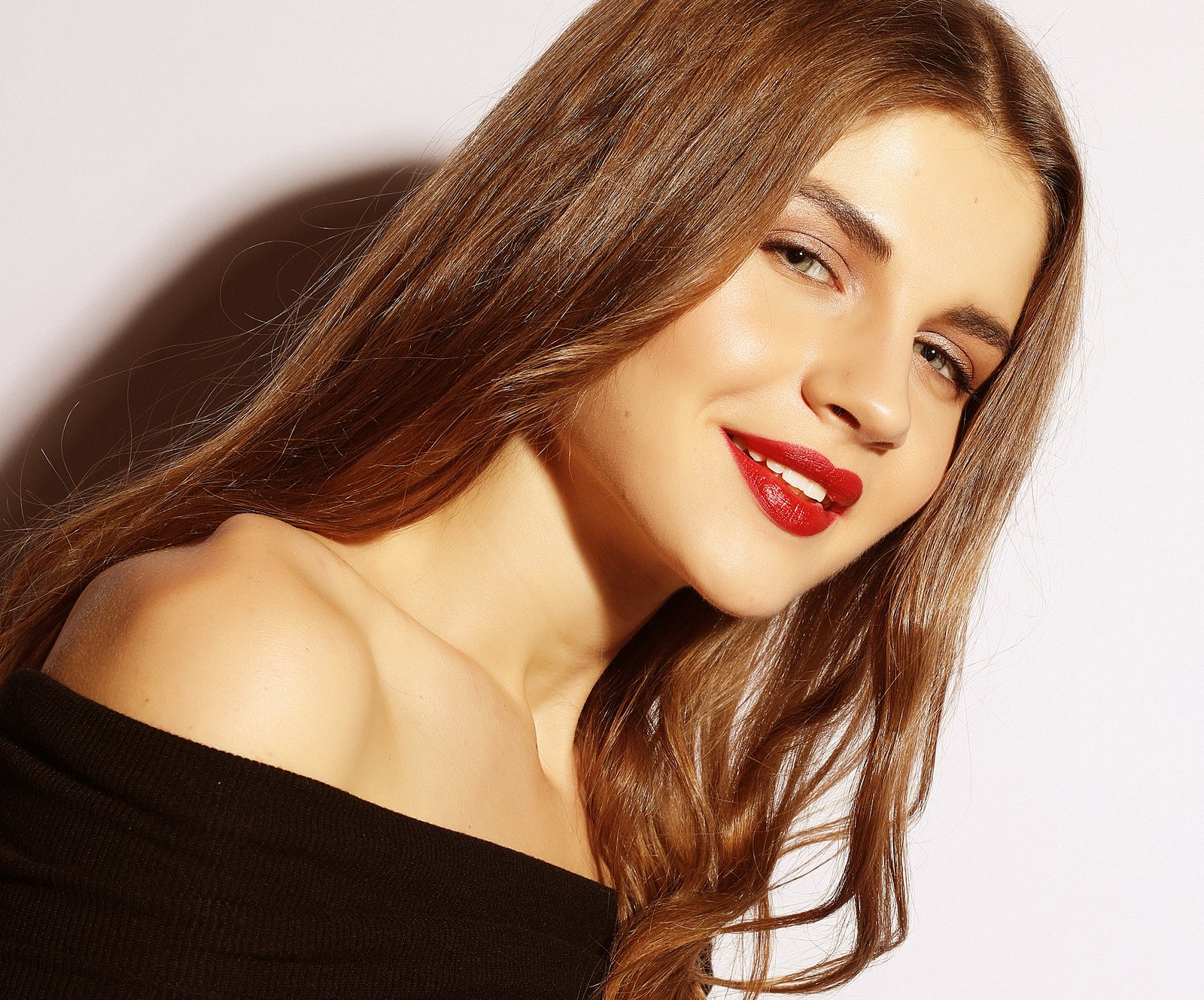
Breaking the Soft Light Mold: Mastering Barn Door Fixtures for High-Impact Portraits

Breaking the Soft Light Mold: Mastering Barn Door Fixtures for High-Impact Portraits

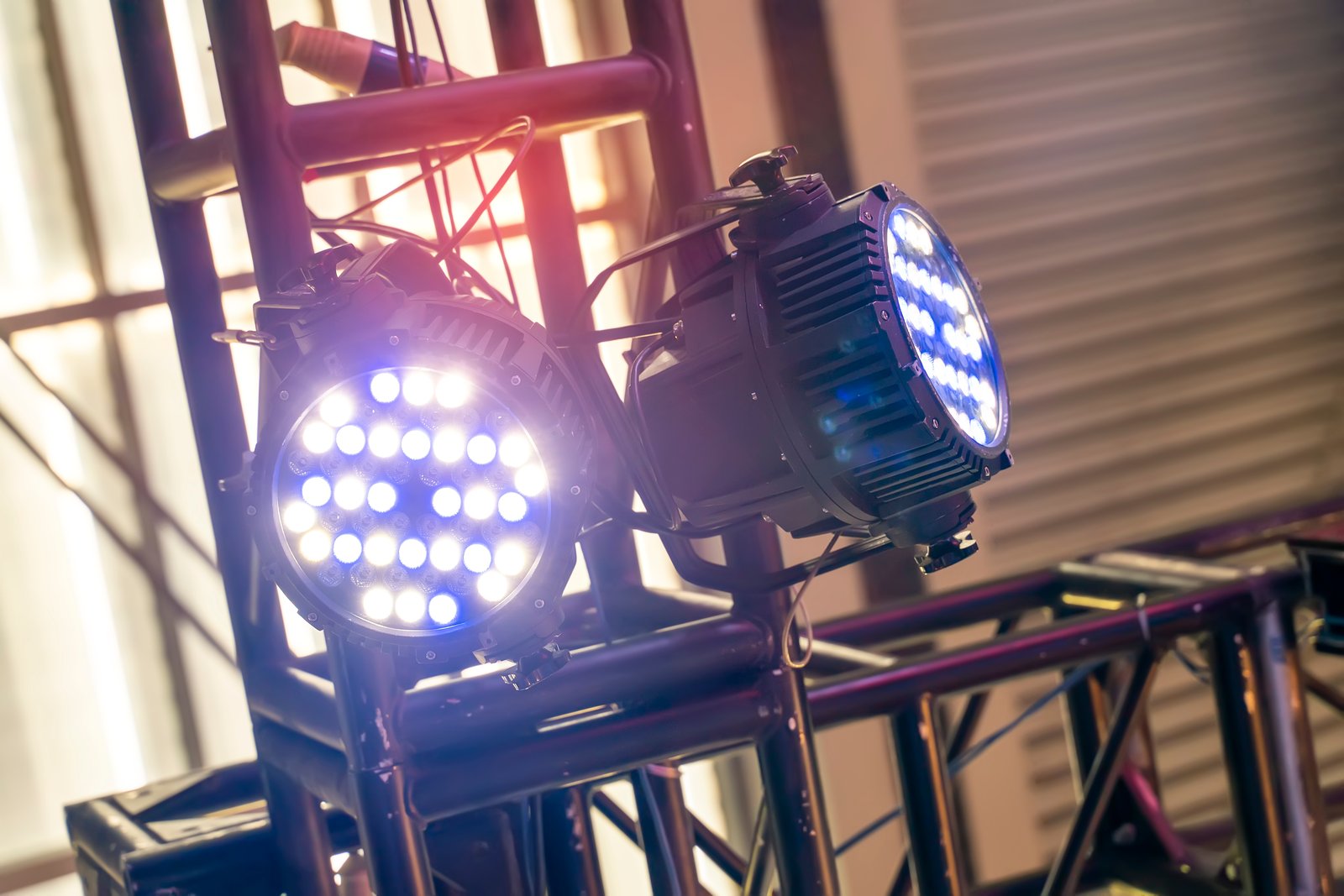
The Case Against Always Going Soft I’ve spent enough time in studios to recognize a truth that gets overlooked in contemporary portraiture: not every face needs to be wrapped in diffusion. The industry’s obsession with flattering, forgiving light has created a generation of photographers who panic at the sight of a bare bulb. But here’s what I’ve learned: sometimes the most compelling portraits come from controlled harshness. Fashion photographers understood this decades ago.

Light, Style, Story: What a Pro Food Photography Course Taught Me About Shooting with Intent

Light, Style, Story: What a Pro Food Photography Course Taught Me About Shooting with Intent

Food photography has always sat at the edge of my comfort zone. I shoot fashion, beauty, corporate headshots — controlled environments where I know exactly how light behaves on a face or a fabric. But food is different. It moves, it wilts, it reflects in ways you don’t expect, and it carries an emotional weight that pure product work doesn’t. When a plate of food looks right in a photograph, you feel it before you understand it.

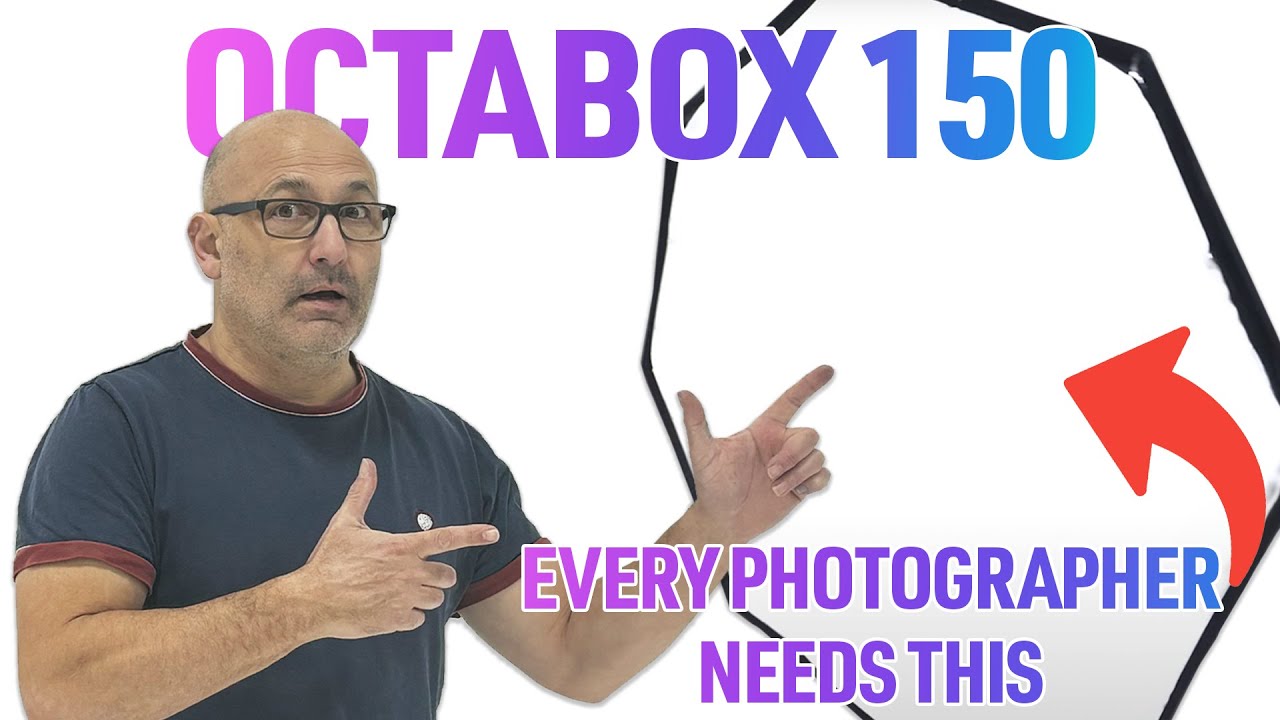
The Octabox 150: A Working Photographer's Case for the Most Useful Modifier in the Studio

The Octabox 150: A Working Photographer's Case for the Most Useful Modifier in the Studio

I have a masking tape label on almost every piece of gear in my studio. The octabox 150 gets its own label, but it also gets a permanent spot on the stand closest to my shooting position. That’s how often it goes up. When clients book a beauty or fashion job, this modifier is almost always my first pull. It’s large enough to wrap light around a face, forgiving enough for a moving subject, and controllable enough that I’m not fighting spill all day.

Small Studio, Pro Results: 6 Lighting Principles That Actually Hold Up

Small Studio, Pro Results: 6 Lighting Principles That Actually Hold Up

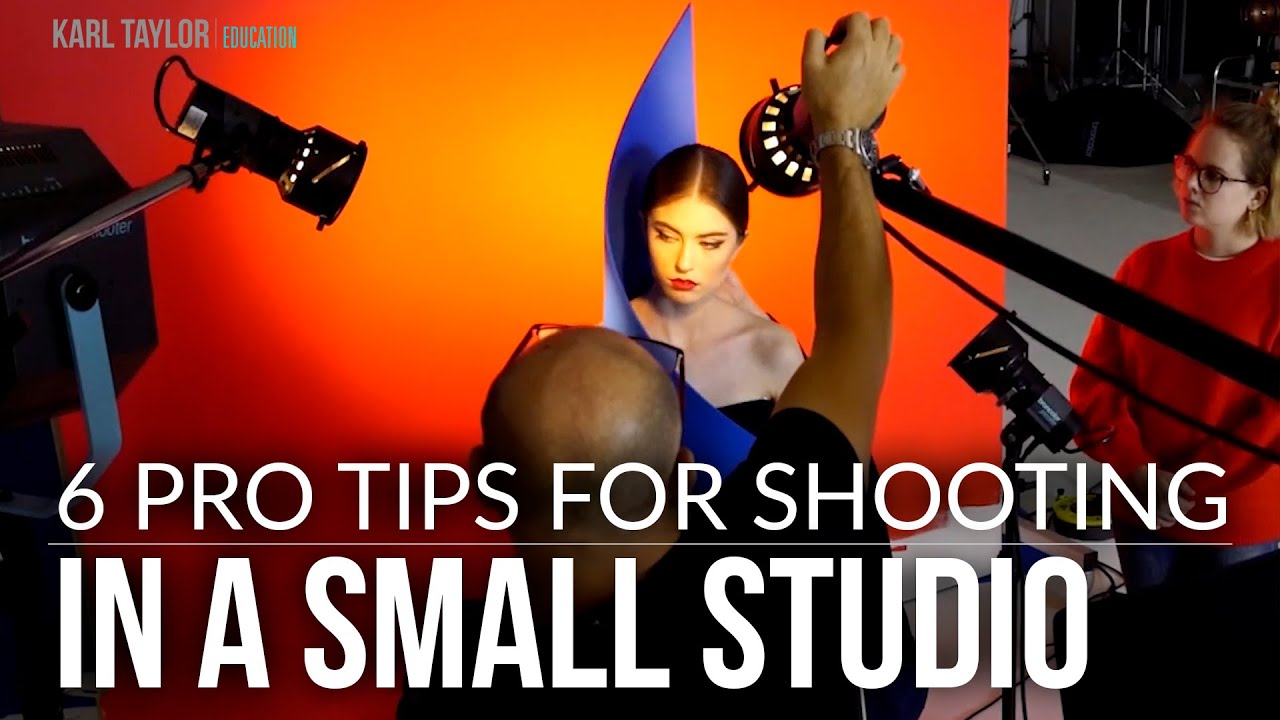
I shoot a fair amount of my commercial work in rental studios, and some of those spaces are genuinely cramped. We’re talking eight feet of usable width after you account for the background stand, the subject, and wherever I’m standing with a camera. For years I assumed tight spaces were just a limitation to route around. Then I started paying closer attention to the physics of what was actually happening with my light, and the problem became a lot more manageable.

Stop Trusting Catch Lights: How to Actually Read a Portrait Lighting Setup

Stop Trusting Catch Lights: How to Actually Read a Portrait Lighting Setup

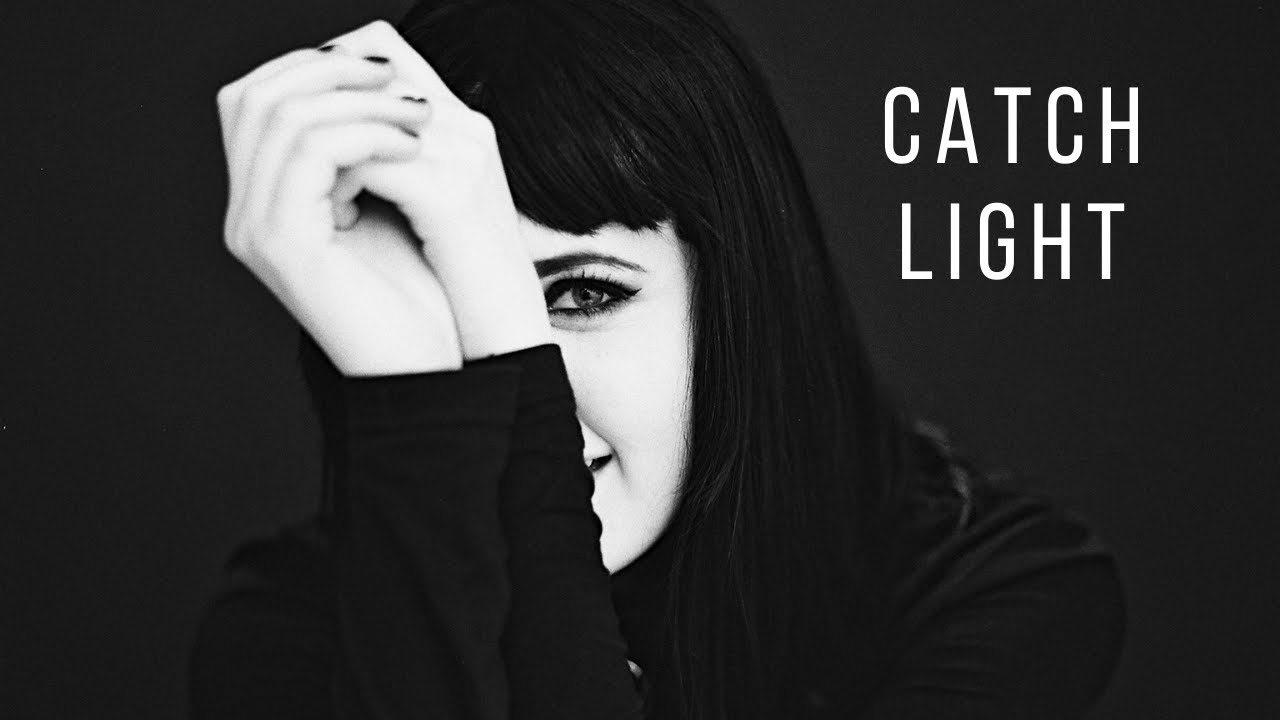
Every working photographer I know has done it. You pull up a portrait you admire, zoom straight into the eyes, squint at the catch light, and try to reconstruct the entire setup from that one bright speck. I’ve done it myself. I still have a torn magazine page in my lighting journal from years back where I traced the catch light in an Annie Leibovitz portrait and tried to map it into a diagram.

One Light Is Enough: How a Single Strobe Can Outwork a Five-Head Setup

One Light Is Enough: How a Single Strobe Can Outwork a Five-Head Setup

The Overcomplicated Studio Is Usually a Confidence Problem I have a masking tape label on every light in my studio. “Key 1.” “Fill Left.” “Rim A.” When I started out, I thought having more labeled lights meant I was doing more serious work. I was wrong. Some of my best-performing editorial images, pieces that ran in print and got licensed multiple times, came from a single Profoto B10 and a 5-foot Octabox.

How to Stop Your Strobe from Spinning on a Boom Arm (Joel Grimes' Two-Minute Fix)

How to Stop Your Strobe from Spinning on a Boom Arm (Joel Grimes' Two-Minute Fix)

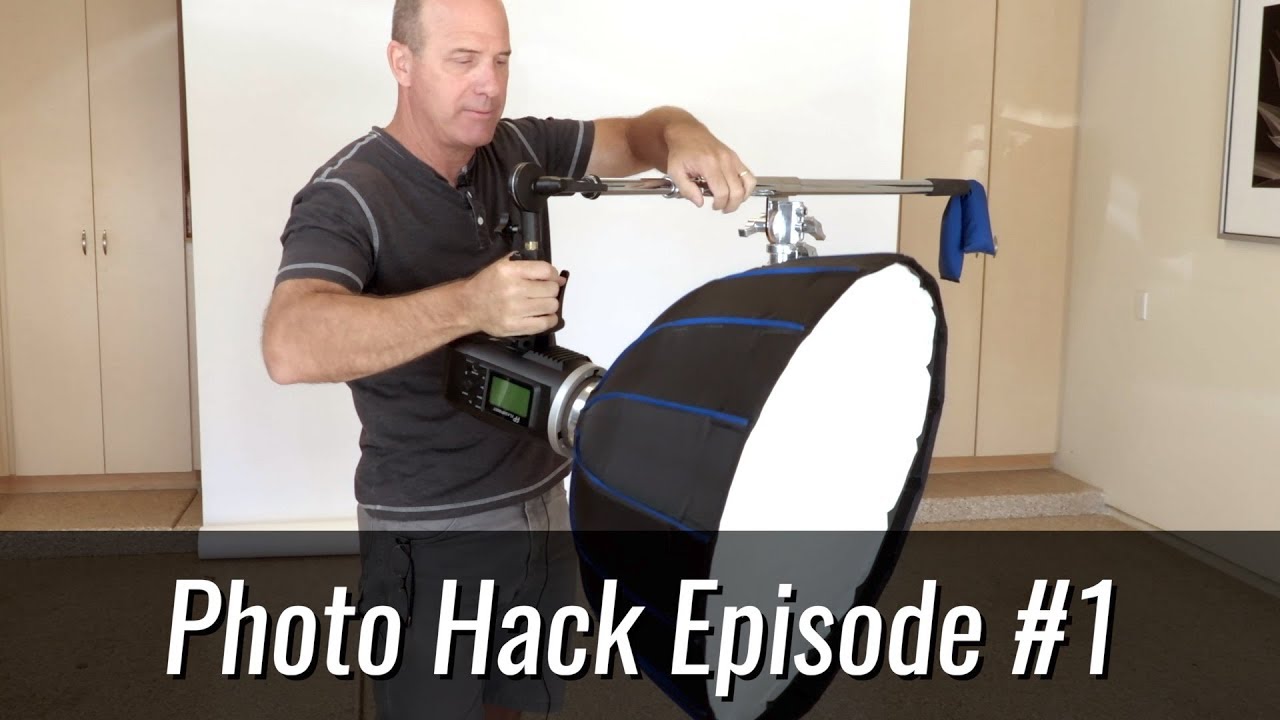
There is a specific kind of frustration that only studio photographers know: you have your boom arm positioned perfectly over your subject, the modifier is angled exactly where you want it, and then you watch the whole thing slowly rotate south while you’re mid-shoot. The strobe drifts. The softbox tilts. You crank the knob tighter and it still creeps. I have been shooting commercial work in Los Angeles for long enough that I label every piece of gear in my studio with masking tape, and I still spent embarrassingly long dealing with this problem before I found a fix that actually held.

Smart Lighting Hubs Failing: What Studio Photographers Need to Know Now

Smart Lighting Hubs Failing: What Studio Photographers Need to Know Now

When Your Lights Go Dark: The Smart Lighting Crisis I’ve always been cautious about integrating smart home technology into my studio workflow. There’s something unsettling about depending on connected devices when you’ve got a paying client in the chair and thirty minutes of natural light left. This week, my concerns proved justified when a major lighting manufacturer’s firmware update essentially turned thousands of smart hubs into expensive paperweights. The company has acknowledged the problem and is offering free replacements for affected units.

How to Photograph Exploding Paint Using Fast Flash: A Studio Breakdown

How to Photograph Exploding Paint Using Fast Flash: A Studio Breakdown

Client inquiries come in waves, and every few years a category of image starts showing up on mood boards constantly. Explosive product shots, the kind where paint or powder or liquid appears to detonate off a surface, have been on those boards for years. Every time I get a brief that gestures at that aesthetic, I go back to basics: how do you actually freeze motion that fast, how do you light something chaotic and reflective, and how do you rig a repeatable trigger mechanism without rigging anything dangerous?

How to Light Still Life with Real Depth: A Breakdown of Daniel Norton's Two-Light Setup

How to Light Still Life with Real Depth: A Breakdown of Daniel Norton's Two-Light Setup

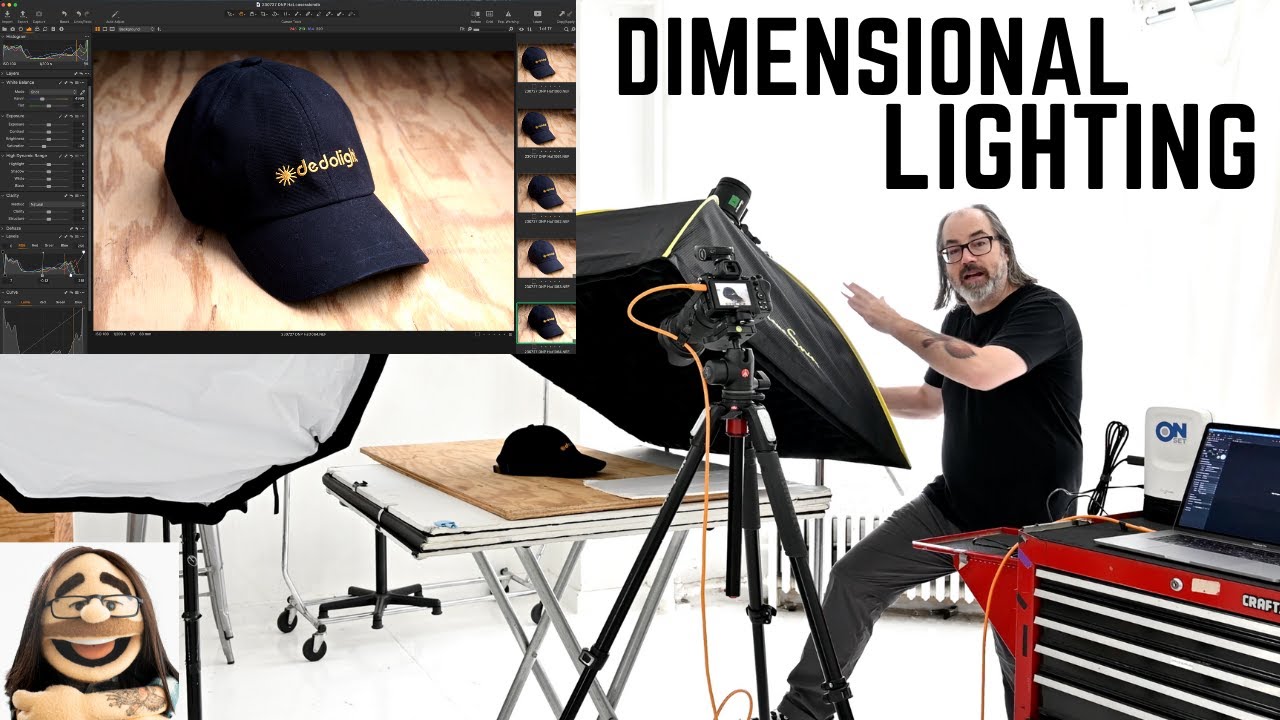
Still life and product work has a reputation for being straightforward. One light, white background, done. And sure, that approach gets the job done for basic e-commerce. But the moment a client wants something that feels tactile, something that makes a viewer want to reach out and pick up the object, flat lighting becomes the enemy. I run into this constantly. A beauty brand will ask for a shot that “pops off the page,” and what they’re really asking for is dimensionality, shadow, a sense that the product exists in physical space rather than floating in a void.

Fresnels, Pico Heads, and Projection Attachments: The Specialist Studio Lights Worth Understanding

Fresnels, Pico Heads, and Projection Attachments: The Specialist Studio Lights Worth Understanding

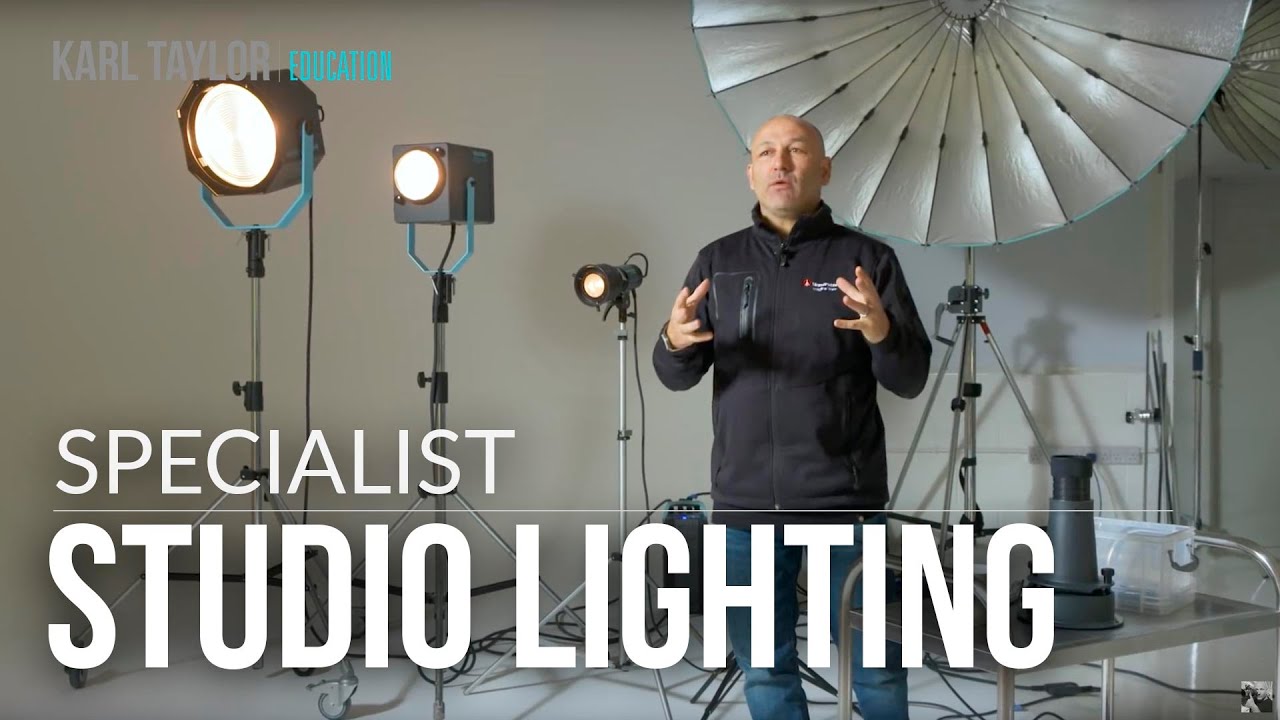
There is a category of studio lighting equipment that most photographers scroll past on gear websites because nothing in their training ever explained what it actually does. Softboxes, octaboxes, standard reflectors with honeycomb grids – those get covered in every introductory course. But fresnels, pico heads, and projection attachments? Those tend to sit in the background of behind-the-scenes photos, looking mysterious and expensive, with no one explaining why a working photographer would choose them over more familiar modifiers.

Flash Photography Fundamentals: What Tony & Chelsea Northrup's New Training Series Gets Right

Flash Photography Fundamentals: What Tony & Chelsea Northrup's New Training Series Gets Right

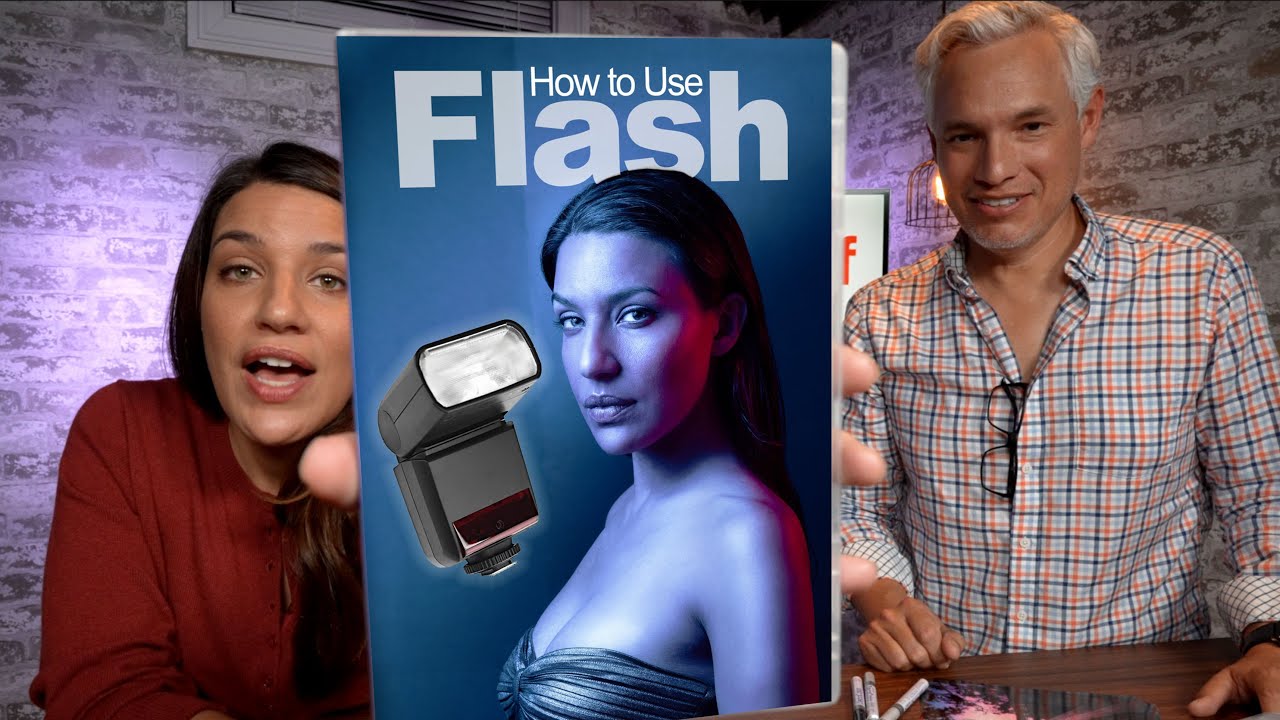
Every few months I get a message from a photographer who’s serious about their work, shoots constantly, and still hasn’t touched their flash. Not because they don’t own one. Because they’re afraid of it. I understand that fear more than most people would expect from someone who labels every light in his studio with masking tape and sketches setups in a journal after every shoot. I was that photographer once, convinced that good light was something you found, not something you built.