Why Your Group Shots Look Flat (And the Lighting Math That Fixes It)

Why Your Group Shots Look Flat (And the Lighting Math That Fixes It)

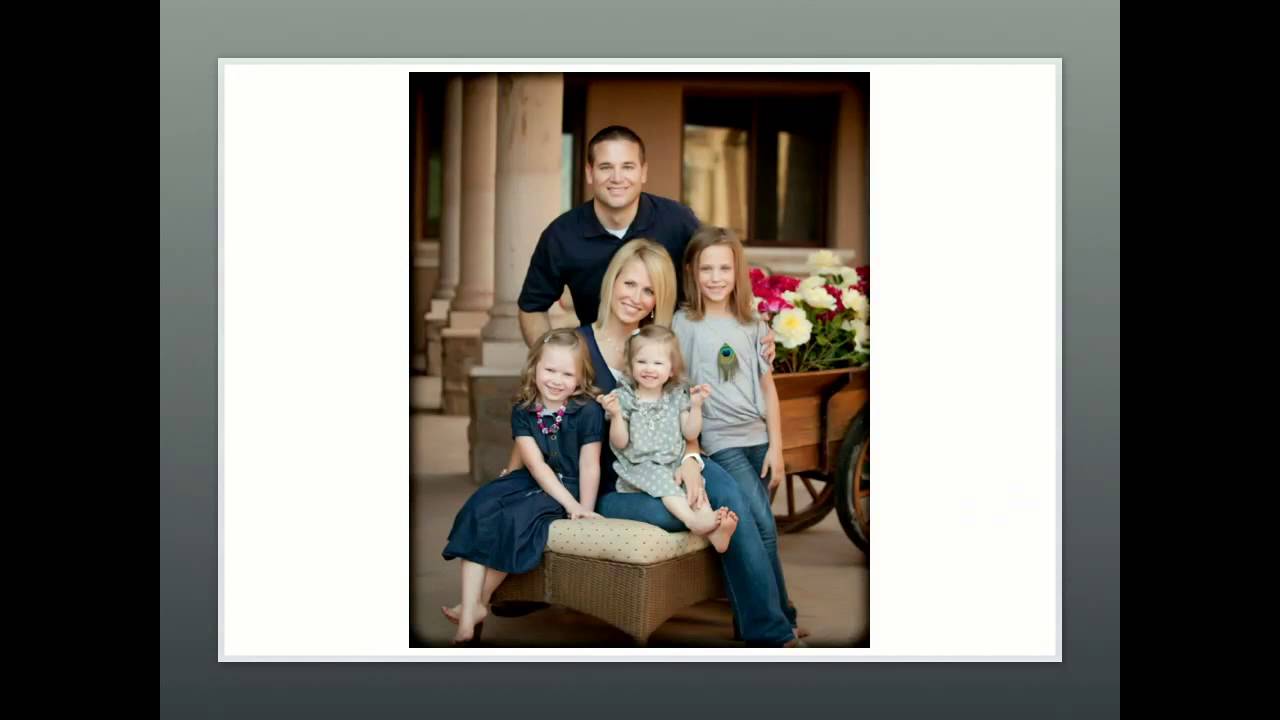
Group photography broke my brain the first time I had to light more than three people in a studio. I was shooting a seven-person executive portrait for a corporate client, early in my career, and I did what most photographers do: I pointed a softbox at them and hoped for a decent result. The images came back with the center subjects two stops brighter than the people on the ends, half the faces carrying ugly shadows from the modeling lights I hadn’t accounted for, and the client politely asking if we could “try again sometime.

One Light, Done Right: How a Single Strobe Can Outwork a Five-Head Setup

One Light, Done Right: How a Single Strobe Can Outwork a Five-Head Setup

I used to own eleven lights. I counted them once while reorganizing my studio on a slow Tuesday, and the number genuinely embarrassed me. Not because eleven is too many, but because I could trace the purchase of at least four of them to insecurity. Some shoot went sideways, and my instinct was to buy another head, another fill, another hair light, as if more gear would paper over whatever I didn’t understand yet.

Why Your Studio Workflow Is Slower Than It Needs to Be (And What My Tape Labels Have to Do With It)

Why Your Studio Workflow Is Slower Than It Needs to Be (And What My Tape Labels Have to Do With It)

The Twenty Minutes That Cost Me a Client A few years back, I was mid-shoot on a beauty campaign, three hours into a six-hour day rate, and my first assistant called out that the kicker on the hair light had drifted two stops. Not because anyone touched it. Because I hadn’t written down the output setting when I built the setup that morning, and we’d been swapping modifiers between setups. By the time we rebuilt the look, we’d burned twenty-two minutes and the client was visibly irritated.

Flash Photography: Stop Relying on Camera Settings and Start Understanding Light

Flash Photography: Stop Relying on Camera Settings and Start Understanding Light

Flash Photography: Stop Relying on Camera Settings and Start Understanding Light I’m going to say something that will upset some people: your camera settings don’t matter nearly as much as you think they do. What matters is understanding how flash behaves, then building your lighting around that behavior. After twenty years of shooting with flash—from cramped hotel rooms to purpose-built studios—I’ve learned that photographers spend too much time fiddling with shutter speed and ISO, and far too little time understanding the actual light in front of their subject.

Mastering Bridal Party Poses and Off-Camera Flash in Harsh Sunlight

Mastering Bridal Party Poses and Off-Camera Flash in Harsh Sunlight

I shoot controlled environments for a living. Fashion sets, beauty campaigns, corporate headshots where every light has a piece of masking tape on the barn door with its exact purpose written in marker. So when I need to think about uncontrolled environments, I actively go looking for photographers who’ve made chaos their workflow. That’s why I keep coming back to wedding photographers. They solve hard lighting problems fast, with real people who don’t take direction like models, in locations that don’t cooperate.

The Architecture of Posing: Building Flattering Lines Without Guesswork

The Architecture of Posing: Building Flattering Lines Without Guesswork

I’ve watched photographers spend thousands on lighting gear only to sabotage their work with poor posing. A $300 reflector won’t save you from a slouched spine or a squared-off shoulder. Posing isn’t art—it’s architecture. Learn the load-bearing walls, and everything else follows. The Shoulder Rule: Your Foundation Start here. Every portrait fails or succeeds based on shoulder placement. I require this from every subject: shoulders positioned at a 45-degree angle to camera.

The Architecture of Posing: Building Flattering Angles Like You're Planning a Building

The Architecture of Posing: Building Flattering Angles Like You're Planning a Building

The Architecture of Posing: Building Flattering Angles Like You’re Planning a Building I’ve watched photographers waste exceptional light on poor posing. It’s like buying premium ingredients and burning the dish. The two aren’t separate—posing is part of your lighting equation. Get the pose wrong, and even perfect three-point lighting fails. Here’s what I’ve learned after thousands of sessions: posing isn’t artistic intuition. It’s geometry. Treat it like a recipe with specific measurements, and your results become predictable and repeatable.

The Five Essential Portrait Lighting Patterns Every Studio Photographer Must Master

The Five Essential Portrait Lighting Patterns Every Studio Photographer Must Master

The Five Essential Portrait Lighting Patterns Every Studio Photographer Must Master I’ve spent twenty years perfecting portrait lighting, and I can tell you this with absolute certainty: most photographers overcomplicate it. They chase exotic modifiers and chase trends when they should be mastering five fundamental patterns that solve 90% of your portrait challenges. These aren’t artistic suggestions—they’re structural foundations. Learn them precisely, and you’ll build every other lighting setup from here forward.

The Five Core Posing Principles That Actually Work

The Five Core Posing Principles That Actually Work

I’m going to be direct: most posing advice is vague garbage. “Make them look natural.” “Find their best angle.” These statements mean nothing in a working studio. After twenty years behind the camera, I’ve isolated five core principles that translate into consistent, flattering results. Follow them like a recipe, and your keeper rate climbs immediately. Principle 1: The Shoulder Angle Is Everything Your subject’s shoulders should never face the camera directly.

The Architecture of Posing: Building Flattering Shapes with Intention

The Architecture of Posing: Building Flattering Shapes with Intention

The Architecture of Posing: Building Flattering Shapes with Intention I’ve watched too many talented photographers waste exceptional lighting setups on mediocre poses. A $5,000 ring light won’t save a subject standing flat-on to the camera with their arms at their sides. Posing isn’t an afterthought—it’s the skeleton upon which your lighting and composition hang. I approach every pose like I’m building a geometric structure. Each angle, each line, each negative space serves a purpose.

What the Hasselblad Masters 2026 Finalists Teach Us About Lighting and Composition

What the Hasselblad Masters 2026 Finalists Teach Us About Lighting and Composition

The Finalists Are Here—And They’re Teaching Us Something Important I’ve spent the last few days digging through the 70 finalists announced for the Hasselblad Masters 2026 competition, and I have to say: the work speaks volumes about where professional photography stands right now. This isn’t just another gear announcement—it’s a masterclass in how the world’s most disciplined photographers approach their craft. What strikes me immediately is how these finalists handle light.

The Studio Workflow That Actually Works: My Step-by-Step System

The Studio Workflow That Actually Works: My Step-by-Step System

I’ve spent fifteen years refining my studio workflow, and I can tell you with certainty: the photographers who produce the best results aren’t the ones with the fanciest gear. They’re the ones who’ve systematized their process so thoroughly that setup becomes automatic and they can focus entirely on their subject. Your workflow is the skeleton that holds everything together—lighting decisions, posing cues, camera settings, even client communication. Without one, you’re improvising.