Why Professional Photographers Are Sleeping on Snoots and Projectors

Why Professional Photographers Are Sleeping on Snoots and Projectors

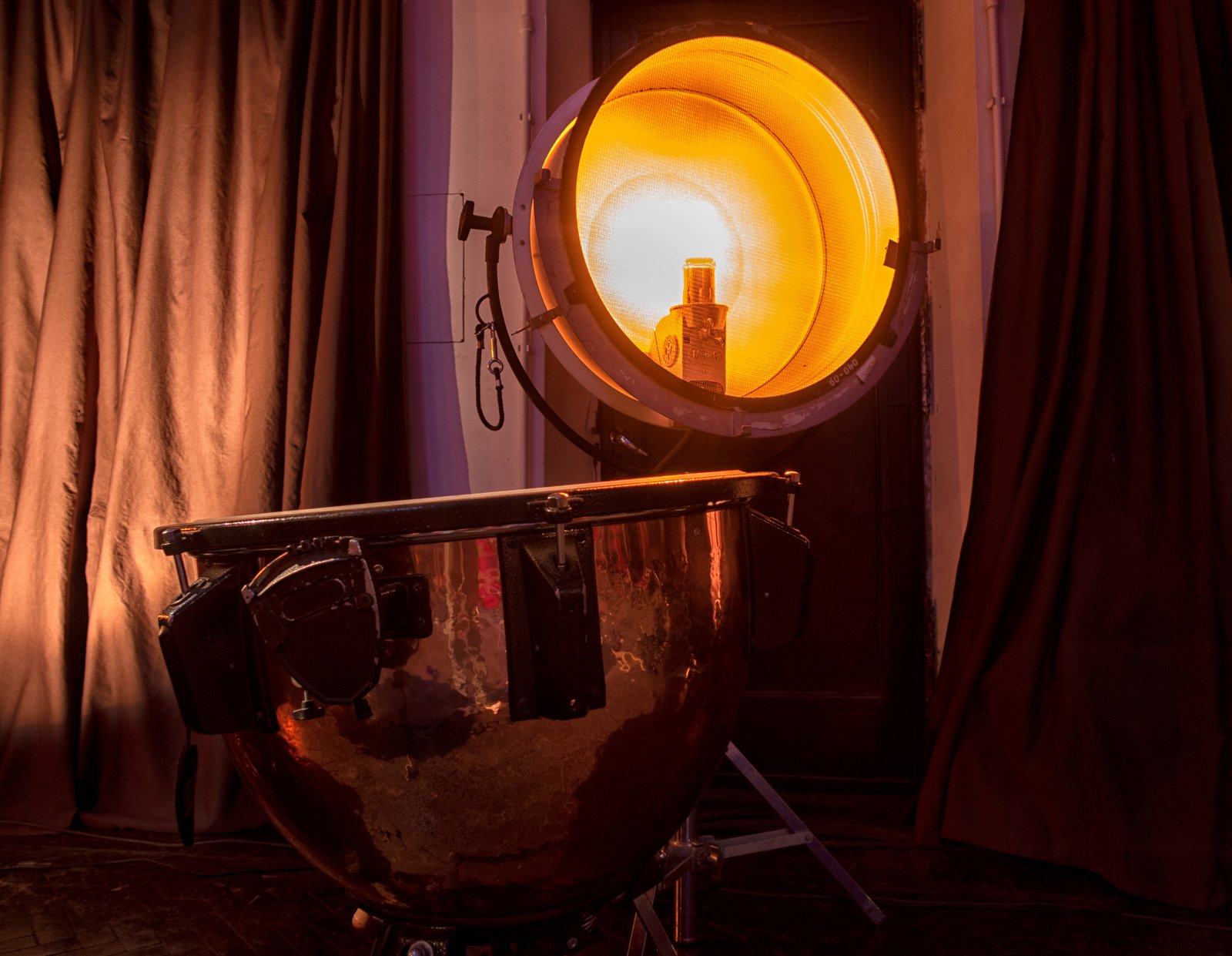
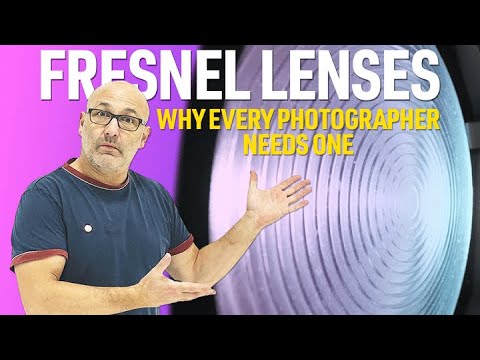
The Attachments That Change Everything I’ve spent enough time in studios to recognize patterns. Most photographers nail the fundamentals—they understand key light, fill light, and backdrop separation. But there’s a tier above this where the real control happens, and it’s occupied by a frustratingly small percentage of shooters. The culprit? Simple neglect of specialized attachments like snoots and projector heads. What Makes These Tools Different A snoot is elegantly straightforward—a tapered tube that concentrates light into a tight, controlled beam.

When Studio Mishaps Become Teaching Moments: Lessons in Controlled Lighting and Professional Standards

When Studio Mishaps Become Teaching Moments: Lessons in Controlled Lighting and Professional Standards

The Value of Documentation in High-Stakes Shoots I’ve spent enough time in studios to know that when things go wrong—and they inevitably do—the professionals who survive are those who document everything. Lighting setups, client communications, equipment specifications, timing logs. Every detail matters. Recently, I’ve been reflecting on how the principles of meticulous documentation apply across creative industries. A production company publicly committed to proving internal sabotage contributed to their launch failure by creating detailed evidence-based content for their community.

What We Can Learn From Avatar Legends' Character Design and Visual Storytelling

What We Can Learn From Avatar Legends' Character Design and Visual Storytelling

I’ve been thinking a lot lately about how fighting games teach us fundamental lessons about posing and lighting. With Avatar Legends: The Fighting Game launching this July, I found myself studying their character roster with a photographer’s eye rather than a gamer’s perspective—and the insights are genuinely useful for anyone working in a studio. The Challenge of Readable Posing What strikes me about fighting game design is how every character must be instantly recognizable from any angle, in any lighting condition.

What Video Game Lighting Teaches Us About Studio Photography

What Video Game Lighting Teaches Us About Studio Photography

The Hidden Curriculum in Interactive Media I’ve spent considerable time studying how major video game productions approach lighting and visual composition. There’s a reason AAA titles command such attention from cinematographers and photographers—they’re solving the same fundamental problems we face in the studio, just with different constraints. Recent announcements about major game expansions remind me why I monitor this space closely. When development studios invest heavily in new content, they’re typically refining their entire visual pipeline, including how light behaves in their environments.

What Shinji Mikami's Studio Acquisition Teaches Us About Creative Partnerships and Studio Lighting

What Shinji Mikami's Studio Acquisition Teaches Us About Creative Partnerships and Studio Lighting

A Masterclass in Creative Collaboration I’ve been following the entertainment industry long enough to recognize when something significant happens behind the scenes. Shinji Mikami, the visionary behind some of gaming’s most iconic atmospheric experiences, has entered into a partnership with Shift Up that deserves our attention—not just as gamers, but as visual storytellers and studio professionals. Mikami’s new venture, Unbound Inc., has found a home under Shift Up’s publishing umbrella. This isn’t just another corporate acquisition.

What Independent Creative Studios Can Learn From Financial Struggles

What Independent Creative Studios Can Learn From Financial Struggles

What Independent Creative Studios Can Learn From Financial Struggles I’ve been watching the creative industry closely over the past decade, and I’ve noticed a troubling pattern: talented teams with excellent work keep hitting the same wall. This week, I learned that a respected independent studio has decided to close its doors after failing to secure funding for their next project. The Reality of Creative Sustainability Here’s what struck me about this situation: the team had already proven they could create quality work.

What Apple's Mac Pro Discontinuation Means for Your Studio Workflow

What Apple's Mac Pro Discontinuation Means for Your Studio Workflow

The End of an Era Apple has quietly discontinued the Mac Pro, and I have to be honest—it’s a significant shift worth paying attention to if you’re running a serious photography studio. The company has removed the tower from its lineup entirely, leaving the Mac Studio as the new flagship desktop option. After decades of offering a modular, expandable powerhouse, Apple is essentially saying: this is as big as we’re going.

What Apple's Design Evolution Teaches Us About Lighting and Product Photography

What Apple's Design Evolution Teaches Us About Lighting and Product Photography

I recently learned about an extraordinary exhibition opening in Roswell, Georgia that’s shifted my thinking about how we photograph technology and industrial design. The Mimms Museum of Technology and Art is launching iNSPIRE: 50 Years of Innovation from Apple, and while the exhibit itself celebrates a tech giant’s history, it’s the visual storytelling behind those products that fascinates me as a studio photographer. Why Apple’s Design Matters to Your Lighting Setup What strikes me most about Apple’s product line isn’t just the innovation—it’s the consistency of visual language.

What Anime Studios Get Right About Lighting That Photographers Should Learn

What Anime Studios Get Right About Lighting That Photographers Should Learn

The Art of Restraint in Modern Production I’ve been watching the newly released footage from Science Saru’s upcoming Ghost in the Shell anime series, and I have to say—it’s reminded me of something we often forget in contemporary studio work: sometimes doing less is doing more. The production team has deliberately chosen to pull away from the hyperpolished digital rendering that dominates modern anime. Instead, they’re embracing a visual language closer to the source material’s original manga aesthetic.

The V-Flat: The Most Versatile Studio Tool You'll Ever Own

The V-Flat: The Most Versatile Studio Tool You'll Ever Own

A V-flat is two large flat panels (typically 4x8 feet) hinged together so they stand upright in a V shape. One side is white, the other is black. This simple construction — essentially two sheets of foam board taped together — is arguably the most versatile tool in any portrait studio. White Side: Bouncing Light The white side of a V-flat acts as a massive reflector. Position it opposite your key light and it bounces soft, broad fill light back onto the shadow side of your subject.

Tony Northrup Shows You Only Need ONE Light for Pro Portraits

Tony Northrup Shows You Only Need ONE Light for Pro Portraits

One of the most common barriers I hear from photographers moving into portrait work is the cost of lighting equipment. They see studio setups with three or four strobes, softboxes, reflectors, and grids, and assume that’s the minimum for professional results. Tony Northrup’s latest video puts that assumption to rest, and he does it with a flash that costs less than most camera straps. Northrup sets up a single Neewer Flash Q6 — a compact, affordable unit — and proceeds to create portrait after portrait that would hold up in any professional portfolio.

Three-Light Portrait Setup: The Professional Standard

Three-Light Portrait Setup: The Professional Standard

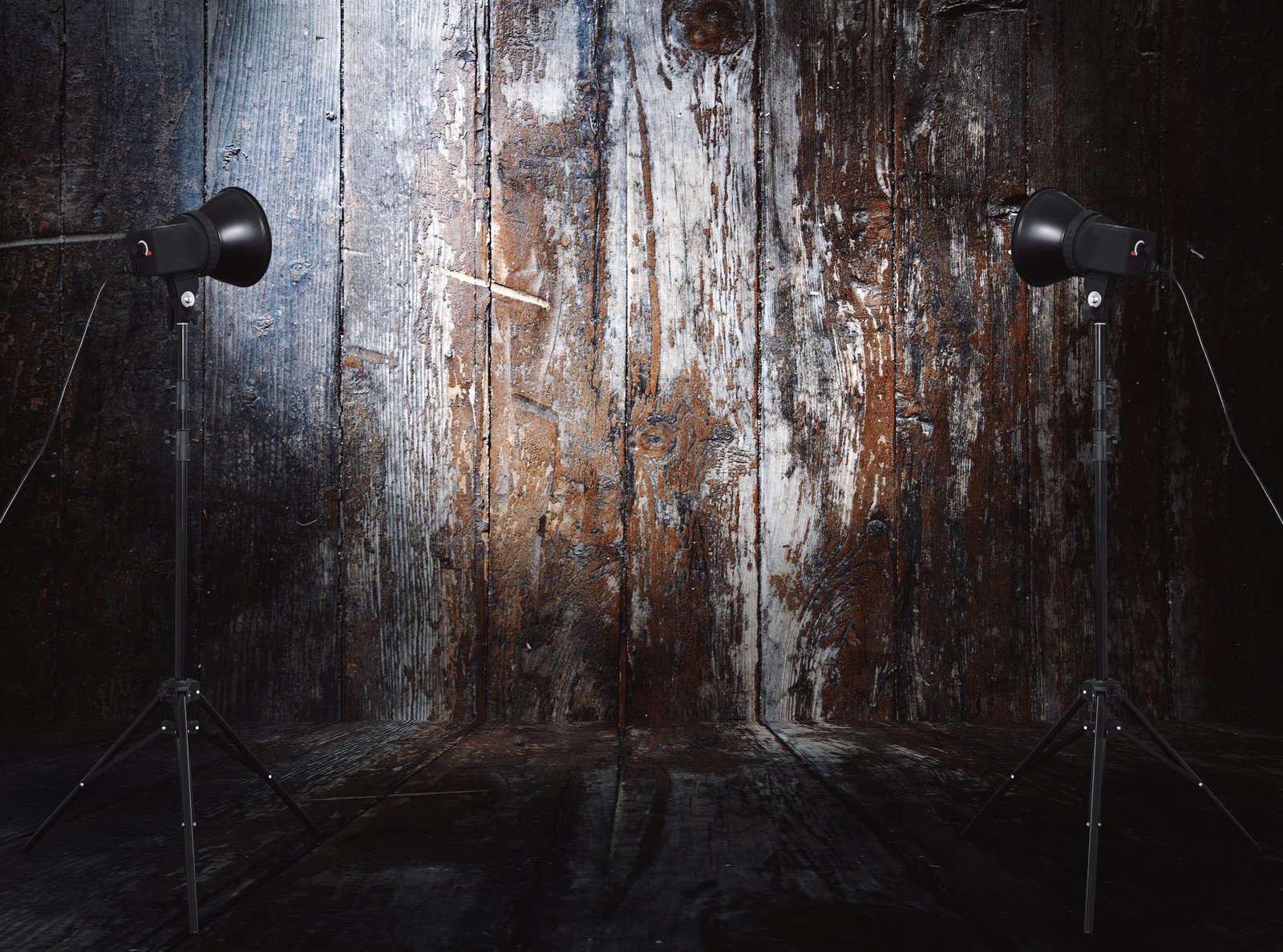
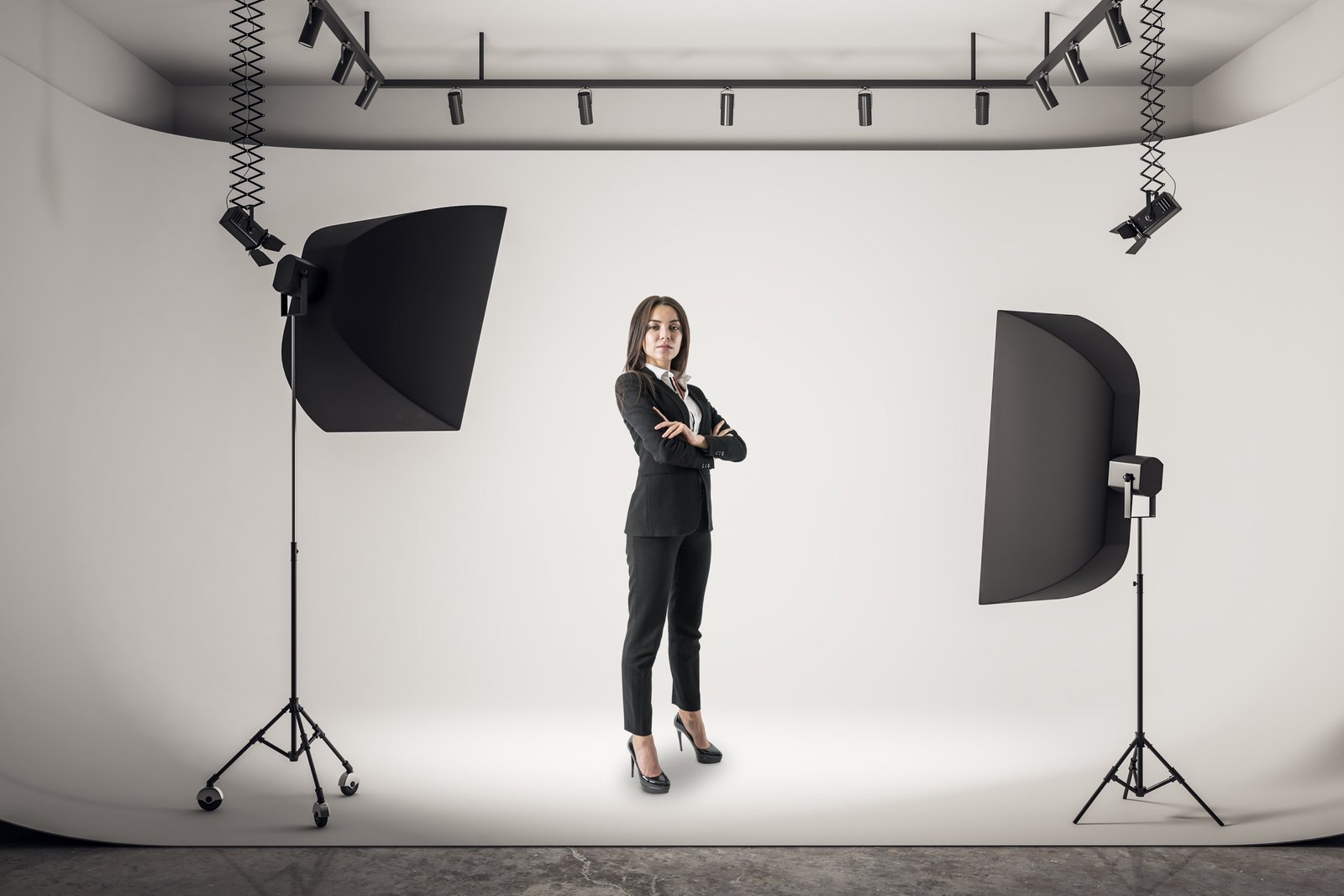
The three-light setup is the backbone of professional portrait and headshot photography. It consists of a key light, a fill light, and a separation light. Each serves a specific purpose, and understanding how they interact gives you precise control over the final image. The Three Roles Key light. The primary light source that defines the shape and character of the illumination on the subject’s face. It determines the lighting pattern (Rembrandt, loop, butterfly, etc.