Move Your Softbox Closer Than You Think — Here's Why It Changes Everything

Move Your Softbox Closer Than You Think — Here's Why It Changes Everything

There’s a mistake I see in almost every behind-the-scenes photo that photographers share online. The softbox is positioned at a reasonable distance, the model looks okay, and the whole setup looks perfectly professional. The problem is “reasonable” and “okay” are doing a lot of heavy lifting there, and they’re covering for light that’s working against you. I spent years treating softbox distance as an afterthought, something you eyeballed and called done once the exposure looked right on the back of the camera.
The Wall Bounce Technique: Why Studio Photographers Should Reconsider Their Softbox Arsenal

The Wall Bounce Technique: Why Studio Photographers Should Reconsider Their Softbox Arsenal

The Wall Bounce Technique: Why Studio Photographers Should Reconsider Their Softbox Arsenal I’ve spent considerable time experimenting with unconventional approaches to studio lighting, and I want to share something that’s fundamentally changed how I think about modifiers: sometimes the best light source in your studio is already there—it’s your wall. Starting Simple Works Better Than You’d Think After years of accumulating softboxes, octabanks, and beauty dishes, I’ve discovered that pointing a bare strobe directly at a clean white wall, cranked to full power, often produces results that rival or exceed what I get from expensive modifiers.

Five Cinematic Lighting Setups, One Small Room: What I Took From The Slanted Lens

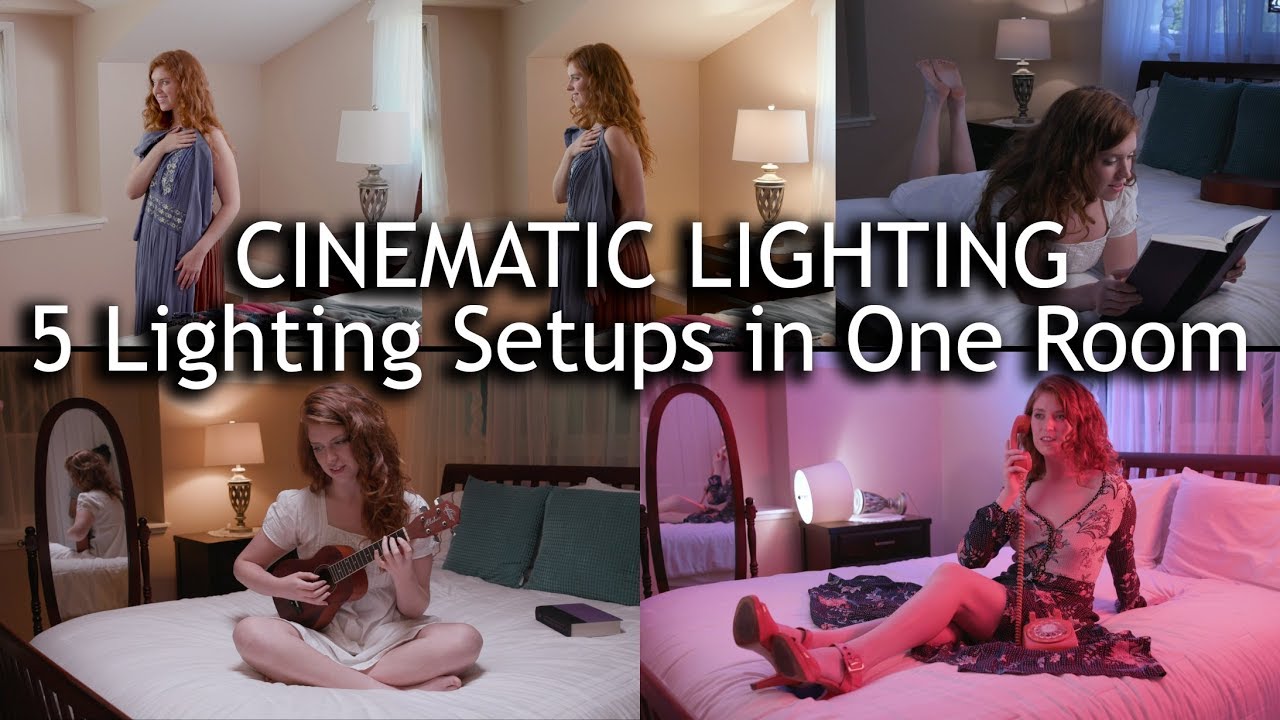
Five Cinematic Lighting Setups, One Small Room: What I Took From The Slanted Lens

Small rooms have beaten me more times than I’d like to admit. You show up to a location, the ceiling is low, the walls are close, and the one window faces the wrong direction. For years I treated that as a problem to solve by hauling in more gear. What I’ve learned, slowly, is that constraints force better decisions. A tight room doesn’t need more light. It needs smarter light placement and a clear idea of what mood you’re actually after before you touch a single stand.

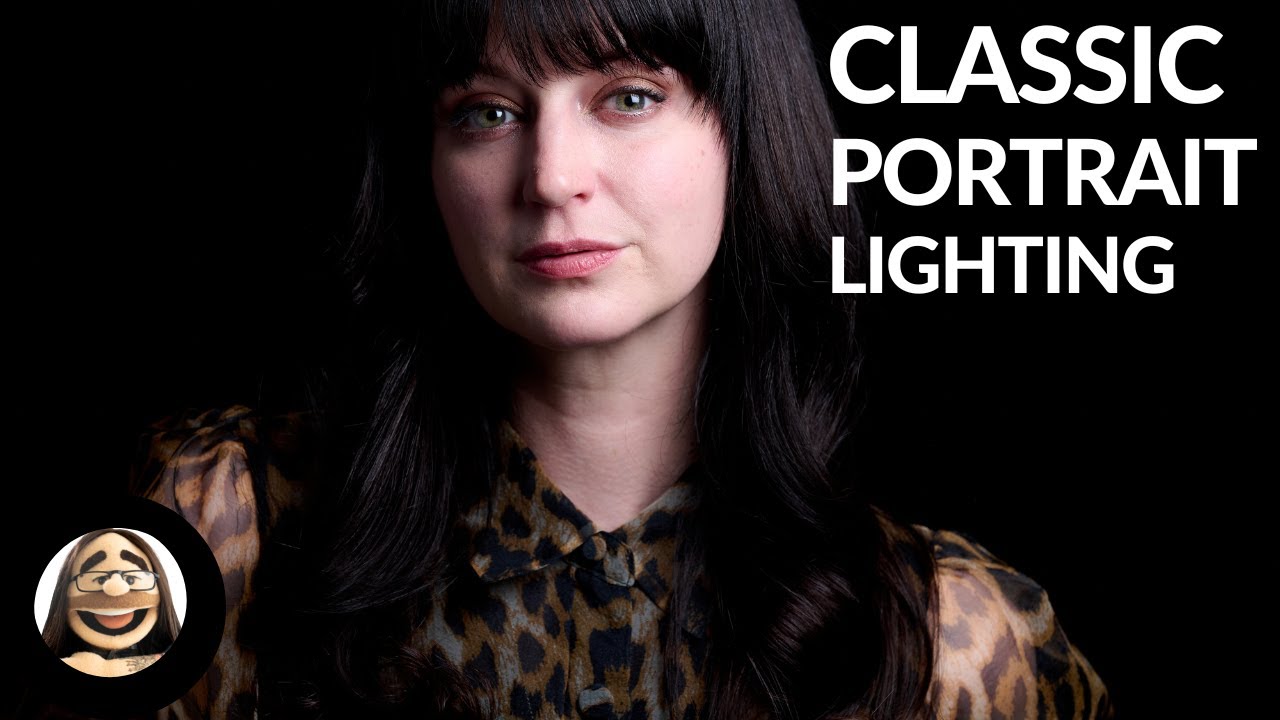
The Classic 45: How One Lighting Position Should Anchor Every Portrait Photographer's Toolkit

The Classic 45: How One Lighting Position Should Anchor Every Portrait Photographer's Toolkit

Every time I take on a new assistant or bring an intern into my studio here in Los Angeles, I watch where they put the key light. Without fail, they either shove it right next to the camera and wonder why the face looks flat, or they swing it so far to the side that half the subject disappears into shadow. There is a middle ground, and it has a name.

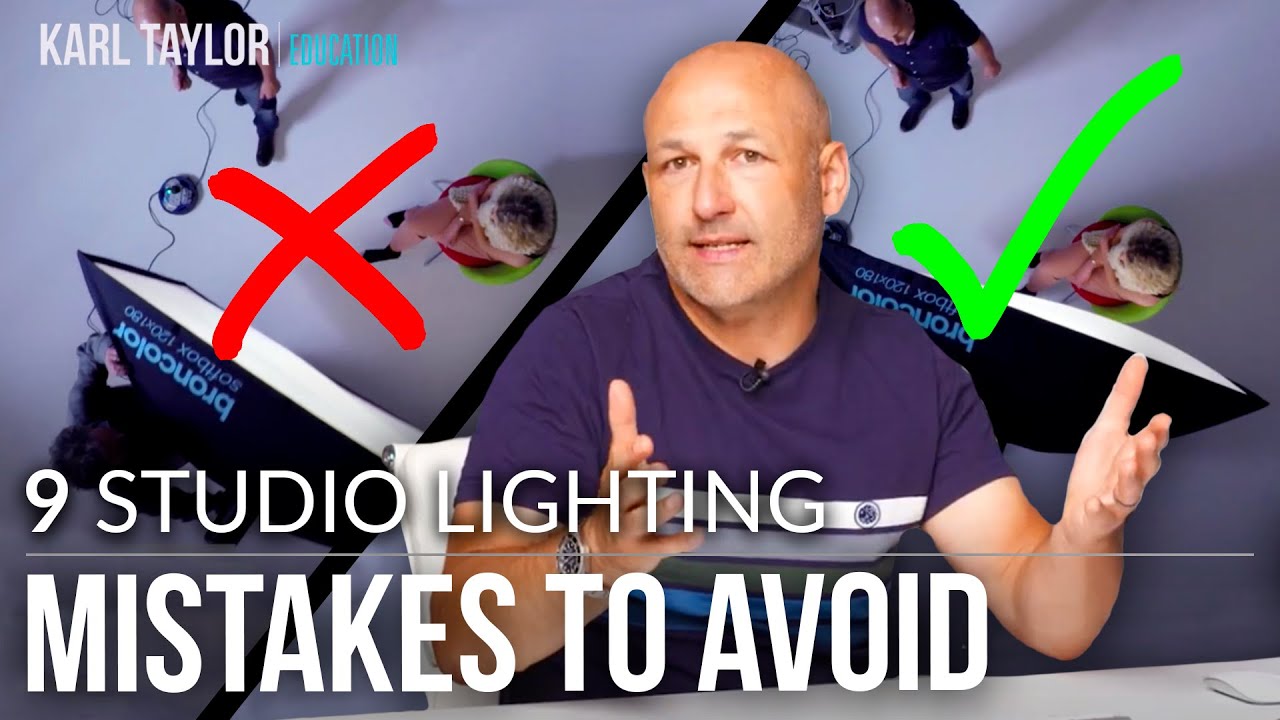
9 Studio Flash Mistakes I Wish Someone Had Warned Me About (Visual Education Breakdown)

9 Studio Flash Mistakes I Wish Someone Had Warned Me About (Visual Education Breakdown)

Every time I bring a photographer into my studio for the first time, I watch the same sequence unfold. They position the light directly in front of the subject, chimp the back of the camera, and then look up at me with this deflated expression. “Why does it look so flat?” That question tells me everything about where they are in their studio lighting education. It also tells me they haven’t yet wrestled with the fundamentals, not because they’re incapable, but because nobody sat them down and explained what actually matters before they touched the gear.

How Black Flags Carve Shadow Into a Portrait (And Why I Use Them on Almost Every Studio Shot)

How Black Flags Carve Shadow Into a Portrait (And Why I Use Them on Almost Every Studio Shot)

There’s a problem I kept running into early in my studio work: I’d dial in a beautiful softbox position, get the exposure right, and still walk away with portraits that looked flat. The light was technically correct but it wasn’t doing anything interesting to the face. The cheekbones weren’t defined. The jawline disappeared into the background. Everything looked like it was lit for a driver’s license photo, not a magazine page.

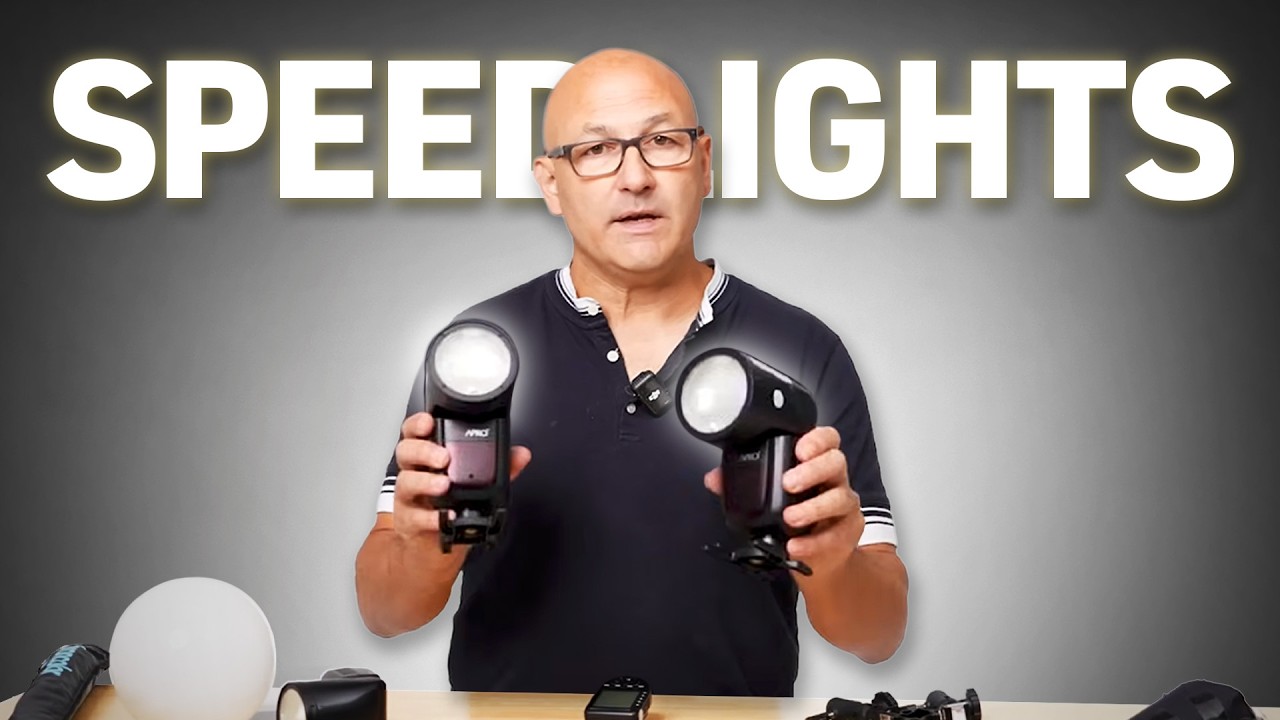
Speedlights Like a Pro: A Working Photographer's Breakdown of Off-Camera Flash Control

Speedlights Like a Pro: A Working Photographer's Breakdown of Off-Camera Flash Control

I label everything in my studio with masking tape. Every light, every cable, every modifier bracket. It looks obsessive until you’re mid-shoot with a client waiting and you need to swap a unit fast. That same instinct toward clarity and control is exactly what I found most valuable when I watched Karl Taylor’s speedlight tutorial from Visual Education. It solved a problem I see constantly: photographers who own speedlights but treat them like a camera-mounted party trick instead of the capable, flexible light sources they actually are.

Beyond Basic Umbrellas: Ring Lights and Softboxes Compared

Beyond Basic Umbrellas: Ring Lights and Softboxes Compared

Beyond Basic Umbrellas: Ring Lights and Softboxes Compared If you’ve been shooting with umbrella reflectors and you’re ready to take your lighting game seriously, you’ve likely found yourself standing in front of two major contenders: ring lights and softboxes. Both deserve space in a professional studio, but they serve distinctly different purposes. Let me walk you through how to evaluate which one matches your workflow. Understanding the Fundamental Difference A softbox functions like a directional light source with controlled spill.

How to Build a Chill Box and Make Smoke Lay on Water (A Lighting Breakdown)

How to Build a Chill Box and Make Smoke Lay on Water (A Lighting Breakdown)

Every so often a technique crosses my feed and I immediately think: I’ve been solving this the wrong way for years. That’s exactly what happened when I sat down with this tutorial from JP Morgan over at The Slanted Lens. The goal of the shoot sounds almost theatrical - a model standing on a fiberglass rock floating in a pool, smoke curling across the water’s surface, a massive painted backdrop behind her.

Why Understanding Materials Is the Real Foundation of Studio Lighting

Why Understanding Materials Is the Real Foundation of Studio Lighting

Every time I walk into a studio with a new product to shoot, the first thing I do is hold it under a bare work light and rotate it slowly. Not to set up a shot. Just to watch. I’m looking at how the surface catches and releases light, where reflections pool, where they scatter, whether the material has any depth to it. I learned to do this after years of jumping straight to the gear and then spending the rest of the session correcting mistakes that should never have happened.

How to Build a Falling Snow Rig (and Actually Light It So It Reads on Camera)

How to Build a Falling Snow Rig (and Actually Light It So It Reads on Camera)

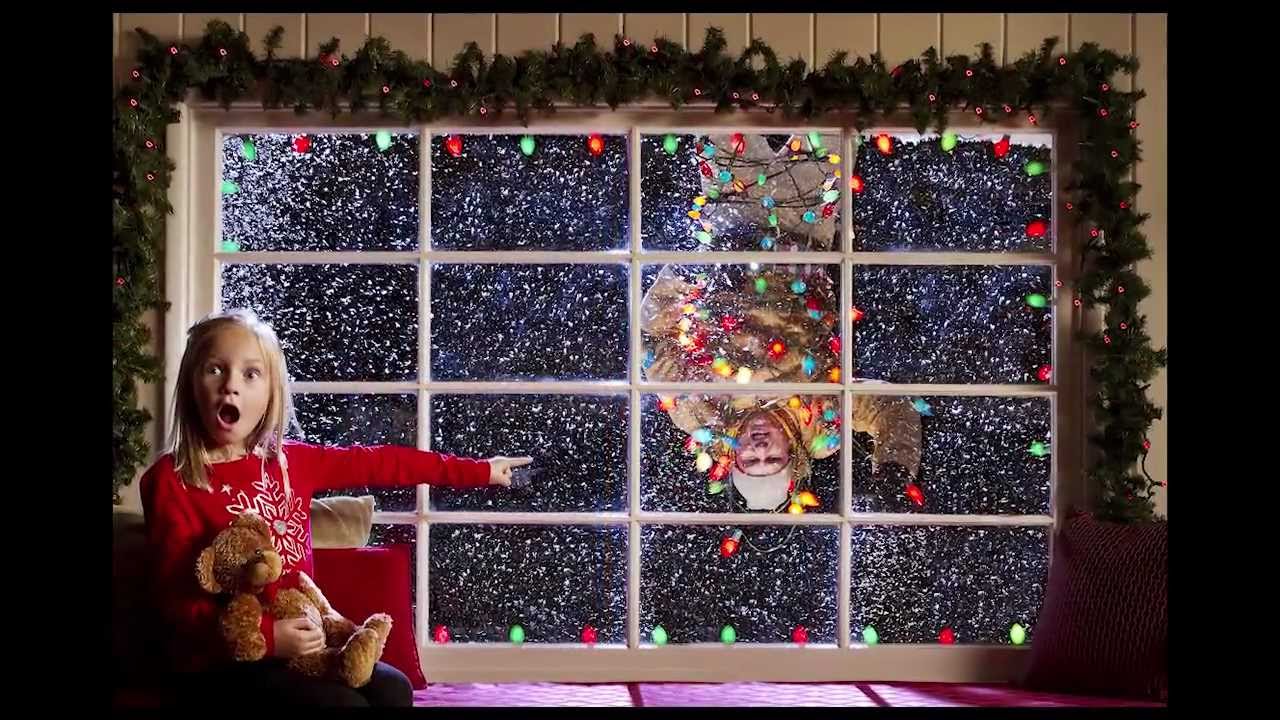
Every few winters, a client asks for falling snow in a shot. The first time it happened to me, it was July, we were on a stage in Culver City, and the brief said “cozy winter scene.” I’ve been in commercial photography long enough to know that “we’ll fix it in post” is rarely the right answer for something as kinetic as falling snow. You need the real thing, or something close enough that the camera believes it.

Why Your Flash Photos Look Flat (And the Ratio Fix That Changes Everything)

Why Your Flash Photos Look Flat (And the Ratio Fix That Changes Everything)

The Flat Light Problem Nobody Talks About Honestly Every week I get emails from photographers who describe the same thing: they bought a decent flash, set it to TTL, pointed it at their subject, and got photos that look technically correct but somehow dead. Even exposure, no blown highlights, and yet the image has all the visual interest of a passport photo. The problem is almost never the flash itself. It’s the absence of a decision.