The Four-Point Portrait Lighting Setup I Keep Coming Back To (And Why It Works)

The Four-Point Portrait Lighting Setup I Keep Coming Back To (And Why It Works)

There’s a specific problem that comes up on multi-day commercial campaigns that nobody talks about enough: consistency. Not the creative kind - the technical kind. You shoot the first subject on a Tuesday, the second three weeks later, and the third two months after that. If your lighting setup isn’t locked down and repeatable, the images will never sit together in a layout without looking like they came from three different photographers.
How to Build a Headshot Lighting Setup That Works Every Time — A Tutorial Breakdown

How to Build a Headshot Lighting Setup That Works Every Time — A Tutorial Breakdown

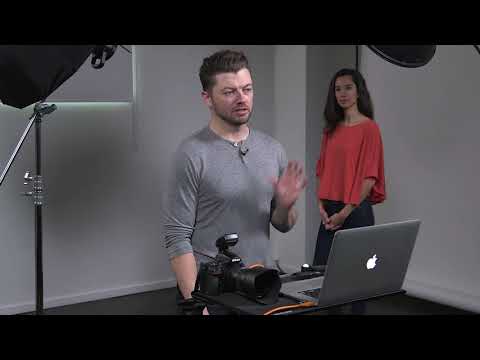
There’s a particular kind of client who walks into my studio and immediately goes stiff. Shoulders square to the camera, chin slightly raised, arms rigid at their sides. They’ve decided, somewhere between parking the car and stepping onto my seamless, that “professional” means “motionless and symmetrical.” Getting them out of that posture without making them feel self-conscious is half the job of a headshot session. The other half is making sure the light is already dialed in before they sit down, so I’m not fiddling with power packs while they lose whatever momentum we built in the first five minutes.

Tethered and In Control: How I Set Up Capture One for a Live Studio Shoot

Tethered and In Control: How I Set Up Capture One for a Live Studio Shoot

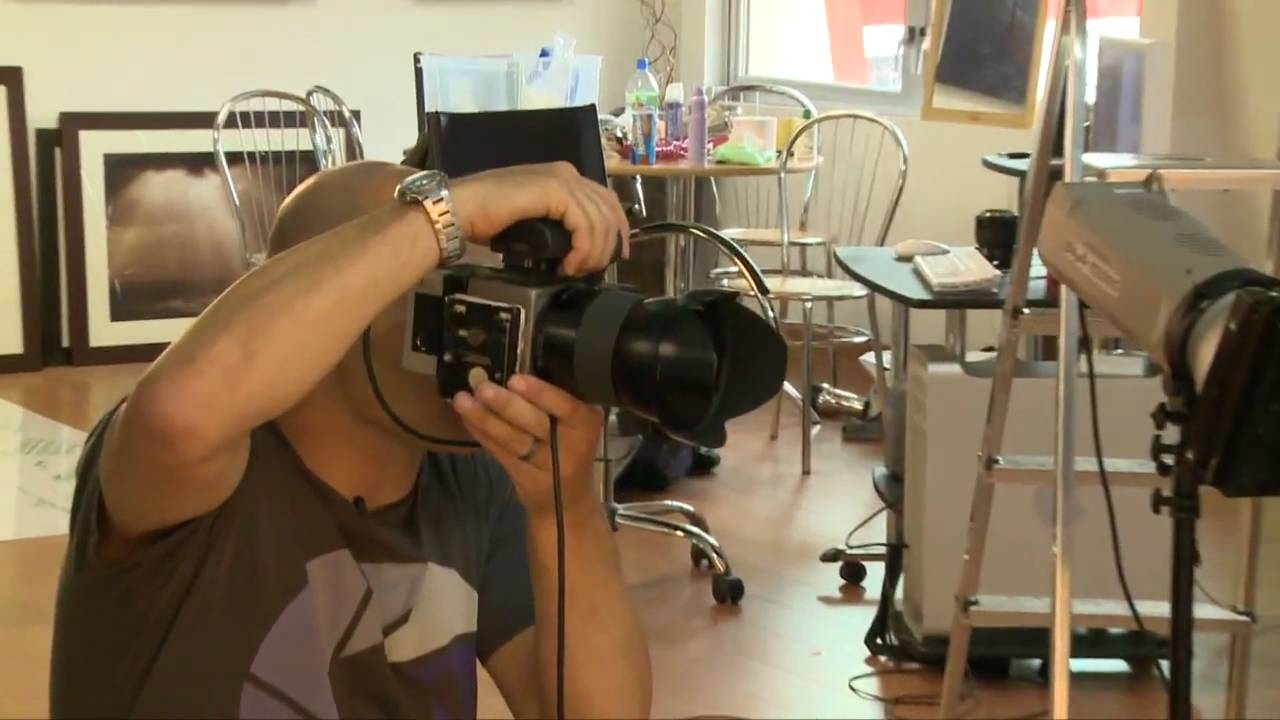
Every time I hand off a tethered setup to a newer shooter in my studio, I watch them fumble through the same twenty minutes of confusion I went through years ago. Wrong session folder, camera not recognized, images flying into some mystery directory. Tethering should make your shoot faster and more collaborative. When it’s misconfigured, it just adds friction at the worst possible moment. That’s exactly why this CreativeLive tutorial caught my attention.

Five Pro Lighting Moves I Stole From This Tutorial (And Now Use On Every Shoot)

Five Pro Lighting Moves I Stole From This Tutorial (And Now Use On Every Shoot)

Client budgets have a way of demanding that you look like you had three times the crew you actually did. That pressure is where real lighting craft gets built. Over the years I’ve leaned hard on tutorials from photographers who think in systems rather than happy accidents, which is why I keep coming back to Visual Education’s work. Their approach to breaking down professional setups into repeatable steps is exactly how I think about lighting myself.

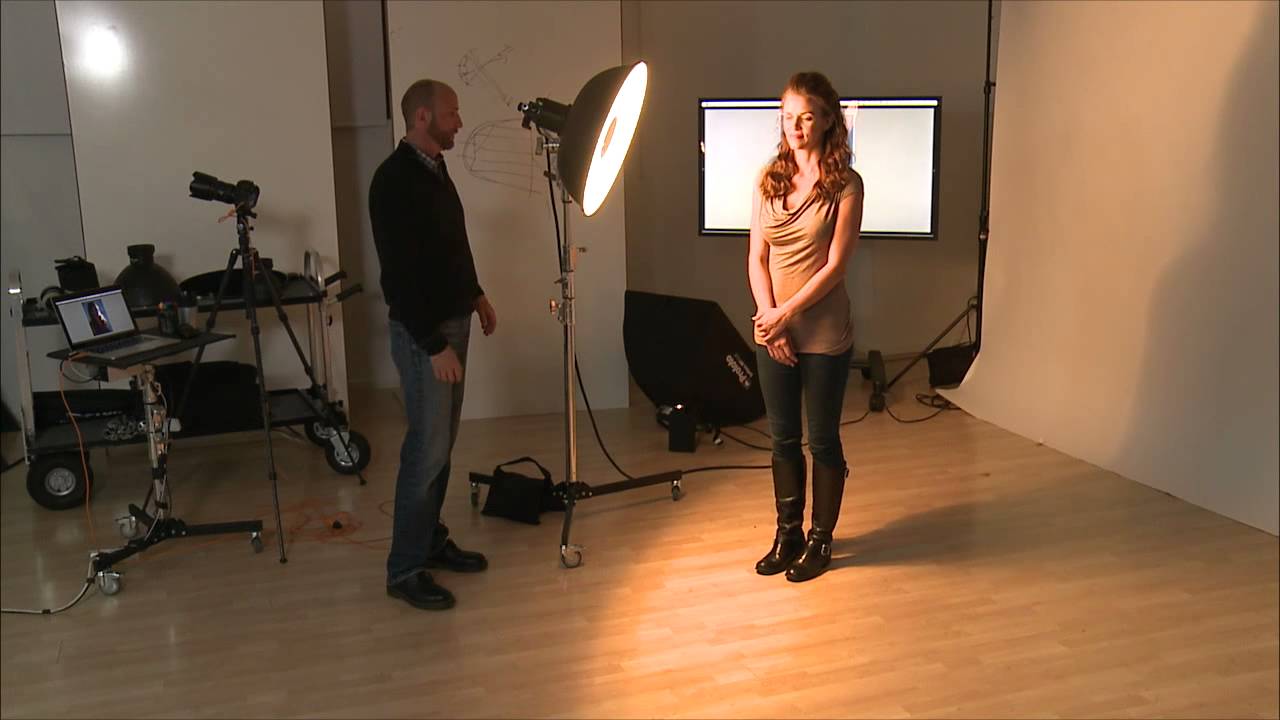
Beauty Dish Basics: What Jessica Kobeissi's Studio Tutorial Taught Me About Light Placement

Beauty Dish Basics: What Jessica Kobeissi's Studio Tutorial Taught Me About Light Placement

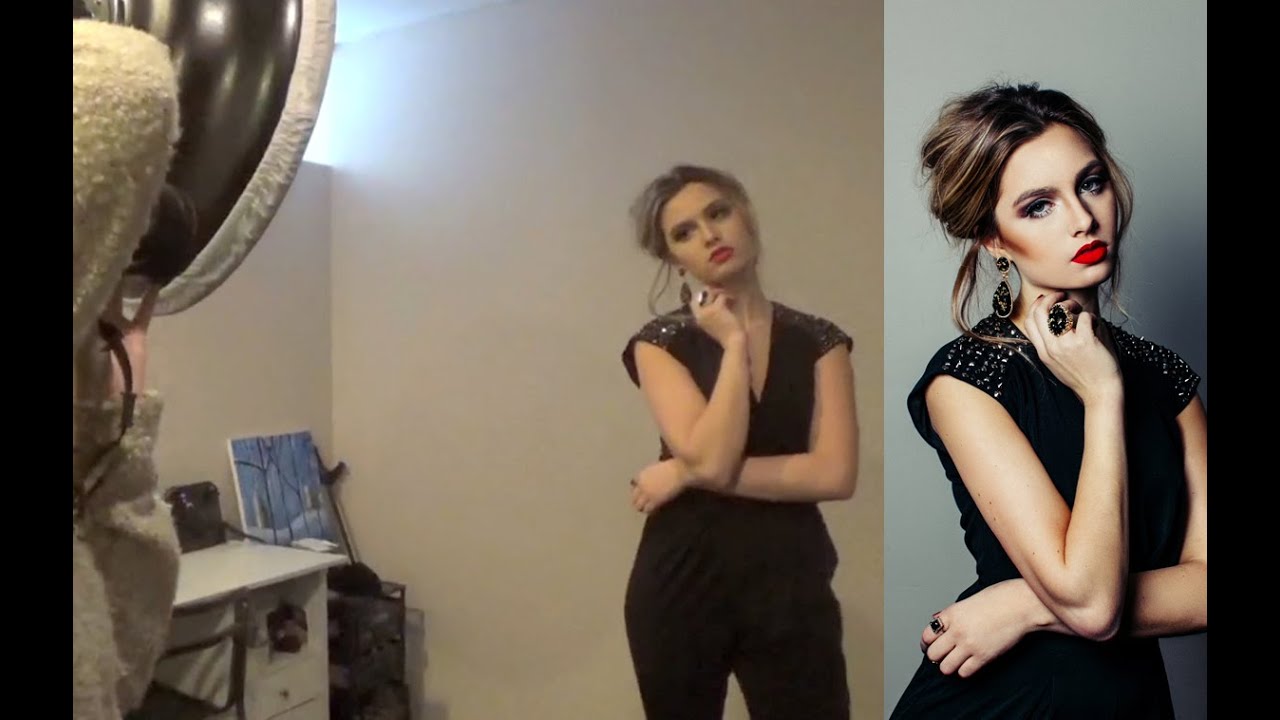
Every time I take on a new modifier, I test it the day it arrives. That is a rule I set for myself years ago after walking into a campaign shoot having never fired the strobe I’d rented. The images were usable. Barely. I’ve never made that mistake again. So when I came across a studio portrait session documented by photographer Jessica Kobeissi, I watched it the way I watch most tutorials from working photographers: looking for the decision-making, not just the gear list.

Beauty Dish, Black Backdrop, and Rim Lighting: A Working Photographer's Breakdown of Fashion Studio Setup

Beauty Dish, Black Backdrop, and Rim Lighting: A Working Photographer's Breakdown of Fashion Studio Setup

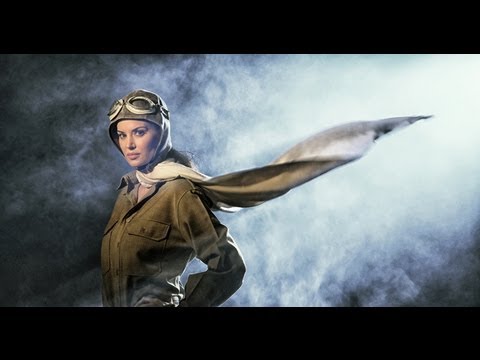
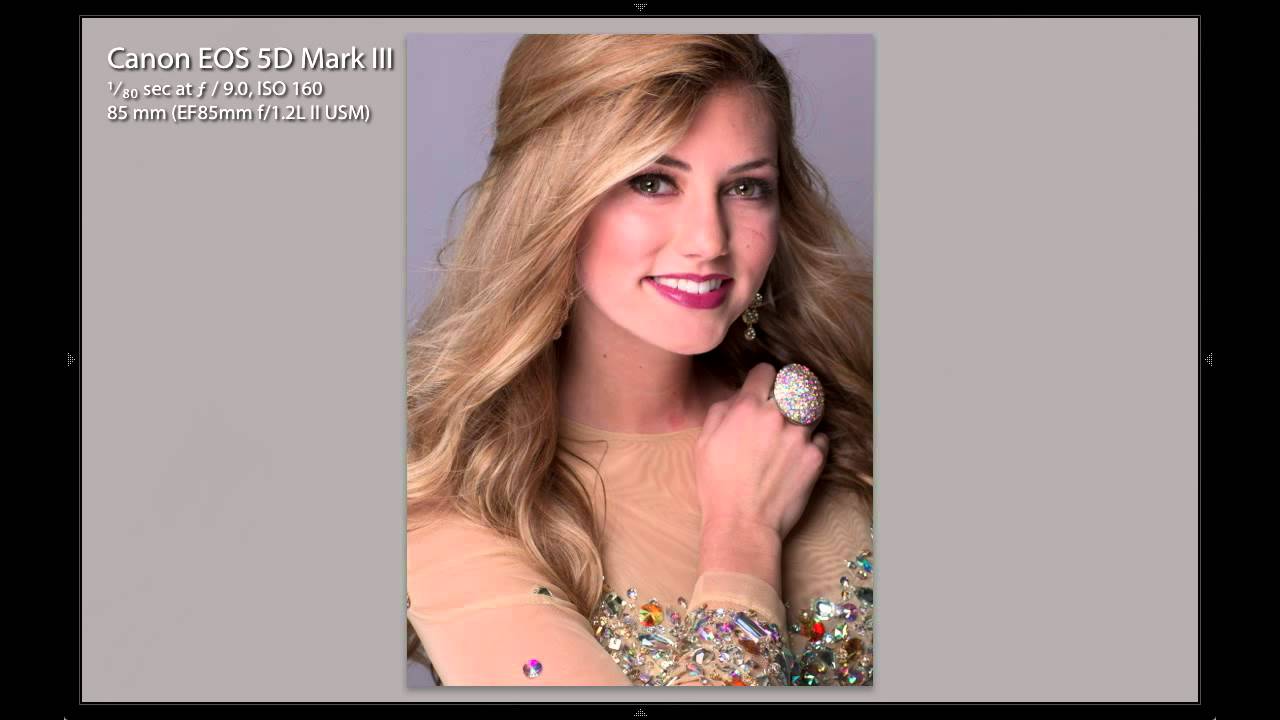
Every few years I find a tutorial that cuts through the noise and shows someone actually working, not just explaining theory in front of a whiteboard. In this Tony & Chelsea Northrup tutorial on fashion and glamour photography, Chelsea walks through the full process behind a low-key beauty shoot: lighting placement, lens choice, camera settings, posing, and post-processing. Watch the full tutorial on YouTube before or after reading this breakdown. Either way, you’ll get more out of it.

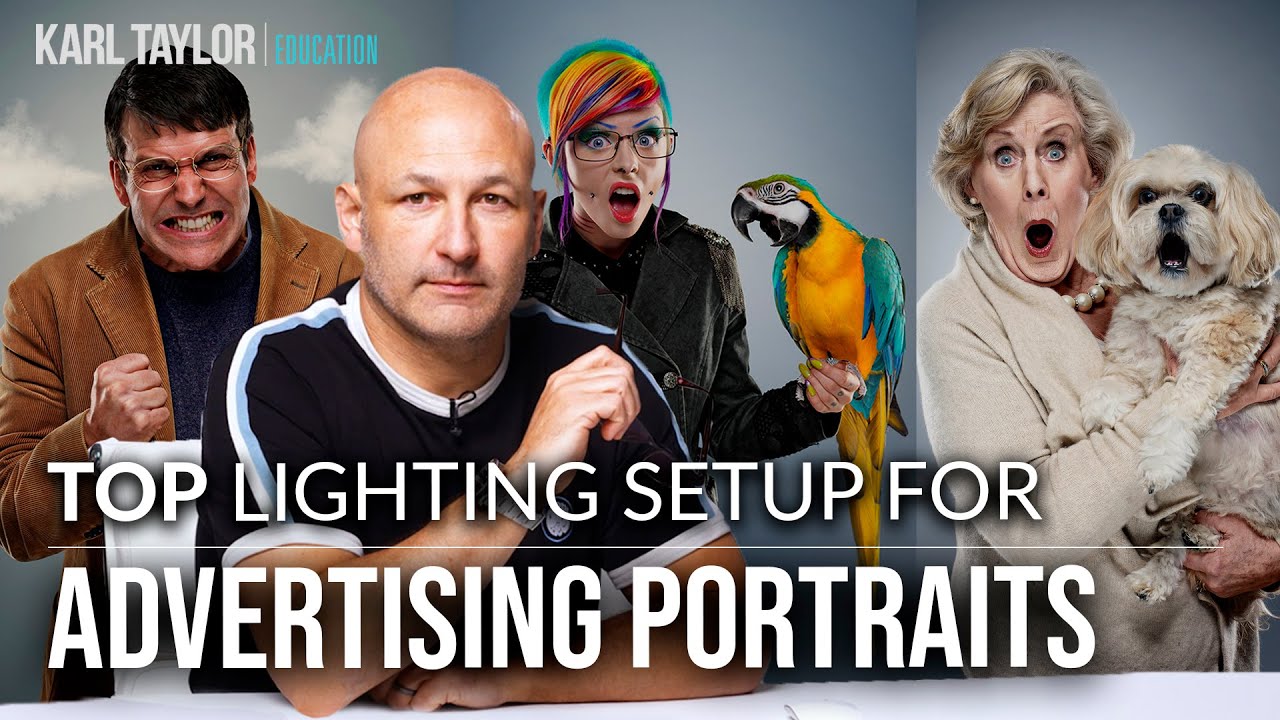
Lighting the Angry Man: How a Beauty Dish, Rim Lights, and a Tri-Reflector Build Controlled Drama

Lighting the Angry Man: How a Beauty Dish, Rim Lights, and a Tri-Reflector Build Controlled Drama

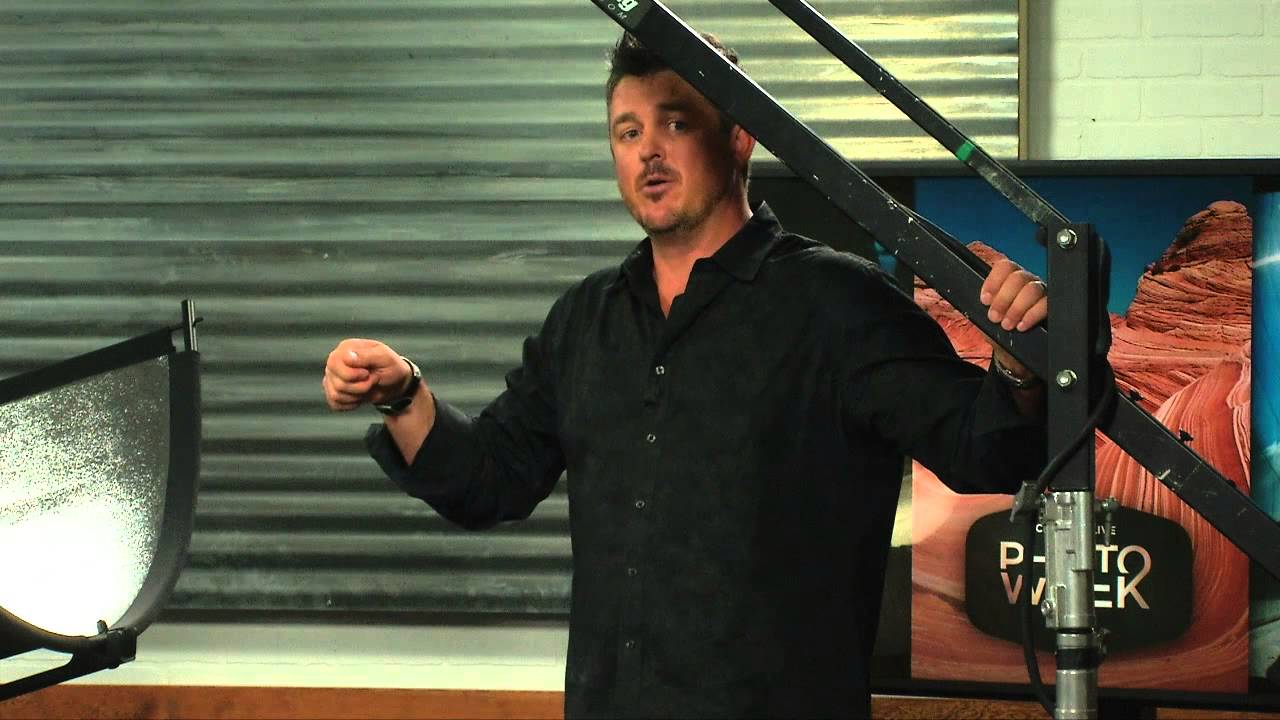
There is a specific kind of commercial brief that makes photographers nervous: shoot someone looking genuinely furious, on a white or neutral background, and make it feel like a real person, not a Halloween mask. The expression has to land, yes. But the lighting either sells the emotion or kills it. Flat, even light turns anger into mild annoyance. The wrong rim can make a scowling face look like a horror poster.

Two Hot Lights, One Compelling Portrait: What This Continuous Lighting Setup Actually Teaches You

Two Hot Lights, One Compelling Portrait: What This Continuous Lighting Setup Actually Teaches You

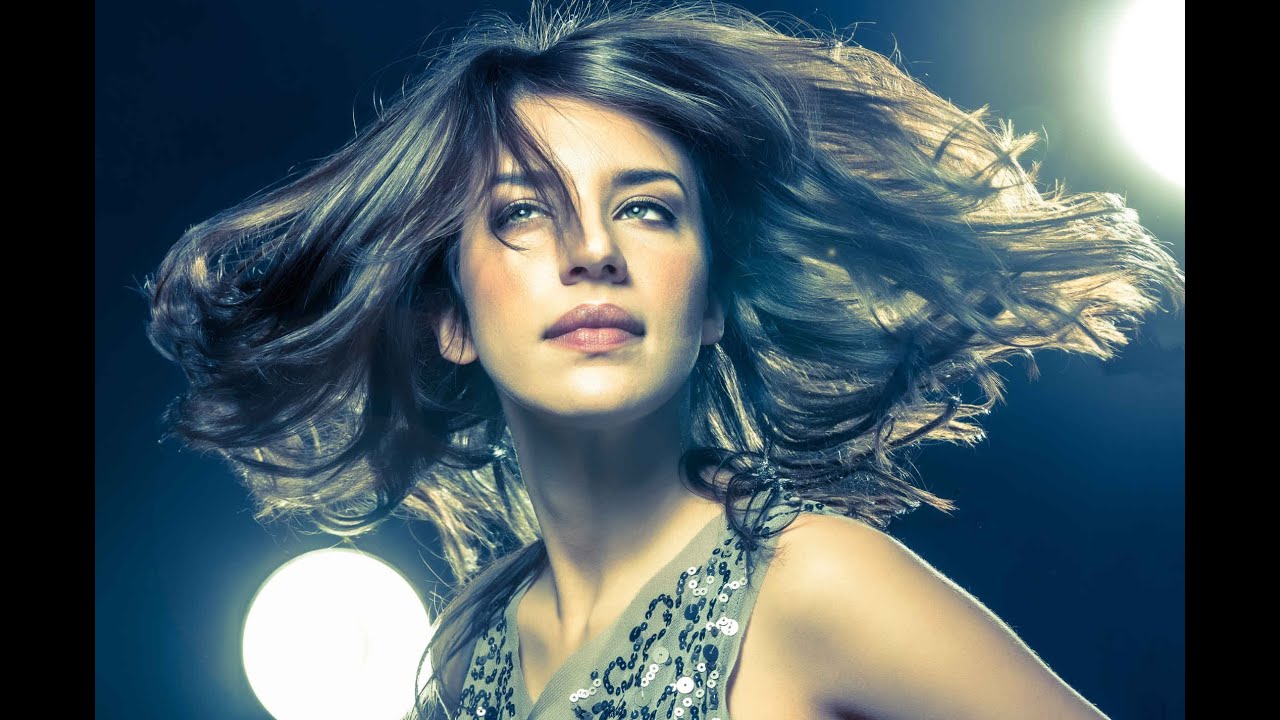
Continuous lighting used to be a compromise I made reluctantly. Strobes were precise, repeatable, and fast. Hot lights felt like a workaround for filmmakers who hadn’t fully committed to either medium. Then I started getting more hybrid jobs, clients who wanted a behind-the-scenes reel alongside the stills, and my entire attitude shifted. You can’t fire a strobe at 24 frames per second. Continuous light, once you understand how to manage it, stops being a limitation and starts being a genuinely elegant solution.

Butterfly Lighting Step by Step: What the Setup Actually Looks Like in Practice

Butterfly Lighting Step by Step: What the Setup Actually Looks Like in Practice

Butterfly lighting is one of those techniques that sounds simple until you try to explain it to someone who has never seen the shadow you’re chasing. I’ve sketched it in my lighting journal probably a dozen times, handed the diagram to assistants, and still watched them position the key light wrong on the first try. The concept is clean: one light, centered above the lens axis, angled down to cast a small, symmetrical shadow directly beneath the subject’s nose.

Beauty Dish, Fill Card, and the Posing Logic Behind a Powerful Headshot

Beauty Dish, Fill Card, and the Posing Logic Behind a Powerful Headshot

Headshots are the shoot I get called for most often that I also see done worst most often. Not because photographers don’t understand light, but because they treat headshots like portraits. They’re not the same thing. A portrait can afford to be atmospheric. A headshot has one job: make this person look like the most commanding version of themselves. That requires a completely different posing vocabulary and a lighting setup precise enough to be repeatable.

Light Modifiers Explained: Softboxes, Umbrellas, and Beauty Dishes

Light Modifiers Explained: Softboxes, Umbrellas, and Beauty Dishes

A bare flash produces a small, intense point of light. Modifiers reshape that light before it reaches your subject, changing its size, direction, quality, and spread. Choosing the right modifier is one of the most consequential decisions you make in a studio setup. Softboxes A softbox is an enclosed box with reflective interior walls and a translucent front panel. Light bounces inside the box before passing through the diffusion material, producing even, controlled illumination.