Why Your Flash Looks Nothing Like the Tutorial (And How to Fix the Gap Between Power and Output)

Why Your Flash Looks Nothing Like the Tutorial (And How to Fix the Gap Between Power and Output)

The Number on the Dial Is Not the Light on Your Subject I’ve been taping labels on every light in my studio since about 2009. Each piece of gaffer tape has the unit’s actual measured output at full power, the modifier currently mounted, and the distance I most commonly park it from my subject. It looks obsessive, I know. But the reason I started doing it is simple: I got tired of the number on the back of the strobe lying to me.
Packs, Monoblocks, and the Long Road to a Lighting System That Actually Works for You

Packs, Monoblocks, and the Long Road to a Lighting System That Actually Works for You

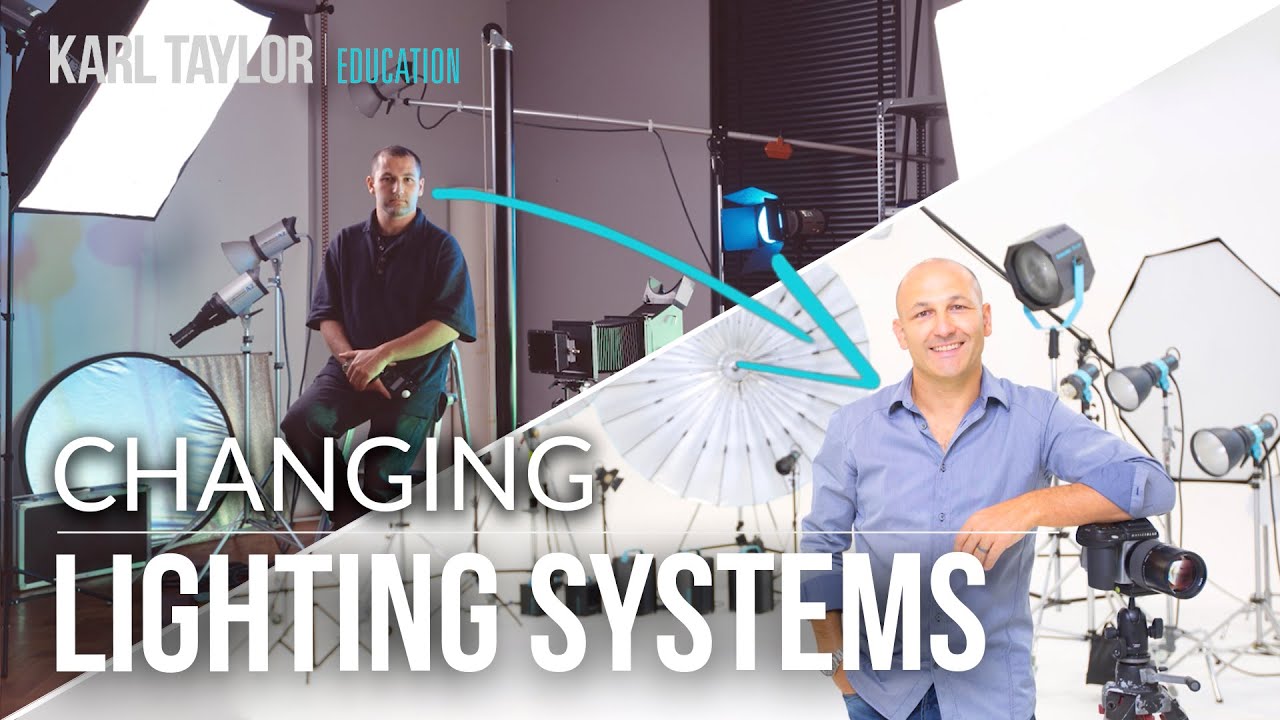
I spent years shooting with the same lighting system out of inertia. Not loyalty, not satisfaction — inertia. Switching meant replacing modifiers, learning new mount systems, retiring gear that still technically worked. So I kept renting when a job demanded something my kit couldn’t deliver, telling myself it was more practical than committing to a full system change. It wasn’t until I started losing hours on set to workarounds that I finally admitted the system was slowing me down.

How to Balance Ambient and Strobe Light On Location: A Working Photographer's Breakdown

How to Balance Ambient and Strobe Light On Location: A Working Photographer's Breakdown

There is a specific kind of frustration that comes from nailing your strobe exposure and completely blowing out your background, or the opposite: beautiful ambient light behind your subject while they look like a cardboard cutout in the foreground. Getting strobes and natural light to coexist in a single frame is one of those skills that sounds simple and behaves otherwise. I spent years treating them as separate problems to solve one at a time.

How to Photograph Exploding Paint Using Fast Flash: A Studio Breakdown

How to Photograph Exploding Paint Using Fast Flash: A Studio Breakdown

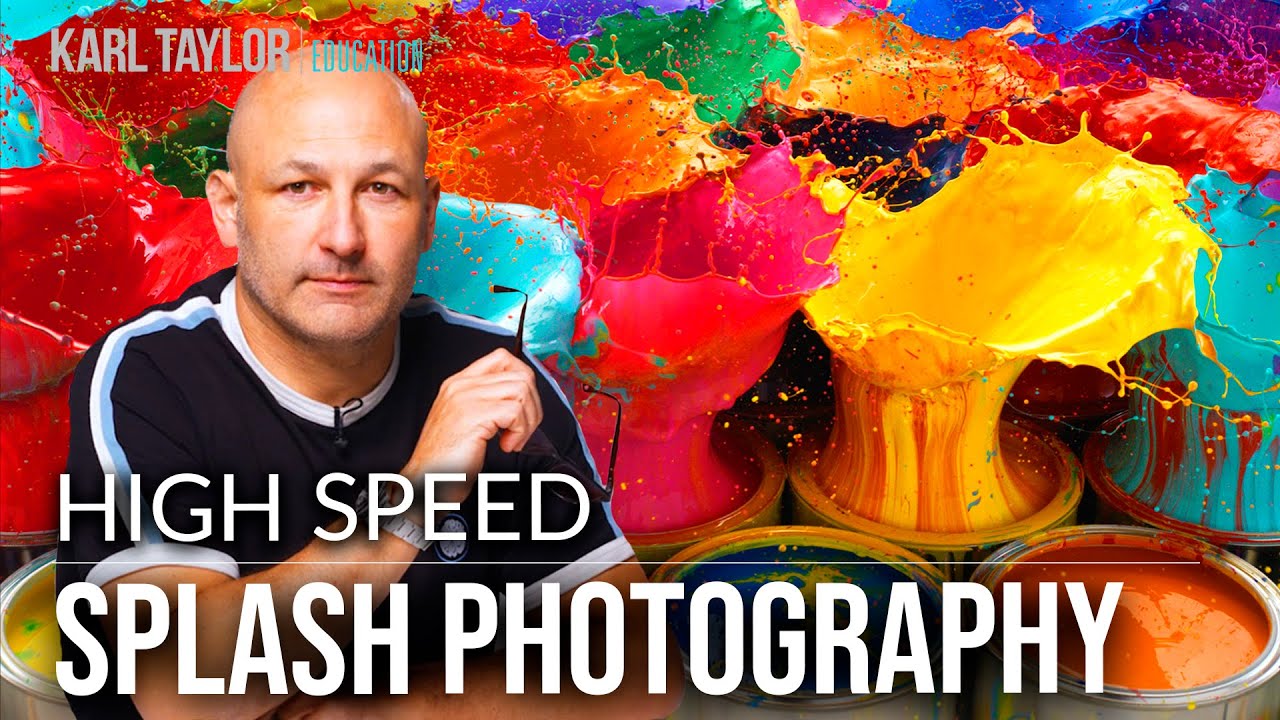
Client inquiries come in waves, and every few years a category of image starts showing up on mood boards constantly. Explosive product shots, the kind where paint or powder or liquid appears to detonate off a surface, have been on those boards for years. Every time I get a brief that gestures at that aesthetic, I go back to basics: how do you actually freeze motion that fast, how do you light something chaotic and reflective, and how do you rig a repeatable trigger mechanism without rigging anything dangerous?

Flash Photography Fundamentals: What Tony & Chelsea Northrup's New Training Series Gets Right

Flash Photography Fundamentals: What Tony & Chelsea Northrup's New Training Series Gets Right

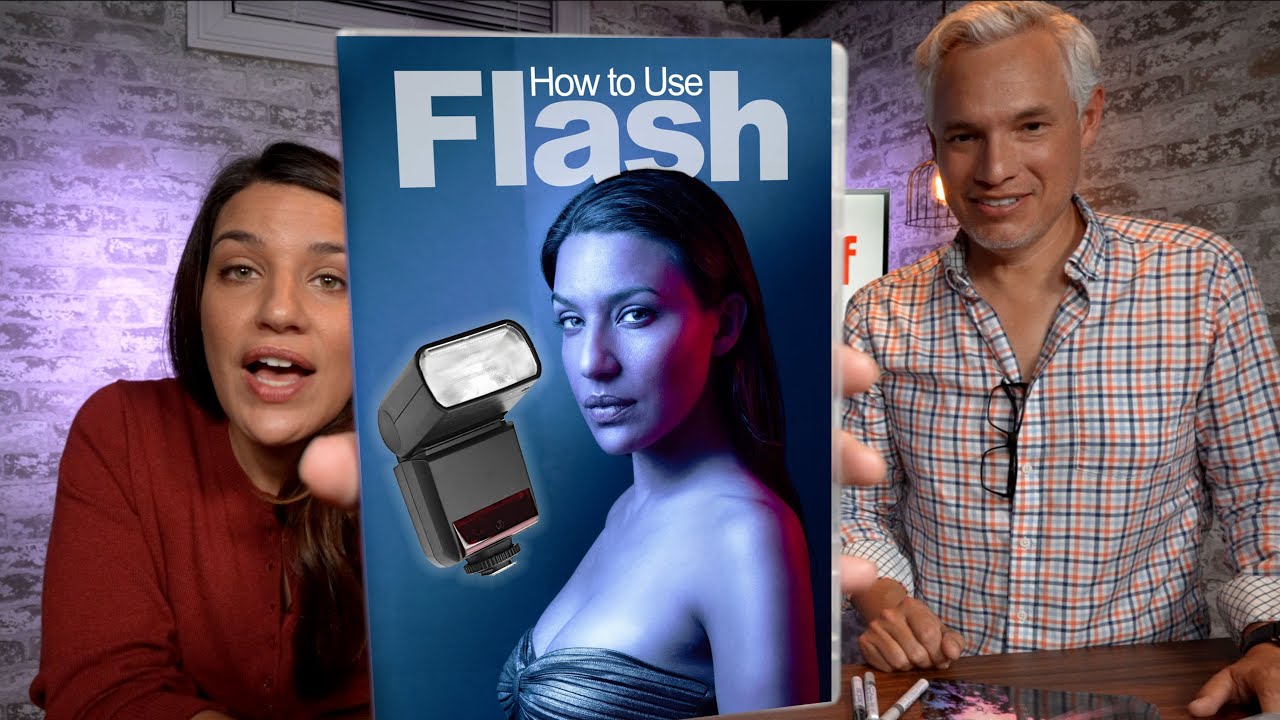
Every few months I get a message from a photographer who’s serious about their work, shoots constantly, and still hasn’t touched their flash. Not because they don’t own one. Because they’re afraid of it. I understand that fear more than most people would expect from someone who labels every light in his studio with masking tape and sketches setups in a journal after every shoot. I was that photographer once, convinced that good light was something you found, not something you built.

One Light, One Strip Bank, and Why Groom Portraits Deserve More Attention Than They Get

One Light, One Strip Bank, and Why Groom Portraits Deserve More Attention Than They Get

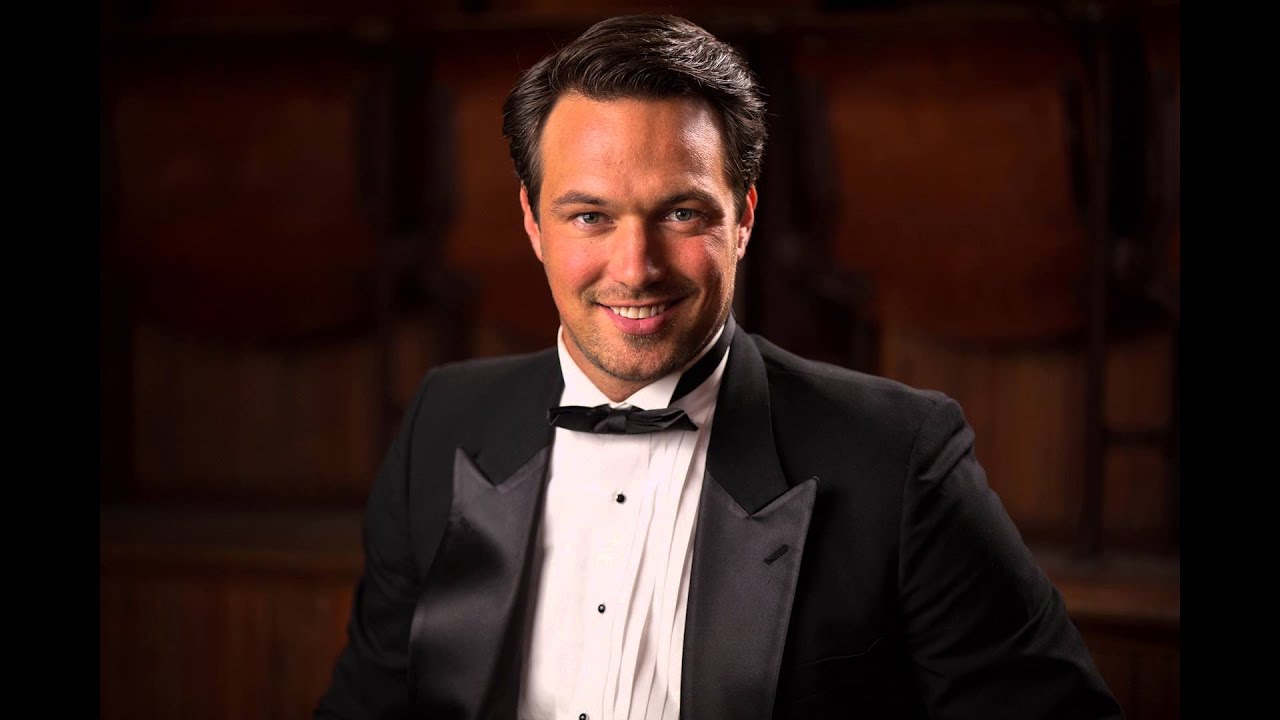
Groom portraits are the forgotten child of wedding photography. Every tutorial, every lighting course, every lighting diagram pinned to a studio wall is overwhelmingly built around the bride. The groom gets five minutes between the ceremony and the cocktail hour, a pat on the shoulder, and a standing pose in front of whatever wall happens to be nearby. I’ve been guilty of this myself, and the results show it. The images are flat, rushed, and forgettable.

What Can $500 Actually Buy You in Studio Lighting? A Working Photographer's Breakdown

What Can $500 Actually Buy You in Studio Lighting? A Working Photographer's Breakdown

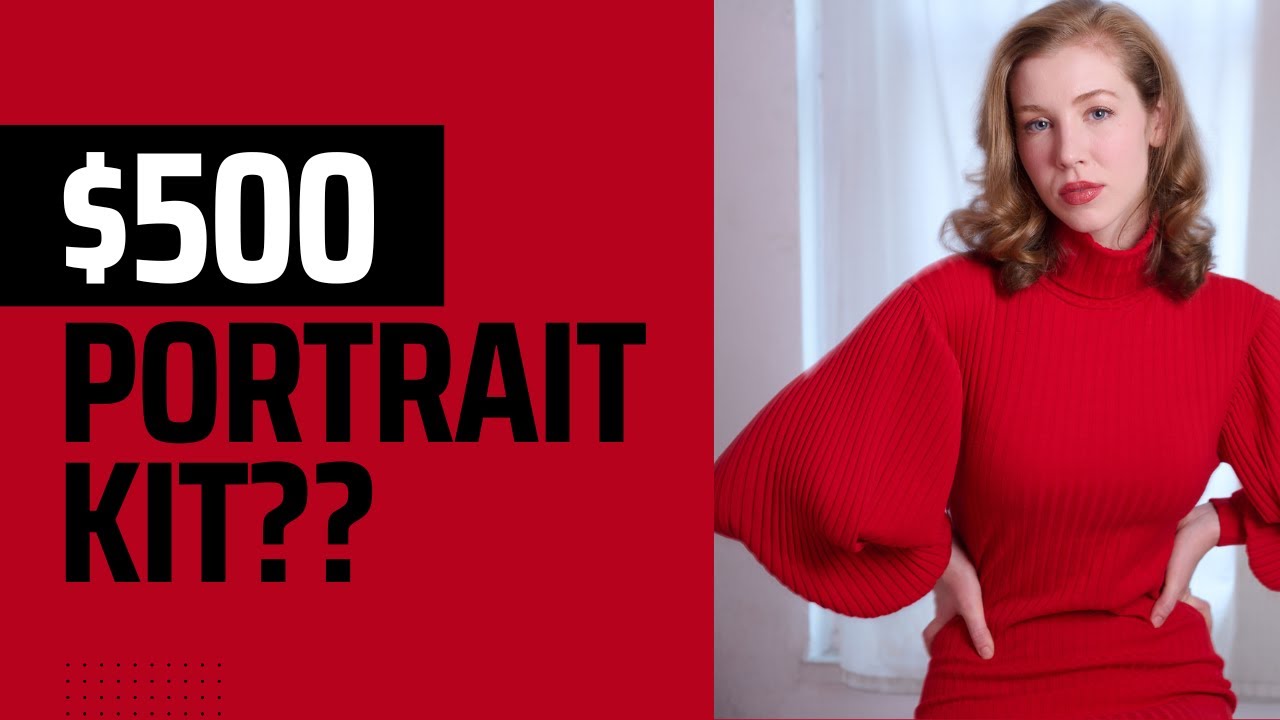
Every few months, someone emails me asking some version of the same question: “I have a few hundred dollars. What do I actually buy?” It’s a reasonable question, and it deserves a better answer than “it depends” or a link to a forum thread from 2014. Most budget gear guides are written by people who either have no idea what professionals actually use or are trying to sell you something. So when I came across Watch the full tutorial on YouTube by Daniel Norton Photographer, I sat up straight.

Why Your Flash Photos Look Flat (And the One Ratio That Fixes Almost Everything)

Why Your Flash Photos Look Flat (And the One Ratio That Fixes Almost Everything)

The Shot That Cost Me a Client I was twenty-nine, and I had just landed my first real editorial job. The brief was a six-page fashion spread, decent budget, a full studio day. I showed up confident. I had my flashes dialed, my backdrop pressed, my assistant briefed. What I did not have was a properly calibrated color temperature across my lights. Two of my strobes were older units running warmer than the others.

Why Your Flash Photos Look Flat (And the One Setting Most Photographers Never Touch)

Why Your Flash Photos Look Flat (And the One Setting Most Photographers Never Touch)

The Shot That Almost Ended My Career Before It Started I was twenty-six, second year shooting professionally, and I had just landed my first real editorial assignment. A fashion spread for a regional magazine, nothing massive, but it mattered. I showed up, set my lights, shot the whole day feeling confident. The images came back from the lab with a color cast so green it looked like the model was standing inside a fish tank.

Two Paths to Better Flash: Neewer's Latest Studio and Location Solutions Compared

Two Paths to Better Flash: Neewer's Latest Studio and Location Solutions Compared

A Tale of Two Flash Philosophies I’ve spent enough time in both studio environments and on location shoots to know that one flash rarely serves all purposes well. Neewer seems to understand this fundamental truth, which is why their latest releases—the Q120 and Z3R—represent distinctly different answers to the question of what modern photographers actually need. The real question isn’t which flash is better. It’s which one solves your problems.

Why Your Group Shots Look Flat (And the Lighting Math That Fixes It)

Why Your Group Shots Look Flat (And the Lighting Math That Fixes It)

Group photography broke my brain the first time I had to light more than three people in a studio. I was shooting a seven-person executive portrait for a corporate client, early in my career, and I did what most photographers do: I pointed a softbox at them and hoped for a decent result. The images came back with the center subjects two stops brighter than the people on the ends, half the faces carrying ugly shadows from the modeling lights I hadn’t accounted for, and the client politely asking if we could “try again sometime.

Flash Photography: Stop Relying on Camera Settings and Start Understanding Light

Flash Photography: Stop Relying on Camera Settings and Start Understanding Light

Flash Photography: Stop Relying on Camera Settings and Start Understanding Light I’m going to say something that will upset some people: your camera settings don’t matter nearly as much as you think they do. What matters is understanding how flash behaves, then building your lighting around that behavior. After twenty years of shooting with flash—from cramped hotel rooms to purpose-built studios—I’ve learned that photographers spend too much time fiddling with shutter speed and ISO, and far too little time understanding the actual light in front of their subject.