Why Your Group Shots Look Flat (And the Lighting Math That Fixes It)

Why Your Group Shots Look Flat (And the Lighting Math That Fixes It)

Group photography broke my brain the first time I had to light more than three people in a studio. I was shooting a seven-person executive portrait for a corporate client, early in my career, and I did what most photographers do: I pointed a softbox at them and hoped for a decent result. The images came back with the center subjects two stops brighter than the people on the ends, half the faces carrying ugly shadows from the modeling lights I hadn’t accounted for, and the client politely asking if we could “try again sometime.

Flash Photography: Stop Relying on Camera Settings and Start Understanding Light

Flash Photography: Stop Relying on Camera Settings and Start Understanding Light

Flash Photography: Stop Relying on Camera Settings and Start Understanding Light I’m going to say something that will upset some people: your camera settings don’t matter nearly as much as you think they do. What matters is understanding how flash behaves, then building your lighting around that behavior. After twenty years of shooting with flash—from cramped hotel rooms to purpose-built studios—I’ve learned that photographers spend too much time fiddling with shutter speed and ISO, and far too little time understanding the actual light in front of their subject.

Flash Photography: The Recipe for Consistent, Controllable Light

Flash Photography: The Recipe for Consistent, Controllable Light

Flash Photography: The Recipe for Consistent, Controllable Light I’ve spent twenty years in studios, and I’ll say it plainly: photographers who master flash are photographers who control their output. Natural light is beautiful but unreliable. Flash is your ingredient list—measure it correctly, and you get repeatable results every single time. Why Flash Matters (Beyond Just Brightness) Flash isn’t about filling a dark room. It’s about precision. When you dial in your flash power, you’re setting an exact amount of light.

Master Portable Strobe Photography: The One-Light Setup That Replaces a Studio

Master Portable Strobe Photography: The One-Light Setup That Replaces a Studio

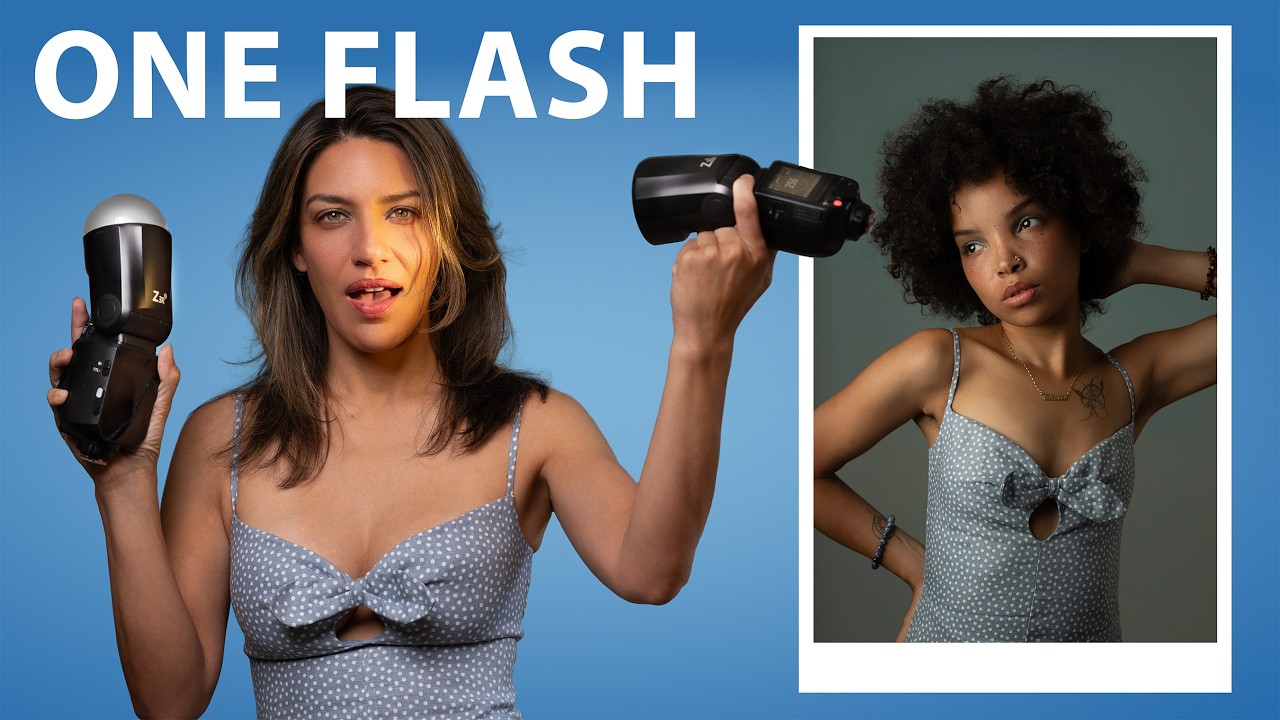
I shoot commercial work in controlled environments most weeks. Coved walls, modifiers on stands I’ve labeled with masking tape, a lighting diagram already drafted before the talent walks in. So when a client calls asking for “something more editorial, more outdoor, more alive,” I have to shift gears fast. The problem isn’t creative willingness. The problem is translating the precision I rely on in the studio into a single-strobe location kit that still delivers consistent, professional results across multiple setups in the same session.

Flash Photography: The Recipe for Consistent Studio Lighting

Flash Photography: The Recipe for Consistent Studio Lighting

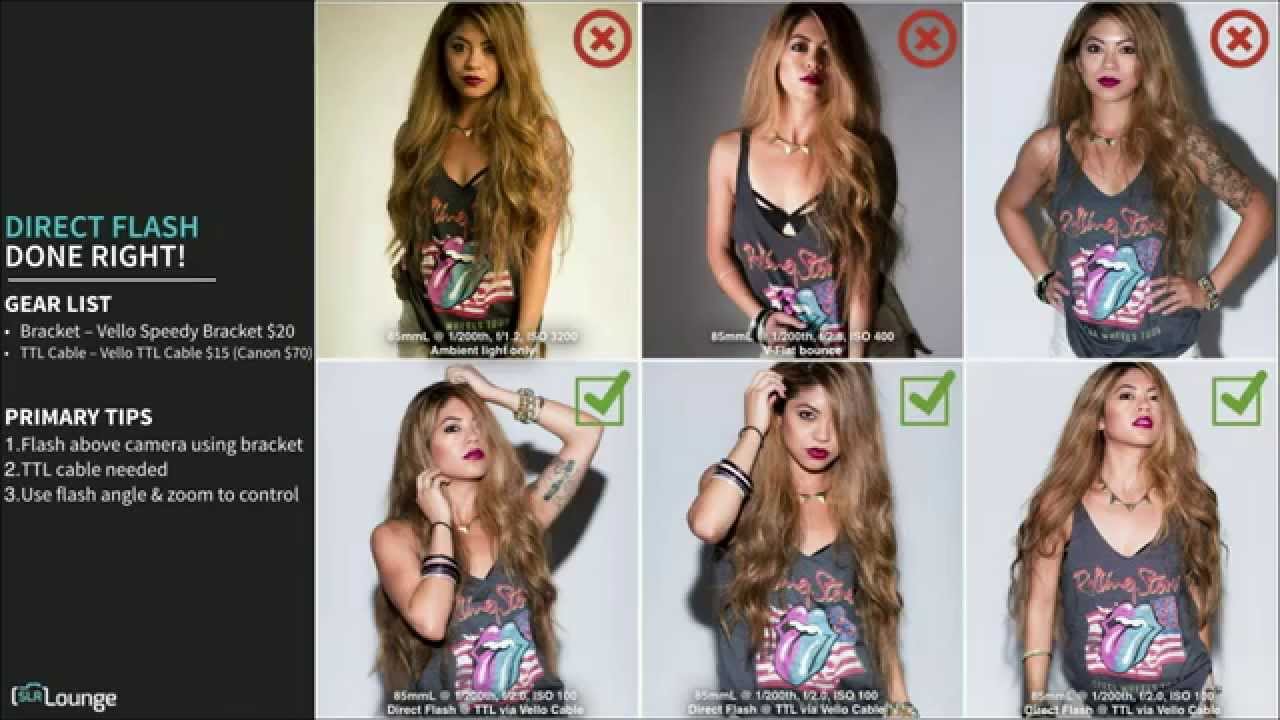
Flash Photography: The Recipe for Consistent Studio Lighting I’ve watched too many photographers treat flash like an afterthought—a last resort when natural light fails. That’s backwards. Flash is the most controllable light source available, and when you understand it properly, you’ll produce more consistent results than you ever will chasing window light. Understanding Flash Fundamentals Flash photography works like a precise recipe: get one ingredient wrong, and the entire dish suffers.

Flash Photography Fundamentals: The Recipe for Consistent, Controlled Light

Flash Photography Fundamentals: The Recipe for Consistent, Controlled Light

Flash Photography Fundamentals: The Recipe for Consistent, Controlled Light I’ve spent twenty years working with flash, and I can tell you this: most photographers use it as a last resort instead of a primary tool. That’s a mistake. Flash isn’t a backup—it’s precision lighting you can carry in your bag. When you understand how to control it, you’ll never again accept flat, unpredictable ambient light. The Three Variables You Must Master Think of flash exposure like baking.

Flash Photography Fundamentals: Control Light Like a Professional

Flash Photography Fundamentals: Control Light Like a Professional

Flash Photography Fundamentals: Control Light Like a Professional I’ve watched photographers spend thousands on flash equipment only to produce flat, unflattering light. The problem isn’t the gear—it’s the approach. Flash photography isn’t mysterious. It’s a system, and once you understand the mechanics, you control the outcome with precision. The Core Principle: Inverse Square Law Governs Everything Every flash decision flows from one physical law: light intensity drops by a quarter every time you double the distance from source to subject.

Flash Photography Fundamentals: Building Your Technique from the Ground Up

Flash Photography Fundamentals: Building Your Technique from the Ground Up

Flash Photography Fundamentals: Building Your Technique from the Ground Up I’ve spent twenty years in studios watching photographers stumble with flash because they treat it like an on-off switch rather than a precision tool. Flash intimidates people. It shouldn’t. Once you understand the mechanics, it becomes as controllable as any other light source—sometimes more so. The Core Recipe: Understanding Flash Exposure Flash exposure works differently than ambient light, and this is where most photographers lose control.

Best Lighting Gear for Portrait Photography in 2026

Best Lighting Gear for Portrait Photography in 2026

Best Lighting Gear for Portrait Photography in 2026 I’ve been shooting portraits for twenty years, and I can tell you this with absolute certainty: your lighting setup determines everything. The lens matters. The camera matters. But lighting? Lighting is the difference between a snapshot and a portrait worth framing. The problem is that portrait photographers face a choice: go with continuous light for its simplicity and what-you-see-is-what-you-get predictability, or embrace flash for its power and versatility.