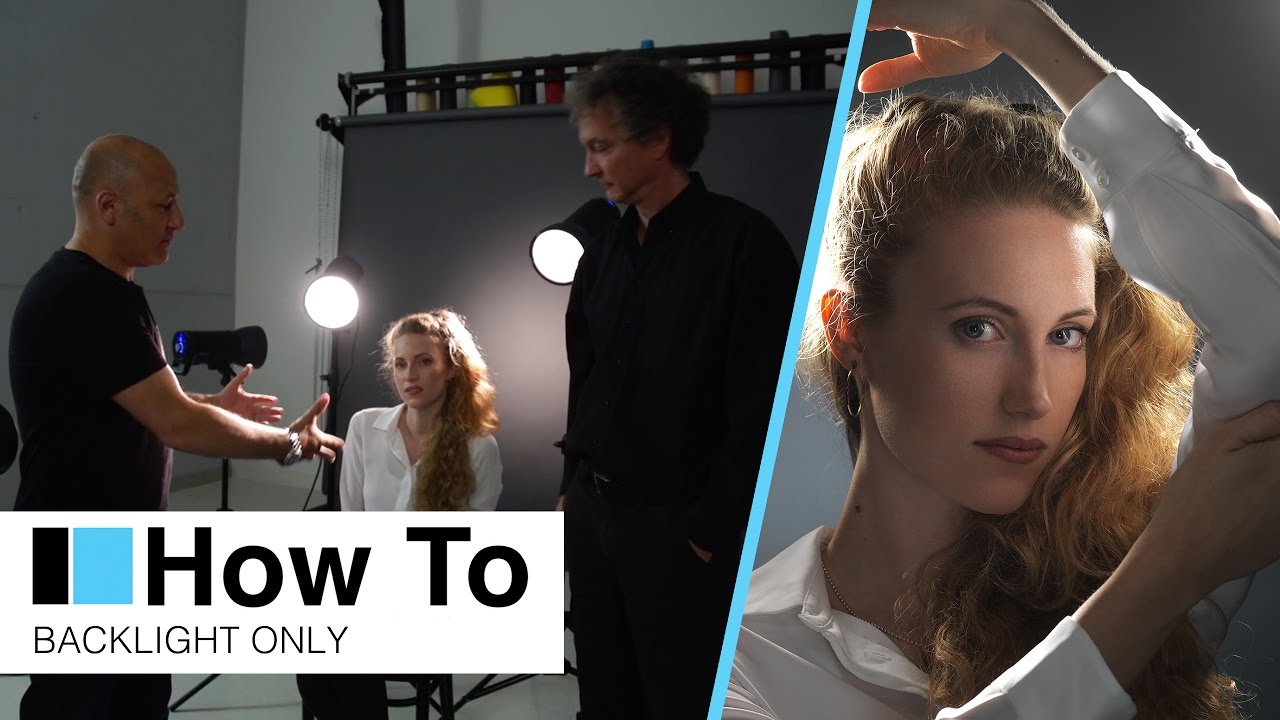
How to Light a Boudoir Scene With Depth, Glow, and Edge: A Four-Light Breakdown

How to Light a Boudoir Scene With Depth, Glow, and Edge: A Four-Light Breakdown

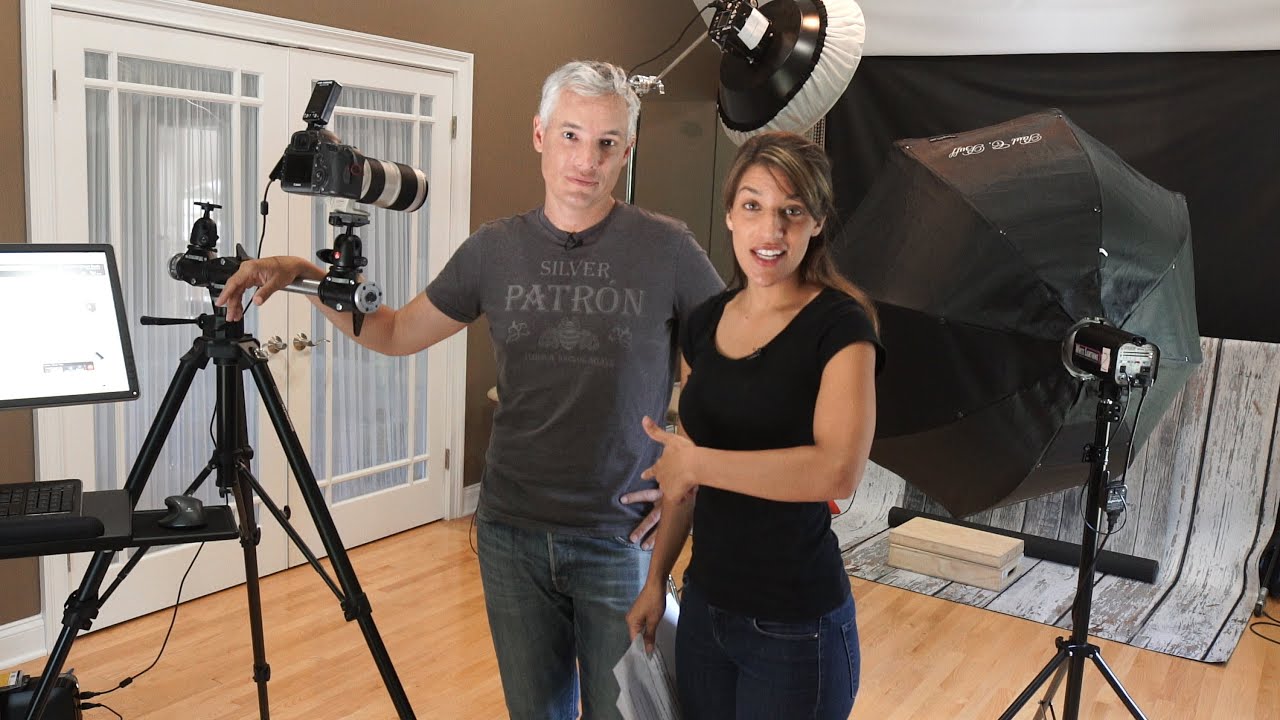
Boudoir is one of those genres that punishes lazy lighting more than almost anything else. The intimacy of the subject demands that every light feel intentional, warm, and placed with care. Too flat and the image reads like a passport photo. Too dramatic and you lose the mood entirely. For years I kept a tear-out from a European fashion magazine pinned above my lighting kit because I could not figure out how the photographer had layered background light against skin light so seamlessly.

The Octabox 150: A Working Photographer's Case for the Most Useful Modifier in the Studio

The Octabox 150: A Working Photographer's Case for the Most Useful Modifier in the Studio

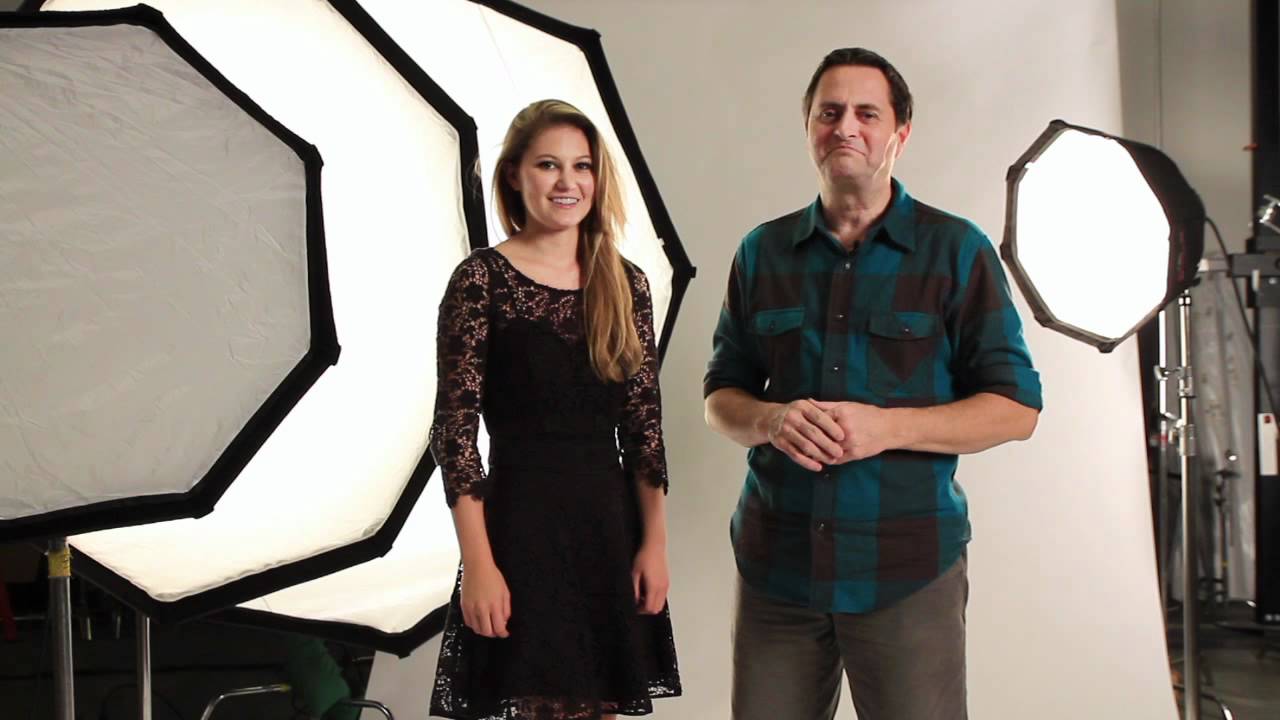
I have a masking tape label on almost every piece of gear in my studio. The octabox 150 gets its own label, but it also gets a permanent spot on the stand closest to my shooting position. That’s how often it goes up. When clients book a beauty or fashion job, this modifier is almost always my first pull. It’s large enough to wrap light around a face, forgiving enough for a moving subject, and controllable enough that I’m not fighting spill all day.

Flash Photography Fundamentals: What Tony & Chelsea Northrup's New Training Series Gets Right

Flash Photography Fundamentals: What Tony & Chelsea Northrup's New Training Series Gets Right

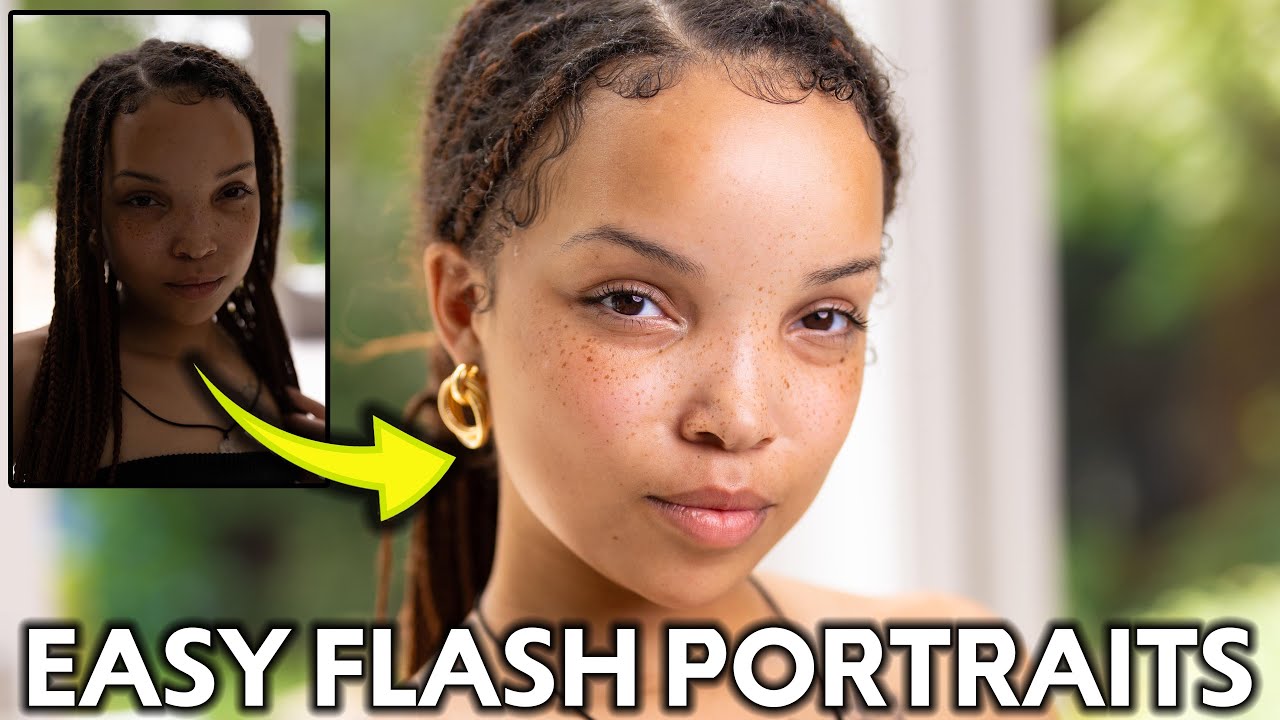
Every few months I get a message from a photographer who’s serious about their work, shoots constantly, and still hasn’t touched their flash. Not because they don’t own one. Because they’re afraid of it. I understand that fear more than most people would expect from someone who labels every light in his studio with masking tape and sketches setups in a journal after every shoot. I was that photographer once, convinced that good light was something you found, not something you built.

Why Your Softbox Is Lying to You (And What to Use Instead)

Why Your Softbox Is Lying to You (And What to Use Instead)

Every modifier in my studio has a strip of masking tape on it with a label. Not a cute nickname. A descriptor: “36-inch octa,” “5-degree grid,” “48x36 strip.” I started doing this years ago because I got tired of grabbing the wrong tool in the middle of a tethered shoot while a client sat behind my monitor. The labeling habit sounds obsessive until the day it saves you from making a $4,000-an-hour mistake.

One Light, Five Modifiers: What Videographers Can Steal From Studio Photography

One Light, Five Modifiers: What Videographers Can Steal From Studio Photography

Every cinematographer I’ve ever talked to has a version of the same complaint: too much gear, not enough control. They’re hauling Fresnels and Source Fours and a Joker to get through a single interview setup, when half the time what they actually need is one well-modified light and the knowledge to shape it. That’s the tension JP Morgan at The Slanted Lens addresses head-on in his tutorial on using a single LED unit with interchangeable modifiers, and it’s worth breaking down for anyone who shoots both stills and video.

The Five Portrait Lighting Patterns Every Studio Photographer Needs to Own Cold

The Five Portrait Lighting Patterns Every Studio Photographer Needs to Own Cold

I keep a lighting journal. Every shoot, before I break down the set, I sketch the diagram, note the modifier, the distance, the ratio, the color temperature. I have over a decade of these notebooks stacked on a shelf in my studio, and when I flip back through them, one thing stands out: almost every successful portrait I have ever lit traces back to one of five foundational patterns. Not variations.

Three Lights, Two Gels, One Killer Fashion Frame: Breaking Down Aaron Nace's High-Fashion Vault Shoot

Three Lights, Two Gels, One Killer Fashion Frame: Breaking Down Aaron Nace's High-Fashion Vault Shoot

Every few months I pull out my lighting journal and flip back through old setups. Some of them make me cringe. Some of them remind me that the best lighting problems get solved before the model ever walks onto the set. The high-fashion vault shoot that Aaron Nace (PHLEARN) breaks down in his tutorial sits firmly in the second category. It’s a tight, purposeful lighting plan built around a location’s existing character, and watching it laid out step by step answered a question I’ve wrestled with on editorial jobs for years: how do you introduce color into a shot without making the skin look like a Halloween costume?

Why Your Flash Photos Look Flat (And the One Ratio That Fixes Almost Everything)

Why Your Flash Photos Look Flat (And the One Ratio That Fixes Almost Everything)

The Shot That Cost Me a Client I was twenty-nine, and I had just landed my first real editorial job. The brief was a six-page fashion spread, decent budget, a full studio day. I showed up confident. I had my flashes dialed, my backdrop pressed, my assistant briefed. What I did not have was a properly calibrated color temperature across my lights. Two of my strobes were older units running warmer than the others.

Why Your Flash Photos Look Flat (And the One Setting Most Photographers Never Touch)

Why Your Flash Photos Look Flat (And the One Setting Most Photographers Never Touch)

The Shot That Almost Ended My Career Before It Started I was twenty-six, second year shooting professionally, and I had just landed my first real editorial assignment. A fashion spread for a regional magazine, nothing massive, but it mattered. I showed up, set my lights, shot the whole day feeling confident. The images came back from the lab with a color cast so green it looked like the model was standing inside a fish tank.

Why Lighting Ratios Are the First Thing I Check When a Studio Shot Isn't Working

Why Lighting Ratios Are the First Thing I Check When a Studio Shot Isn't Working

A few months back I was mid-way through a beauty editorial, two hours in, and something was off. The skin tones looked flat on one side and blown out on the other, and I kept adjusting my key light position when the real problem was simpler and more embarrassing. My ratio was wrong. I had not set a deliberate relationship between my key and fill before the first frame. I was chasing a symptom instead of diagnosing the cause.

Why Your Flash Photos Look Flat (And the Exposure Triangle Isn't the Problem)

Why Your Flash Photos Look Flat (And the Exposure Triangle Isn't the Problem)

The Shot That Taught Me to Stop Guessing Early in my career, I booked a beauty editorial for a regional magazine. I’d been shooting ambient and speedlight work for years, and this was my first real studio strobe job. I had the gear, I had the location, and I had absolutely no system. I dialed in what looked right on the back of the camera, shot 400 frames, and delivered the files.

The Five Portrait Lighting Patterns Every Studio Shooter Needs to Own

The Five Portrait Lighting Patterns Every Studio Shooter Needs to Own

I keep a lighting journal. Every shoot, I sketch the setup in a small Leuchtturm notebook — light positions, modifier choices, distance to subject, power ratios. I’ve filled four of them. The reason I started was embarrassing: early in my career, I’d hit a look I loved on a Tuesday, and by Thursday I couldn’t recreate it. The variables had drifted and I had no record. Now every light in my studio has a strip of masking tape with its number, and every setup gets logged before I fire a single frame.