One Light, Two Lights, Three Lights: What Jessica Kobeissi's Studio Setup Tutorial Actually Teaches You

One Light, Two Lights, Three Lights: What Jessica Kobeissi's Studio Setup Tutorial Actually Teaches You

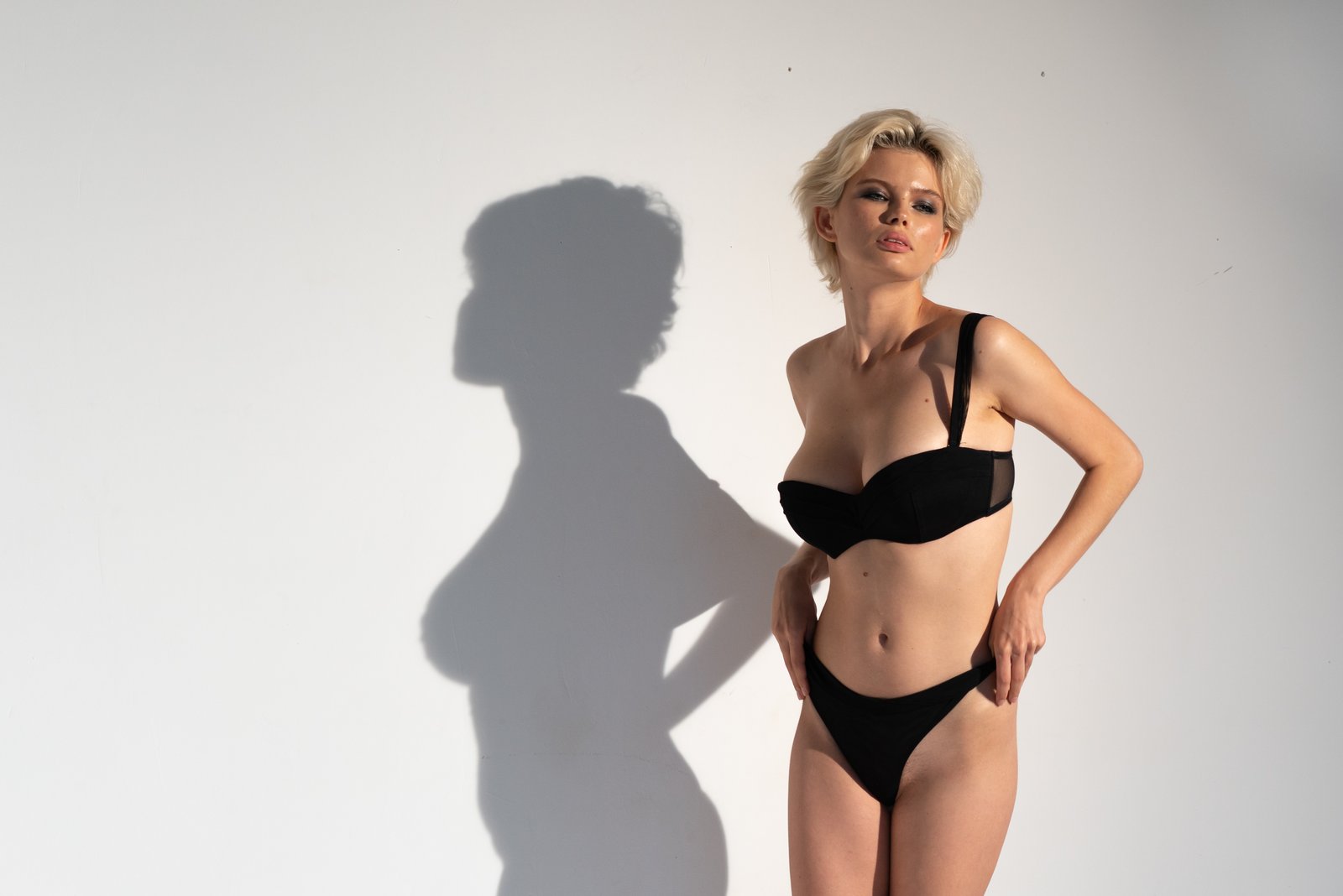
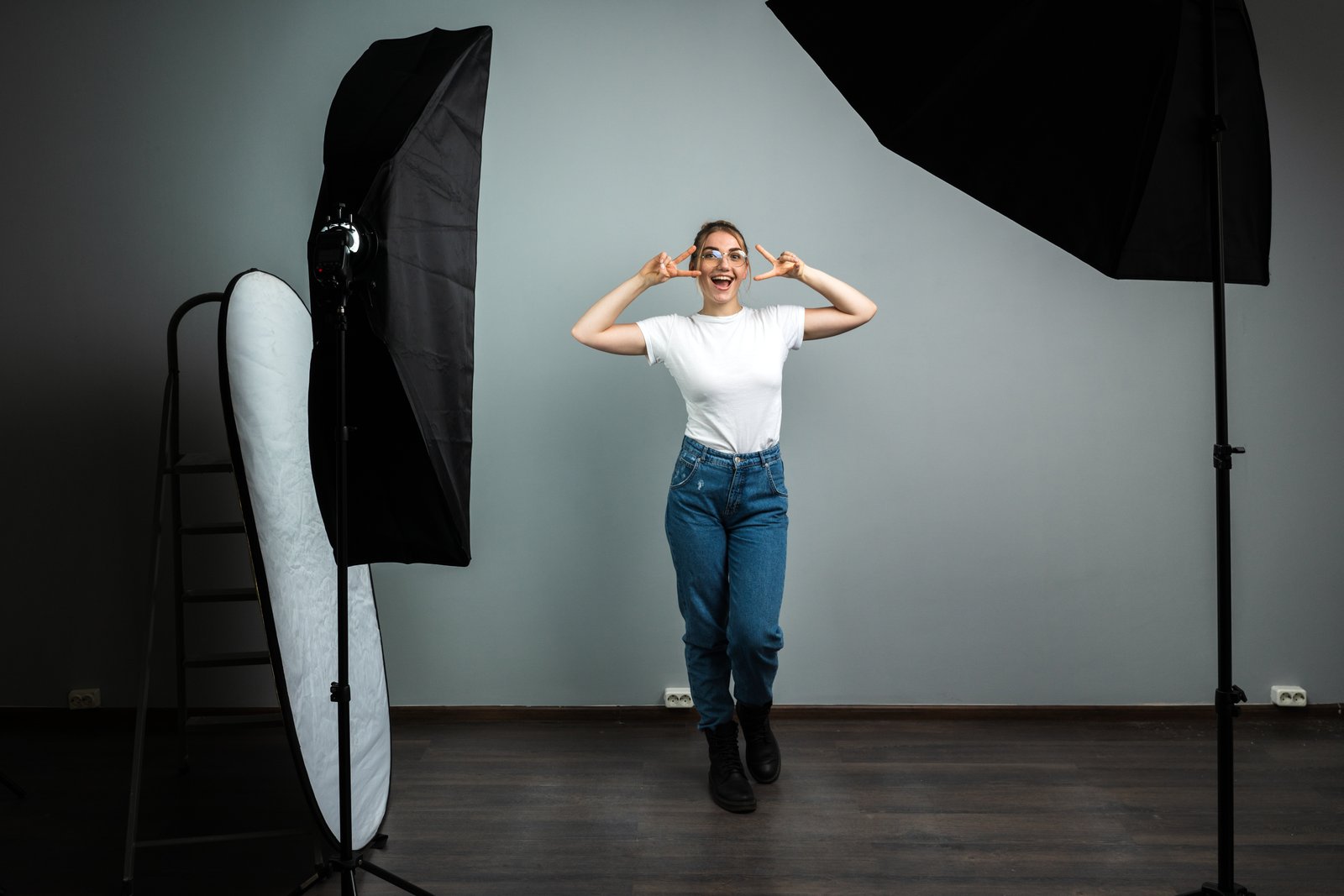
Most photographers overcomplicate their first studio setup. They buy three lights before they understand one, then wonder why their images still look flat. I did the same thing early in my career, and I’ve watched a lot of new photographers make that same expensive mistake. What I appreciate about this Jessica Kobeissi tutorial, shot with photographer Jake Thomas, is that it does the opposite: it builds from a single light outward, showing you what each additional source actually contributes before you spend a dollar on it.
Everything Reflects: How to Read Light from Your Subject Outward

Everything Reflects: How to Read Light from Your Subject Outward

I keep a lighting journal. Every setup from every shoot gets a quick sketch: light positions, modifier choices, distances, the subject’s surface qualities. I started doing it after a period where I noticed my lighting decisions were reactive. I was placing lights where they felt right, then troubleshooting by moving things around until the image looked acceptable. That’s not a workflow. That’s guessing with expensive equipment. What changed my thinking was learning to ask a different question.

Deep Focus Umbrellas Under the Microscope: What the Price Tag Actually Buys You

Deep Focus Umbrellas Under the Microscope: What the Price Tag Actually Buys You

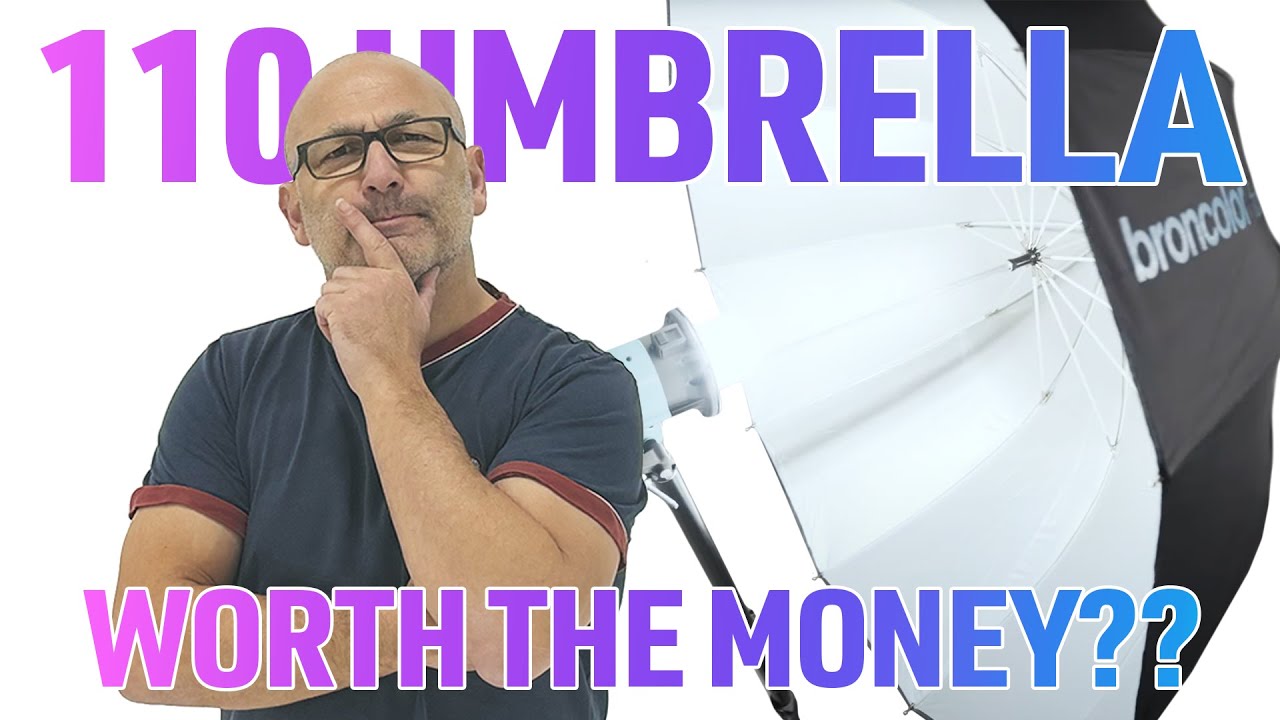
Every modifier purchase I make goes through the same test: I unbox it, mount it, fire a strobe through it, and write down exactly what I see before I shoot a single frame with it. I’ve been burned too many times by gear that looks impressive in a product photo but produces muddy, unflattering light on a real subject. So when the deep focus parabolic-style umbrella kept coming up in conversations with other commercial shooters, I went looking for a rigorous comparison, not a marketing demo.

Why Your Flash Looks Nothing Like the Tutorial (And How to Fix the Gap Between Power and Output)

Why Your Flash Looks Nothing Like the Tutorial (And How to Fix the Gap Between Power and Output)

The Number on the Dial Is Not the Light on Your Subject I’ve been taping labels on every light in my studio since about 2009. Each piece of gaffer tape has the unit’s actual measured output at full power, the modifier currently mounted, and the distance I most commonly park it from my subject. It looks obsessive, I know. But the reason I started doing it is simple: I got tired of the number on the back of the strobe lying to me.

The Five Portrait Lighting Patterns Every Studio Photographer Needs to Own

The Five Portrait Lighting Patterns Every Studio Photographer Needs to Own

When a Client Asks for “Dramatic” — You Need a Blueprint, Not a Guess Last spring I had a beauty client sit down in my chair, hand me a reference image torn from a magazine, and say “like that.” The image was moody, directional, with deep shadow carving the left side of the model’s face. No lighting diagram. No EXIF data. Just a glossy rectangle and an expectation. I knew immediately it was split lighting pushed slightly toward loop.

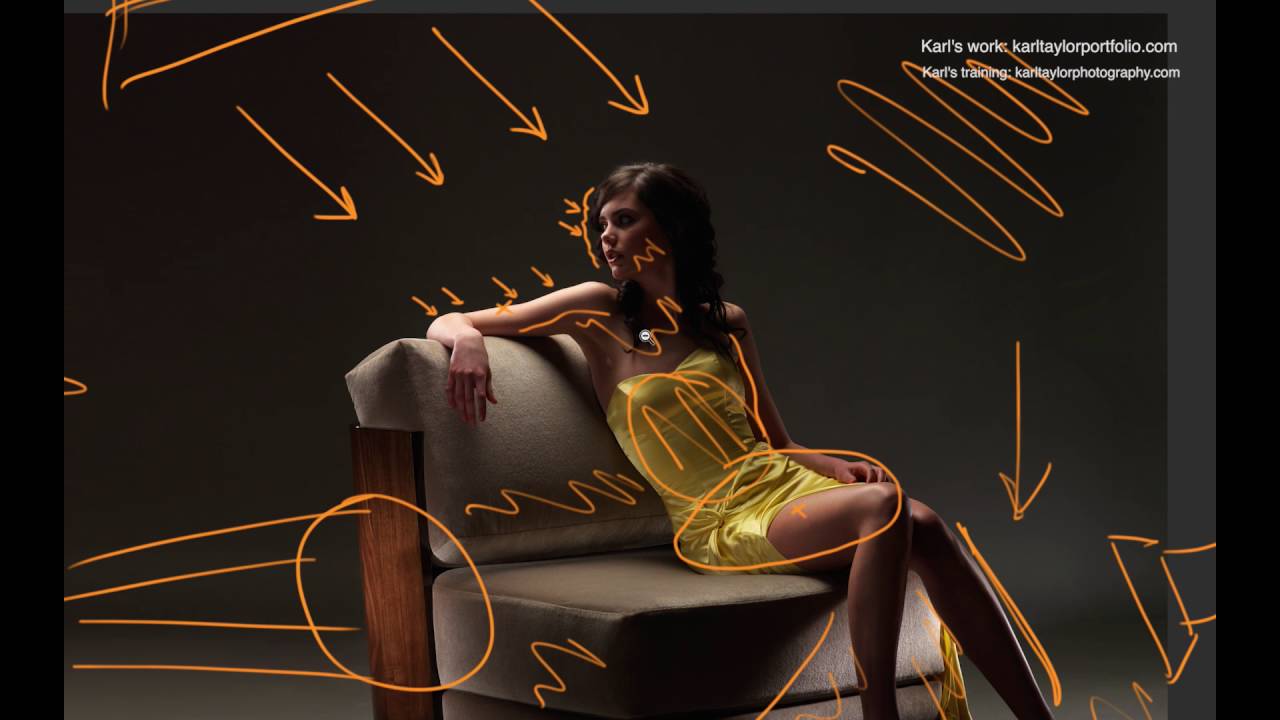
How Karl Taylor Actually Lit That Shot (And Why Lighting Ratios Are the Wrong Question)

How Karl Taylor Actually Lit That Shot (And Why Lighting Ratios Are the Wrong Question)

Every time I finish a commercial shoot and review the selects, I flip back through my lighting journal and check what I sketched before the first frame fired. More often than not, the setup that worked was not the setup I planned. It was the one I adjusted after reading the shadows. That habit, paying close attention to what the dark areas are doing rather than obsessing over the bright ones, is something I picked up slowly over years of editorial work.

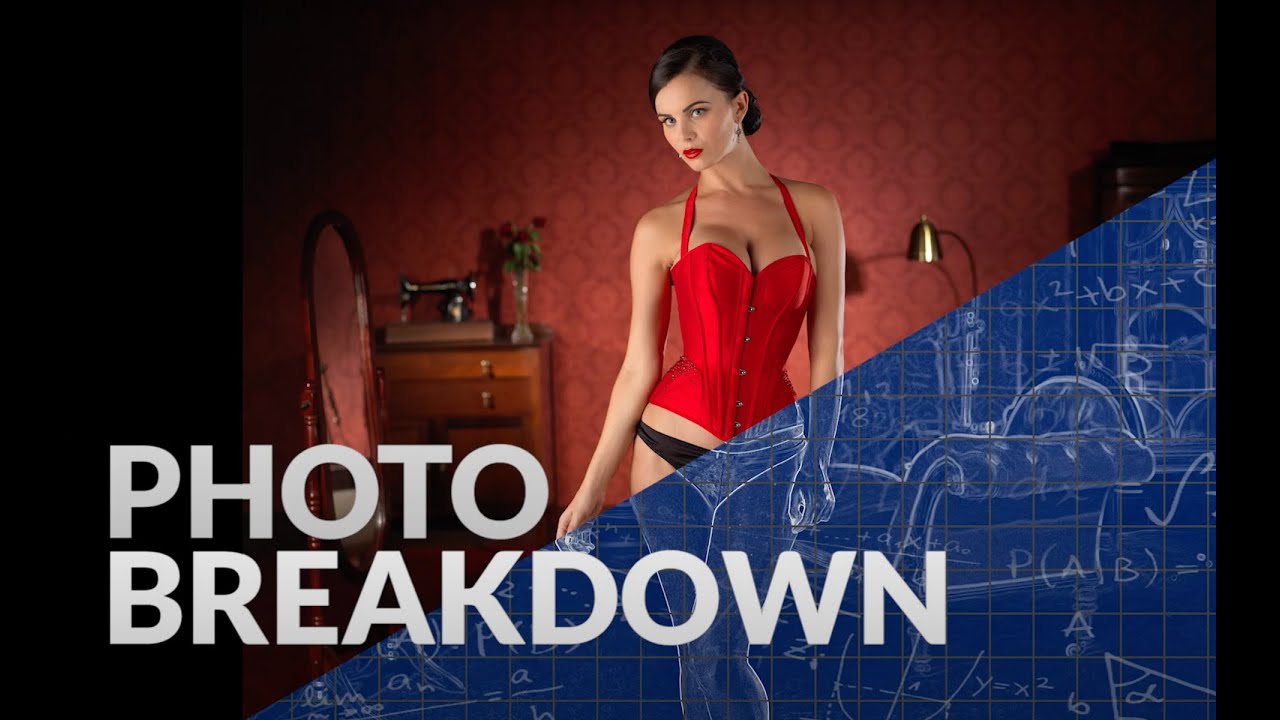
How to Light a Boudoir Scene With Depth, Glow, and Edge: A Four-Light Breakdown

How to Light a Boudoir Scene With Depth, Glow, and Edge: A Four-Light Breakdown

Boudoir is one of those genres that punishes lazy lighting more than almost anything else. The intimacy of the subject demands that every light feel intentional, warm, and placed with care. Too flat and the image reads like a passport photo. Too dramatic and you lose the mood entirely. For years I kept a tear-out from a European fashion magazine pinned above my lighting kit because I could not figure out how the photographer had layered background light against skin light so seamlessly.

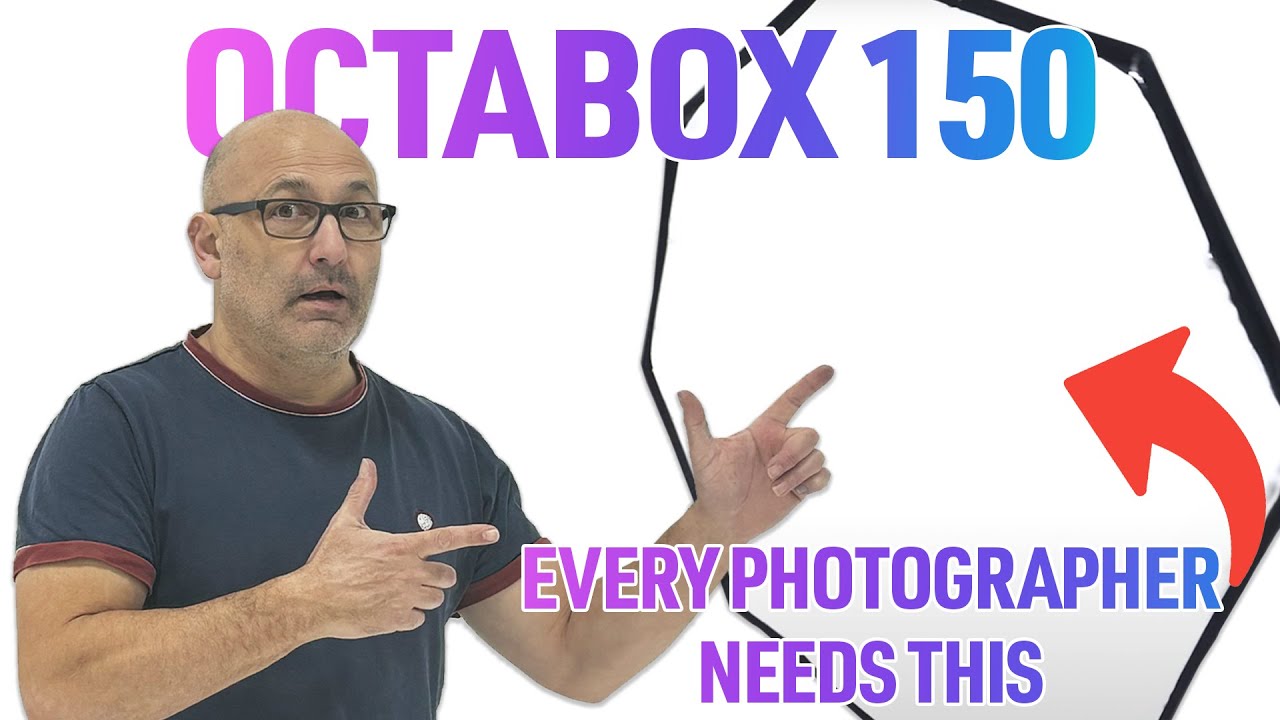
The Octabox 150: A Working Photographer's Case for the Most Useful Modifier in the Studio

The Octabox 150: A Working Photographer's Case for the Most Useful Modifier in the Studio

I have a masking tape label on almost every piece of gear in my studio. The octabox 150 gets its own label, but it also gets a permanent spot on the stand closest to my shooting position. That’s how often it goes up. When clients book a beauty or fashion job, this modifier is almost always my first pull. It’s large enough to wrap light around a face, forgiving enough for a moving subject, and controllable enough that I’m not fighting spill all day.

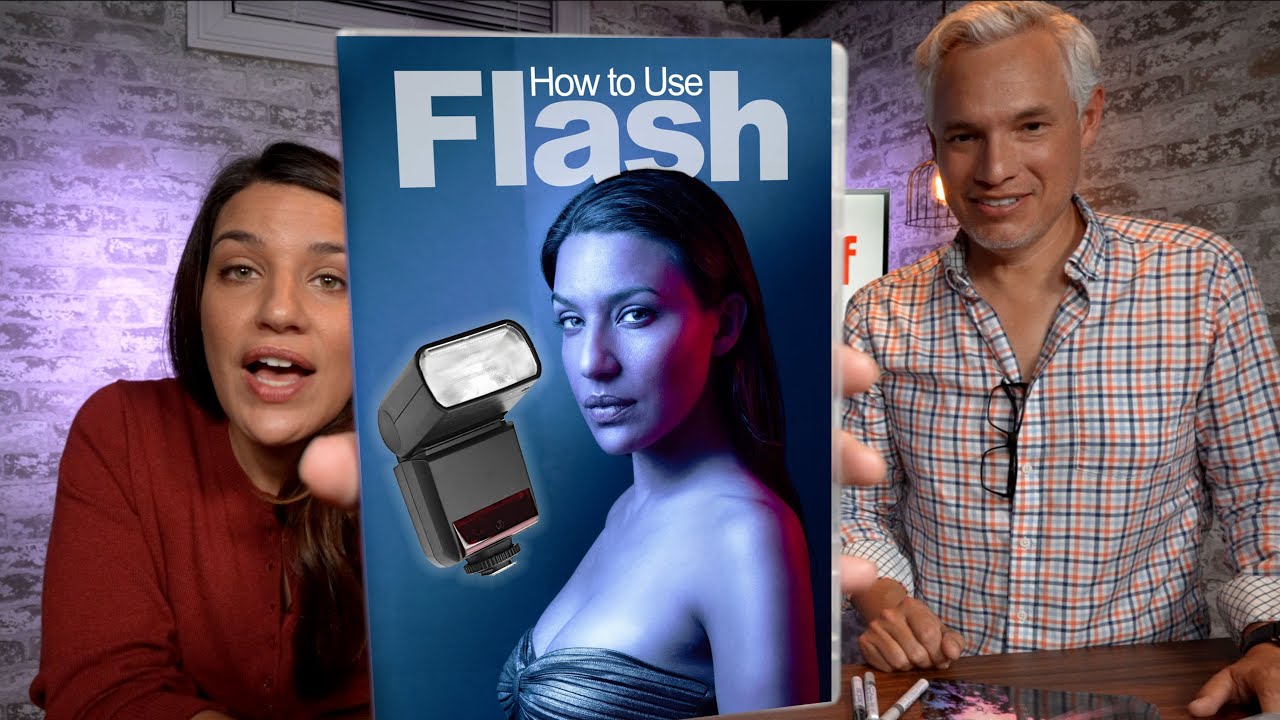
Flash Photography Fundamentals: What Tony & Chelsea Northrup's New Training Series Gets Right

Flash Photography Fundamentals: What Tony & Chelsea Northrup's New Training Series Gets Right

Every few months I get a message from a photographer who’s serious about their work, shoots constantly, and still hasn’t touched their flash. Not because they don’t own one. Because they’re afraid of it. I understand that fear more than most people would expect from someone who labels every light in his studio with masking tape and sketches setups in a journal after every shoot. I was that photographer once, convinced that good light was something you found, not something you built.

Why Your Softbox Is Lying to You (And What to Use Instead)

Why Your Softbox Is Lying to You (And What to Use Instead)

Every modifier in my studio has a strip of masking tape on it with a label. Not a cute nickname. A descriptor: “36-inch octa,” “5-degree grid,” “48x36 strip.” I started doing this years ago because I got tired of grabbing the wrong tool in the middle of a tethered shoot while a client sat behind my monitor. The labeling habit sounds obsessive until the day it saves you from making a $4,000-an-hour mistake.

One Light, Five Modifiers: What Videographers Can Steal From Studio Photography

One Light, Five Modifiers: What Videographers Can Steal From Studio Photography

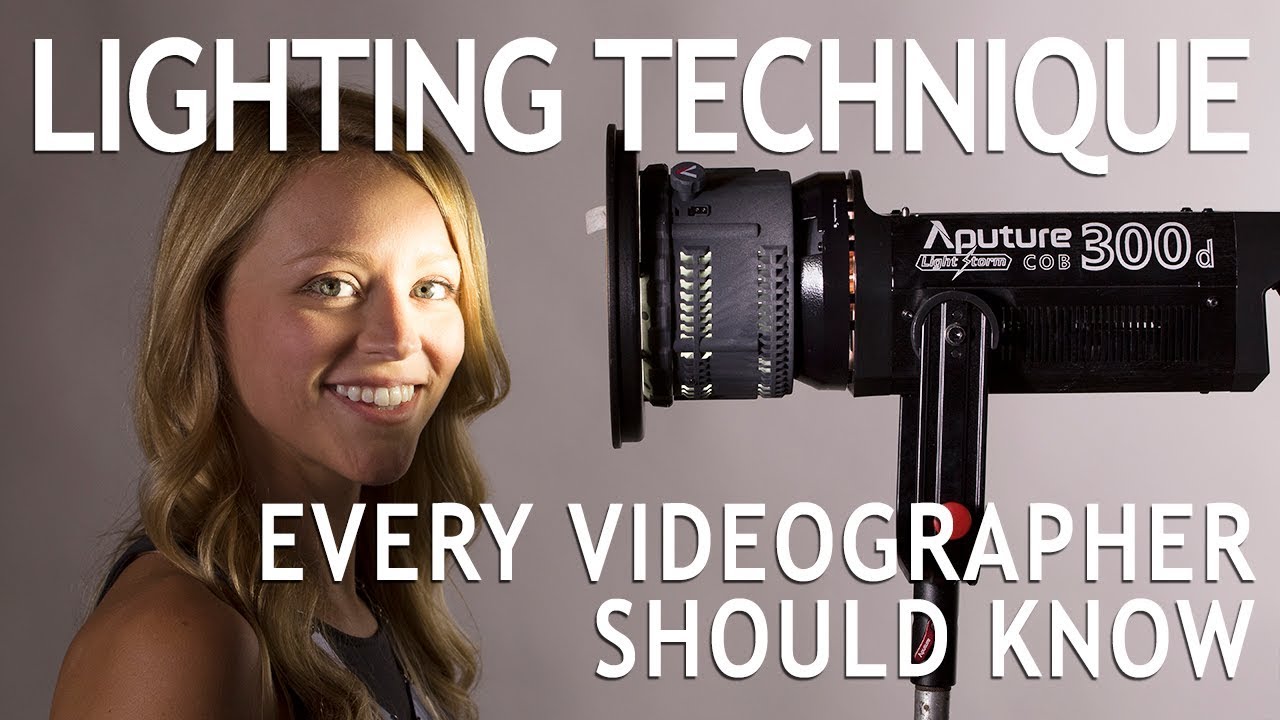
Every cinematographer I’ve ever talked to has a version of the same complaint: too much gear, not enough control. They’re hauling Fresnels and Source Fours and a Joker to get through a single interview setup, when half the time what they actually need is one well-modified light and the knowledge to shape it. That’s the tension JP Morgan at The Slanted Lens addresses head-on in his tutorial on using a single LED unit with interchangeable modifiers, and it’s worth breaking down for anyone who shoots both stills and video.

The Five Portrait Lighting Patterns Every Studio Photographer Needs to Own Cold

The Five Portrait Lighting Patterns Every Studio Photographer Needs to Own Cold

I keep a lighting journal. Every shoot, before I break down the set, I sketch the diagram, note the modifier, the distance, the ratio, the color temperature. I have over a decade of these notebooks stacked on a shelf in my studio, and when I flip back through them, one thing stands out: almost every successful portrait I have ever lit traces back to one of five foundational patterns. Not variations.