Beauty Dish Basics: What Jessica Kobeissi's Studio Tutorial Taught Me About Light Placement

Beauty Dish Basics: What Jessica Kobeissi's Studio Tutorial Taught Me About Light Placement

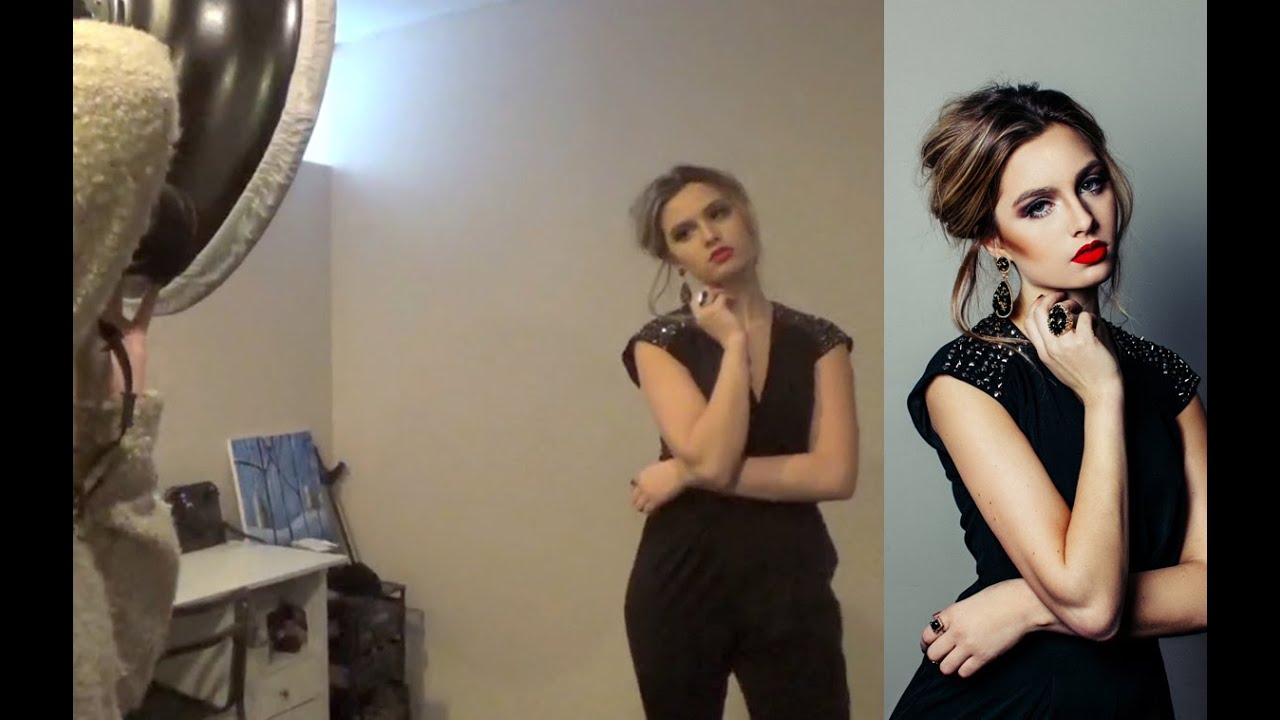
Every time I take on a new modifier, I test it the day it arrives. That is a rule I set for myself years ago after walking into a campaign shoot having never fired the strobe I’d rented. The images were usable. Barely. I’ve never made that mistake again. So when I came across a studio portrait session documented by photographer Jessica Kobeissi, I watched it the way I watch most tutorials from working photographers: looking for the decision-making, not just the gear list.
Umbrellas Aren't Outdated — Your Technique Is: A Studio Shooter's Breakdown

Umbrellas Aren't Outdated — Your Technique Is: A Studio Shooter's Breakdown

I keep a masking tape label on every light in my studio. It sounds obsessive until you’re mid-shoot, your assistant is asking which head to pull, and you can’t afford to guess. That same obsessive attention to detail is what eventually brought me back to umbrellas after years of defaulting to softboxes for nearly everything. I’d written them off as beginner gear, the kind of thing you graduate from once you can afford better.

The Modifier Isn't Magic: How to Actually Control What Your Light Does

The Modifier Isn't Magic: How to Actually Control What Your Light Does

Every modifier in my studio has a strip of masking tape on it with a label. Not the manufacturer’s name. Mine. “3-stop wrap, soft shadow edge.” “Punchy, 18-inch reach.” “Transition zone: 14 inches.” I started doing this years ago because I kept grabbing the wrong tool under pressure during a shoot, and a wrong tool at the wrong moment on a paid job costs you real money. The problem wasn’t that I didn’t understand my gear.

How to Keep Dramatic Lighting Without Exposing Every Skin Texture

How to Keep Dramatic Lighting Without Exposing Every Skin Texture

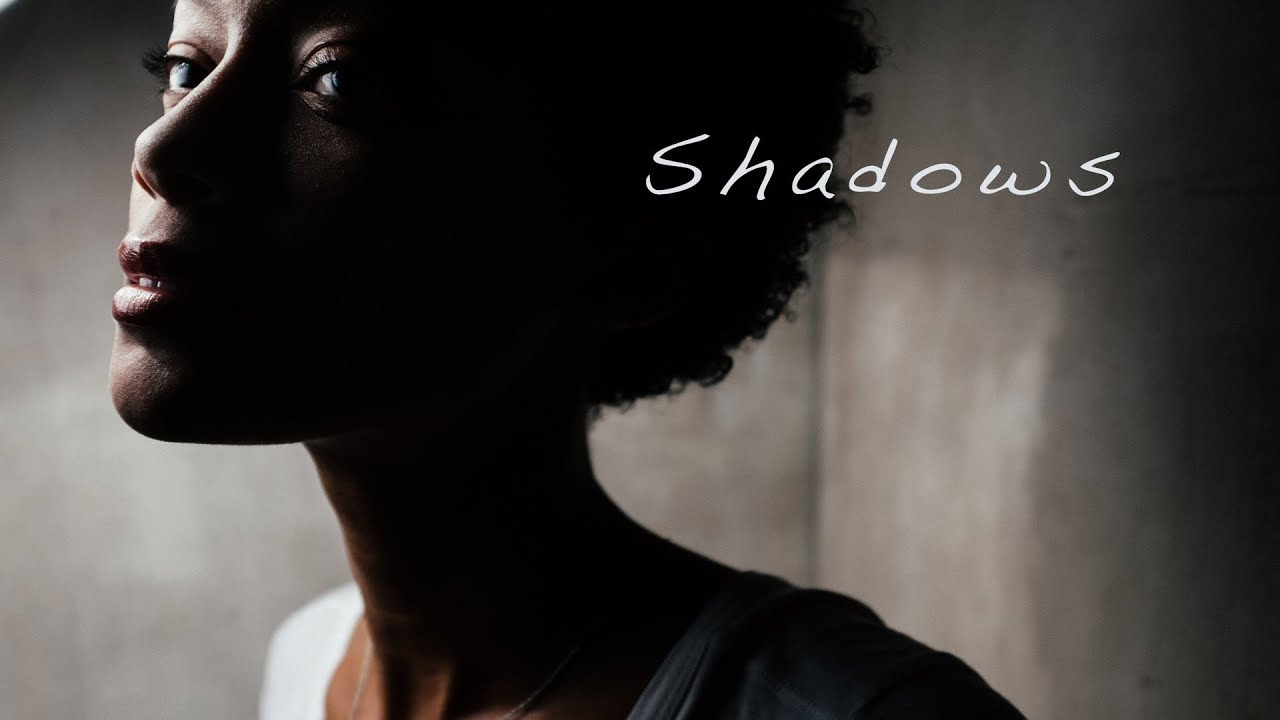
Every few months a client emails me something like: “I love your dramatic work, but I’m self-conscious about my skin — will that lighting make it worse?” It’s a fair question, and for a long time I didn’t have a clean answer. Hard light rakes across texture. Scars cast tiny shadows. Acne that looks invisible in a mirror can look like a topographical map under a bare strobe. I used to mentally file these shoots under “handle carefully” without a clear system for handling them.

One Light, One Lesson: How a Renaissance Still Life Setup Will Change the Way You See

One Light, One Lesson: How a Renaissance Still Life Setup Will Change the Way You See

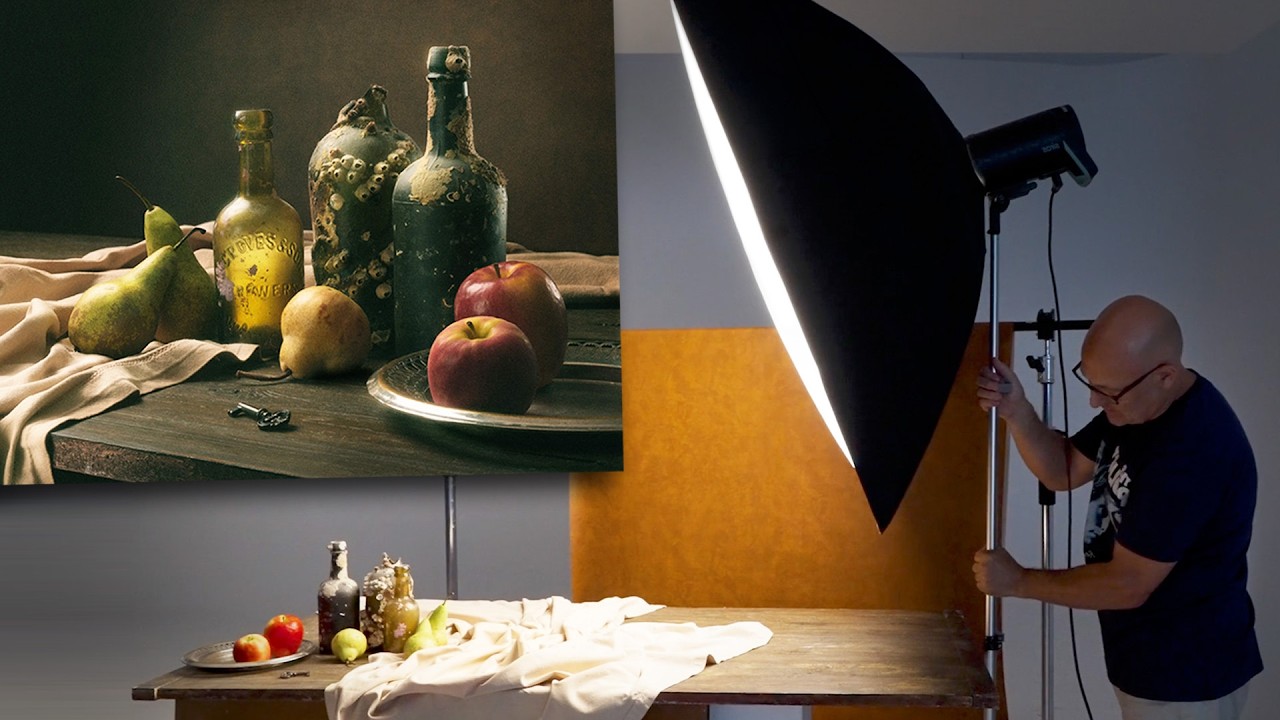
There is a particular kind of photographer who believes more gear equals better work. I was that photographer for a while. Early in my commercial career I was stacking lights, adding modifiers, filling every shadow, and wondering why my still life work felt flat and lifeless despite all the hardware pointed at it. What I eventually learned, the hard way, is that complexity hides ignorance. When you have four lights in a setup, you can mask a weak understanding of how light actually behaves.

Shooting Warm Light Against a Blue Background: A Bridal Portrait Technique Worth Stealing

Shooting Warm Light Against a Blue Background: A Bridal Portrait Technique Worth Stealing

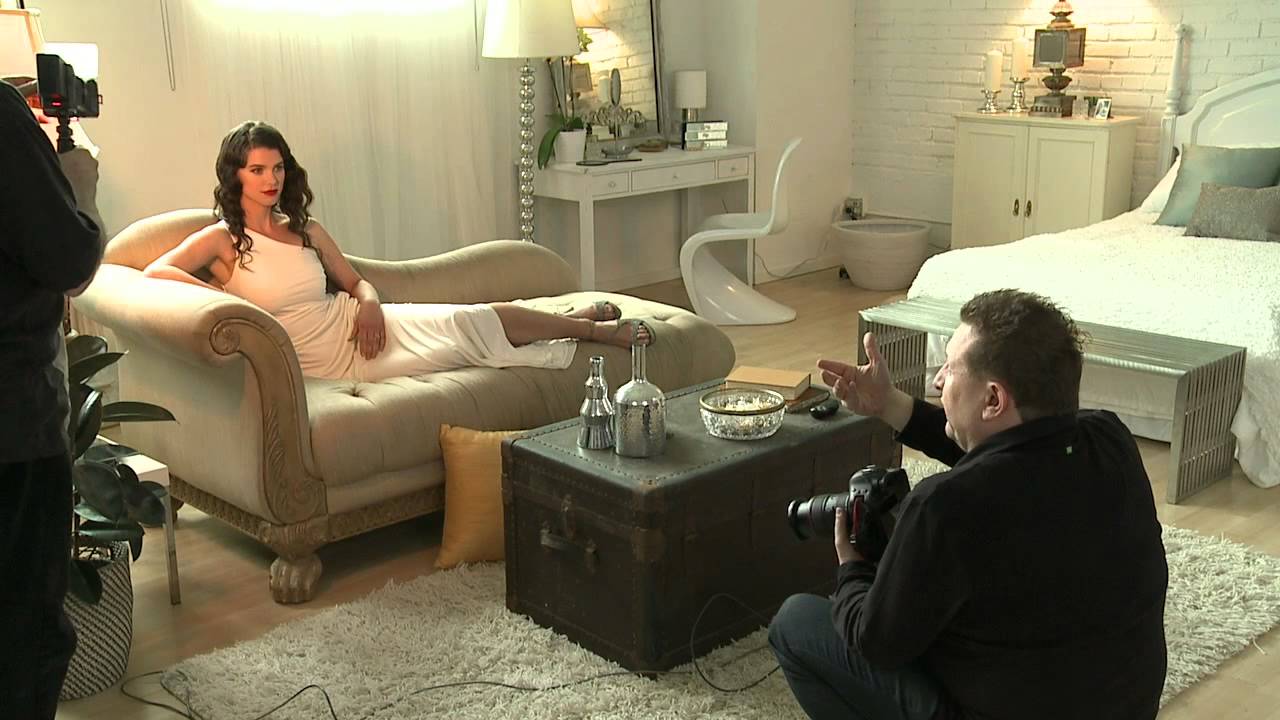
There’s a mistake I made early in my career that I still think about. I was shooting an editorial and the window light was pouring in cool and blue while my tungsten modeling lights were throwing warm amber everywhere. I corrected everything to a neutral skin tone in post, and the images looked flat and lifeless. I had unknowingly solved the wrong problem. What I should have done was let those two color temperatures fight each other, and lean into the contrast instead of erasing it.

You Don't Need to Memorize Ratios to Light Well — Here's What Actually Works

You Don't Need to Memorize Ratios to Light Well — Here's What Actually Works

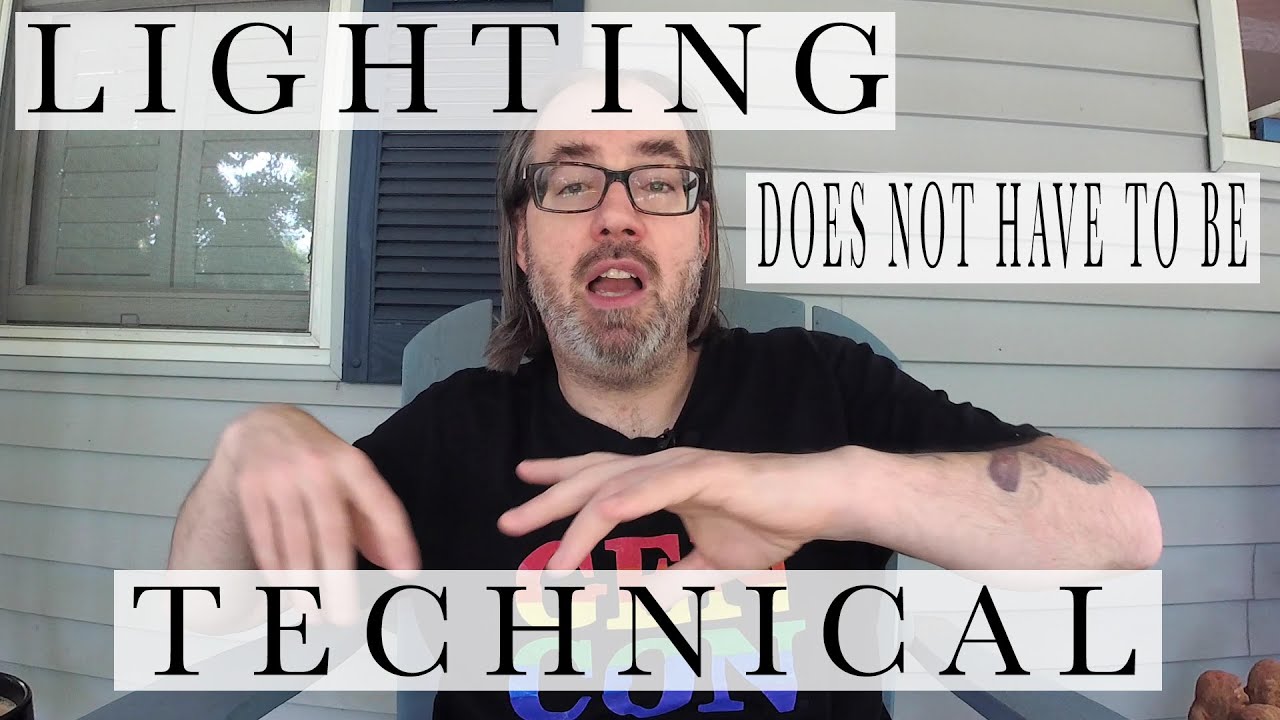
There’s a label maker on my workbench right now, next to a roll of masking tape I use to tag every light in my studio. I’ve always been the kind of photographer who wants to know exactly what everything is doing and why. So when I first heard a working photographer say out loud that he doesn’t consider himself a “technical photographer,” my instinct was to push back. Then I actually listened to what he meant, and it reframed something I’d been overcomplicating for years.

How to Use a Battery-Powered Monolight Outdoors Without Losing Control of Your Exposure

How to Use a Battery-Powered Monolight Outdoors Without Losing Control of Your Exposure

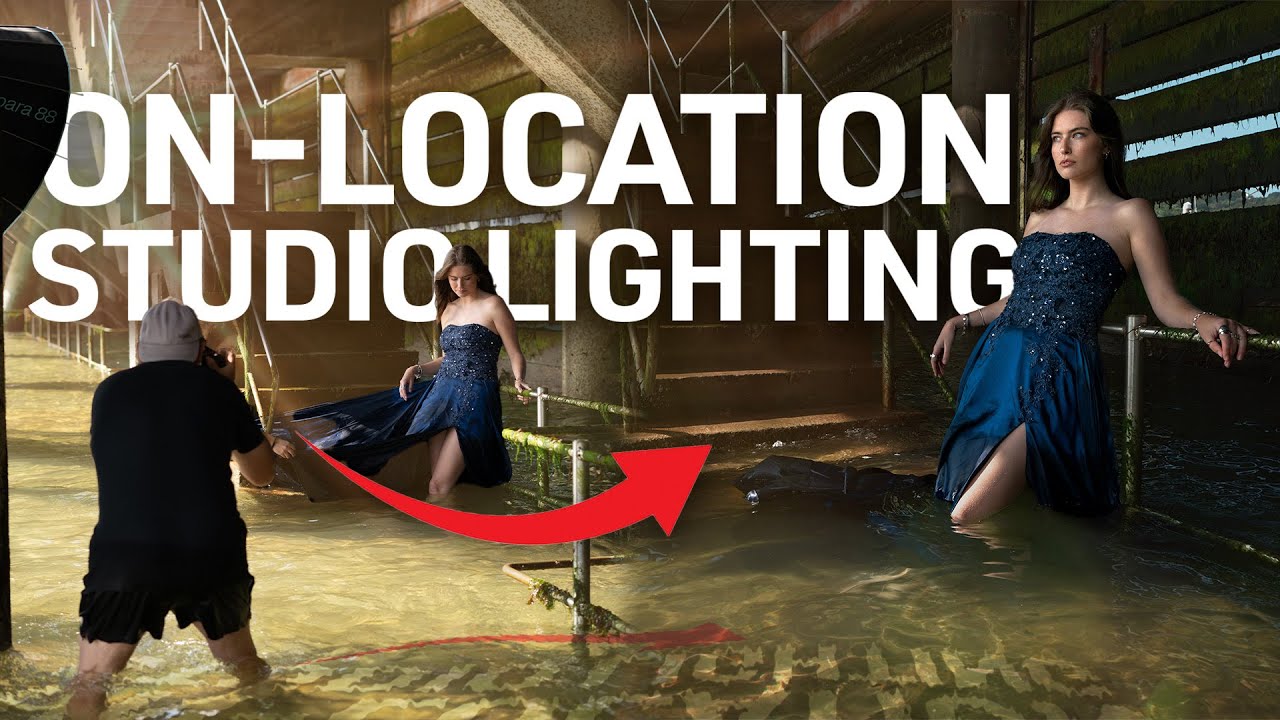
Every location photographer eventually hits the same wall. You find a beautiful spot, the natural light is doing something interesting, and then your subject steps into the shade and becomes a muddy silhouette. You can expose for the shadows and blow out the background, or expose for the background and lose your subject entirely. Neither is acceptable on a commercial job. For years, the only real solution was hauling a generator or accepting the compromise.

Your Camera Doesn't Make the Shot. Your Light Does.

Your Camera Doesn't Make the Shot. Your Light Does.

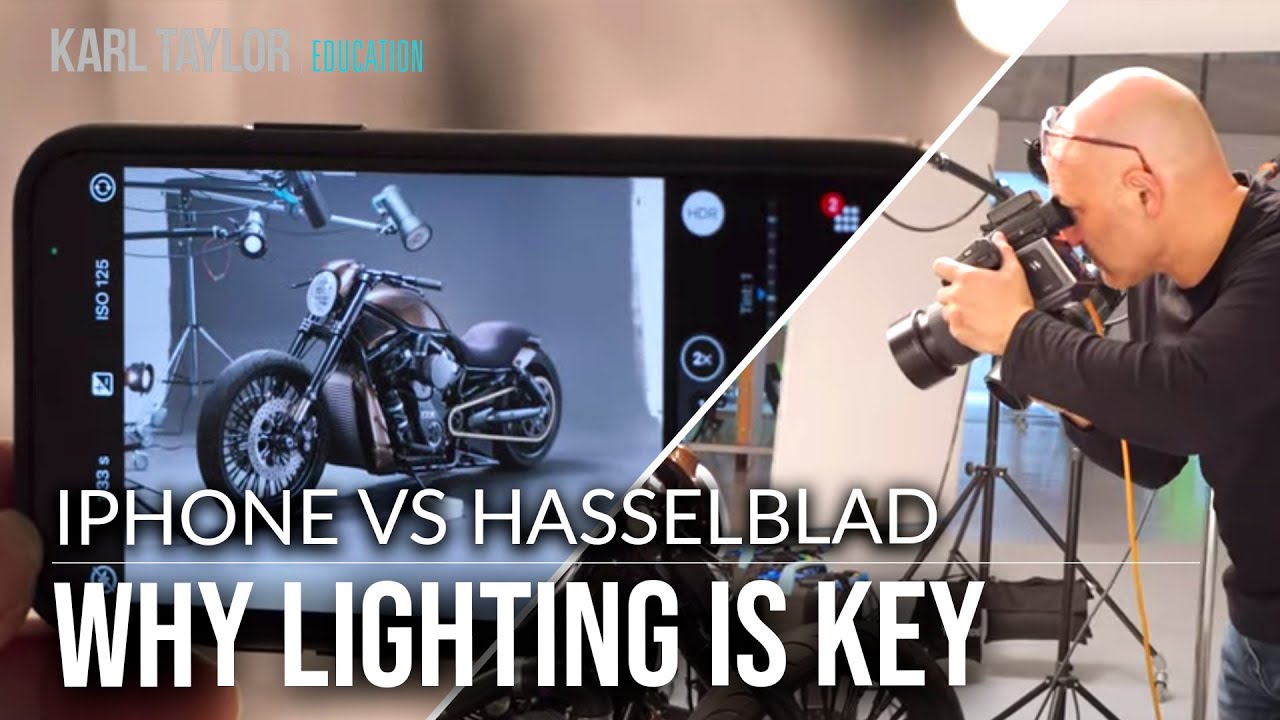
Clients ask me about my camera constantly. At commercial shoots, someone from the brand’s marketing team almost always wanders over and says something like, “Is that a Hasselblad? That must be why the shots look so good.” I’ve stopped arguing about it. But the truth is, the camera is the last thing determining whether your studio image succeeds or falls apart. The first thing is always the light. That’s why a recent Visual Education tutorial stopped me mid-scroll.

How to Balance Ambient and Strobe Light On Location: A Working Photographer's Breakdown

How to Balance Ambient and Strobe Light On Location: A Working Photographer's Breakdown

There is a specific kind of frustration that comes from nailing your strobe exposure and completely blowing out your background, or the opposite: beautiful ambient light behind your subject while they look like a cardboard cutout in the foreground. Getting strobes and natural light to coexist in a single frame is one of those skills that sounds simple and behaves otherwise. I spent years treating them as separate problems to solve one at a time.

Get Your Video Light Off the Camera: How the Platypod Bracket Fixes Run-and-Gun Lighting

Get Your Video Light Off the Camera: How the Platypod Bracket Fixes Run-and-Gun Lighting

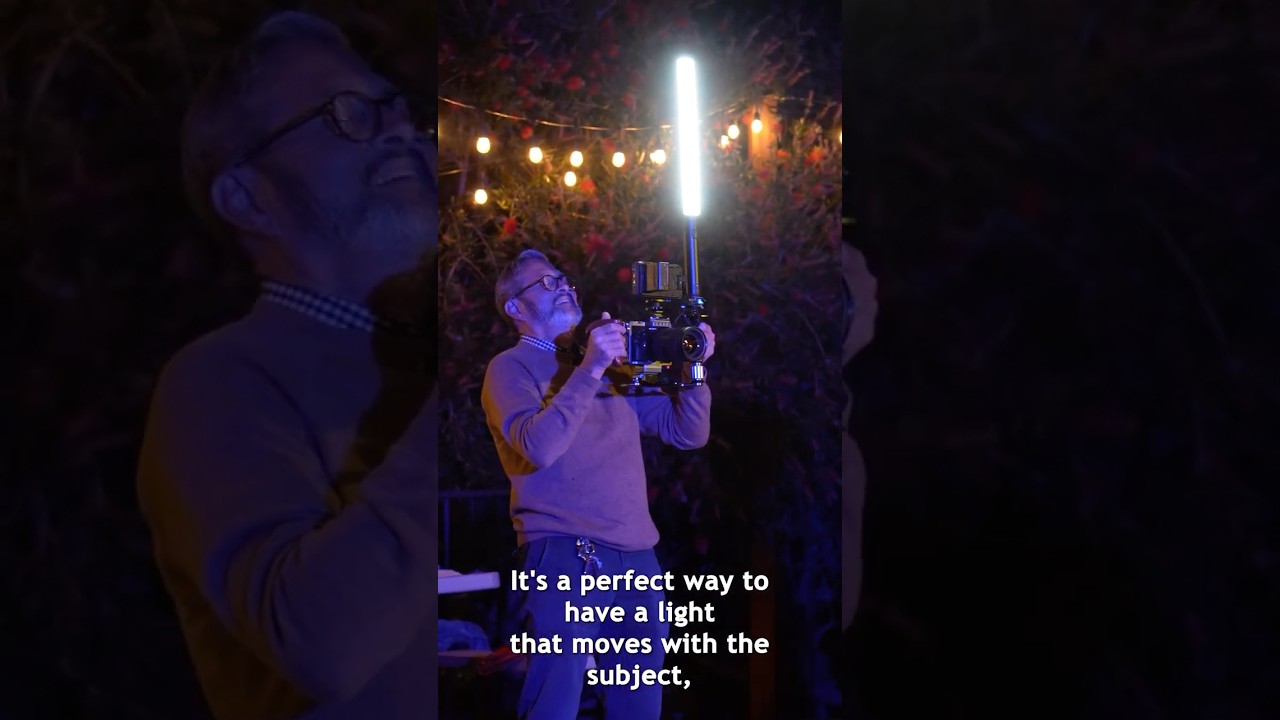
Run-and-gun video has always been the awkward cousin of controlled studio work. In the studio, I label every light with masking tape, sketch every setup in my lighting journal, and test every modifier before a client ever walks in. On location, chasing a moving subject? That whole system collapses. You can’t place a light on a stand when you’re following a couple down an alley or moving through a reception hall.

Your Glossy Products Are Mirrors. Start Lighting Them That Way.

Your Glossy Products Are Mirrors. Start Lighting Them That Way.

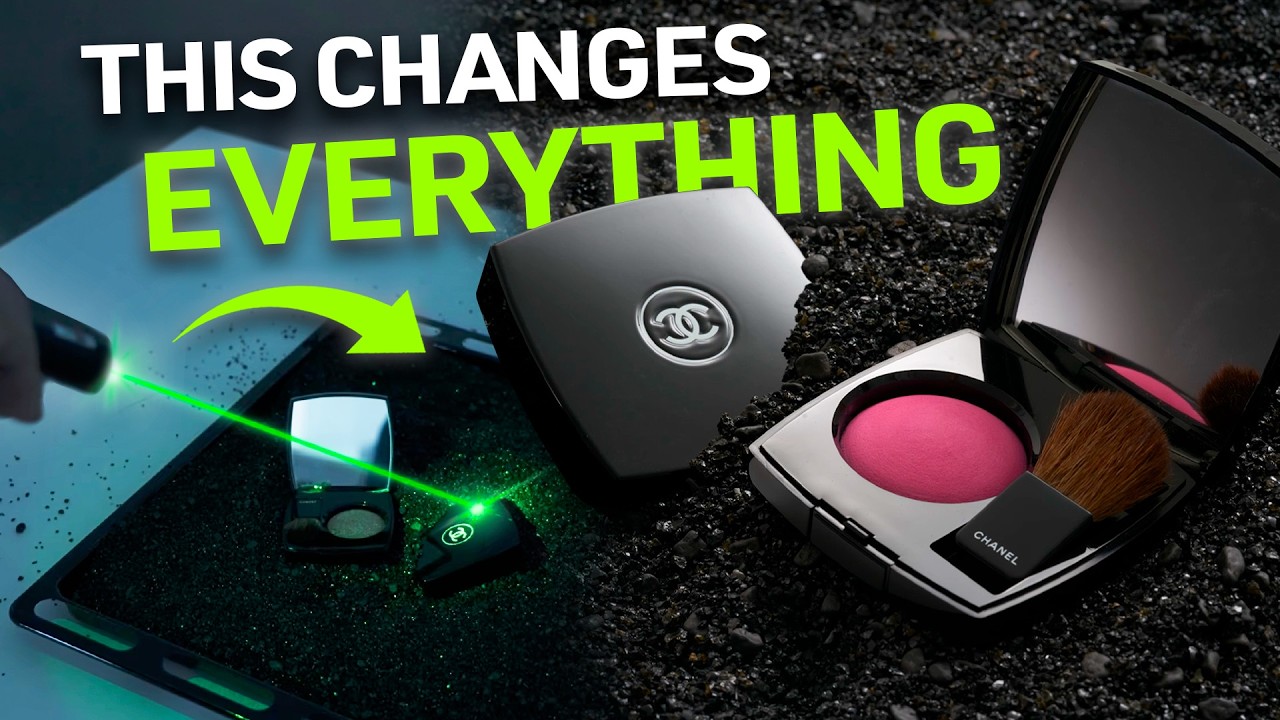
Every commercial photographer has a version of this story. A client sends over a cosmetics product, something small and impossibly shiny, and you set up what feels like a reasonable light position and fire a test shot. The result looks like a snapshot from a drugstore circular. The surface is either blowing out in a hot white blob or reading as a flat, lifeless panel with no dimension whatsoever. I have a lighting journal where I sketch every setup from every shoot, and I can flip back through dozens of pages where a note in the margin reads some version of “glossy surfaces are the enemy.