The Studio Workflow That Stops Wasting Your Time

The Studio Workflow That Stops Wasting Your Time

I’ve spent years watching photographers fumble through studio sessions—adjusting lights between every shot, repositioning modifiers mid-shoot, asking subjects to hold poses while they figure out their camera settings. It’s painful to watch, and it’s costing them money. Your studio workflow is the skeleton of your business. Get it right, and you’ll shoot 40% faster while actually improving your images. Get it wrong, and you’ll spend half your day troubleshooting instead of creating.

The Studio Workflow That Actually Works

The Studio Workflow That Actually Works

The Studio Workflow That Actually Works I’ve spent fifteen years refining my studio process, and I’ve learned that the difference between a chaotic shoot and a smooth one isn’t talent—it’s structure. A solid workflow removes decision fatigue, lets you focus on your subject, and produces consistent, professional results. Here’s the exact system I use. Pre-Session Prep Is Non-Negotiable Before anyone steps foot in my studio, I’ve already made 80% of my creative decisions.

The Studio Workflow That Actually Works: My 15-Year System

The Studio Workflow That Actually Works: My 15-Year System

The Studio Workflow That Actually Works: My 15-Year System I’ve watched photographers waste entire afternoons chasing light instead of capturing it. They move modifiers randomly, adjust power settings without measuring results, and change poses every thirty seconds. By the end of the shoot, they’ve got scattered images and no repeatable process. I don’t work that way. After fifteen years in the studio, I’ve built a workflow that removes variables, speeds up execution, and produces consistent results every single time.

The Stripped-Down Elegance of Passport Photography: What Studio Photographers Can Learn from Six Decades of Iconic Portraits

The Stripped-Down Elegance of Passport Photography: What Studio Photographers Can Learn from Six Decades of Iconic Portraits

The Power of Limitations I’ve spent years obsessing over lighting rigs, modifier collections, and the latest gear. So when I discovered that some of the most striking celebrity portraits ever captured came from a modest passport photo studio on Oxford Street, it stopped me cold. For 66 years, this unassuming space produced an archive of famous faces—Joan Collins, Mick Jagger, Muhammad Ali—shot under conditions that would make most modern photographers panic.

The Stand That Wasn't: A Studio Safety Wake-Up Call

The Stand That Wasn't: A Studio Safety Wake-Up Call

When Your Lighting Rig Becomes a Liability I’ve been setting up studio lights for twenty years, and I can tell you with absolute certainty: there’s no such thing as being too careful with your stands. Yet somehow, this lesson keeps catching photographers off guard—myself included, back in the day. A video circulating on social media recently captured what many of us consider a worst-case scenario. A lighting stand, weighed down by a flash unit, toppled over without warning.

The Single-Strobe Challenge: Mastering Three Distinct Lighting Styles in One Session

The Single-Strobe Challenge: Mastering Three Distinct Lighting Styles in One Session

The Single-Strobe Challenge: Mastering Three Distinct Lighting Styles in One Session I’ve always maintained that gear versatility matters far less than understanding light itself. That said, when a single piece of equipment can genuinely perform across multiple lighting disciplines without compromise, it deserves serious attention. Recently, I observed a practical demonstration that challenged my own assumptions about what modern portable strobes can accomplish. The exercise was straightforward: take one strobe and produce three entirely different lighting scenarios—beauty light, dramatic sidelight, and high-key silhouette work—all within a single session.

The Non-Negotiable Studio Workflow: My Process for Consistent Results

The Non-Negotiable Studio Workflow: My Process for Consistent Results

The Non-Negotiable Studio Workflow: My Process for Consistent Results I’ve shot enough portraits in my studio to know that consistency doesn’t happen by accident. It happens because you build a system and defend it. Every session follows the same sequence, the same measurements, the same decision tree. This isn’t about being rigid—it’s about removing friction so you can focus on the human element. Pre-Session Prep: The Blueprint Matters Before anyone steps in front of my camera, I’ve already made 80% of my technical decisions.

The Mirror Prism Lighting Trick: Why Shape Matters More Than Power

The Mirror Prism Lighting Trick: Why Shape Matters More Than Power

There’s a category of studio effect that looks spectacular on set and falls completely flat in the final image. I’ve been burned by this more times than I care to admit. The disconnect usually comes down to one thing: your eye adapts to what it sees in the room, but the camera captures only what the light is actually doing. That gap between perception and capture is exactly what this technique forces you to confront.

The Geometry of Posing: Why Body Angles Matter More Than You Think

The Geometry of Posing: Why Body Angles Matter More Than You Think

The Geometry of Posing: Why Body Angles Matter More Than You Think I’ve spent two decades correcting the same posing mistake: photographers treating the human body like a statue to be positioned, rather than a system of angles to be orchestrated. Posing isn’t about making people look comfortable—it’s about understanding how light interacts with planes, how space relates to proportion, and how subtle rotations create visual interest. Let me be direct: if your subject is squared directly to the camera, you’re wasting the three-dimensional space in front of your lens.

The Four Lighting Patterns Every Studio Photographer Must Master

The Four Lighting Patterns Every Studio Photographer Must Master

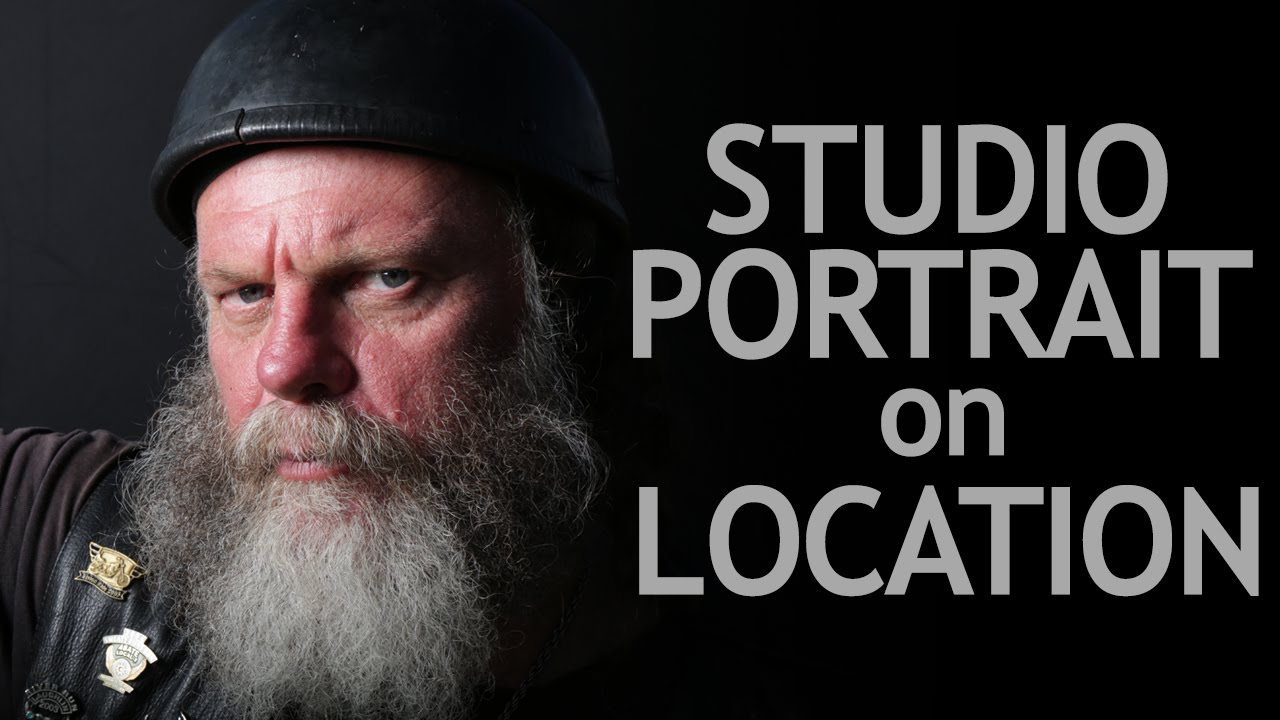
In this excellent tutorial, Joel Grimes breaks down the intimidating world of studio portrait lighting into four manageable, repeatable patterns. If you’ve ever felt overwhelmed by the complexity of studio work, this is exactly where you need to start. I’ve been lighting portraits for fifteen years, and I can tell you with absolute certainty: these four patterns are the foundation of professional photography. Master them, and you’ll immediately understand why your portraits suddenly look like they belong in a portfolio instead of on Instagram.

The Flat Light Problem: Why Your Outdoor Sessions Fall Short (And What Actually Works)

The Flat Light Problem: Why Your Outdoor Sessions Fall Short (And What Actually Works)

The Flat Light Dilemma I’ve examined thousands of outdoor portraits over my career, and I see the same problem repeatedly: lifeless, dimensionless skin tones that make your subject look washed out despite shooting in natural daylight. The culprit isn’t always obvious to newer photographers, but once you understand it, the solution becomes remarkably straightforward. Outdoor ambient light—especially midday sun or overcast conditions—creates a fundamental challenge. Bright overhead sun produces harsh shadows under eyes and chin, while cloudy skies deliver light so flat it eliminates facial contours entirely.

The FJ250 Strobe Setup Guide: Joel Grimes Shows You How to Master Westcott's Compact Powerhouse

The FJ250 Strobe Setup Guide: Joel Grimes Shows You How to Master Westcott's Compact Powerhouse

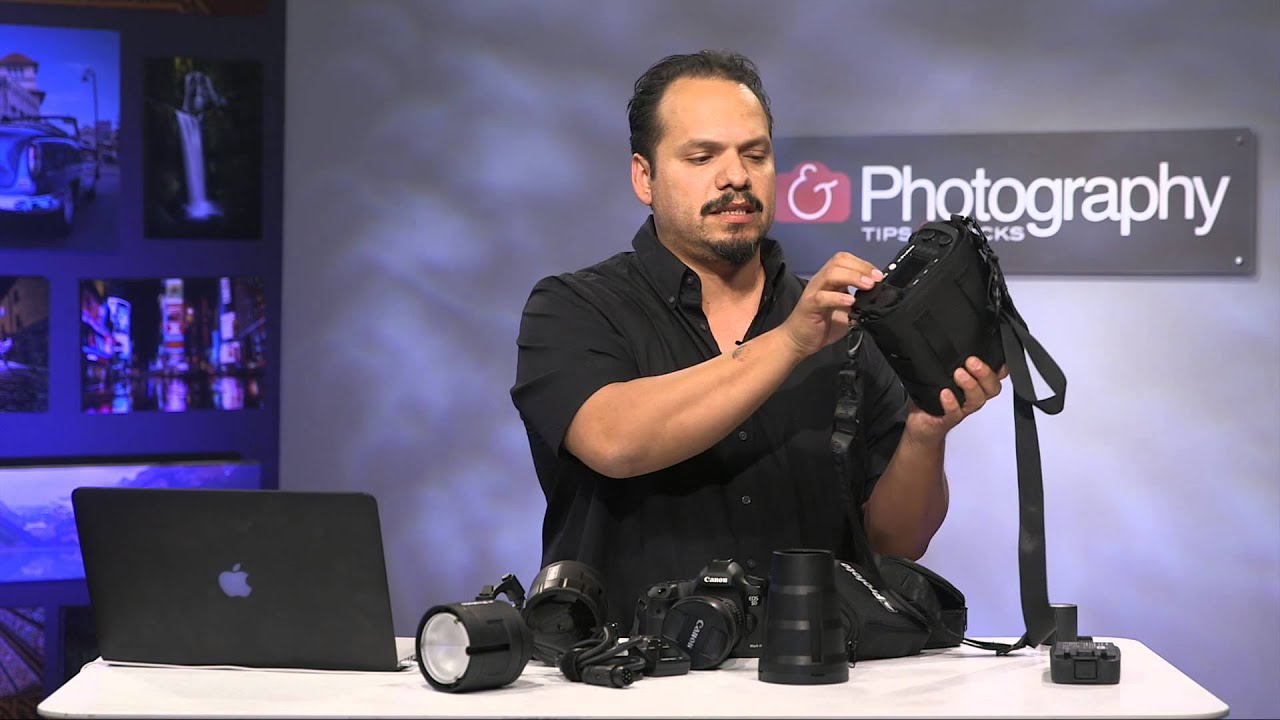
When I first started working with compact strobes, I made every rookie mistake in the book. I’d run out of battery power mid-shoot, misconfigure my power settings, and waste precious time troubleshooting instead of capturing images. After years of studio and location work, I’ve learned that understanding your gear’s fundamentals—especially power management—is non-negotiable. In this excellent tutorial, Joel Grimes walks through the FJ250 strobe setup with the precision I’ve come to expect from Westcott’s educational content.