Five Lights, One Great Portrait: A Working Photographer's Breakdown of Classic Studio Lighting

Five Lights, One Great Portrait: A Working Photographer's Breakdown of Classic Studio Lighting

Every few years I’ll be prepping for a straightforward editorial portrait and a newer assistant will ask me why I’m setting up five lights for a single-subject shot. The honest answer is that each light is doing a specific, non-negotiable job. Remove any one of them and the image degrades in a way that’s immediately visible to anyone who shoots professionally. The problem is that most photographers learn these lights in isolation, so they understand what a fill light is in theory without ever feeling the actual difference it makes when you dial it up or pull it back.

The Classic 45: How One Lighting Position Should Anchor Every Portrait Photographer's Toolkit

The Classic 45: How One Lighting Position Should Anchor Every Portrait Photographer's Toolkit

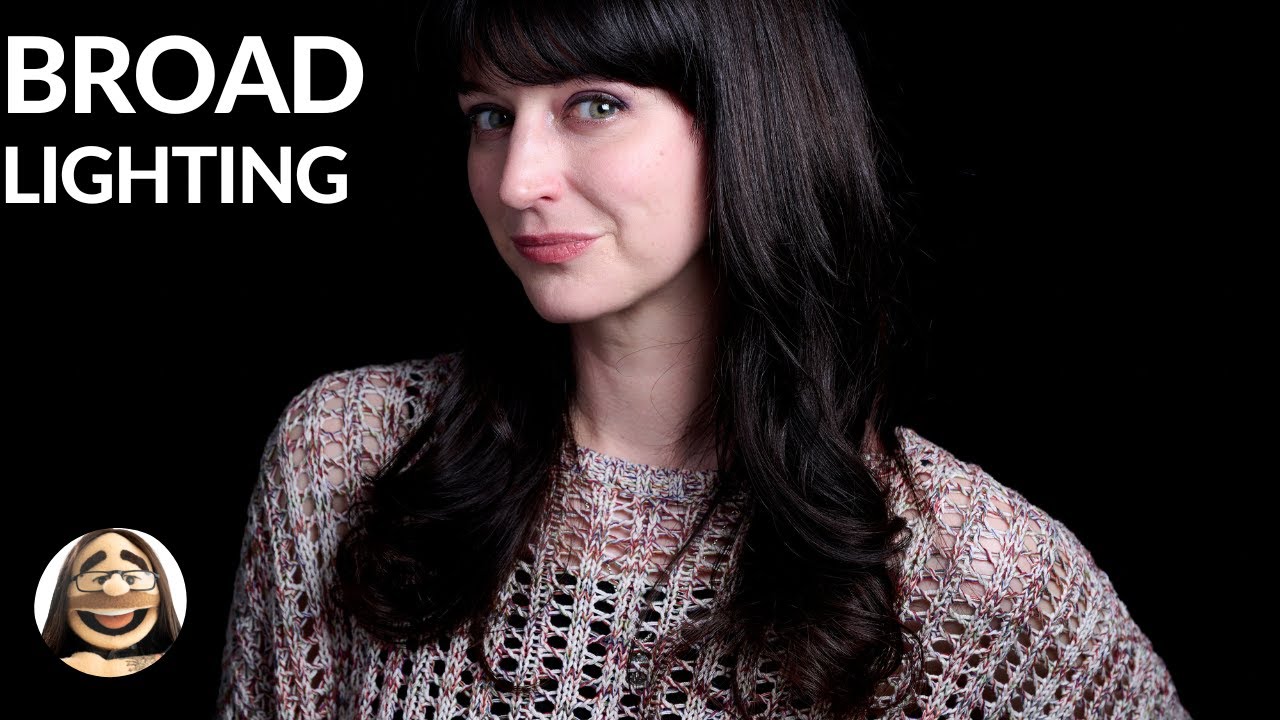
Every time I take on a new assistant or bring an intern into my studio here in Los Angeles, I watch where they put the key light. Without fail, they either shove it right next to the camera and wonder why the face looks flat, or they swing it so far to the side that half the subject disappears into shadow. There is a middle ground, and it has a name.

Butterfly Lighting Step by Step: What the Setup Actually Looks Like in Practice

Butterfly Lighting Step by Step: What the Setup Actually Looks Like in Practice

Butterfly lighting is one of those techniques that sounds simple until you try to explain it to someone who has never seen the shadow you’re chasing. I’ve sketched it in my lighting journal probably a dozen times, handed the diagram to assistants, and still watched them position the key light wrong on the first try. The concept is clean: one light, centered above the lens axis, angled down to cast a small, symmetrical shadow directly beneath the subject’s nose.

Clamshell Lighting Done Wrong (On Purpose): What Lindsay Adler's Bodybuilder Setup Taught Me About Muscle Definition

Clamshell Lighting Done Wrong (On Purpose): What Lindsay Adler's Bodybuilder Setup Taught Me About Muscle Definition

I keep a lighting journal. Every setup from every shoot gets a rough sketch, a note about the modifier, and a one-line summary of what the light was actually doing to the subject. I have notebooks going back twelve years. The reason I do it is simple: lighting decisions that feel obvious in the moment become invisible six months later, and you end up reinventing the same wheel on every job.

How to Light Rain in the Studio (and Make It Actually Look Like Rain)

How to Light Rain in the Studio (and Make It Actually Look Like Rain)

Rain is one of those elements that looks effortless in a great editorial image and absolutely terrible when you don’t know what you’re doing. I’ve watched photographers point a garden hose at a subject and wonder why the result looks like someone got splashed at a car wash. The problem is almost never the water. It’s the light. Water is transparent. If you don’t give it something to catch, it simply disappears into the frame.

Small Flash, Classic Results: How to Build a Studio Portrait Setup with Two Lights and a Reflector

Small Flash, Classic Results: How to Build a Studio Portrait Setup with Two Lights and a Reflector

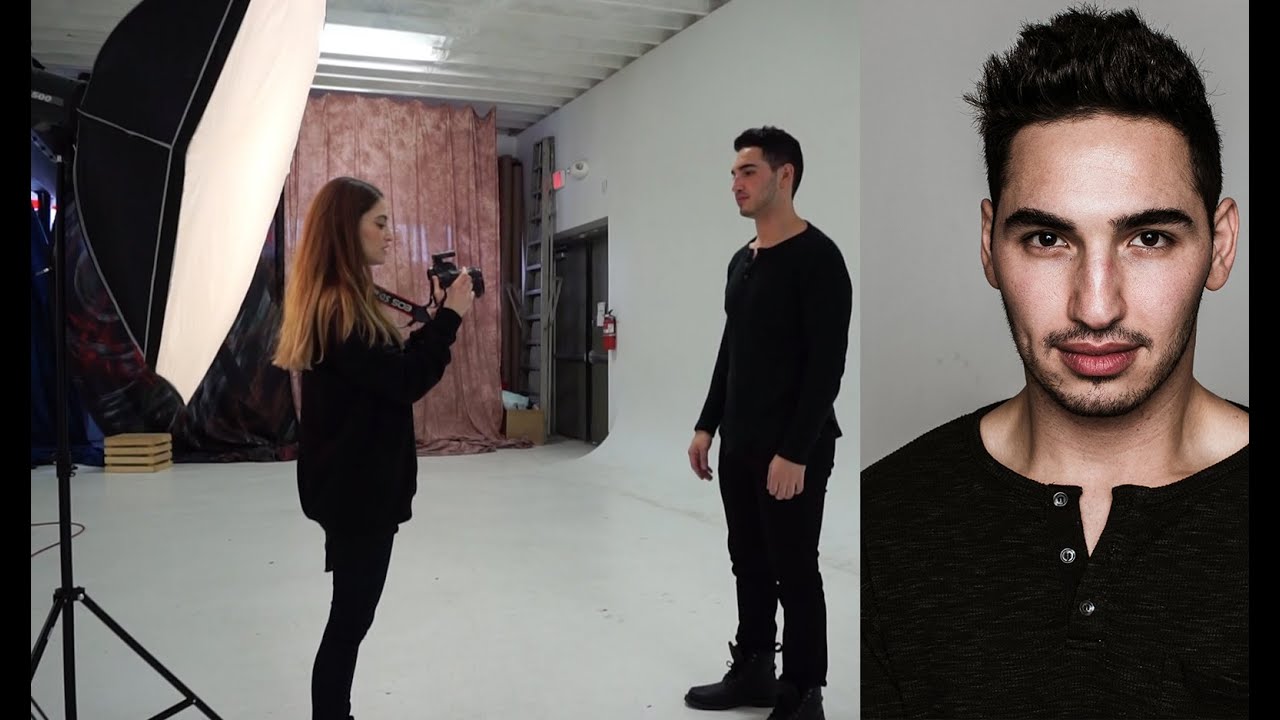
There’s a problem I run into constantly with newer photographers who come through my studio: they think dramatic, polished portraits require a wall of monolights and a dedicated grip crew. I understand where that assumption comes from. But some of my tightest commercial work has come from setups I could pack into a roller bag. That’s exactly why this tutorial from Daniel Norton caught my attention and earned a permanent sketch in my lighting journal.

Use a Polaroid's Manual Mode to Lock In Your Studio Lighting Before You Shoot

Use a Polaroid's Manual Mode to Lock In Your Studio Lighting Before You Shoot

There’s a problem every studio photographer eventually runs into: you’re lighting a subject, your digital camera is doing its own quiet negotiating with TTL, and you’re never quite sure whether what you’re seeing on the back of the camera is the light or the firmware. I’ve been in sessions where I thought I had the setup locked, only to find the exposure drifting between frames because the camera kept second-guessing me.

How to Start a Photo Studio: Four Paths From Zero to Your First Shoot

How to Start a Photo Studio: Four Paths From Zero to Your First Shoot

Every photographer I know who shoots commercially eventually hits the same wall. A client wants a controlled environment, or you want to test a new lighting setup, and suddenly your garage or spare bedroom isn’t cutting it anymore. I’ve been there. When I was first building my studio practice in Los Angeles, the question wasn’t just “do I need a studio?” but “what kind of studio makes sense for where I actually am right now?

Low Key Silhouette Lighting: A Two-Light Setup That Actually Works in a Real Studio

Low Key Silhouette Lighting: A Two-Light Setup That Actually Works in a Real Studio

There’s a specific kind of client brief that used to make me nervous early in my career: “dramatic, dark, high-contrast.” It sounds simple until you’re standing in front of a bright, windowed studio trying to sculpt shadows that don’t exist. Low key lighting is one of those techniques that looks effortless in the final image and chaotic in practice if you haven’t built a reliable process around it. I’ve shot enough fashion and beauty work to know that when this setup goes wrong, it goes wrong fast, and usually right before the client walks in.

Candy Glass, Rim Lights, and a Couch Against a White Wall: What This Stunt Technique Taught Me About Scene Lighting

Candy Glass, Rim Lights, and a Couch Against a White Wall: What This Stunt Technique Taught Me About Scene Lighting

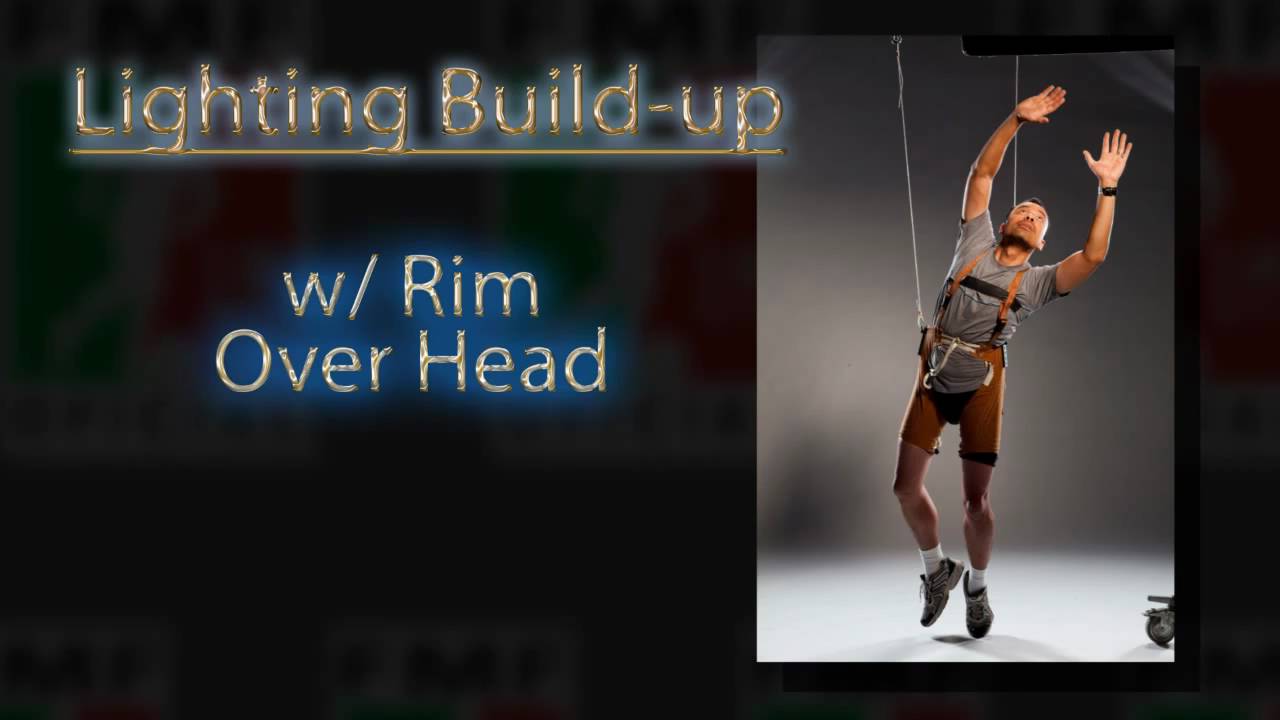
There are tutorials that teach you a technique, and then there are tutorials that accidentally teach you three techniques while pretending to teach you one. In this The Slanted Lens tutorial by JP Morgan, the stated subject is how to make breakaway candy glass, the kind Hollywood prop departments have been fabricating since the early days of film. But if you pay attention past the candy thermometer and the corn syrup, there’s a complete multi-light scene setup buried in the second half, and that’s the part I keep coming back to.

Studio Time-Lapse with Strobes: How to Build a Moving, Cinematic Scene from Scratch

Studio Time-Lapse with Strobes: How to Build a Moving, Cinematic Scene from Scratch

There are problems in commercial studio work that nobody warns you about until they cost you a job. Time-lapse is one of them. Clients ask for it more than they used to, especially for social content and behind-the-scenes brand work, and the default assumption is that you just point the camera at something and let it run. What they don’t account for is the complexity that comes when you want to control the light completely, which is every studio shooter’s instinct.

How to Build a Believable Studio Set (And Light It So Nobody Knows It Isn't Real)

How to Build a Believable Studio Set (And Light It So Nobody Knows It Isn't Real)

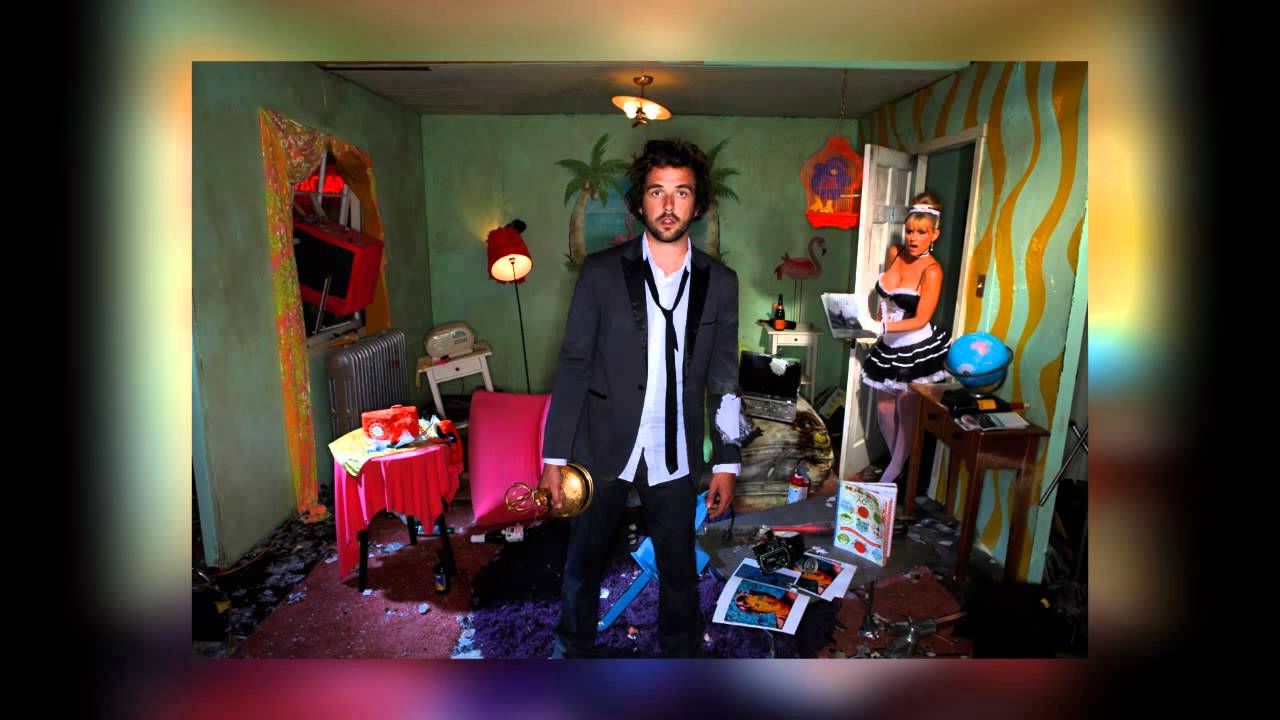
Every commercial photographer hits the same wall eventually. The client wants a living room. Or a doctor’s office. Or an artist’s studio. And your budget doesn’t stretch to a location scout, a permit, and a half-day of travel. For years, I dealt with this by shooting on location and fighting whatever the space gave me in terms of light, color temperature, and geometry. It was a constant compromise. Then I started building my own sets in-studio and realized I’d been making my life unnecessarily hard.