Small Flash, Classic Results: How to Build a Studio Portrait Setup with Two Lights and a Reflector

Small Flash, Classic Results: How to Build a Studio Portrait Setup with Two Lights and a Reflector

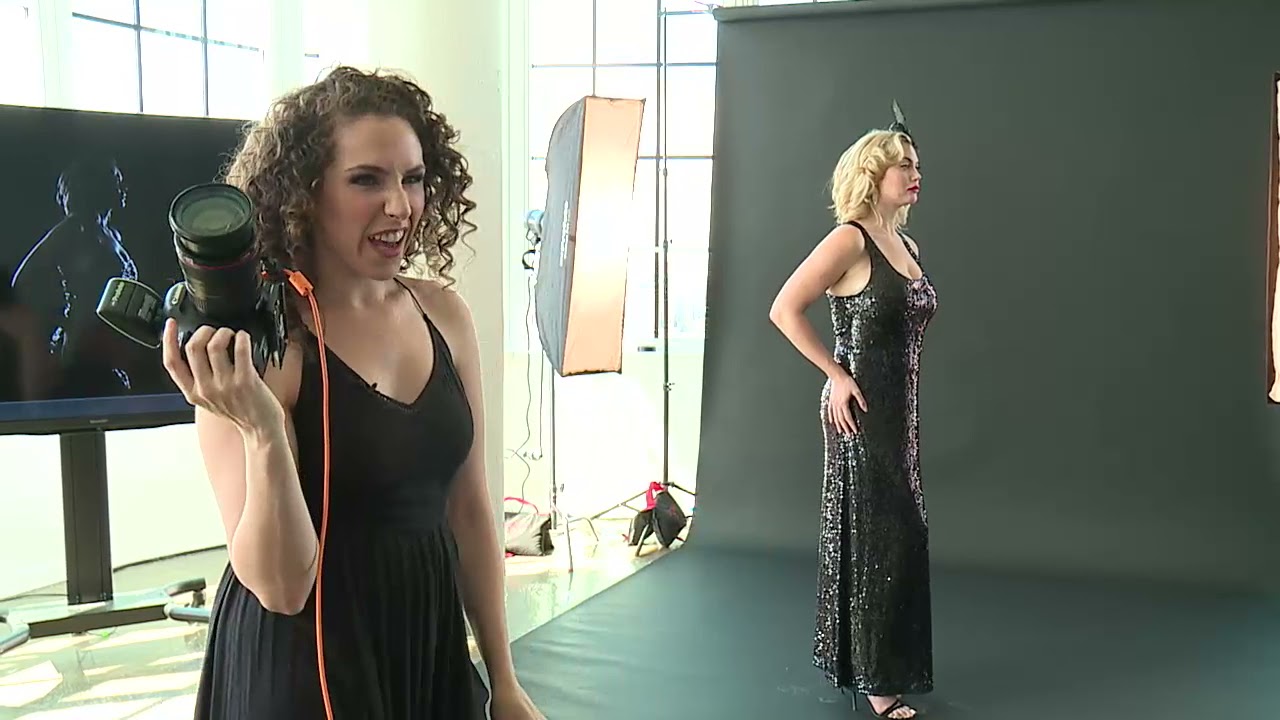
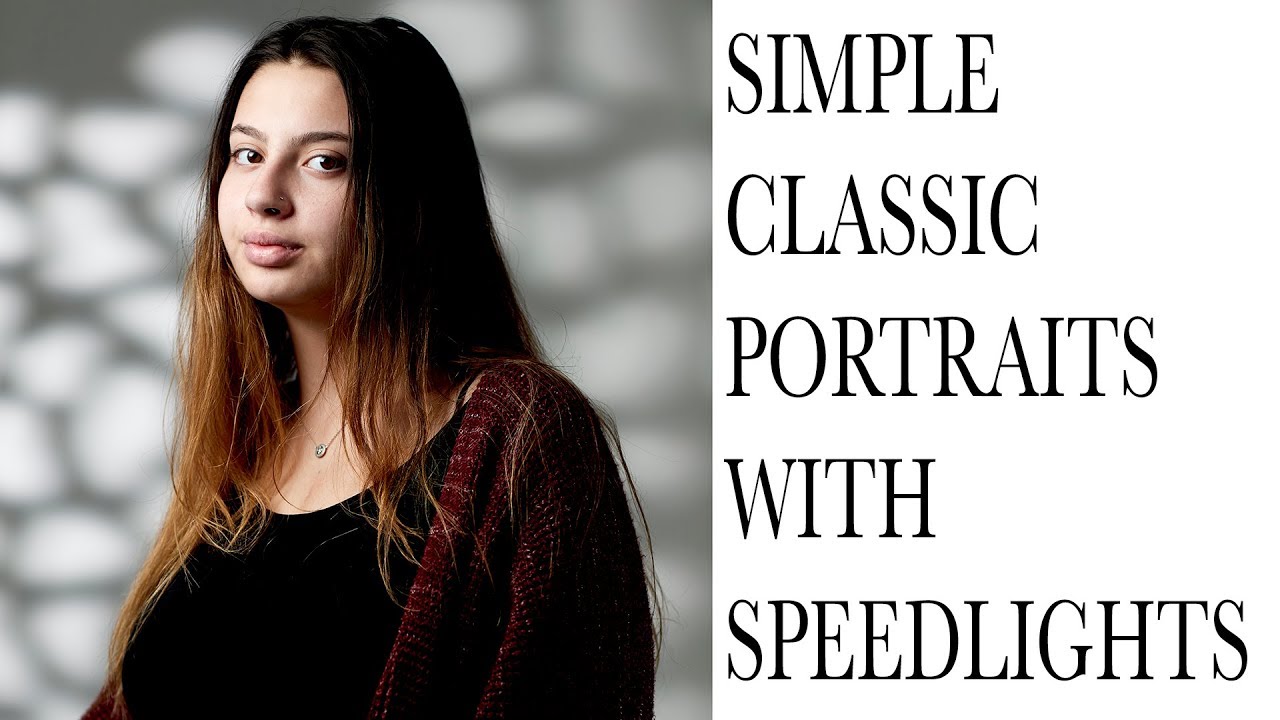
There’s a problem I run into constantly with newer photographers who come through my studio: they think dramatic, polished portraits require a wall of monolights and a dedicated grip crew. I understand where that assumption comes from. But some of my tightest commercial work has come from setups I could pack into a roller bag. That’s exactly why this tutorial from Daniel Norton caught my attention and earned a permanent sketch in my lighting journal.
Use a Polaroid's Manual Mode to Lock In Your Studio Lighting Before You Shoot

Use a Polaroid's Manual Mode to Lock In Your Studio Lighting Before You Shoot

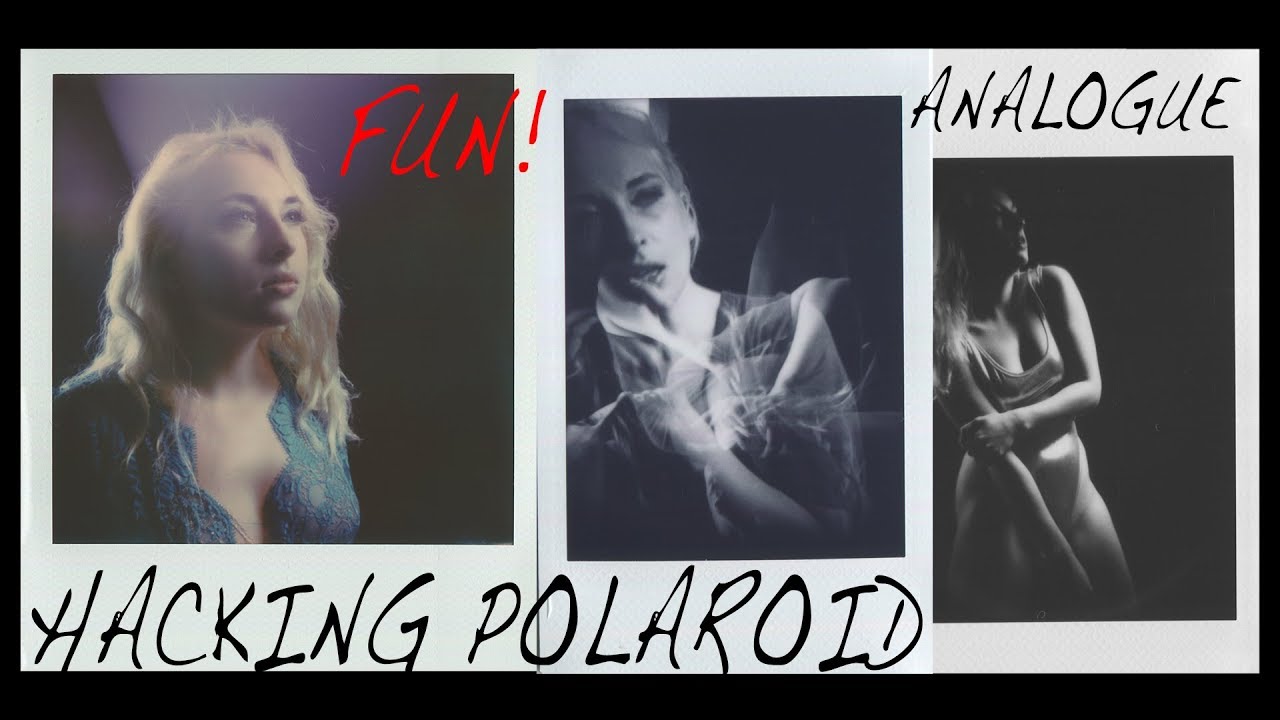
There’s a problem every studio photographer eventually runs into: you’re lighting a subject, your digital camera is doing its own quiet negotiating with TTL, and you’re never quite sure whether what you’re seeing on the back of the camera is the light or the firmware. I’ve been in sessions where I thought I had the setup locked, only to find the exposure drifting between frames because the camera kept second-guessing me.

How to Start a Photo Studio: Four Paths From Zero to Your First Shoot

How to Start a Photo Studio: Four Paths From Zero to Your First Shoot

Every photographer I know who shoots commercially eventually hits the same wall. A client wants a controlled environment, or you want to test a new lighting setup, and suddenly your garage or spare bedroom isn’t cutting it anymore. I’ve been there. When I was first building my studio practice in Los Angeles, the question wasn’t just “do I need a studio?” but “what kind of studio makes sense for where I actually am right now?

Low Key Silhouette Lighting: A Two-Light Setup That Actually Works in a Real Studio

Low Key Silhouette Lighting: A Two-Light Setup That Actually Works in a Real Studio

There’s a specific kind of client brief that used to make me nervous early in my career: “dramatic, dark, high-contrast.” It sounds simple until you’re standing in front of a bright, windowed studio trying to sculpt shadows that don’t exist. Low key lighting is one of those techniques that looks effortless in the final image and chaotic in practice if you haven’t built a reliable process around it. I’ve shot enough fashion and beauty work to know that when this setup goes wrong, it goes wrong fast, and usually right before the client walks in.

Candy Glass, Rim Lights, and a Couch Against a White Wall: What This Stunt Technique Taught Me About Scene Lighting

Candy Glass, Rim Lights, and a Couch Against a White Wall: What This Stunt Technique Taught Me About Scene Lighting

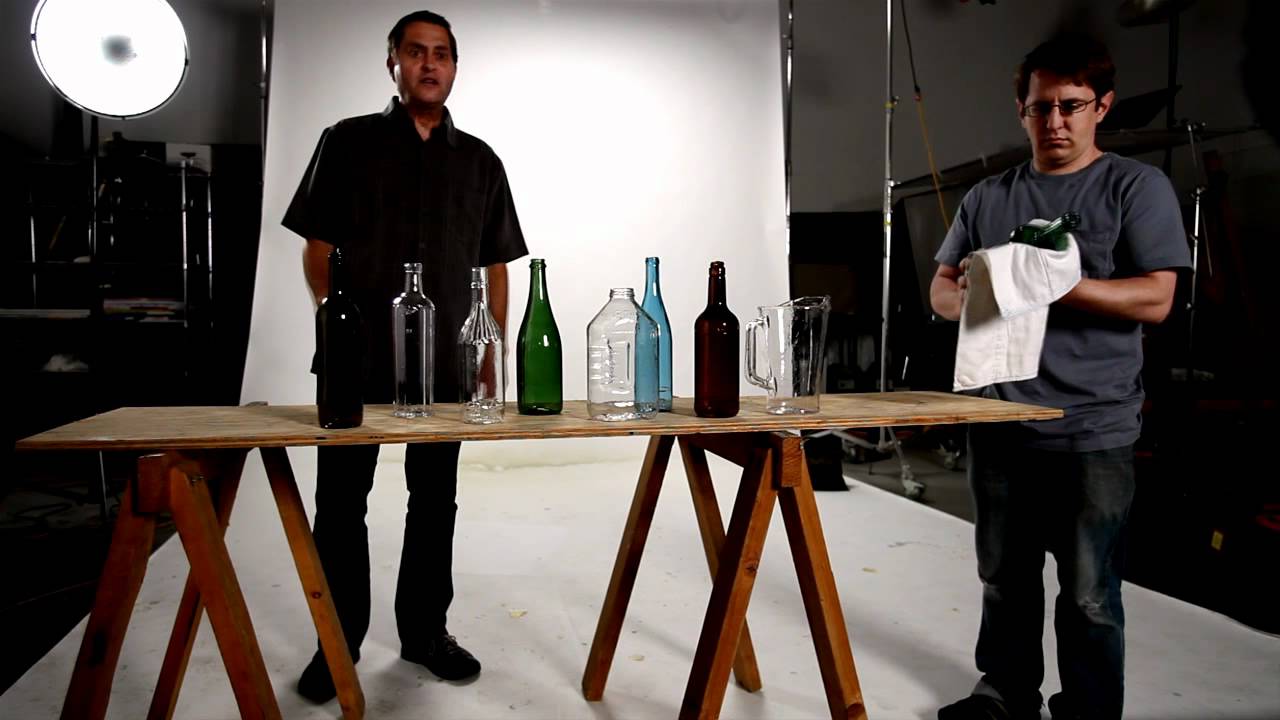
There are tutorials that teach you a technique, and then there are tutorials that accidentally teach you three techniques while pretending to teach you one. In this The Slanted Lens tutorial by JP Morgan, the stated subject is how to make breakaway candy glass, the kind Hollywood prop departments have been fabricating since the early days of film. But if you pay attention past the candy thermometer and the corn syrup, there’s a complete multi-light scene setup buried in the second half, and that’s the part I keep coming back to.

Studio Time-Lapse with Strobes: How to Build a Moving, Cinematic Scene from Scratch

Studio Time-Lapse with Strobes: How to Build a Moving, Cinematic Scene from Scratch

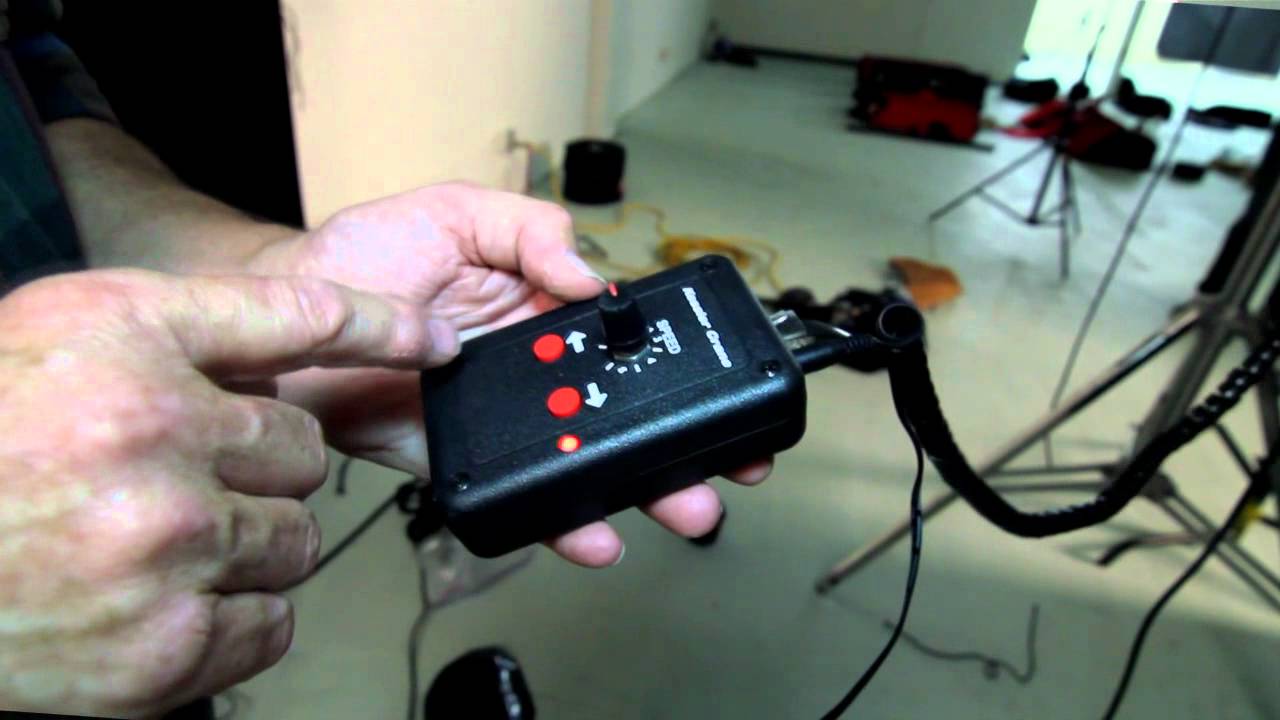
There are problems in commercial studio work that nobody warns you about until they cost you a job. Time-lapse is one of them. Clients ask for it more than they used to, especially for social content and behind-the-scenes brand work, and the default assumption is that you just point the camera at something and let it run. What they don’t account for is the complexity that comes when you want to control the light completely, which is every studio shooter’s instinct.

How to Build a Believable Studio Set (And Light It So Nobody Knows It Isn't Real)

How to Build a Believable Studio Set (And Light It So Nobody Knows It Isn't Real)

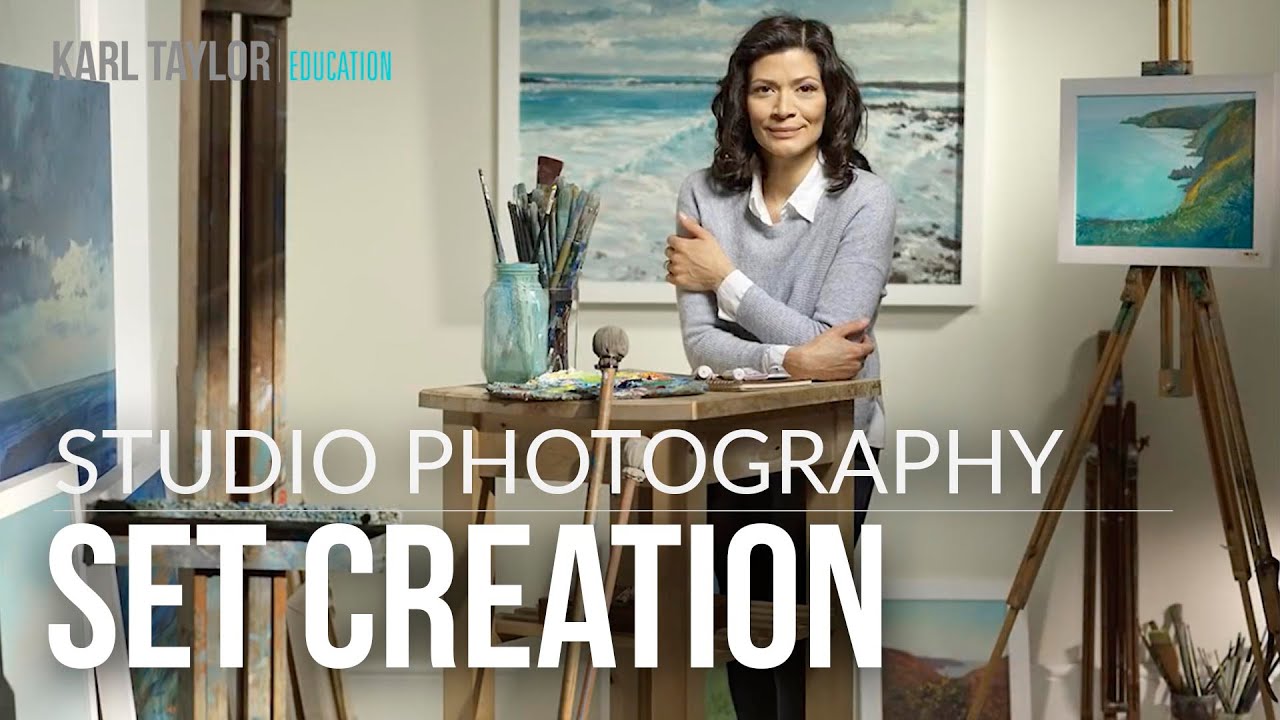
Every commercial photographer hits the same wall eventually. The client wants a living room. Or a doctor’s office. Or an artist’s studio. And your budget doesn’t stretch to a location scout, a permit, and a half-day of travel. For years, I dealt with this by shooting on location and fighting whatever the space gave me in terms of light, color temperature, and geometry. It was a constant compromise. Then I started building my own sets in-studio and realized I’d been making my life unnecessarily hard.

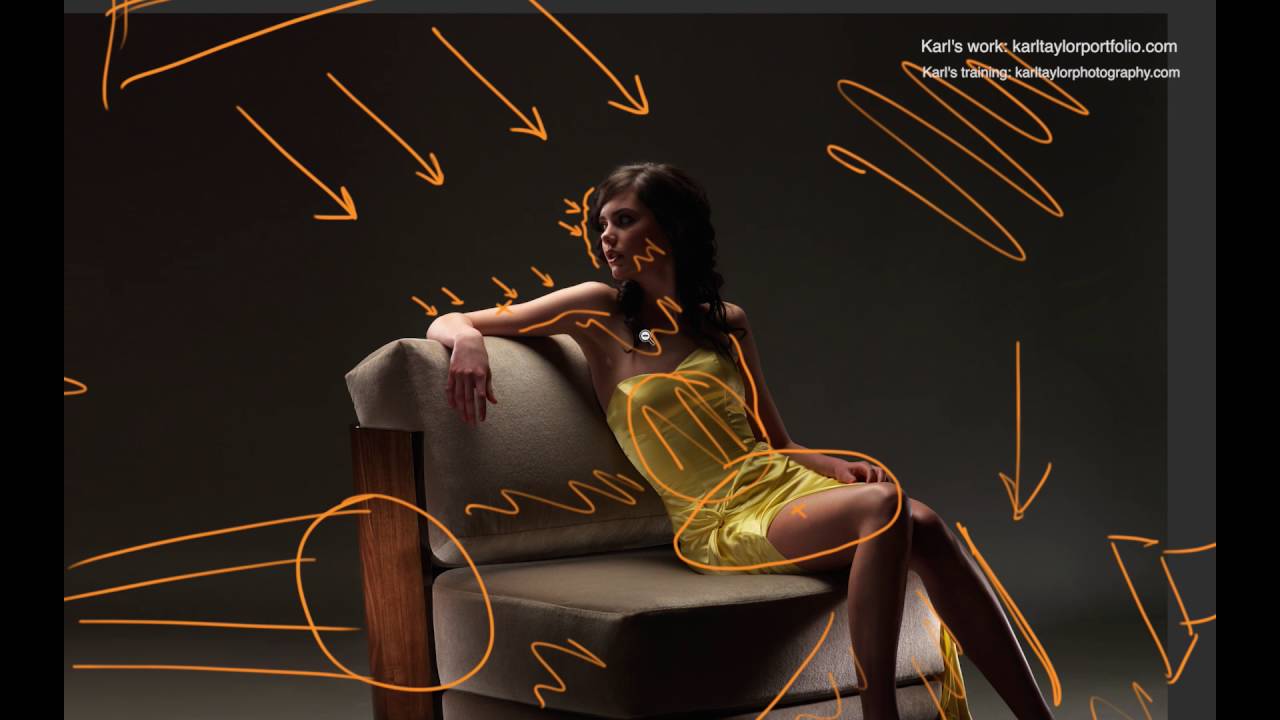
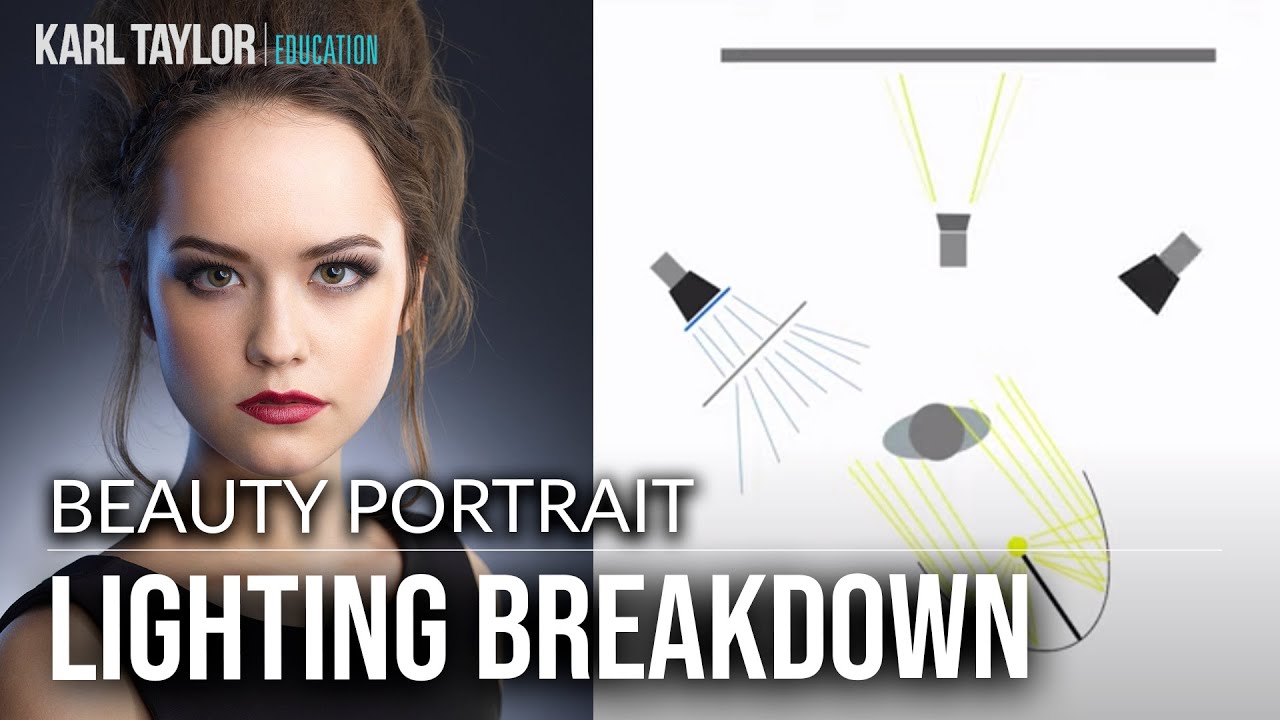
How Karl Taylor Actually Lit That Shot (And Why Lighting Ratios Are the Wrong Question)

How Karl Taylor Actually Lit That Shot (And Why Lighting Ratios Are the Wrong Question)

Every time I finish a commercial shoot and review the selects, I flip back through my lighting journal and check what I sketched before the first frame fired. More often than not, the setup that worked was not the setup I planned. It was the one I adjusted after reading the shadows. That habit, paying close attention to what the dark areas are doing rather than obsessing over the bright ones, is something I picked up slowly over years of editorial work.

Why Your Studio Workflow Breaks Down Before You Touch a Light

Why Your Studio Workflow Breaks Down Before You Touch a Light

Every shoot I’ve ruined taught me something the ones that went perfectly never could. My worst was an editorial for a mid-sized fashion client early in my career. I was using two different strobe manufacturers, neither of which I’d color-checked against each other, and I wrapped an eight-hour day feeling solid. Clean exposures, sharp frames, confident talent. Then I pulled the cards into Lightroom and found a 400K temperature swing between my key light and my fill.

What Anne Geddes's Studio Teaches Every Working Photographer About Trust, Team, and Baby Lighting

What Anne Geddes's Studio Teaches Every Working Photographer About Trust, Team, and Baby Lighting

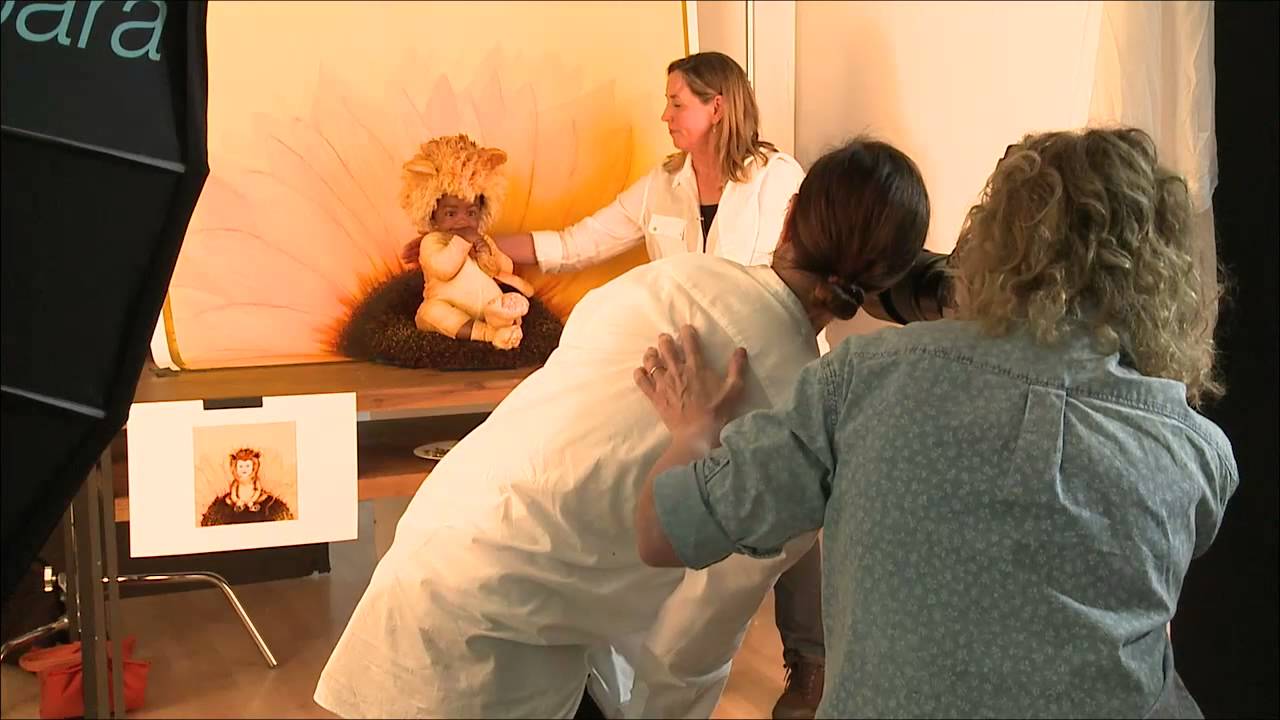
There’s a question I get at workshops almost every time: “How do you handle unpredictable subjects?” Usually the person asking is talking about a difficult client or a fidgety model. But the hardest version of that problem is photographing infants, where you have zero verbal communication, a narrow window of cooperation, and something genuinely precious at stake. I’ve shot enough commercial work to know that the gap between a controlled adult portrait session and a session with a six-month-old is not a gap, it’s a canyon.

How to Light a Boudoir Scene With Depth, Glow, and Edge: A Four-Light Breakdown

How to Light a Boudoir Scene With Depth, Glow, and Edge: A Four-Light Breakdown

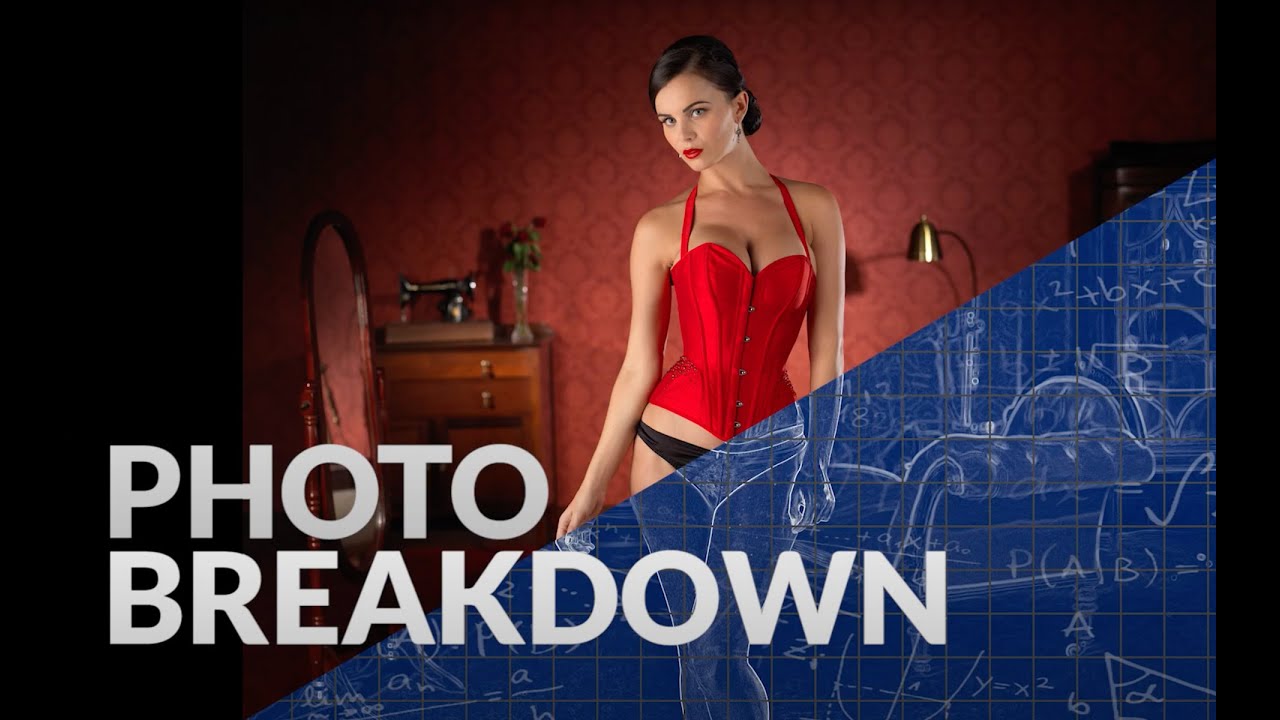
Boudoir is one of those genres that punishes lazy lighting more than almost anything else. The intimacy of the subject demands that every light feel intentional, warm, and placed with care. Too flat and the image reads like a passport photo. Too dramatic and you lose the mood entirely. For years I kept a tear-out from a European fashion magazine pinned above my lighting kit because I could not figure out how the photographer had layered background light against skin light so seamlessly.

Breaking Down a 4-Light Model Headshot Setup (And the Blue Gel Detail Most Photographers Miss)

Breaking Down a 4-Light Model Headshot Setup (And the Blue Gel Detail Most Photographers Miss)

Every few months I come across a tutorial that makes me pause and actually sketch something into my lighting journal. Most videos rehash the same three-light setups I could draw from memory. This one stopped me. Watch the full tutorial on YouTube before or after you read this, because the image of model Alex Kelly that opens it is worth studying on its own. In this Visual Education tutorial, photographer Carl walks through a headshot setup he shot live, in front of an audience, which immediately tells you something about how confident he is in this particular configuration.