Octodomes Decoded: What Every Studio Photographer Needs to Know About Eight-Sided Light

Octodomes Decoded: What Every Studio Photographer Needs to Know About Eight-Sided Light

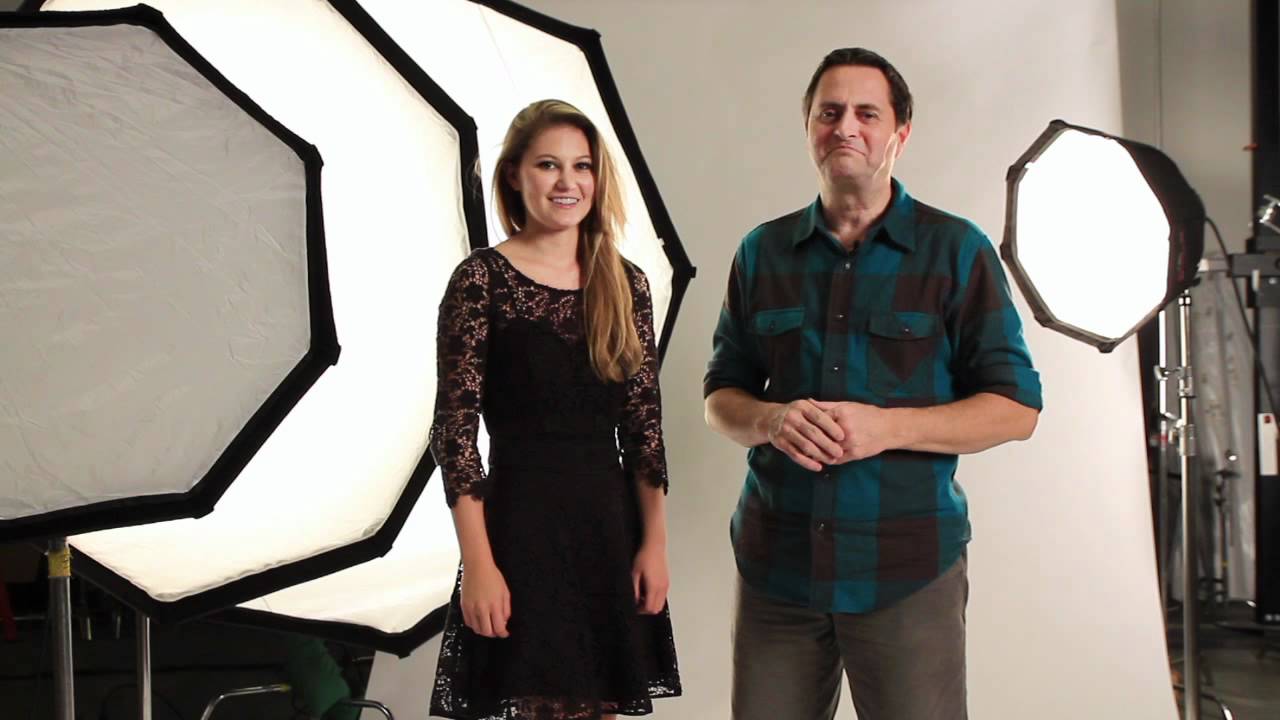
I test every new modifier the day it arrives. Not because I’m impatient, though I am, but because showing up to a client shoot with an untested piece of gear is how careers end quietly. So when octodomes started appearing in more of my commercial setups, I needed to understand exactly what I was getting, not just the marketing copy on the box. Size, coverage, feathering behavior, catchlight shape. All of it.

The Octabox 150: A Working Photographer's Case for the Most Useful Modifier in the Studio

The Octabox 150: A Working Photographer's Case for the Most Useful Modifier in the Studio

I have a masking tape label on almost every piece of gear in my studio. The octabox 150 gets its own label, but it also gets a permanent spot on the stand closest to my shooting position. That’s how often it goes up. When clients book a beauty or fashion job, this modifier is almost always my first pull. It’s large enough to wrap light around a face, forgiving enough for a moving subject, and controllable enough that I’m not fighting spill all day.

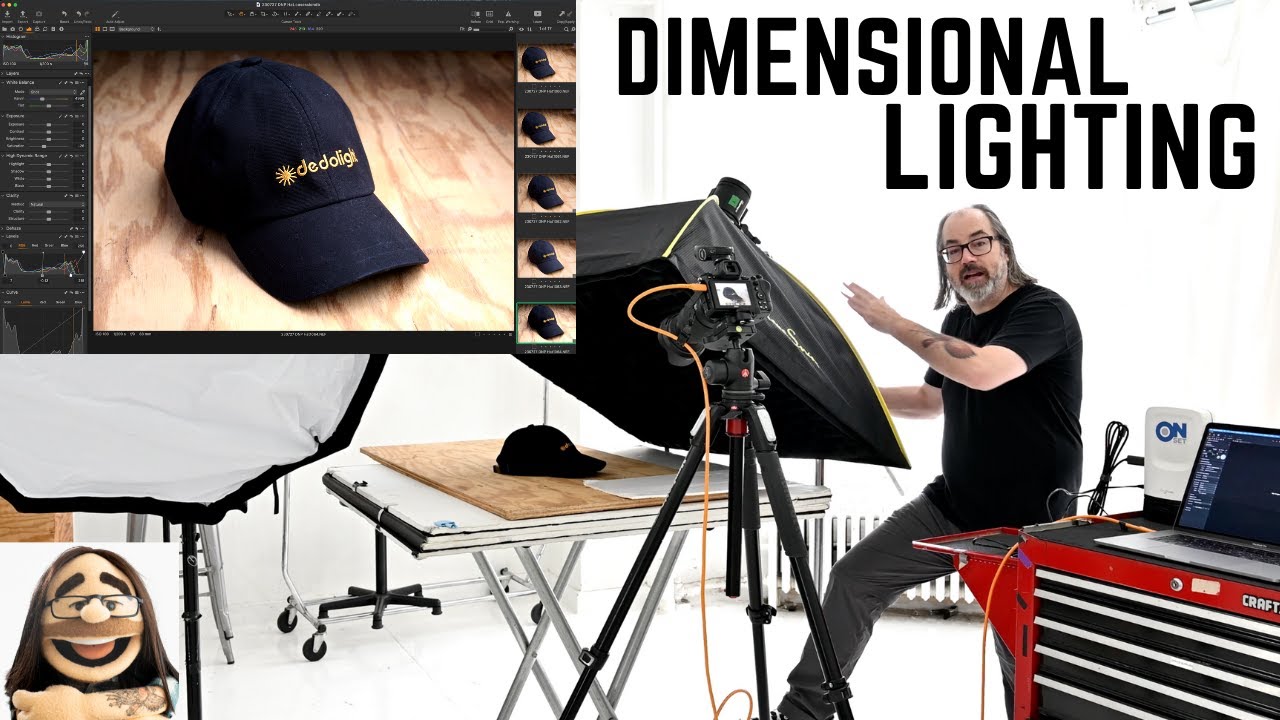
How to Light Still Life with Real Depth: A Breakdown of Daniel Norton's Two-Light Setup

How to Light Still Life with Real Depth: A Breakdown of Daniel Norton's Two-Light Setup

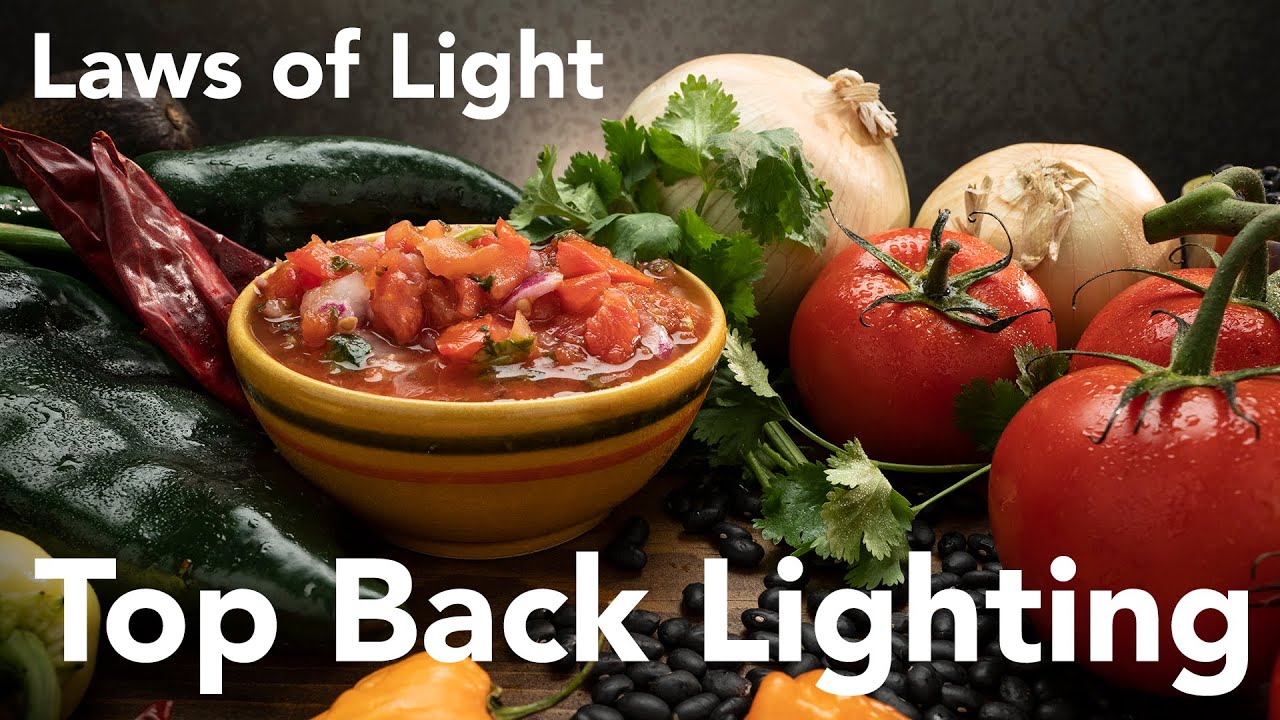
Still life and product work has a reputation for being straightforward. One light, white background, done. And sure, that approach gets the job done for basic e-commerce. But the moment a client wants something that feels tactile, something that makes a viewer want to reach out and pick up the object, flat lighting becomes the enemy. I run into this constantly. A beauty brand will ask for a shot that “pops off the page,” and what they’re really asking for is dimensionality, shadow, a sense that the product exists in physical space rather than floating in a void.

Why Your Softbox Is Lying to You (And What to Use Instead)

Why Your Softbox Is Lying to You (And What to Use Instead)

Every modifier in my studio has a strip of masking tape on it with a label. Not a cute nickname. A descriptor: “36-inch octa,” “5-degree grid,” “48x36 strip.” I started doing this years ago because I got tired of grabbing the wrong tool in the middle of a tethered shoot while a client sat behind my monitor. The labeling habit sounds obsessive until the day it saves you from making a $4,000-an-hour mistake.

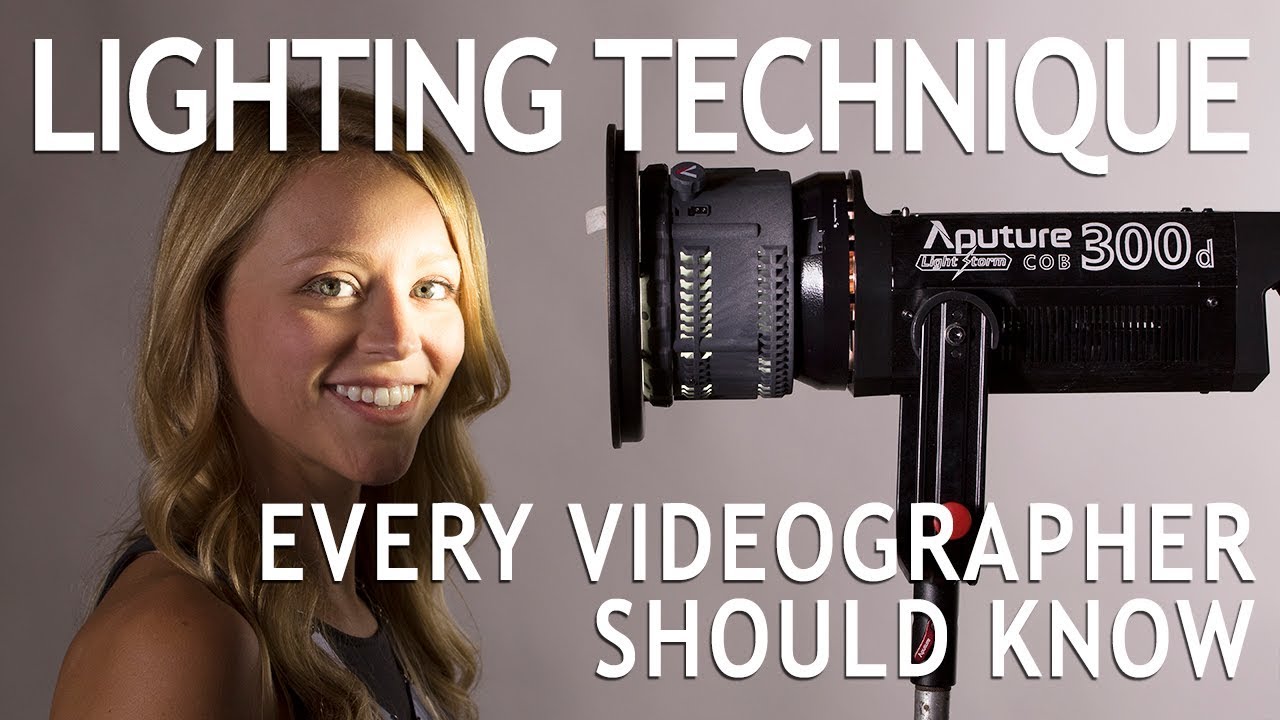
One Light, Five Modifiers: What Videographers Can Steal From Studio Photography

One Light, Five Modifiers: What Videographers Can Steal From Studio Photography

Every cinematographer I’ve ever talked to has a version of the same complaint: too much gear, not enough control. They’re hauling Fresnels and Source Fours and a Joker to get through a single interview setup, when half the time what they actually need is one well-modified light and the knowledge to shape it. That’s the tension JP Morgan at The Slanted Lens addresses head-on in his tutorial on using a single LED unit with interchangeable modifiers, and it’s worth breaking down for anyone who shoots both stills and video.

One Light, One Strip Bank, and Why Groom Portraits Deserve More Attention Than They Get

One Light, One Strip Bank, and Why Groom Portraits Deserve More Attention Than They Get

Groom portraits are the forgotten child of wedding photography. Every tutorial, every lighting course, every lighting diagram pinned to a studio wall is overwhelmingly built around the bride. The groom gets five minutes between the ceremony and the cocktail hour, a pat on the shoulder, and a standing pose in front of whatever wall happens to be nearby. I’ve been guilty of this myself, and the results show it. The images are flat, rushed, and forgettable.

Light Modifiers Explained: Softboxes, Umbrellas, and Beauty Dishes

Light Modifiers Explained: Softboxes, Umbrellas, and Beauty Dishes

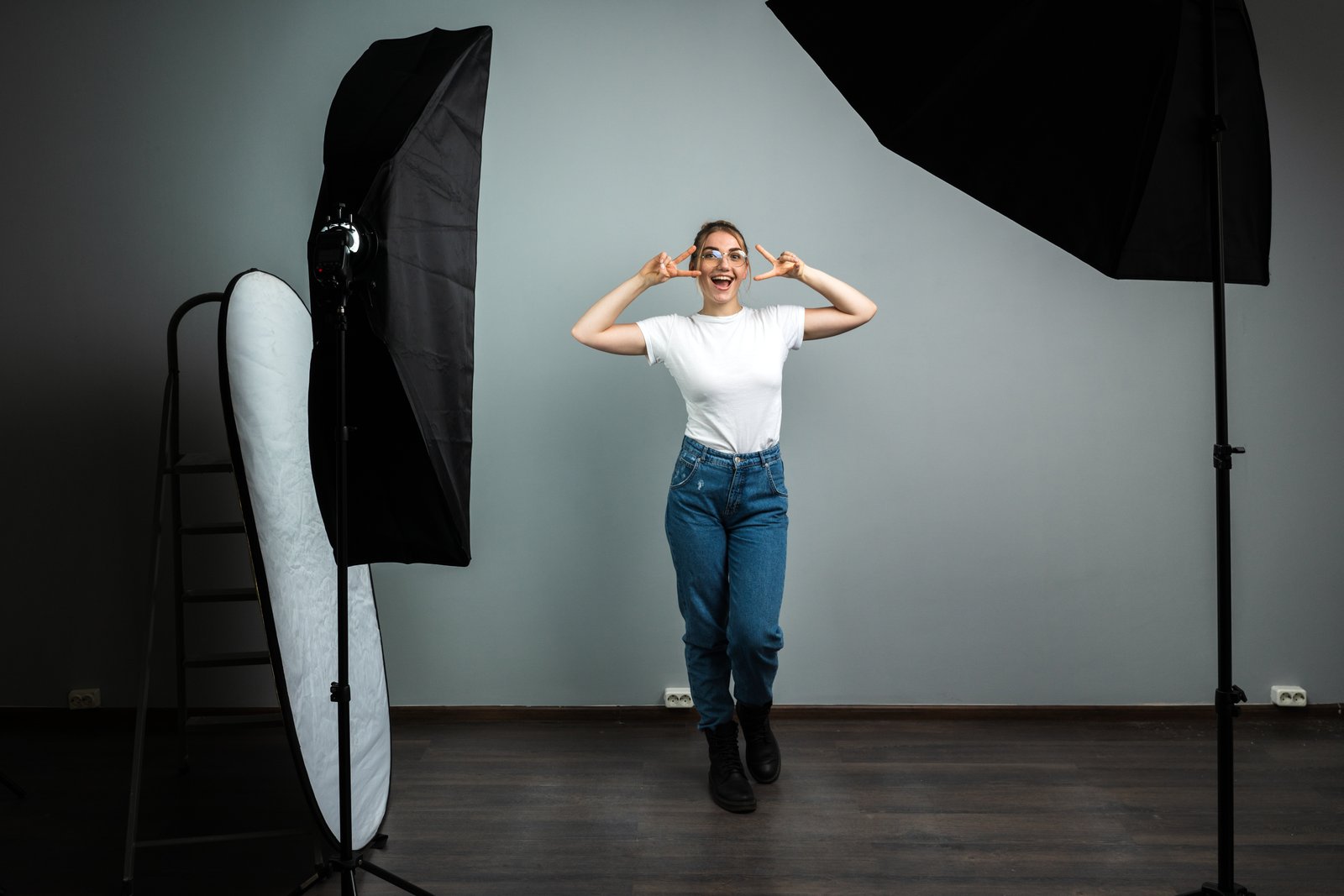
A bare flash produces a small, intense point of light. Modifiers reshape that light before it reaches your subject, changing its size, direction, quality, and spread. Choosing the right modifier is one of the most consequential decisions you make in a studio setup. Softboxes A softbox is an enclosed box with reflective interior walls and a translucent front panel. Light bounces inside the box before passing through the diffusion material, producing even, controlled illumination.

5 Beauty Lighting Setups From Soft to Bold: A Complete Behind-the-Scenes Breakdown

5 Beauty Lighting Setups From Soft to Bold: A Complete Behind-the-Scenes Breakdown

I recently watched this Westcott tutorial that walks through five completely different beauty lighting setups — all in one session, same model, progressing from soft natural looks to bold creative effects. It’s one of the best demonstrations I’ve seen of how much you can change a portrait just by rearranging light. Here’s my breakdown of each setup with the key takeaways. The Studio Setup The studio is loaded with Westcott gear — multiple softboxes of different sizes, a large parabolic umbrella, and several FJ-series strobes.