Why I Label Every Light in My Studio (And How It Saved My Workflow)

Why I Label Every Light in My Studio (And How It Saved My Workflow)

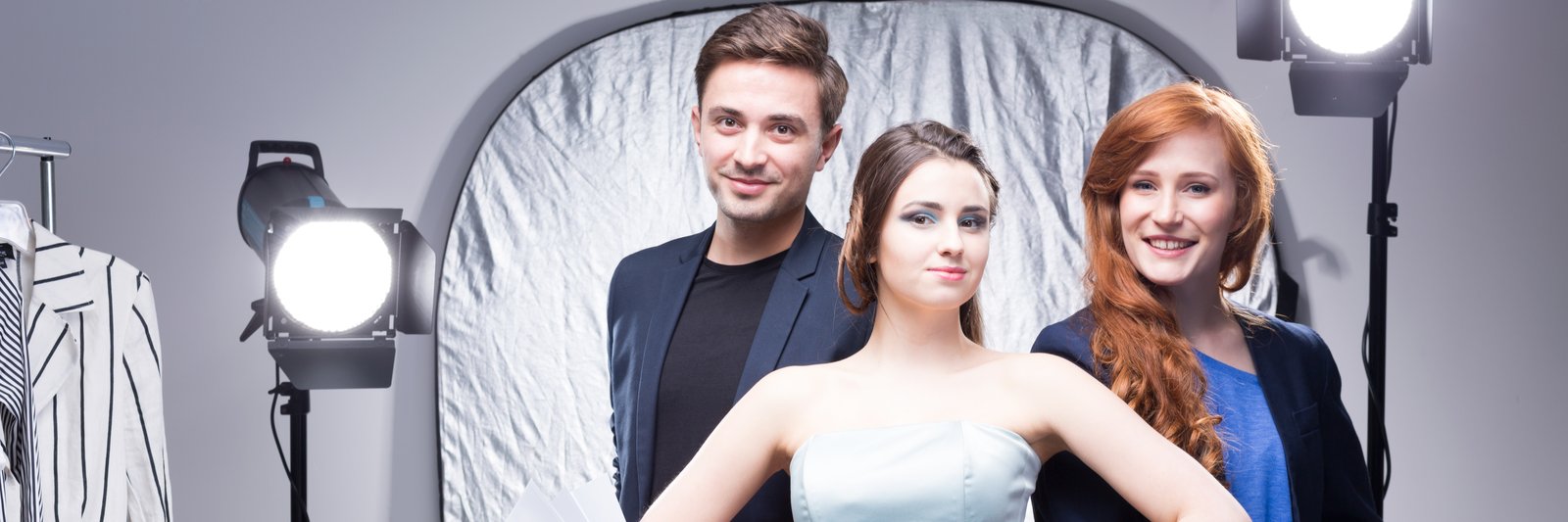
The Shoot That Made Me Build a System I walked into my studio last spring to prep for a beauty campaign, three models, six looks, a client rep sitting on the couch with her laptop open. My assistant had moved the strobes the night before for a different job and “put them back.” The key light was two feet off its mark. The fill ratio was completely wrong. The background light was aimed at the ceiling.

What a $10,000 Studio Makeover Winner Teaches Us About Photographing with Purpose

What a $10,000 Studio Makeover Winner Teaches Us About Photographing with Purpose

There’s a version of studio photography that’s entirely about gear lists and modifier specs. I’ve lived in that version for years. I know the watt-second ratings on every strobe in my kit. I label every light with masking tape so I can rebuild a setup from a sketch in under four minutes. But sometimes a tutorial comes along that isn’t really about the technical side at all, and it lands harder than any lighting breakdown I’ve read this year.

How I Use Photoshop's Generative Fill to Rescue Wrinkled and Blown-Out Studio Backgrounds

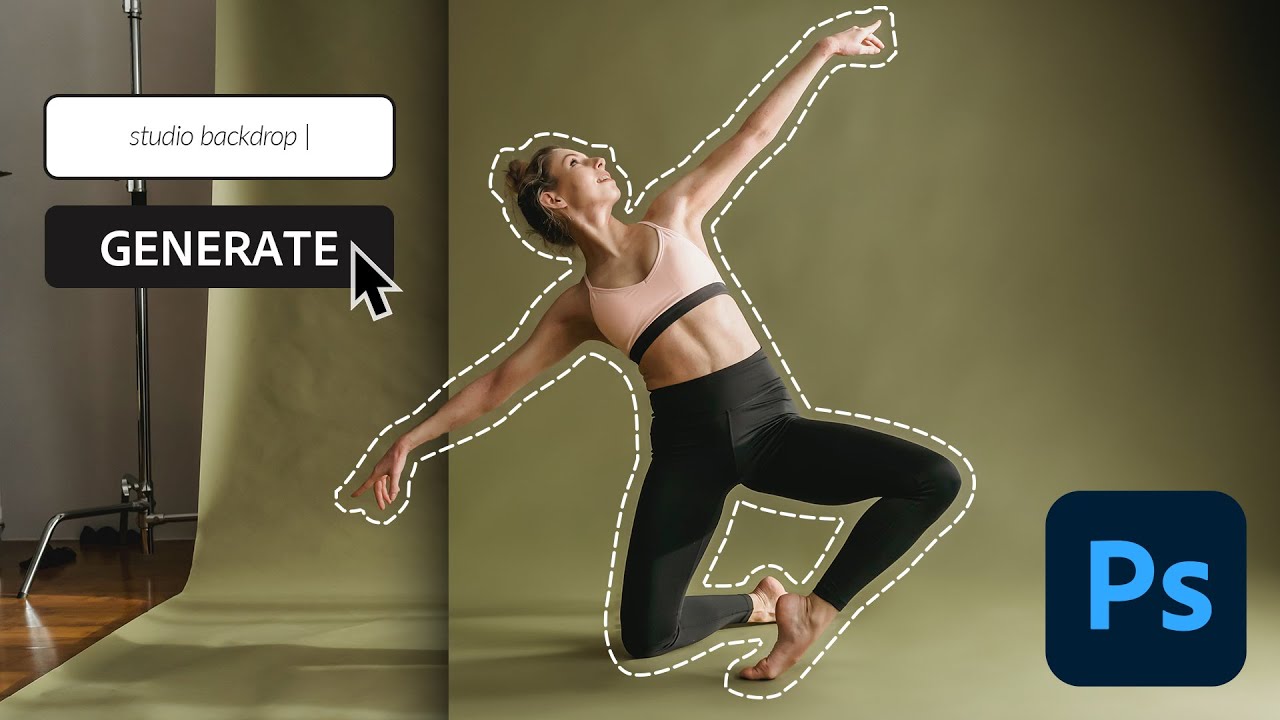
How I Use Photoshop's Generative Fill to Rescue Wrinkled and Blown-Out Studio Backgrounds

Every studio photographer I know has a folder of otherwise great shots that got killed by the background. A wrinkled sweep, a muslin with a crease right behind the subject’s shoulder, a seamless paper that got scuffed during a wardrobe change. I’ve had entire selects from editorial jobs where I spent more time cloning background imperfections than I did on the actual retouching. It’s one of those invisible taxes on studio work that nobody talks about when they’re showing off their beautiful setups on Instagram.

The Modifier Is the Light: How to Stop Guessing and Start Controlling Your Studio Output

The Modifier Is the Light: How to Stop Guessing and Start Controlling Your Studio Output

I had a beauty shoot booked for a cosmetics client a few years back. New modifier, delivered that morning. A 47-inch octabox from a brand I hadn’t used before. I did what I always do: I unpacked it, assembled it, taped my label to the speed ring (“OCT-47, LEFT”), and ran a full test sequence before the client arrived. Caught a hot spot dead center, caused by a diffusion panel with uneven density near the seam.

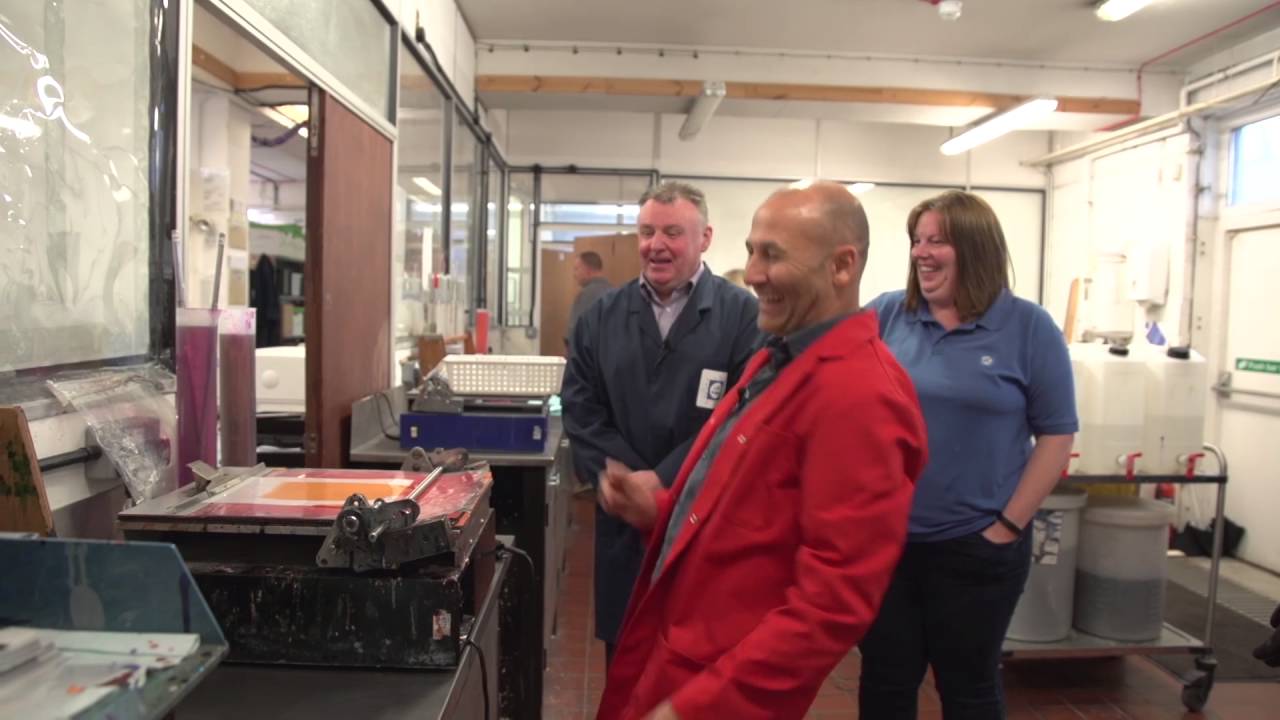
Inside the Factory: What Pro Lighting Gels Are Actually Made Of (And Why It Changes How I Use Them)

Inside the Factory: What Pro Lighting Gels Are Actually Made Of (And Why It Changes How I Use Them)

Color has burned me before. Early in my commercial career, I walked into an editorial shoot confident in my gel choices, only to realize halfway through the day that the reds I was using were shifting warm under heat from the fixture. The prints came back muddy. The client was patient, but I was not. That experience sent me down a rabbit hole of understanding not just how gels behave, but how they are actually built.

Shine, Specular Highlights, and When You Actually Need a Makeup Artist

Shine, Specular Highlights, and When You Actually Need a Makeup Artist

Shiny skin shows up in my work more often than I’d like to admit. Not because I don’t know how to handle it, but because clients arrive under fluorescent office lighting, sit down under a beauty dish, and suddenly every pore on their forehead is a tiny mirror pointed directly at my camera. Early in my career I would have reached for powder immediately, or worse, just planned to fix it in post.

Rim Lighting Is Not a Finishing Touch — It's a Structural Decision

Rim Lighting Is Not a Finishing Touch — It's a Structural Decision

I had a fashion client a few years ago who kept asking me to make the model “pop more.” We were shooting a dark suit against a dark gray background, and the images looked flat no matter what I did to the key light. I kept chasing the problem from the front of the frame when the actual solution lived behind the subject. One rim light, placed at about 135 degrees off-axis, changed the entire image.

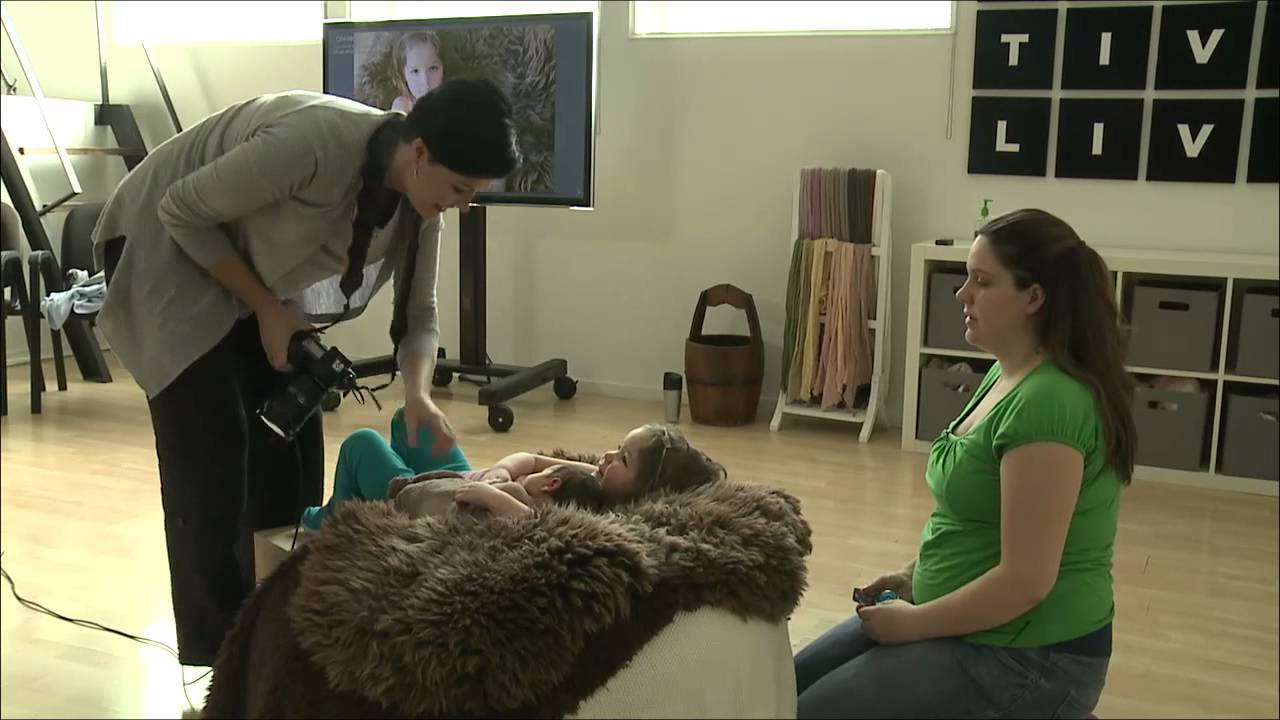
How to Pose a Newborn With a Sibling: A Studio Photographer's Breakdown of the CreativeLive Method

How to Pose a Newborn With a Sibling: A Studio Photographer's Breakdown of the CreativeLive Method

Sibling shots are the ones clients always ask for and the ones that go wrong most often. You have a sleepy, floppy newborn, a toddler who has been sitting still for approximately forty-five seconds of their entire life, and a parent hovering just off-frame radiating anxiety. I have watched otherwise solid studio photographers completely lose control of a session the moment a second child enters the frame. The posing logic that works for a solo newborn does not translate automatically, and improvising in the moment with a family watching you is not where you want to figure that out.

How I Build Every Studio Shot Before I Touch a Single Light

How I Build Every Studio Shot Before I Touch a Single Light

Every minute I spend confused on set costs me money. That’s not a metaphor. I shoot for fashion clients and beauty brands that bill studio time by the hour, sometimes with a stylist, an art director, and a model all standing around watching me squint at a histogram. I learned early that confusion is expensive, and that the photographers who look effortless in a studio aren’t guessing. They showed up with a plan.

Low Key Lighting Is Not Just a Dark Background: Building Shadows That Do the Work

Low Key Lighting Is Not Just a Dark Background: Building Shadows That Do the Work

The Setup That Taught Me Shadows Have Weight A few years ago I was shooting a men’s grooming campaign, seven looks, tight deadline, client in the room. I had my key light dialed, my background was black seamless, and I was convinced I was shooting low key. The client looked at the tethered feed and said, “It feels a little flat, doesn’t it?” She was right. The images were dark, but they weren’t low key.

From Studio Grind to Landscape Freedom: What Thomas Heaton's Career Pivot Taught Me About Playing the Long Game

From Studio Grind to Landscape Freedom: What Thomas Heaton's Career Pivot Taught Me About Playing the Long Game

There’s a version of the photography career conversation that gets repeated so often it’s practically wallpaper: hustle hard, specialize early, build a niche. I’ve said some version of it myself. But every so often someone lays out their actual career timeline, messy and unpolished, and it recalibrates something in you. That’s what happened when I watched this candid video by Thomas Heaton, where he sits down and just talks. No dramatic gear reveal.

Sculpting Light in Post: How to Add Professional Highlights in Photoshop Using a Gray Layer

Sculpting Light in Post: How to Add Professional Highlights in Photoshop Using a Gray Layer

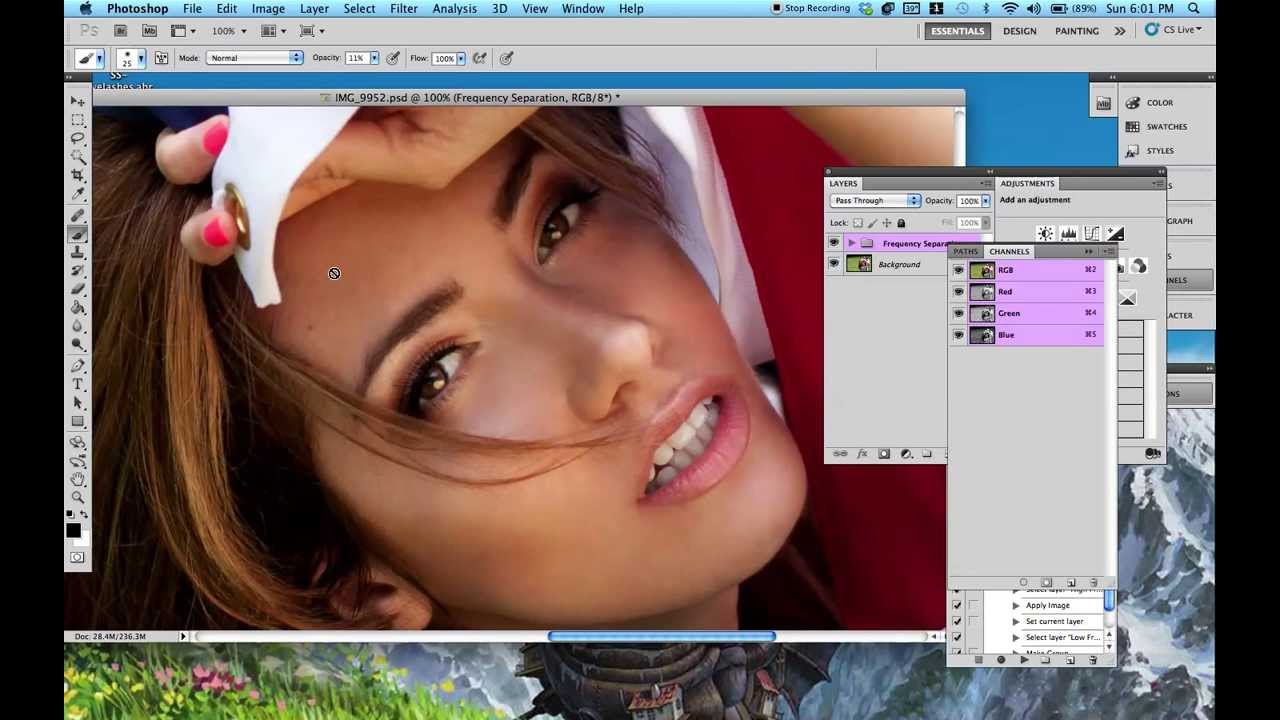
Most of my work happens under controlled light. I design the setup, I know where the highlights are going to land before I ever fire a strobe, and I keep a lighting journal with sketches from every shoot so I can rebuild a look six months later. But even with all of that, there are moments where a shot comes back from a session and the light is technically correct but visually flat.