The Studio Reset: Why I Build Every Shoot From Zero Instead of Pulling Yesterday's Settings

The Studio Reset: Why I Build Every Shoot From Zero Instead of Pulling Yesterday's Settings

My first paid editorial shoot nearly ended my career before it started. I had a consistent setup, I thought. Same strobes, same modifiers, same camera I’d used a dozen times. What I didn’t account for was that I’d replaced one of my modeling lights with a different color temperature bulb the week before, shot tethered under those modeling lights for exposure reference, and delivered a full gallery with skin tones that ranged from neutral to visibly green depending on where the subject stood.

Clamshell Lighting Made Simple: How to Build a Flattering Portrait Setup with Continuous Lights

Clamshell Lighting Made Simple: How to Build a Flattering Portrait Setup with Continuous Lights

Most of the lighting problems I see photographers struggle with in the studio come down to one thing: overcomplicating the setup before they understand what a single, well-placed light actually does. I’ve been guilty of this myself. Early in my career I’d show up to a beauty shoot with four lights rigged before my subject even walked in, and half of them were fighting each other. The sessions that taught me the most were the stripped-down ones, the ones where I was forced to work with less and pay attention to what the light was actually doing to the face in front of me.

Why Your Subject Looks Flat: Posing as a Light Management Problem

Why Your Subject Looks Flat: Posing as a Light Management Problem

The Shoot That Made Me Rethink Everything I Knew About Posing Three years into shooting editorial work, I had a model in front of a 60-inch Photek Softlighter II and I could not figure out why every frame looked wrong. The light was correct. My exposure was dialed. The model was experienced and moving well. I kept chimping, kept adjusting the modifier position, kept second-guessing my Profoto B1 settings. It wasn’t until I asked her to rotate her shoulders about 15 degrees toward the light that the whole image snapped into place.

It's Gotta Be Right: What a Metal Band's Recording Philosophy Taught Me About Studio Discipline

It's Gotta Be Right: What a Metal Band's Recording Philosophy Taught Me About Studio Discipline

There’s a version of my job where I cut corners and nobody knows. Wrong color temperature, slightly soft focus, a speedlight flagged with gaffer tape instead of a proper grid. Half the time the client would never catch it. I know this because early in my career I did exactly that, and most of those images got approved without comment. The problem wasn’t the client’s eye. The problem was mine. Once I knew what I’d let slide, I couldn’t stop seeing it.

The Five Lighting Patterns Every Portrait Photographer Needs to Know (And When to Break Them)

The Five Lighting Patterns Every Portrait Photographer Needs to Know (And When to Break Them)

Every new assistant who works in my studio goes through the same initiation. I hand them a single bare strobe, a grey seamless, and a subject, and I ask them to show me five different looks without moving the light stand more than three feet. Most of them move the stand anyway. The ones who don’t, who understand that the angle and height of a single source can completely restructure a human face, those are the ones I actually want around.

How to Light Business Portraits in Tight Office Spaces Using Bounce and Fill

How to Light Business Portraits in Tight Office Spaces Using Bounce and Fill

There is one scenario that comes up constantly in corporate location work and never gets easier: you walk into the meeting room, the client is waiting, and you have roughly the square footage of a large bathroom to produce a portrait that looks like it was shot in a proper studio. I have been in that situation more times than I care to count. My usual instinct used to be to force a softbox into the space and fight the ceiling tiles.

Studio Grip for Minimalists: What Daniel Norton Actually Keeps in His Kit (And What You Can Cut)

Studio Grip for Minimalists: What Daniel Norton Actually Keeps in His Kit (And What You Can Cut)

I spent years accumulating grip. C-stands, baby pins, 40-pound bags of clamps I touched twice a decade. When you work commercially, the instinct is to own every solution before a problem shows up on set. The problem is you end up hauling a rolling warehouse to every job and spending 20 minutes digging for an A-clamp buried under a sand bag. What actually changed my thinking was watching working professionals talk honestly about what lives in their kit versus what sits on a shelf.

What Bloopers From a Freezing Studio Taught Me About Shooting With Intention

What Bloopers From a Freezing Studio Taught Me About Shooting With Intention

There is a particular kind of education you only get when things go wrong. I have been shooting commercial and editorial work for long enough to know that the polished final tutorial is rarely where the real lessons live. The real lessons live in the moment the camera nearly hits the floor, in the take where someone’s fly was undone the entire time, in the freezing cold studio where nobody thought to book heating.

Low Key Lighting Is Not About Darkness — It's About Where You Put the Light

Low Key Lighting Is Not About Darkness — It's About Where You Put the Light

The Mistake Most Photographers Make Before They Fire a Single Frame I see it constantly when photographers share their “low key” work in forums and at workshops. They’ve turned off half their lights, dropped their exposure compensation, and ended up with something that looks muddy, flat, and confused. Dark, yes. Low key, no. Low key lighting is not a dimmer switch. It is a deliberate, surgical relationship between one controlled light source and an environment designed to absorb everything that light doesn’t hit.

Painting With Light in Photoshop: A Studio Photographer's Take on Dramatic Lighting

Painting With Light in Photoshop: A Studio Photographer's Take on Dramatic Lighting

Most of my lighting problems get solved before I ever open Photoshop. I label every head in my studio with masking tape, I keep a lighting journal of every setup I’ve ever shot, and I’ve designed my own diagram app because the ones available never matched how I actually think on set. But even with all that prep, there are times when a client image needs something the strobes couldn’t give it on the day.

Why Your Subjects Look Stiff on Camera (And How Posing Starts Before You Touch the Shutter)

Why Your Subjects Look Stiff on Camera (And How Posing Starts Before You Touch the Shutter)

The Problem Shows Up in the Eyes, Not the Body Last spring I was shooting a beauty campaign for a skincare client, three looks, tight deadline, and a model who had a solid book but kept going rigid the moment I stepped behind the camera. Arms too straight. Jaw too set. Every frame looked like a driver’s license photo with better lighting. We were 45 minutes in before I realized I had been directing her body and completely ignoring what was happening in her face and spine.

Stop Posing Hands Like an Afterthought: What Sue Bryce and Bambi Cantrell Actually Teach

Stop Posing Hands Like an Afterthought: What Sue Bryce and Bambi Cantrell Actually Teach

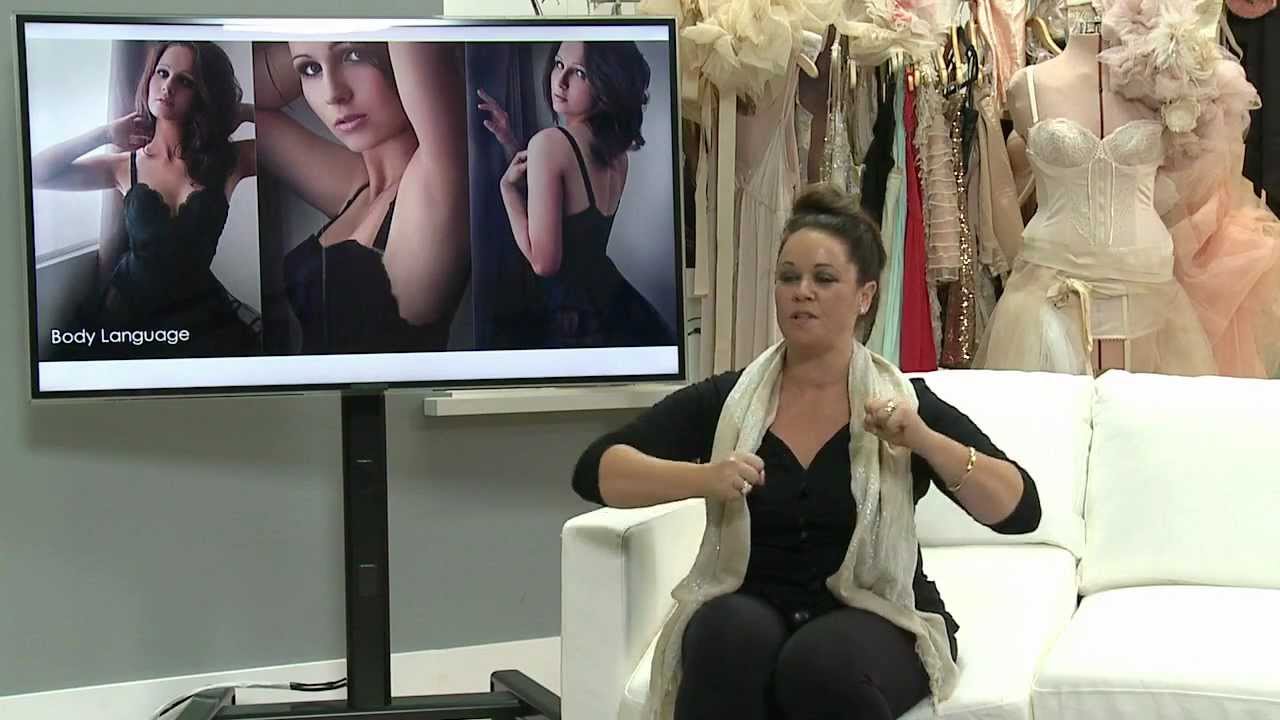
Hand posing is the thing that separates a portrait that looks like a DMV photo from one that looks like a campaign. I’ve been shooting commercial and editorial work in Los Angeles long enough to know that most photographers — including me, early on — treat hands as an afterthought. You get the face right, the light right, the expression right, and then you look down at the hands and they’re just… hanging there.