The Five Portrait Lighting Patterns Every Studio Photographer Needs to Own Cold

The Five Portrait Lighting Patterns Every Studio Photographer Needs to Own Cold

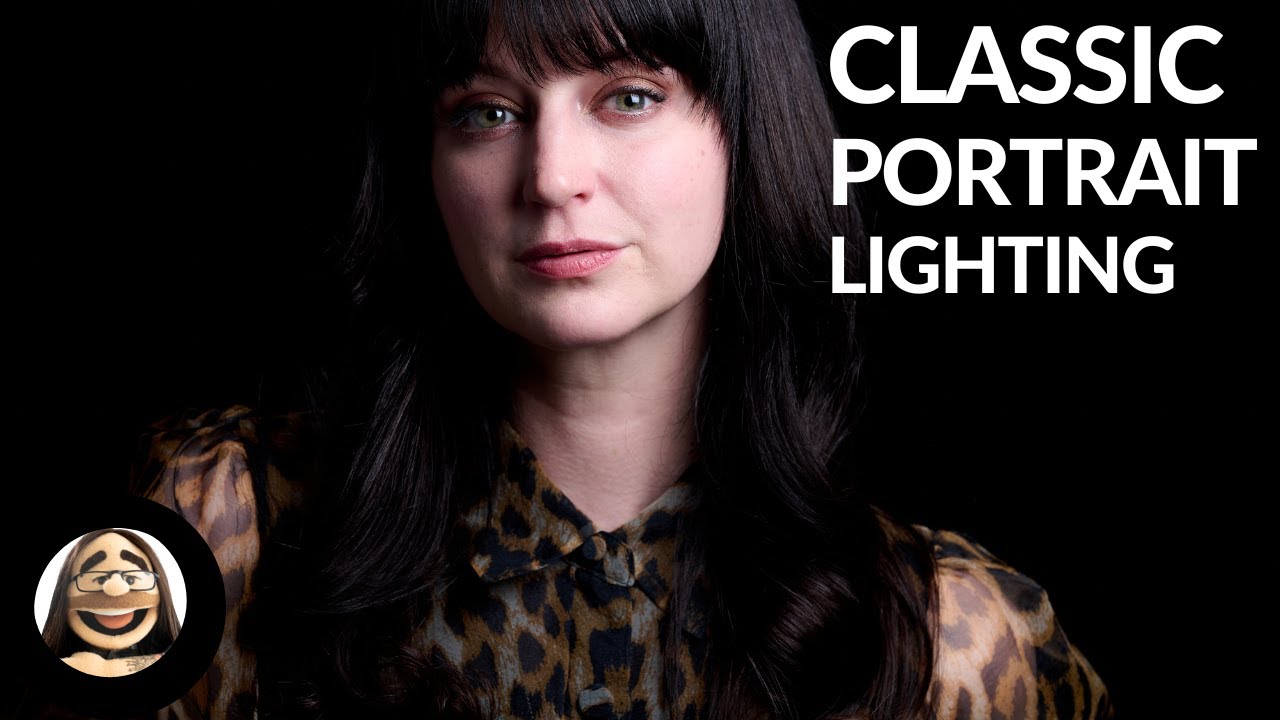
I keep a lighting journal. Every shoot, before I break down the set, I sketch the diagram, note the modifier, the distance, the ratio, the color temperature. I have over a decade of these notebooks stacked on a shelf in my studio, and when I flip back through them, one thing stands out: almost every successful portrait I have ever lit traces back to one of five foundational patterns. Not variations.

Stop Losing Shape: 6 Posing Fixes That Changed How I Direct Models in the Studio

Stop Losing Shape: 6 Posing Fixes That Changed How I Direct Models in the Studio

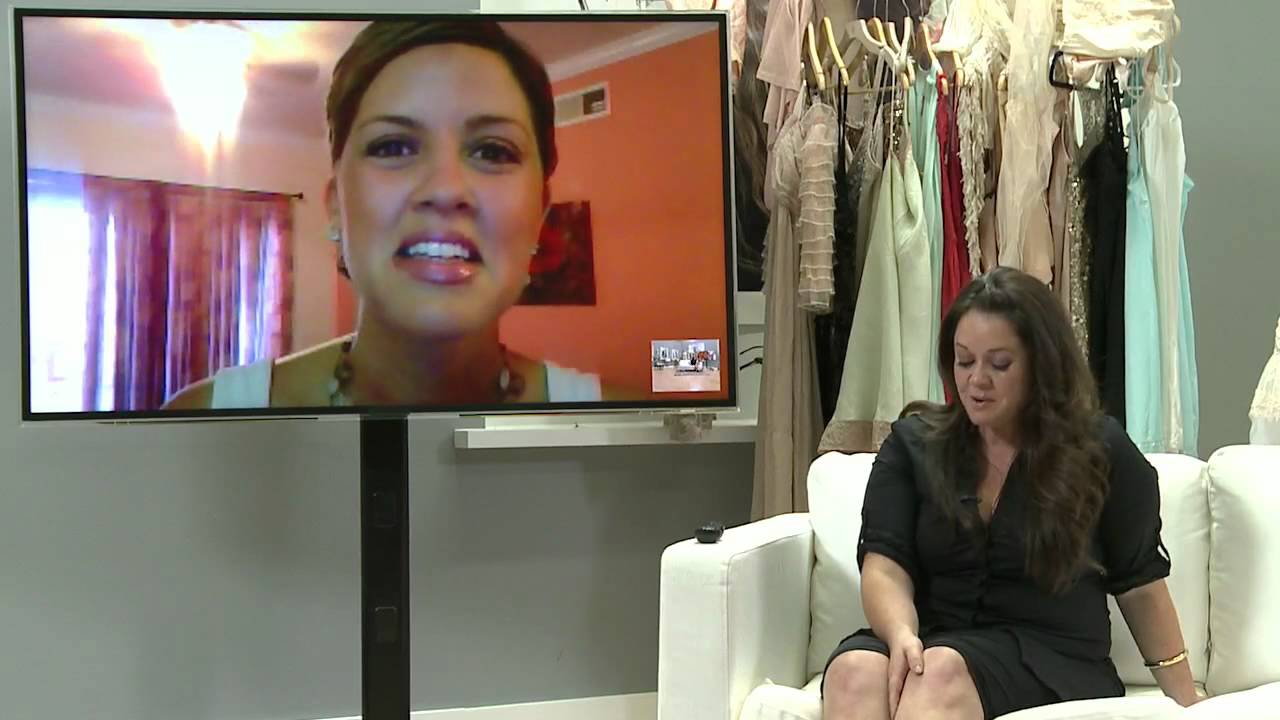
Posing is the part of studio photography nobody wants to admit they’re bad at. Lighting I can control with a meter and a diagram. Posing lives in real time, under pressure, with a model waiting and a client watching. For years I defaulted to a handful of safe positions and called it a day. The problem is “safe” posing produces flat images, and flat images don’t book repeat clients. In this Jessica Kobeissi tutorial on her YouTube channel, she walks through six of the most common posing mistakes photographers make when directing models, and more importantly, she demonstrates the exact corrections live, side by side.

The Posing Fundamentals That Actually Stick: A Studio Photographer's Breakdown of Sue Bryce's Challenge Framework

The Posing Fundamentals That Actually Stick: A Studio Photographer's Breakdown of Sue Bryce's Challenge Framework

Posing is the part of portrait work most photographers quietly dread. Lighting I can diagram. Exposure I can calculate. But the moment a client walks in and stands flat-footed in the middle of my seamless, every instinct I’ve developed over years of commercial work has to fire at once — shape the body, read the energy, direct without stiffening them up. I’ve shot enough editorial work to know that bad posing kills a technically perfect frame faster than any lighting mistake ever could.

The Uncomfortable Truth About Owning Your Digital Creative Assets

The Uncomfortable Truth About Owning Your Digital Creative Assets

When “Ownership” Doesn’t Mean What You Think I’ve spent years teaching photographers how to light a scene, pose subjects, and build a professional studio practice. But there’s one lesson I wish more creatives would learn before they start: you probably don’t actually own the digital content you think you’ve purchased. Here’s what just happened in Europe. Customers who bought films through the PlayStation Store are losing access to their purchases. The vendor is shutting down their digital storefront in certain regions, and those purchases?

The Studio Workflow That Stops You Rebuilding the Same Lighting Setup Twice

The Studio Workflow That Stops You Rebuilding the Same Lighting Setup Twice

Every strip of masking tape in my studio has a name on it. Each light, each stand, each modifier gets labeled before a single strobe fires. My assistants think it’s obsessive. I think it’s the reason I can rebuild a beauty setup from six months ago in under twelve minutes while my client is still getting coffee. I did not always work this way. Early in my career, I winged it.

Why Your Subject Looks Stiff: The Posing Framework I Use on Every Studio Shoot

Why Your Subject Looks Stiff: The Posing Framework I Use on Every Studio Shoot

The Problem Isn’t the Pose — It’s the Sequence Last spring I was shooting a beauty campaign for a skincare brand. Eight-hour day, two models, a Profoto B10X on a 5-foot Octa camera left, a strip box at 45 degrees behind the subject for a rim. The lighting was dialed in before the first model even sat down. The problem? Twenty minutes into the shoot, every frame looked like a passport photo.

Why I Stopped Editing With Just a Keyboard and Mouse (And What I Use Instead)

Why I Stopped Editing With Just a Keyboard and Mouse (And What I Use Instead)

I am not an early adopter. Every modifier that arrives at my studio gets tested the same day, yes, but software and hardware controllers? I let other people be the guinea pigs. I have a system that works, built over years of commercial and editorial shooting, and the last thing I want during a deadline crunch is to relearn muscle memory. So when I came across this Watch the full tutorial on YouTube from Daniel Norton Photographer, I almost scrolled past it.

How Joel Grimes Builds a Strobe System That Actually Works in a Working Studio

How Joel Grimes Builds a Strobe System That Actually Works in a Working Studio

Client calls on a Tuesday. Shoot is Friday. Location is a rooftop in downtown Los Angeles, full midday sun, and they want dramatic, clean portraits with a shallow depth of field. That’s the exact situation where a weak or poorly chosen strobe system stops being an inconvenience and starts costing you the job. I’ve been burned before by gear that looked fine in the studio and fell apart the moment I took it outside, and it taught me to treat strobe selection like I treat any other part of my workflow: with a clear, repeatable checklist.

Low Key Lighting Is Not Just Turn Off Some Lights — Here's What It Actually Takes

Low Key Lighting Is Not Just Turn Off Some Lights — Here's What It Actually Takes

The Setup That Taught Me Darkness Has to Be Engineered A few years back I had a beauty client who came in with a tear sheet. Dark background, dramatic shadow, the subject’s face carved out of almost pure black. She said she wanted that look. I thought I could wing it. I pulled my key light around to about 45 degrees, killed my fill, and figured the black backdrop would do the rest.

The Five Portrait Lighting Patterns Every Studio Shooter Needs to Own

The Five Portrait Lighting Patterns Every Studio Shooter Needs to Own

I keep a lighting journal. Every shoot, I sketch the setup in a small Leuchtturm notebook — light positions, modifier choices, distance to subject, power ratios. I’ve filled four of them. The reason I started was embarrassing: early in my career, I’d hit a look I loved on a Tuesday, and by Thursday I couldn’t recreate it. The variables had drifted and I had no record. Now every light in my studio has a strip of masking tape with its number, and every setup gets logged before I fire a single frame.

Rim Lighting Done Right: How One Background Light Separates Your Subject From Mediocrity

Rim Lighting Done Right: How One Background Light Separates Your Subject From Mediocrity

I once watched a test shoot fall apart in real time because every image looked like the subject was melting into the background. Seamless paper, matching tones, flat key light. The client sat there flipping through the tray of selects and finally said, “She just looks… stuck.” He was right. The subject had dimension in real life and zero dimension on the sensor. We had to reshoot, and I spent the train ride home furious at myself for forgetting the most basic principle in studio separation: if your subject and background share the same tonal value, a camera will treat them as the same object.

Why Your Group Shots Look Flat (And the Lighting Math That Fixes It)

Why Your Group Shots Look Flat (And the Lighting Math That Fixes It)

Group photography broke my brain the first time I had to light more than three people in a studio. I was shooting a seven-person executive portrait for a corporate client, early in my career, and I did what most photographers do: I pointed a softbox at them and hoped for a decent result. The images came back with the center subjects two stops brighter than the people on the ends, half the faces carrying ugly shadows from the modeling lights I hadn’t accounted for, and the client politely asking if we could “try again sometime.