C-Stands, Sandbags, and Seamless Paper: Building Your First Real Studio from Scratch

C-Stands, Sandbags, and Seamless Paper: Building Your First Real Studio from Scratch

Every time I walk into a new studio rental, I do the same thing: I look at the stands first. Not the lights, not the backdrops, not the camera mount on the ceiling. The stands. After years of commercial work, I’ve learned that the bones of a studio, the stuff that holds everything else up, determine how fast you can work and how much you can actually do in a given space.

How a Newborn Specialist's 1,200 Square Feet Taught Me to Think About Studio Space Differently

How a Newborn Specialist's 1,200 Square Feet Taught Me to Think About Studio Space Differently

There’s a version of studio photography that looks like this: one massive open room, a grid of Profoto heads, maybe a cyclorama wall, and enough space to park a truck. That’s the world I live in most days shooting beauty and fashion in Los Angeles. So when a colleague sent me a studio tour from a completely different corner of this industry, I was skeptical it would teach me anything useful.

Inside a Working Headshot Studio: What Shirin Tinati's South Bronx Space Teaches Us About Intentional Setup

Inside a Working Headshot Studio: What Shirin Tinati's South Bronx Space Teaches Us About Intentional Setup

There is a particular kind of exhaustion that comes from shooting in a space that fights you. Wrong traffic flow between the lounge and the shooting area, nowhere to hang a backdrop without breaking down another light stand, clients sitting in a chair that faces a chaotic pile of gear instead of something that calms them down. I have shot in spaces like that, and the work always shows it, not dramatically, but in that subtle tension clients carry when they don’t feel settled.

Small Studio, Smart System: What Felicia Schütte's Bonaire Setup Taught Me About Working in Tight Spaces

Small Studio, Smart System: What Felicia Schütte's Bonaire Setup Taught Me About Working in Tight Spaces

I shoot out of a 400-square-foot space in Los Angeles. That sounds like plenty until you factor in two light stands, a boom arm, a seamless backdrop roll, a prop corner, and enough floor space to actually move around your subject. Square footage disappears fast, and the photographers who figure out how to make a small room work well are the ones worth studying closely. When I came across this studio tour from The Portrait System featuring Felicia Schütte, a Portrait Masters Fellow working out of the island of Bonaire in the Dutch Caribbean, I watched it twice.

What Sue Bryce's Studio Design Teaches Every Working Photographer About Space, Flow, and Client Psychology

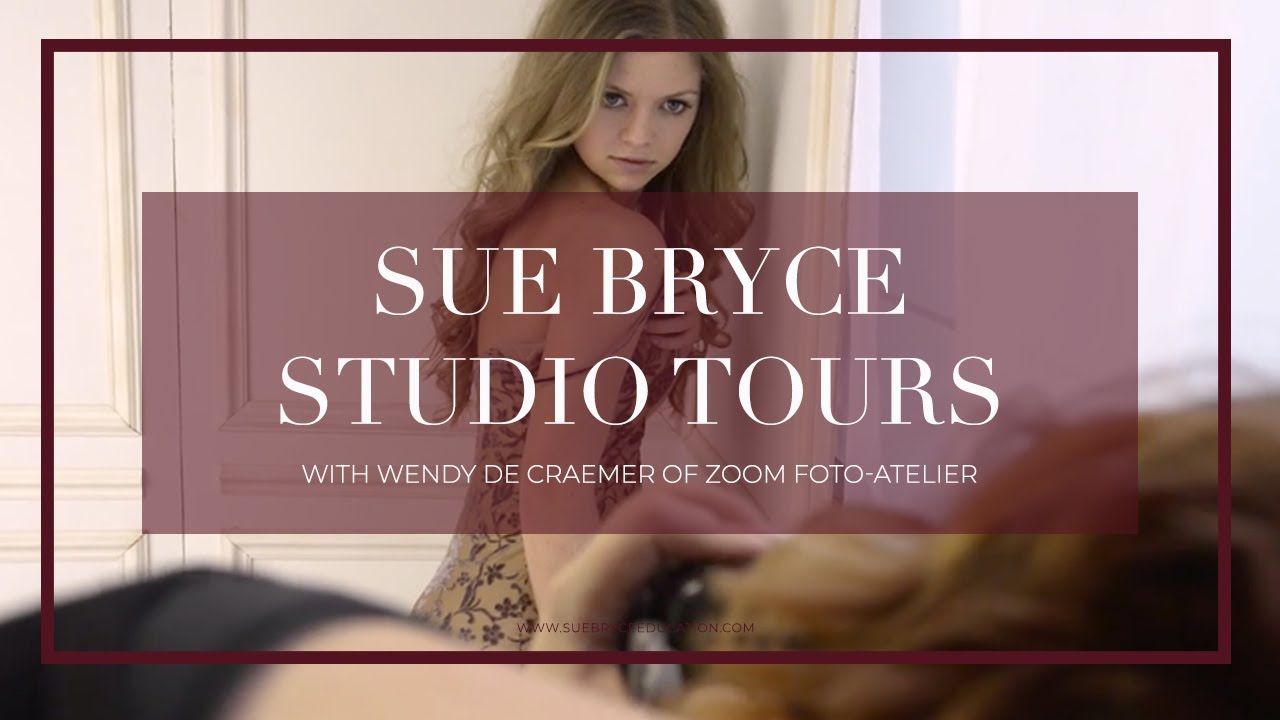
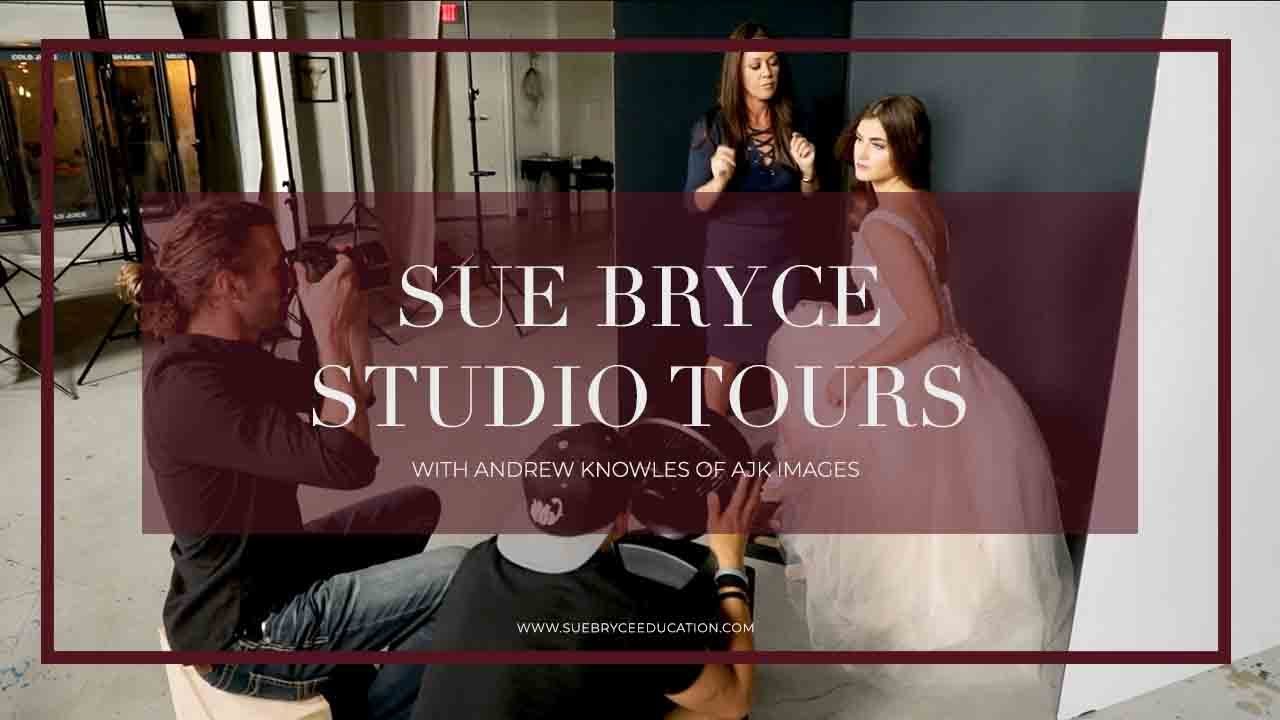
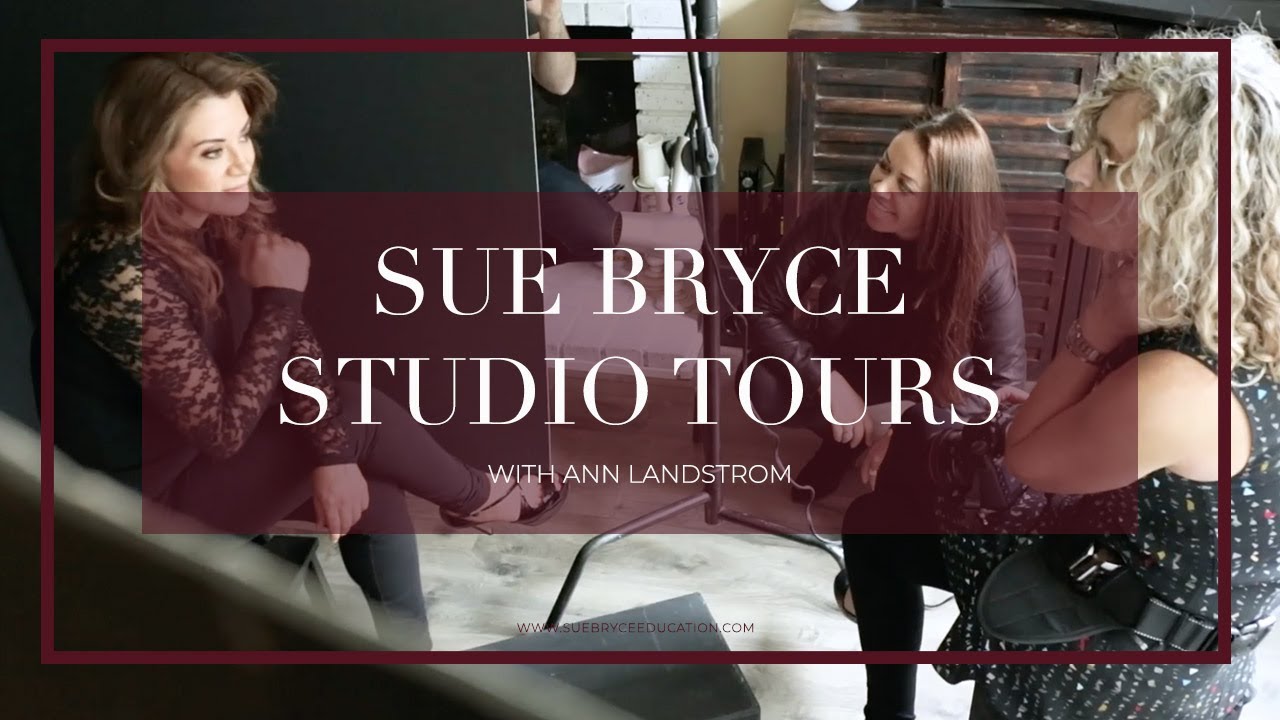
What Sue Bryce's Studio Design Teaches Every Working Photographer About Space, Flow, and Client Psychology

I’ve been in a lot of studios. Shot in borrowed spaces, rented daylight lofts, converted warehouses, and one genuinely terrible basement in Burbank where the ceiling was so low I had to angle every softbox sideways. What I’ve learned across all of them is that the physical space isn’t neutral. It talks to your clients before you do. It tells them what kind of photographer you are, what they can expect to pay, and whether they should trust you with something as personal as their own portrait.

The Studio Workflow That Stops You Rebuilding the Same Lighting Setup Twice

The Studio Workflow That Stops You Rebuilding the Same Lighting Setup Twice

Every strip of masking tape in my studio has a name on it. Each light, each stand, each modifier gets labeled before a single strobe fires. My assistants think it’s obsessive. I think it’s the reason I can rebuild a beauty setup from six months ago in under twelve minutes while my client is still getting coffee. I did not always work this way. Early in my career, I winged it.

Why Those AI Studio Setup Guides Are Setting You Up to Fail

Why Those AI Studio Setup Guides Are Setting You Up to Fail

I’ve spent twenty years building studio setups and teaching photographers how to light subjects properly. In the last six months, I’ve noticed something troubling: my inbox fills with questions from photographers who’ve built studios based on AI-generated diagrams, and almost every one of them is fighting with something that doesn’t work. The diagrams look fantastic. They’re rendered in clean 3D, they have professional labels, they show modifiers positioned at precise angles.

Why Studio Photographers Should Care About Samsung's New Audio Gear

Why Studio Photographers Should Care About Samsung's New Audio Gear

The Audio Setup Nobody Talks About (But Should) I’ve spent years refining my studio lighting, perfecting my posing techniques, and obsessing over every detail of my shooting environment. Yet I’ve watched too many talented photographers neglect one critical element: quality audio. Samsung’s recent announcement of their expanded Music Studio speaker lineup has me thinking differently about how we orchestrate the complete studio experience. Why Audio Matters in Your Studio Here’s my philosophy: photography is a multisensory experience, not just visual.

The Studio Workflow That Stops Wasting Your Time

The Studio Workflow That Stops Wasting Your Time

I’ve spent years watching photographers fumble through studio sessions—adjusting lights between every shot, repositioning modifiers mid-shoot, asking subjects to hold poses while they figure out their camera settings. It’s painful to watch, and it’s costing them money. Your studio workflow is the skeleton of your business. Get it right, and you’ll shoot 40% faster while actually improving your images. Get it wrong, and you’ll spend half your day troubleshooting instead of creating.

The Single-Strobe Challenge: Mastering Three Distinct Lighting Styles in One Session

The Single-Strobe Challenge: Mastering Three Distinct Lighting Styles in One Session

The Single-Strobe Challenge: Mastering Three Distinct Lighting Styles in One Session I’ve always maintained that gear versatility matters far less than understanding light itself. That said, when a single piece of equipment can genuinely perform across multiple lighting disciplines without compromise, it deserves serious attention. Recently, I observed a practical demonstration that challenged my own assumptions about what modern portable strobes can accomplish. The exercise was straightforward: take one strobe and produce three entirely different lighting scenarios—beauty light, dramatic sidelight, and high-key silhouette work—all within a single session.

The FJ250 Strobe Setup Guide: Joel Grimes Shows You How to Master Westcott's Compact Powerhouse

The FJ250 Strobe Setup Guide: Joel Grimes Shows You How to Master Westcott's Compact Powerhouse

When I first started working with compact strobes, I made every rookie mistake in the book. I’d run out of battery power mid-shoot, misconfigure my power settings, and waste precious time troubleshooting instead of capturing images. After years of studio and location work, I’ve learned that understanding your gear’s fundamentals—especially power management—is non-negotiable. In this excellent tutorial, Joel Grimes walks through the FJ250 strobe setup with the precision I’ve come to expect from Westcott’s educational content.

Rim Lighting: The Technique That Separates Amateur From Professional Portraits

Rim Lighting: The Technique That Separates Amateur From Professional Portraits

Rim Lighting: The Technique That Separates Amateur From Professional Portraits I’ve watched countless photographers chase expensive gear when what they really needed was rim lighting discipline. This technique—also called backlighting or edge lighting—is not optional for serious portrait work. It’s foundational. When executed correctly, rim lighting adds depth, separates your subject from the background, and creates that polished look clients recognize as professional. Let me be direct: rim lighting without understanding power ratios and positioning will frustrate you.