How Peter McKinnon Organizes a Working Studio (And What It Taught Me About My Own)

How Peter McKinnon Organizes a Working Studio (And What It Taught Me About My Own)

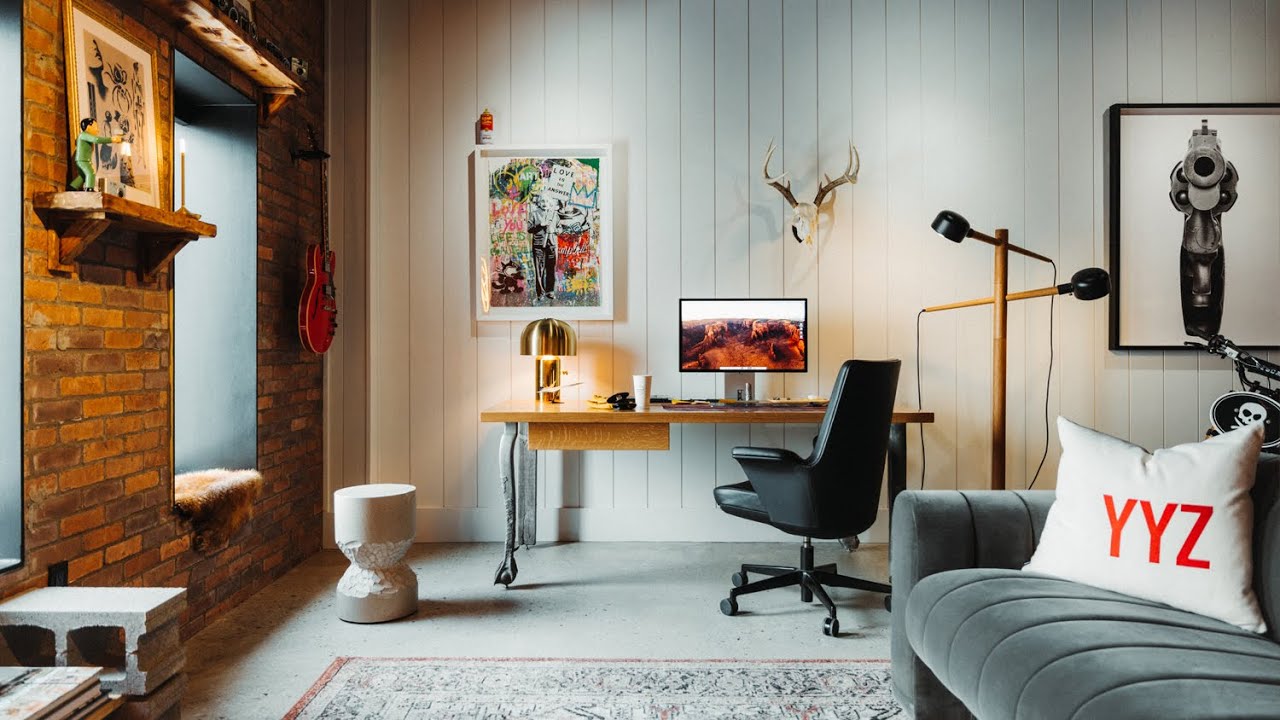
Every few years I tear my studio apart and rebuild it from scratch. Not because something broke, but because the friction adds up. I spend four minutes hunting for a specific cable. I skip a modifier because it’s buried behind two light stands. I find myself standing in the middle of the room deciding where to put something instead of actually shooting. The space stops serving the work and starts fighting it.
What a 34-Year Pro's Garage Studio Taught Me About Running a Real Portrait Business

What a 34-Year Pro's Garage Studio Taught Me About Running a Real Portrait Business

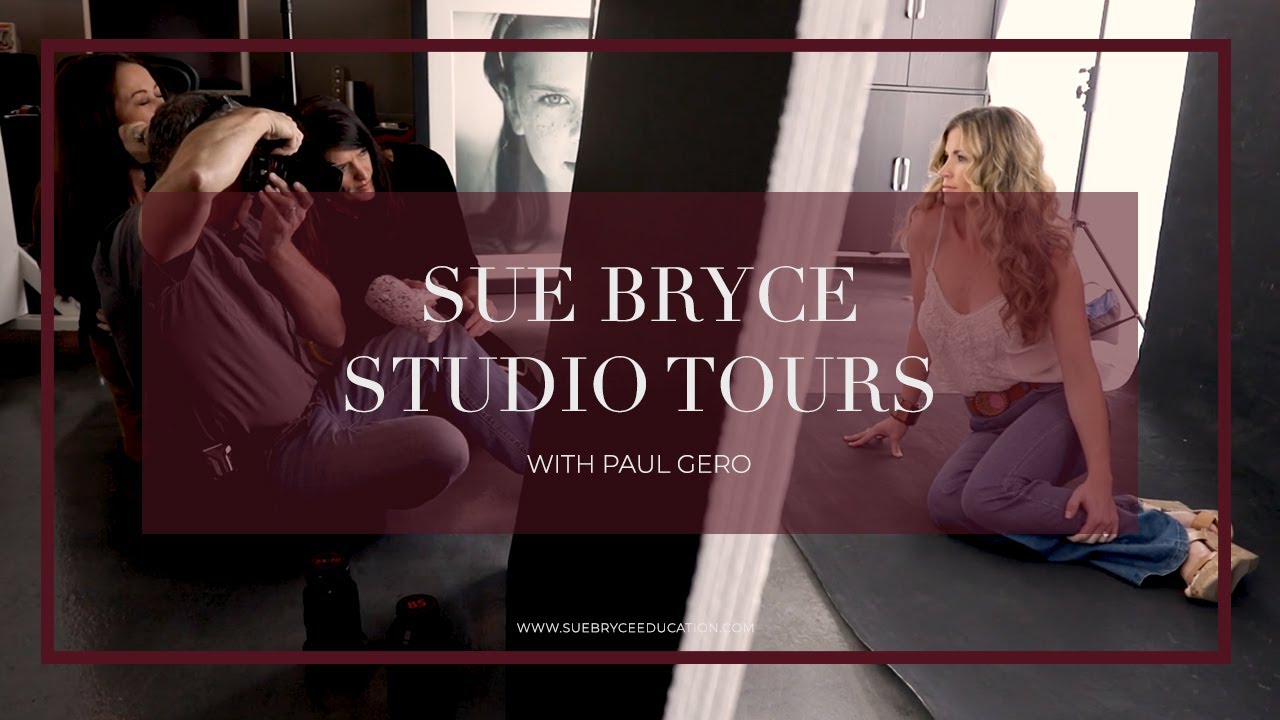
There’s a version of “studio goals” that lives on Instagram and costs about $40,000 to build. Concrete floors with custom epoxy. Seamless white walls. A prop room that looks like a Brooklyn loft. I’ve been in those studios. Some of them produce incredible work. A lot of them are monuments to overhead. So when I came across this studio tour from The Portrait System featuring Paul Gero, I kept watching because what he’s built is the opposite of that, and it’s clearly working.

Small Studio, Strong Light: What Ashleigh Taylor's 300-Square-Foot Space Teaches Every Portrait Photographer

Small Studio, Strong Light: What Ashleigh Taylor's 300-Square-Foot Space Teaches Every Portrait Photographer

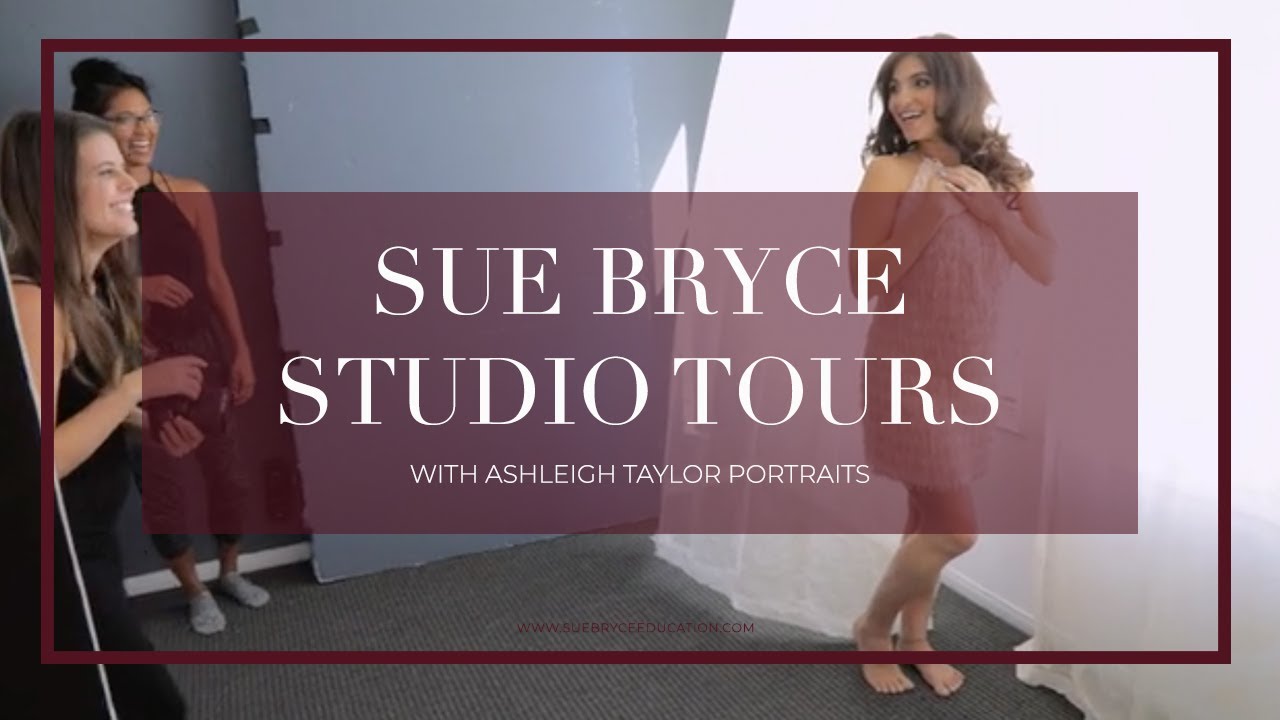
Space is the excuse I hear more than any other. Photographers tell me they need a bigger studio before they can do serious portrait work, before they can justify the rent, before they can start building a client base. I spent years believing a version of that myself. My first Los Angeles studio was just over 400 square feet and I treated it like a limitation rather than a constraint worth solving.

Studio Grip for Minimalists: What Daniel Norton Actually Keeps in His Kit (And What You Can Cut)

Studio Grip for Minimalists: What Daniel Norton Actually Keeps in His Kit (And What You Can Cut)

I spent years accumulating grip. C-stands, baby pins, 40-pound bags of clamps I touched twice a decade. When you work commercially, the instinct is to own every solution before a problem shows up on set. The problem is you end up hauling a rolling warehouse to every job and spending 20 minutes digging for an A-clamp buried under a sand bag. What actually changed my thinking was watching working professionals talk honestly about what lives in their kit versus what sits on a shelf.

What Lenka Jones' Tiny UK Studio Taught Me About Building a Portrait Business That Actually Charges What It's Worth

What Lenka Jones' Tiny UK Studio Taught Me About Building a Portrait Business That Actually Charges What It's Worth

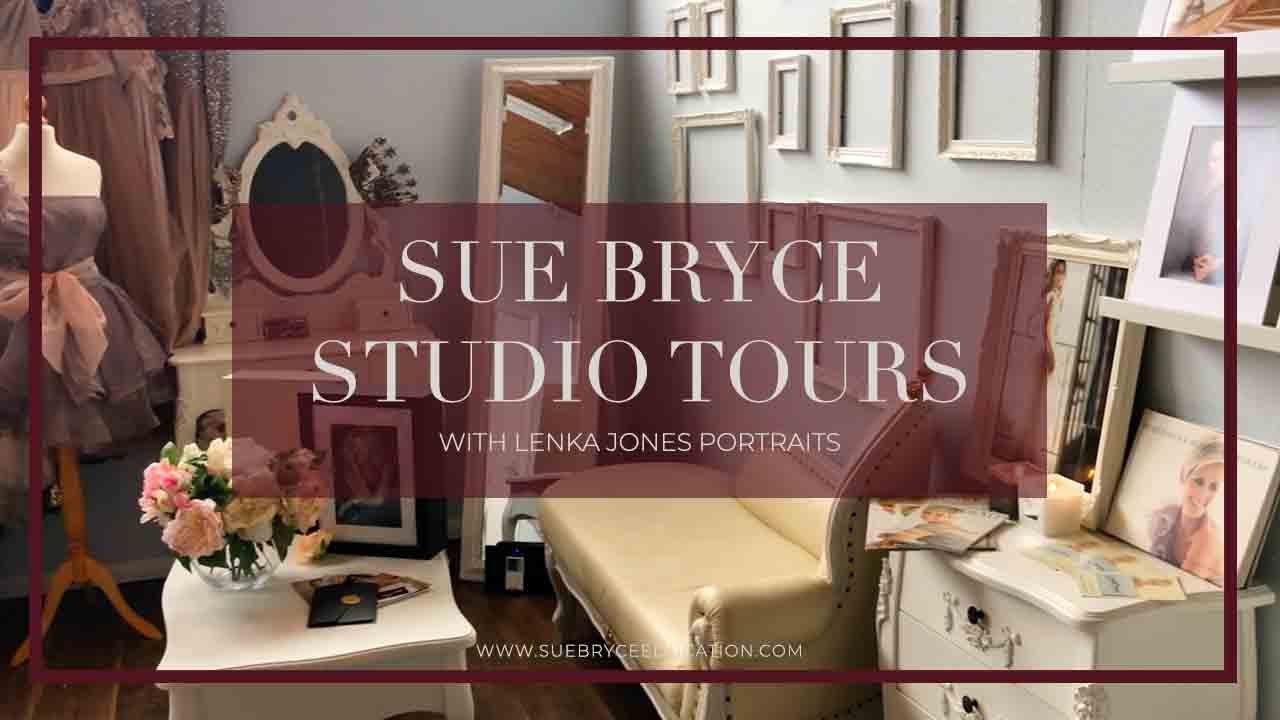
There’s a particular kind of photographer I pay close attention to: the one who built something real in an unlikely place. Not a loft in Manhattan or a converted warehouse in LA, but a wooden hut in a English village surrounded by fields. When I first watched this studio tour from The Portrait System, featuring UK-based portrait photographer Lenka Jones, I wasn’t expecting to come away rethinking how I structure my shooting space and how I talk to clients about money.

How Andrew Knowles Built a Studio Worth Copying (And What I Took Notes On)

How Andrew Knowles Built a Studio Worth Copying (And What I Took Notes On)

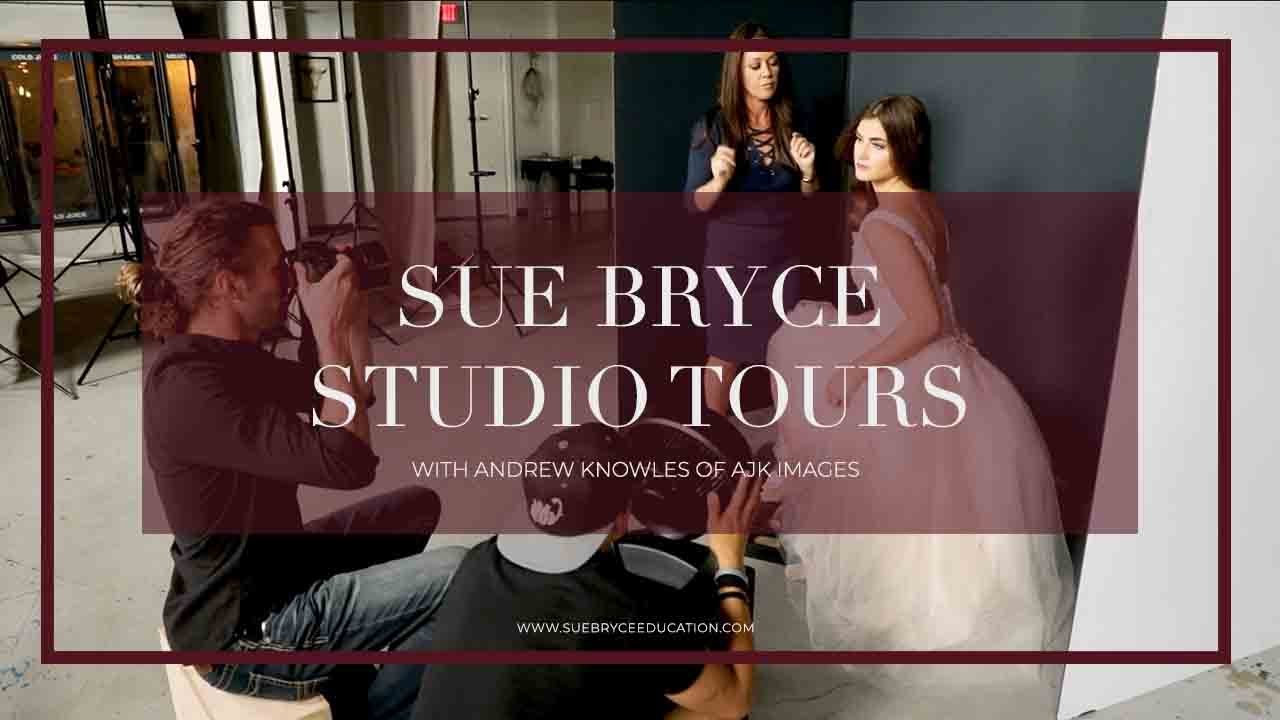
There’s a version of studio envy that’s unproductive. You scroll through someone’s setup, feel bad about your own, and move on. Then there’s the kind that makes you pull out a notebook. Andrew Knowles’ Dallas studio is firmly the second kind. In this Watch the full tutorial on YouTube studio tour from The Portrait System, Sue Bryce walks through the space Knowles built over roughly 18 months after transitioning from a pure outdoor location shooter to a full studio practice.

How Ann Landstrom Turned Her San Diego Home Into a Working Portrait Studio (And What You Can Steal From Her Setup)

How Ann Landstrom Turned Her San Diego Home Into a Working Portrait Studio (And What You Can Steal From Her Setup)

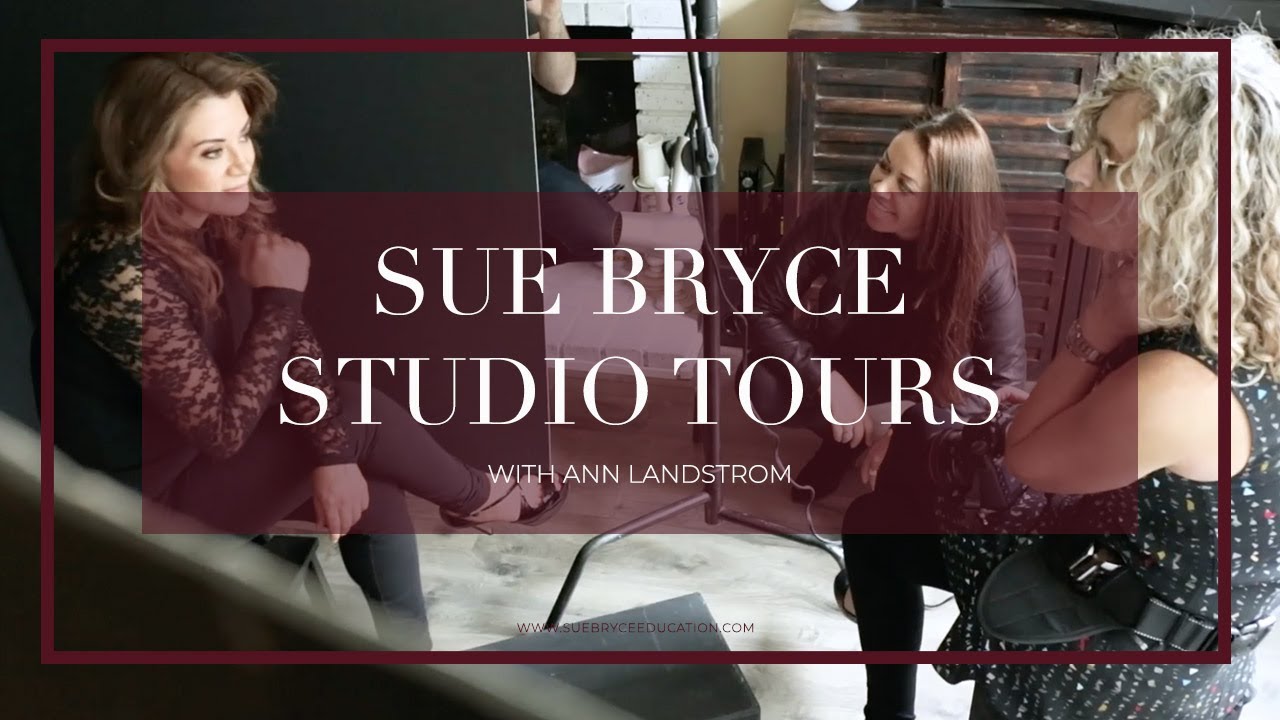
Most photographers I know are waiting. Waiting for the right lease, the right neighborhood, the right square footage. I spent two years telling myself I couldn’t shoot proper editorial work without a dedicated commercial space. Then I started paying closer attention to what some of the more entrepreneurial portrait photographers were actually doing with the space they already had, and the excuse started to fall apart. In this The Portrait System tutorial, Sue Bryce visits San Diego-based portrait photographer Ann Landstrom, who built a legitimate, profitable studio inside her home.

C-Stands, Sandbags, and Seamless Paper: Building Your First Real Studio from Scratch

C-Stands, Sandbags, and Seamless Paper: Building Your First Real Studio from Scratch

Every time I walk into a new studio rental, I do the same thing: I look at the stands first. Not the lights, not the backdrops, not the camera mount on the ceiling. The stands. After years of commercial work, I’ve learned that the bones of a studio, the stuff that holds everything else up, determine how fast you can work and how much you can actually do in a given space.

How a Newborn Specialist's 1,200 Square Feet Taught Me to Think About Studio Space Differently

How a Newborn Specialist's 1,200 Square Feet Taught Me to Think About Studio Space Differently

There’s a version of studio photography that looks like this: one massive open room, a grid of Profoto heads, maybe a cyclorama wall, and enough space to park a truck. That’s the world I live in most days shooting beauty and fashion in Los Angeles. So when a colleague sent me a studio tour from a completely different corner of this industry, I was skeptical it would teach me anything useful.

Inside a Working Headshot Studio: What Shirin Tinati's South Bronx Space Teaches Us About Intentional Setup

Inside a Working Headshot Studio: What Shirin Tinati's South Bronx Space Teaches Us About Intentional Setup

There is a particular kind of exhaustion that comes from shooting in a space that fights you. Wrong traffic flow between the lounge and the shooting area, nowhere to hang a backdrop without breaking down another light stand, clients sitting in a chair that faces a chaotic pile of gear instead of something that calms them down. I have shot in spaces like that, and the work always shows it, not dramatically, but in that subtle tension clients carry when they don’t feel settled.

Small Studio, Smart System: What Felicia Schütte's Bonaire Setup Taught Me About Working in Tight Spaces

Small Studio, Smart System: What Felicia Schütte's Bonaire Setup Taught Me About Working in Tight Spaces

I shoot out of a 400-square-foot space in Los Angeles. That sounds like plenty until you factor in two light stands, a boom arm, a seamless backdrop roll, a prop corner, and enough floor space to actually move around your subject. Square footage disappears fast, and the photographers who figure out how to make a small room work well are the ones worth studying closely. When I came across this studio tour from The Portrait System featuring Felicia Schütte, a Portrait Masters Fellow working out of the island of Bonaire in the Dutch Caribbean, I watched it twice.

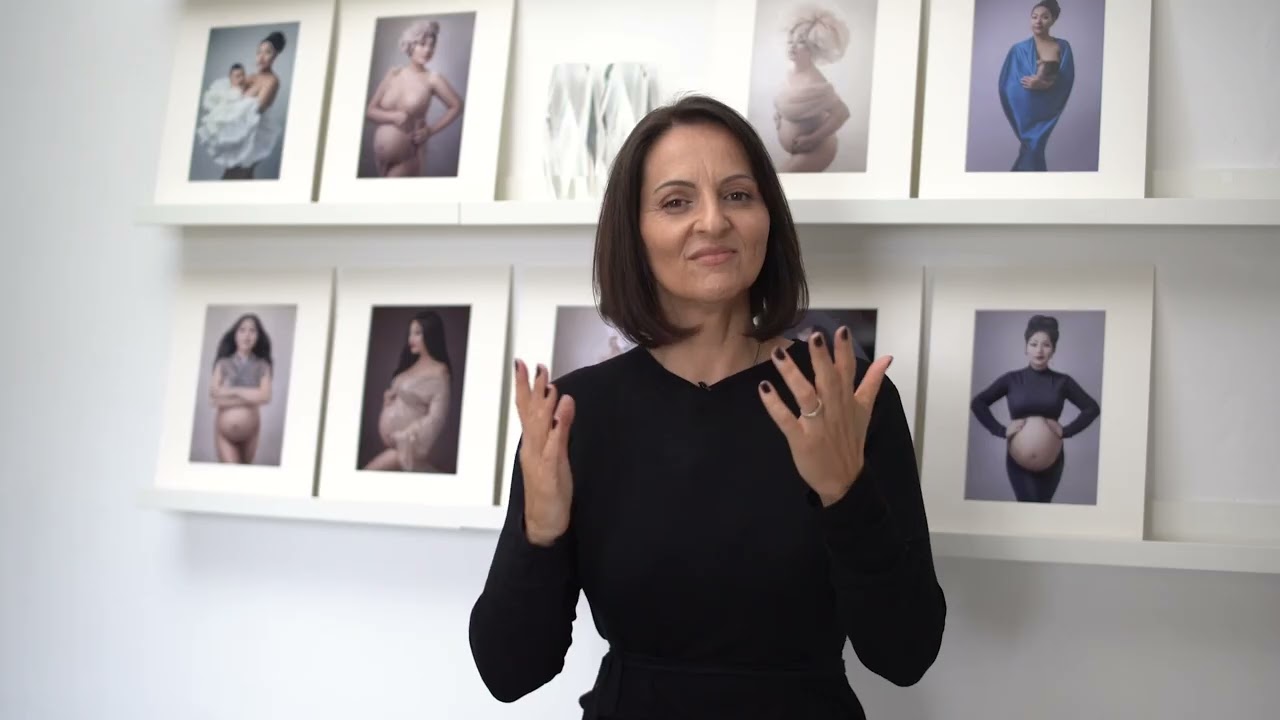
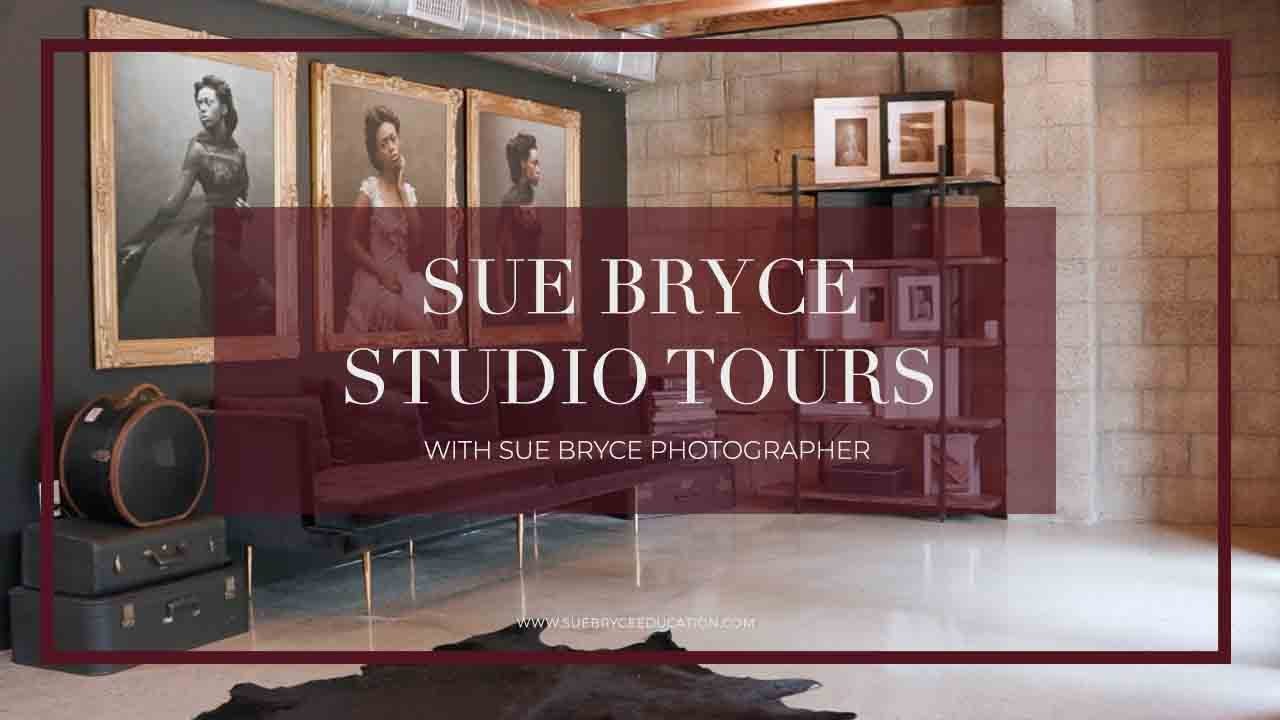
What Sue Bryce's Studio Design Teaches Every Working Photographer About Space, Flow, and Client Psychology

What Sue Bryce's Studio Design Teaches Every Working Photographer About Space, Flow, and Client Psychology

I’ve been in a lot of studios. Shot in borrowed spaces, rented daylight lofts, converted warehouses, and one genuinely terrible basement in Burbank where the ceiling was so low I had to angle every softbox sideways. What I’ve learned across all of them is that the physical space isn’t neutral. It talks to your clients before you do. It tells them what kind of photographer you are, what they can expect to pay, and whether they should trust you with something as personal as their own portrait.