Know Your Sizes: The Stand and Thread Standards Every Studio Photographer Should Memorize

Know Your Sizes: The Stand and Thread Standards Every Studio Photographer Should Memorize

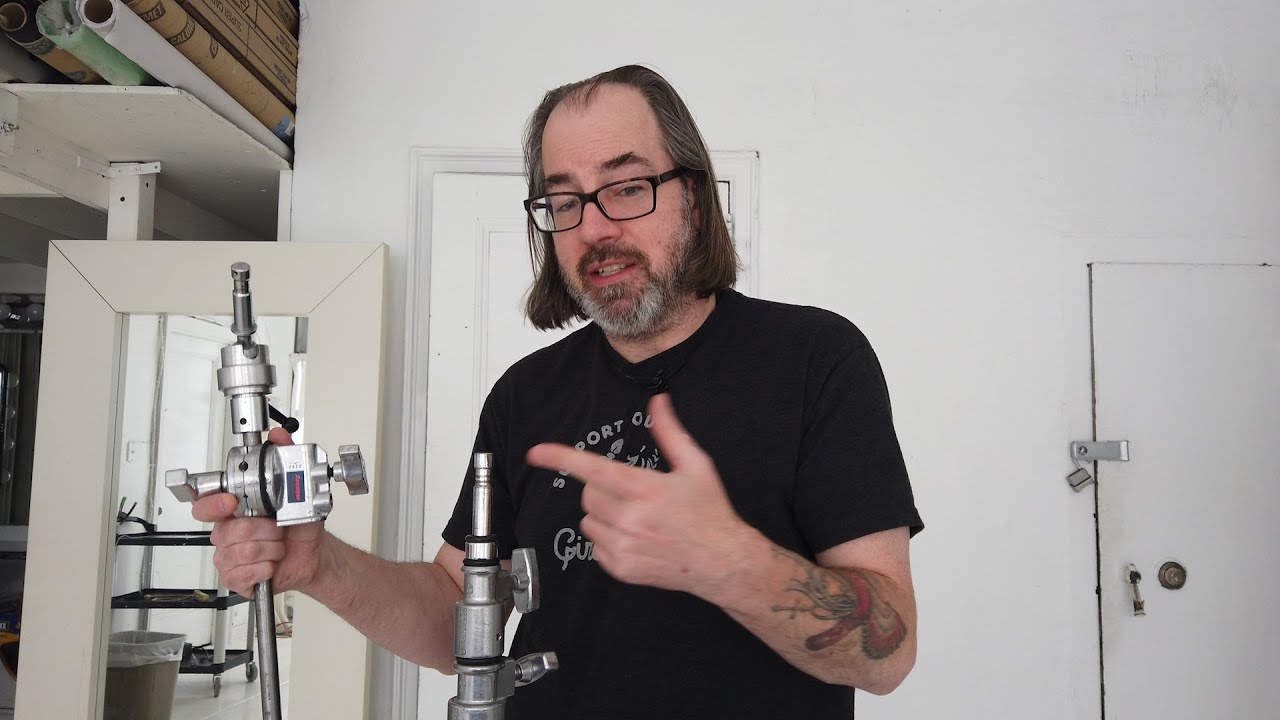
I keep a roll of masking tape in every corner of my studio. Labels on lights, labels on cables, labels on adapter pouches. That habit started because I once spent twenty minutes on a paid shoot hunting for the right fitting to mount a strobe to a C-stand arm, and the client was watching me do it. Never again. The unglamorous truth about studio photography is that the gear has to work before the light can work, and that means knowing your sizes cold, before you’re under pressure.
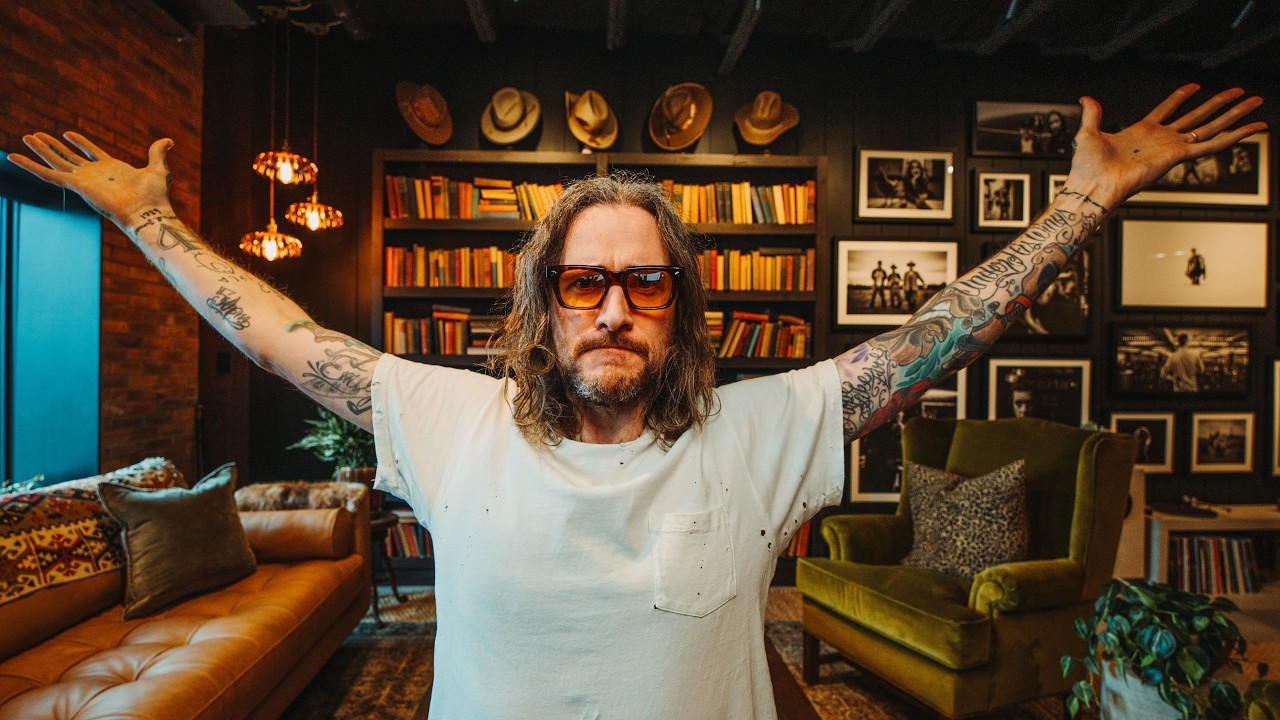
What Peter McKinnon's Studio Desk Setup Taught Me About Building a Space That Actually Works

What Peter McKinnon's Studio Desk Setup Taught Me About Building a Space That Actually Works

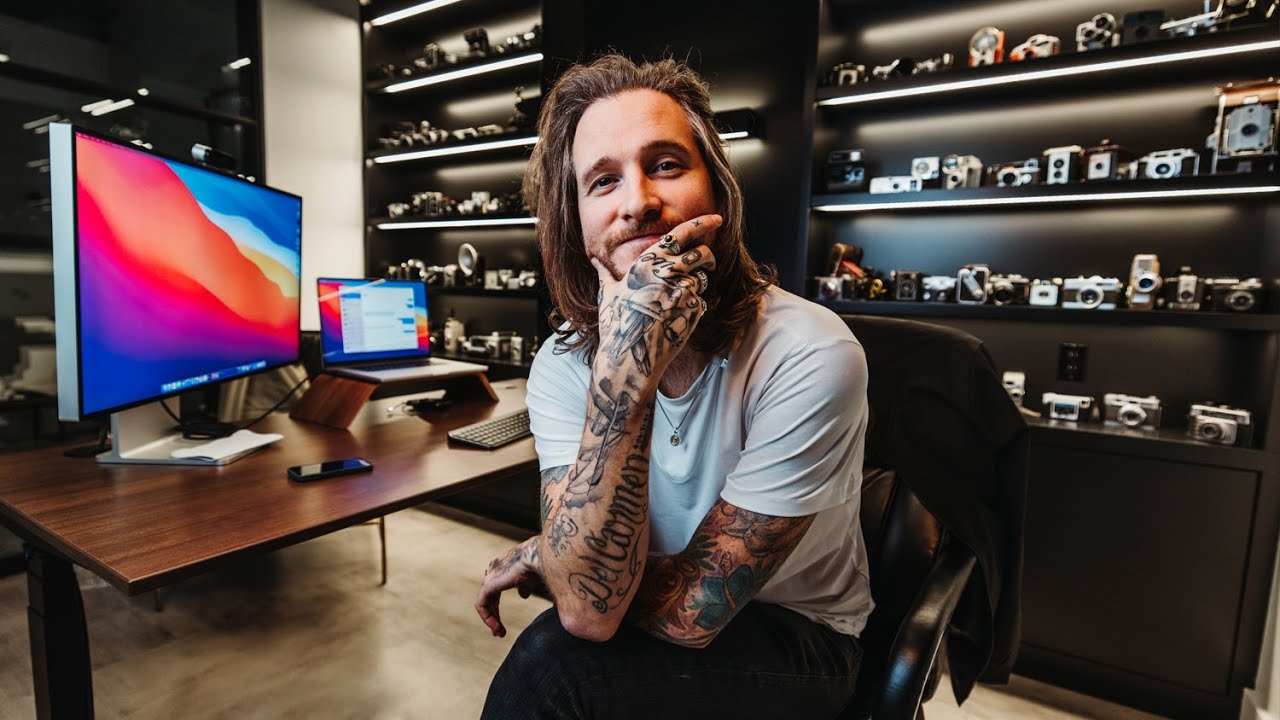
There is a version of my studio from about six years ago that I am not proud of. Cables everywhere, a monitor positioned so the window threw glare directly across the screen, editing happening on a machine that wheezed through Lightroom exports. The work I was doing for clients was solid but the environment I was doing it in was working against me. I have spent years since then iterating on the setup until it actually supports the pace of commercial work.

What a 325-Square-Foot Craft Studio Teaches Photographers About Creative Constraint

What a 325-Square-Foot Craft Studio Teaches Photographers About Creative Constraint

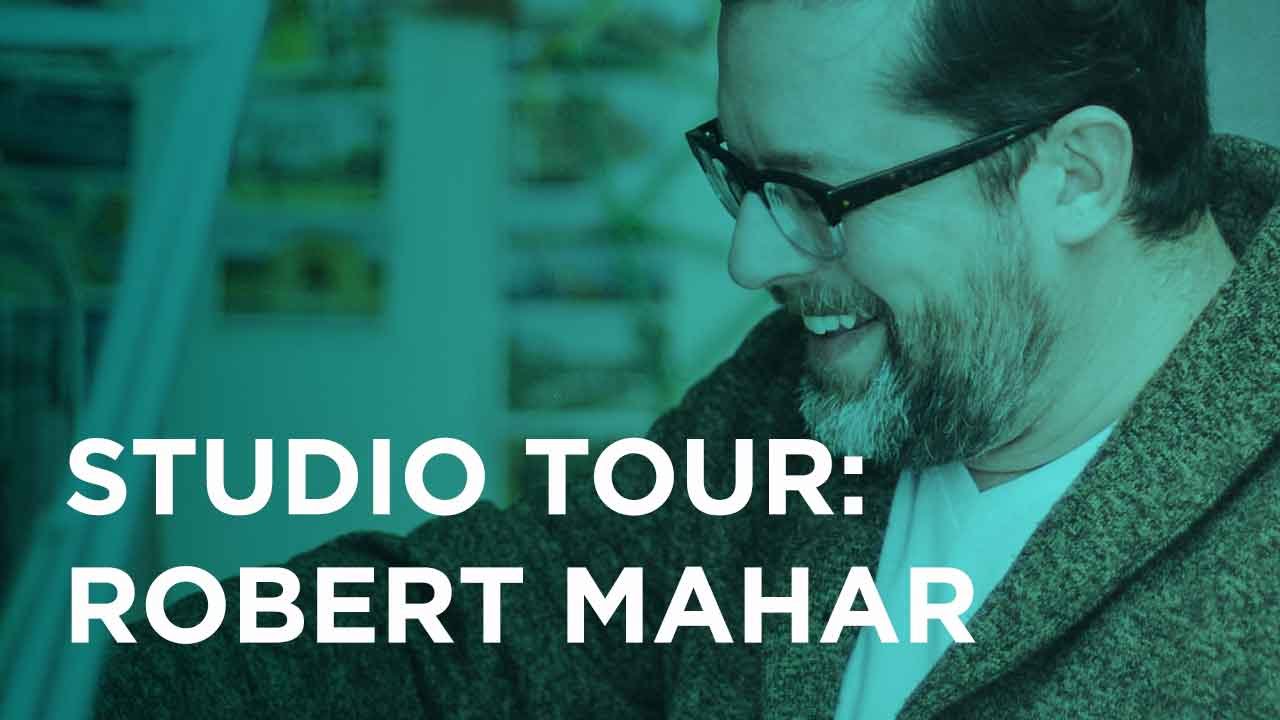
There’s a version of “studio envy” that I think quietly poisons a lot of photographers’ thinking. We tell ourselves we’ll finally get organized once we have more space, better gear, a dedicated room. I’ve caught myself doing it. Then I watched this CreativeLive tour of designer and maker Robert Mahar’s workspace in downtown Los Angeles and felt genuinely embarrassed by that excuse. Watch the full tutorial on YouTube Mahar runs a real creative practice out of under 325 square feet, shared with another artist, inside a century-old converted bank building.

What It Actually Costs to Build a Fashion Photography Studio From Scratch

What It Actually Costs to Build a Fashion Photography Studio From Scratch

Every few years I walk through what it would cost to start over. Not because I’m planning to, but because it keeps me honest about what equipment actually matters versus what I’ve accumulated out of habit. The exercise gets uncomfortable fast, especially when clients ask me to help them build out an in-house studio for their clothing brand. They always underestimate the lighting budget and overestimate how much the camera matters.

The Godox ES01 Suction Mount: Rethinking Flash Placement in Modern Studios

The Godox ES01 Suction Mount: Rethinking Flash Placement in Modern Studios

A Fresh Approach to Flash Positioning I’ve been watching Godox’s product releases closely over the past year, and I have to say—they’re thinking differently about studio problems. Their latest offering, the ES01 suction mount, is one of those deceptively simple solutions that makes you wonder why we haven’t seen more of them sooner. The core concept is straightforward: instead of relying on traditional light stands, you can now mount compatible Godox flashes directly to any flat, smooth surface using suction cups.

White on White Without Losing Your Mind: LED Packshot Lighting That Actually Works

White on White Without Losing Your Mind: LED Packshot Lighting That Actually Works

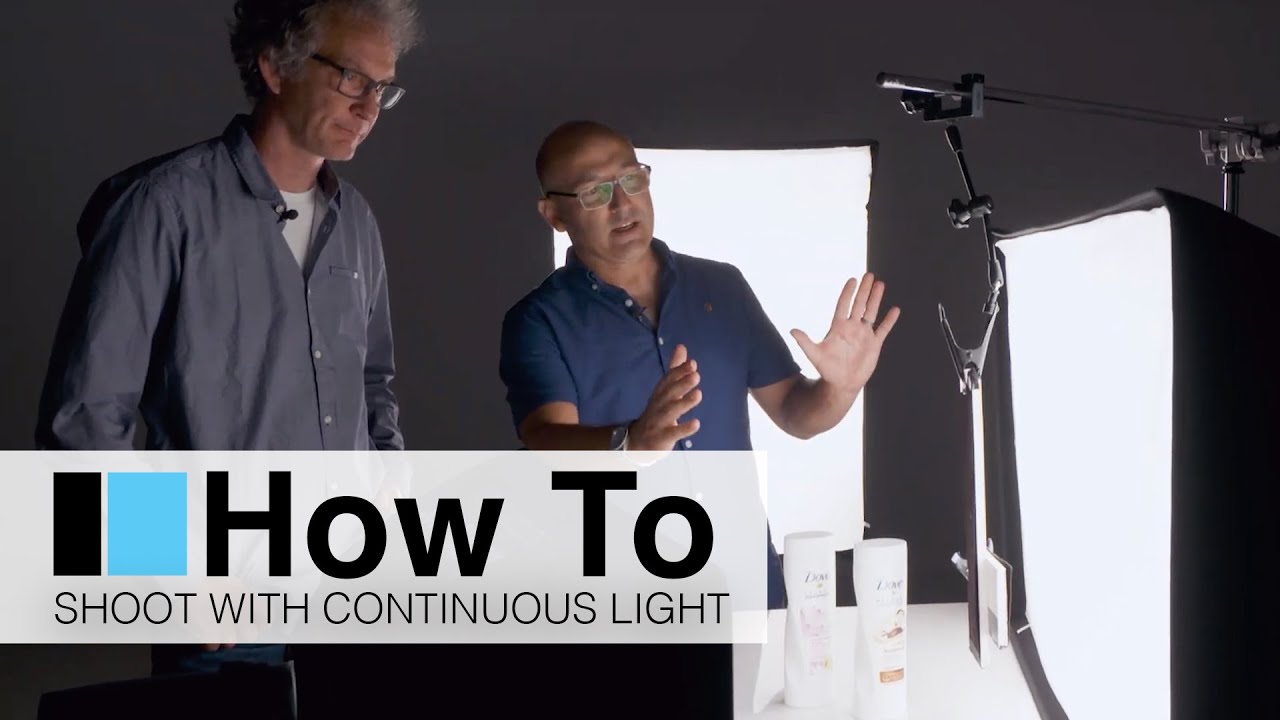
White products on white backgrounds. If you shoot e-commerce or commercial product work with any regularity, that sentence probably makes your eye twitch a little. It’s the kind of brief that sounds straightforward until you’re forty-five minutes into a shoot and your white bottle has completely dissolved into your white background. The edges are gone, the label looks flat, and the client is waiting. I’ve been working through a lot of the broncolor LED material lately because I’ve been fielding more requests from smaller e-commerce clients who also want short video clips alongside their stills.

Zero-Friction Studio Design: What Peter McKinnon's Final Studio Tour Teaches Us About Shooting from Anywhere

Zero-Friction Studio Design: What Peter McKinnon's Final Studio Tour Teaches Us About Shooting from Anywhere

There’s a specific kind of frustration that only studio photographers understand. You’ve dialed in your key light, your fill ratio is exactly where you want it, your background is clean, and then a client asks if you can shoot “from the other side.” Suddenly everything falls apart. The light hits the backdrop stand. The extension cord crosses the frame. The whole setup was engineered for one angle, and that angle only.

Beyond Basic Umbrellas: Ring Lights and Softboxes Compared

Beyond Basic Umbrellas: Ring Lights and Softboxes Compared

Beyond Basic Umbrellas: Ring Lights and Softboxes Compared If you’ve been shooting with umbrella reflectors and you’re ready to take your lighting game seriously, you’ve likely found yourself standing in front of two major contenders: ring lights and softboxes. Both deserve space in a professional studio, but they serve distinctly different purposes. Let me walk you through how to evaluate which one matches your workflow. Understanding the Fundamental Difference A softbox functions like a directional light source with controlled spill.

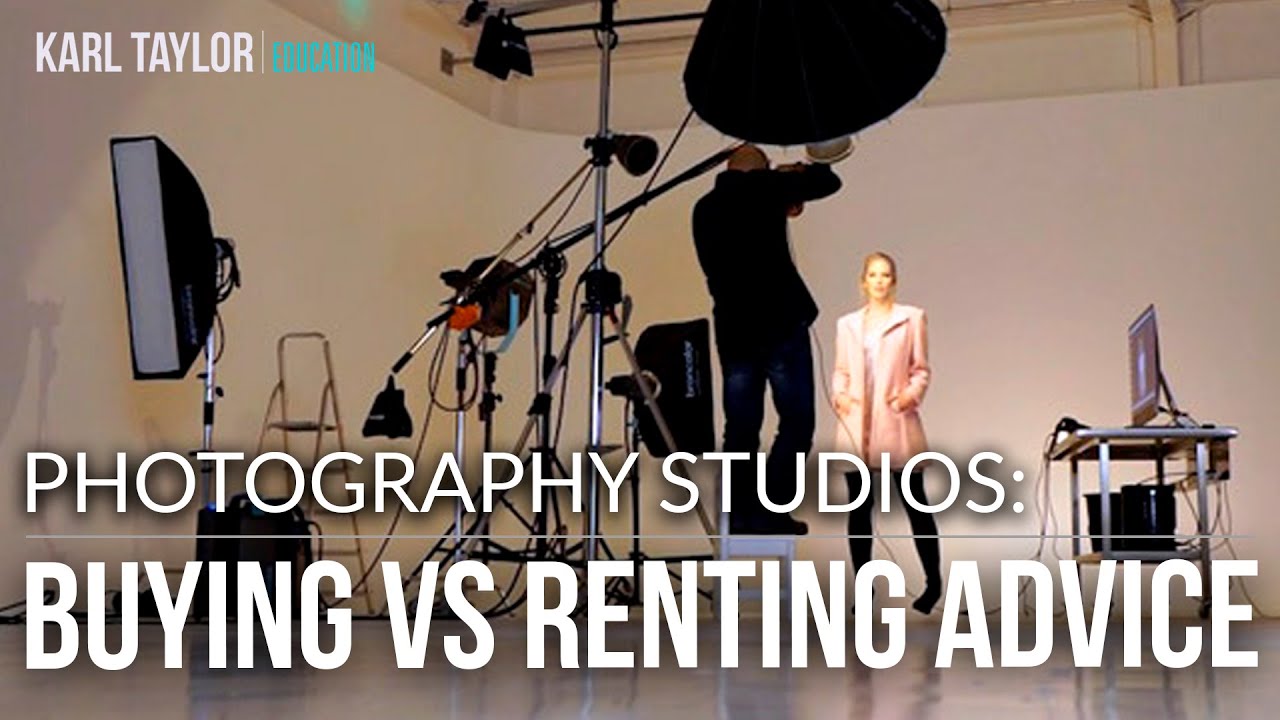
Before You Sign the Lease: What Every Photographer Should Know About Choosing a Studio

Before You Sign the Lease: What Every Photographer Should Know About Choosing a Studio

Every few years I talk to a photographer who signed a lease too fast and spent the next twelve months figuring out how to fill a space that was either too big, too far from clients, or both. I’ve been lucky. I’ve made most of my studio mistakes in small, low-stakes ways rather than expensive ones. But I’ve watched enough colleagues get burned that when I came across this Visual Education tutorial on finding the right photography studio, I paid close attention.

The Mac Studio M1 Ultra: Why This Little Box Is Changing How I Think About Studio Infrastructure

The Mac Studio M1 Ultra: Why This Little Box Is Changing How I Think About Studio Infrastructure

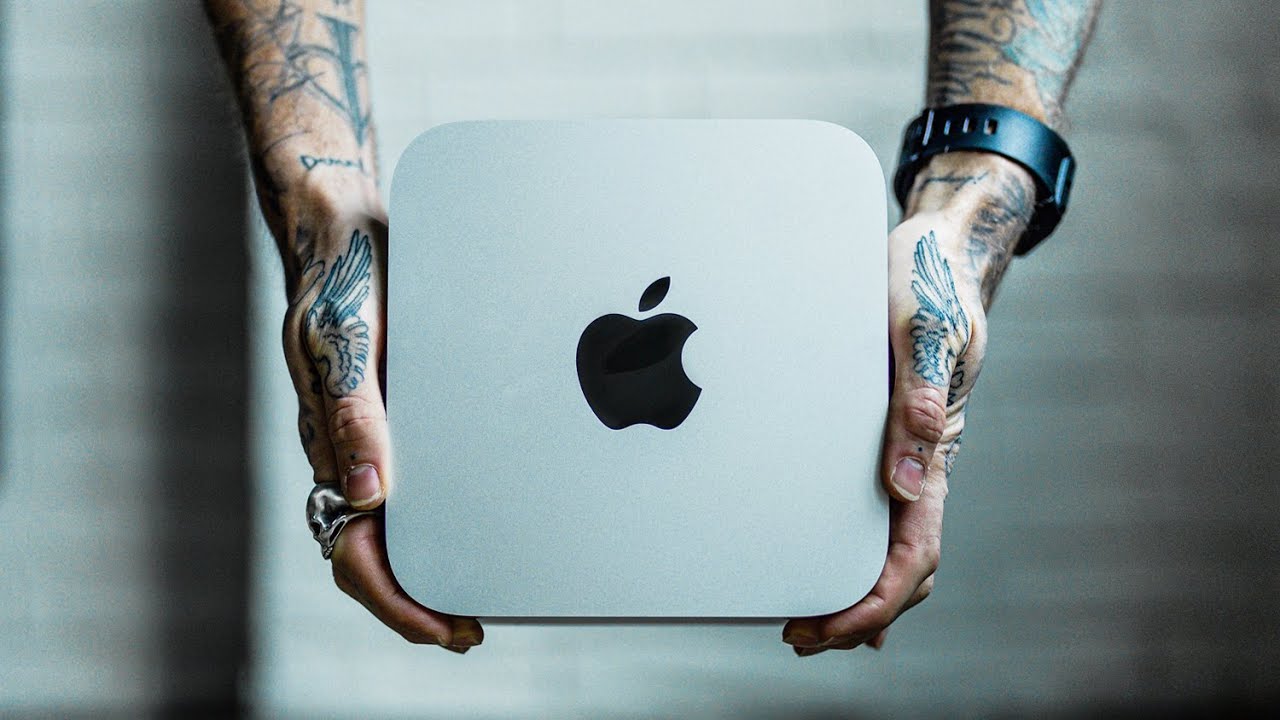
Running a commercial studio in Los Angeles means I am always solving the same two problems at once: keeping the quality high and keeping the overhead from swallowing the margins. For years, the workstation question felt fixed. You bought a tower, you bolted it to a desk, and that was your anchor. When a client needed location work, you shot tethered to a laptop that could barely handle the raw files from a medium-format back without grinding.

How to Start a Photo Studio: Four Paths From Zero to Your First Shoot

How to Start a Photo Studio: Four Paths From Zero to Your First Shoot

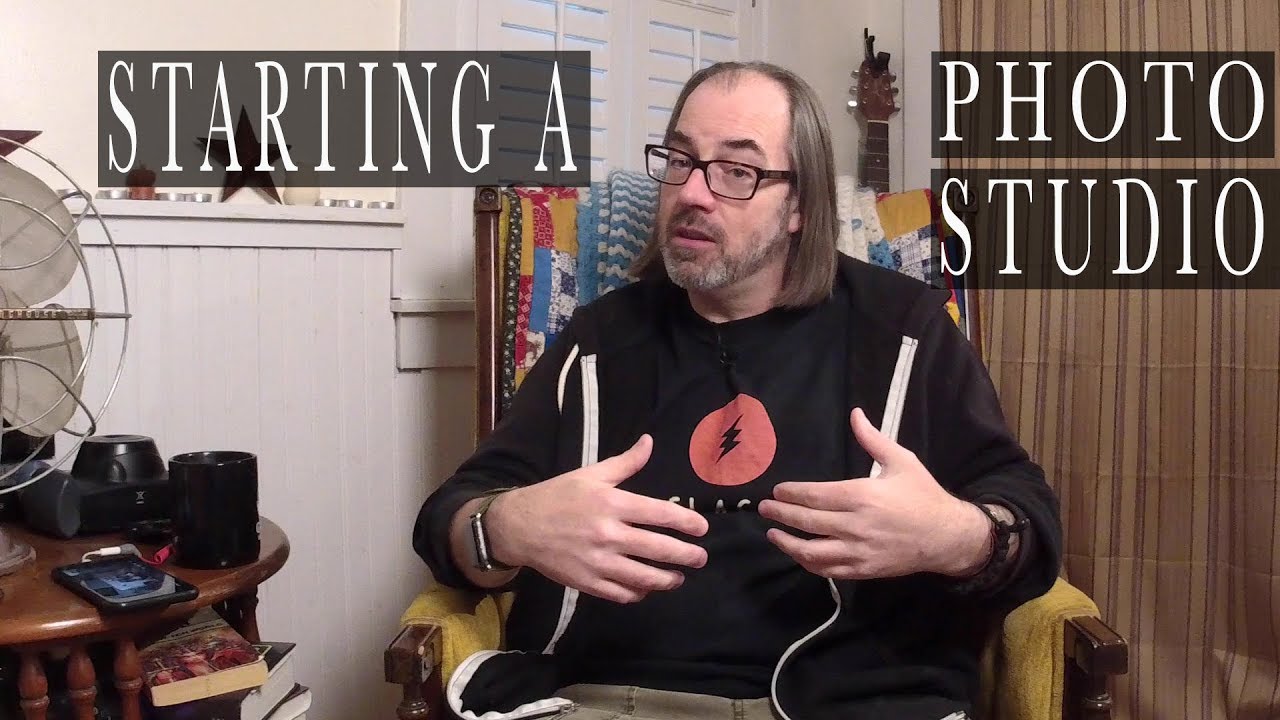
Every photographer I know who shoots commercially eventually hits the same wall. A client wants a controlled environment, or you want to test a new lighting setup, and suddenly your garage or spare bedroom isn’t cutting it anymore. I’ve been there. When I was first building my studio practice in Los Angeles, the question wasn’t just “do I need a studio?” but “what kind of studio makes sense for where I actually am right now?

How to Build a Real Working Studio on $1K, $2.5K, or $5K (A Gear Breakdown That Actually Makes Sense)

How to Build a Real Working Studio on $1K, $2.5K, or $5K (A Gear Breakdown That Actually Makes Sense)

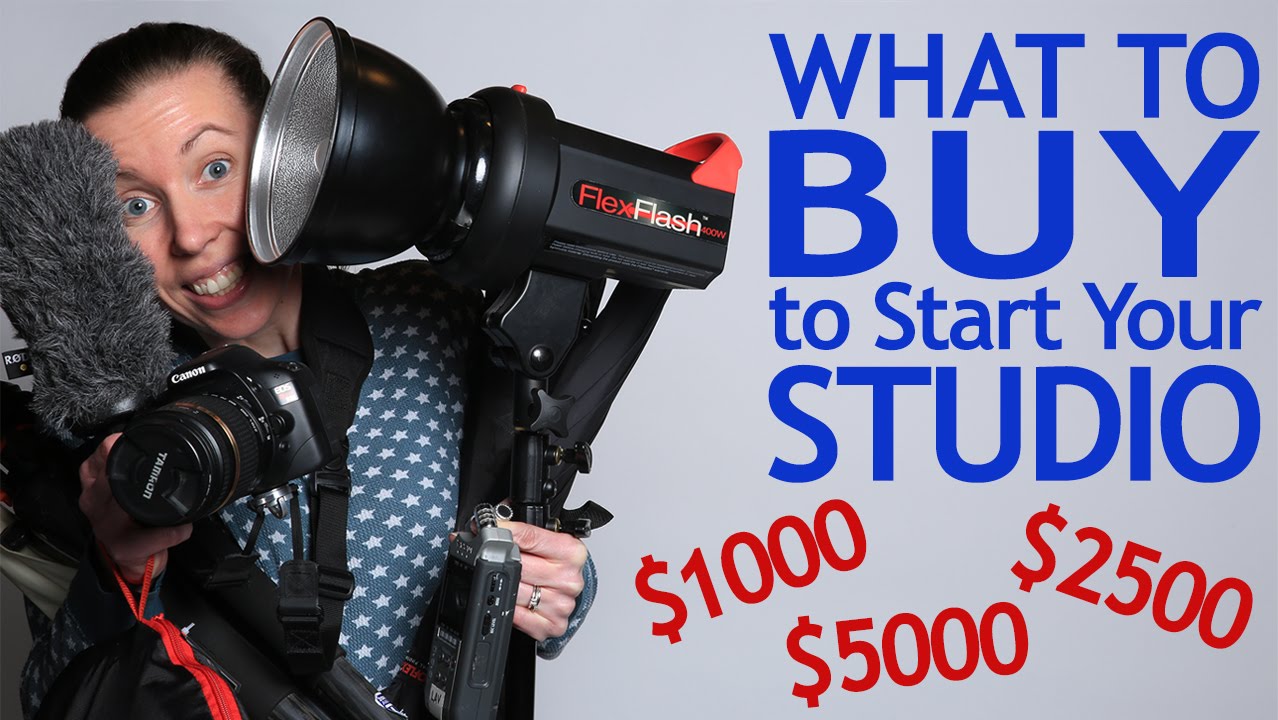
One of the questions I get more than almost any other, from assistants on my commercial shoots and photographers at workshops, is some version of: “I want to set up a studio. Where do I even start?” The problem with most gear guides is that they either assume unlimited budget or they recommend the cheapest possible option without thinking about what you’re actually trying to produce. What I appreciate about JP Morgan and Lars Lindstrom at The Slanted Lens is that they approach gear the way a working photographer actually thinks about it: budget first, priorities second, compromises third.