How to Actually Direct a Subject: Three Posing Techniques I Wish I'd Learned Earlier

How to Actually Direct a Subject: Three Posing Techniques I Wish I'd Learned Earlier

Posing is the part of studio work that separates photographers who produce technically correct images from photographers who produce compelling ones. I can dial in a perfect three-light setup, calibrate my color temperature, sketch the diagram in my lighting journal before the client walks through the door - and still blow a shoot if I can’t direct a subject with confidence. The technical side of this job I figured out through practice and repetition.
Apple's M5 Ultra Mac Studio: A Game-Changer for Professional Photography Workflows

Apple's M5 Ultra Mac Studio: A Game-Changer for Professional Photography Workflows

Apple’s M5 Ultra Mac Studio: A Game-Changer for Professional Photography Workflows I’ve watched Apple’s desktop offerings evolve over the past decade, and I’ll be direct: the new Mac Studio with M5 Ultra silicon represents a legitimate leap forward for those of us managing demanding studio photography operations. Processing Power Meets Studio Reality Apple just released the M5 generation of Mac Studio, and the specs matter more than you might think. The M5 Ultra variant delivers the kind of computational horsepower that separates “waiting around” from “getting back to shooting.

Grid Spots in the Field: How to Control Light Coverage and Kill Ugly Backgrounds

Grid Spots in the Field: How to Control Light Coverage and Kill Ugly Backgrounds

Every time I take a strobe outside, someone assumes the hard part is the exposure math. It isn’t. The hard part is containment. A soft box forgives you on location. A grid spot does not. It throws light exactly where you aim it, and nowhere else, which is either a superpower or a liability depending on whether you understand coverage angles before you fire a single frame. I’ve been keeping a lighting journal for years.

Two Hot Lights, One Compelling Portrait: What This Continuous Lighting Setup Actually Teaches You

Two Hot Lights, One Compelling Portrait: What This Continuous Lighting Setup Actually Teaches You

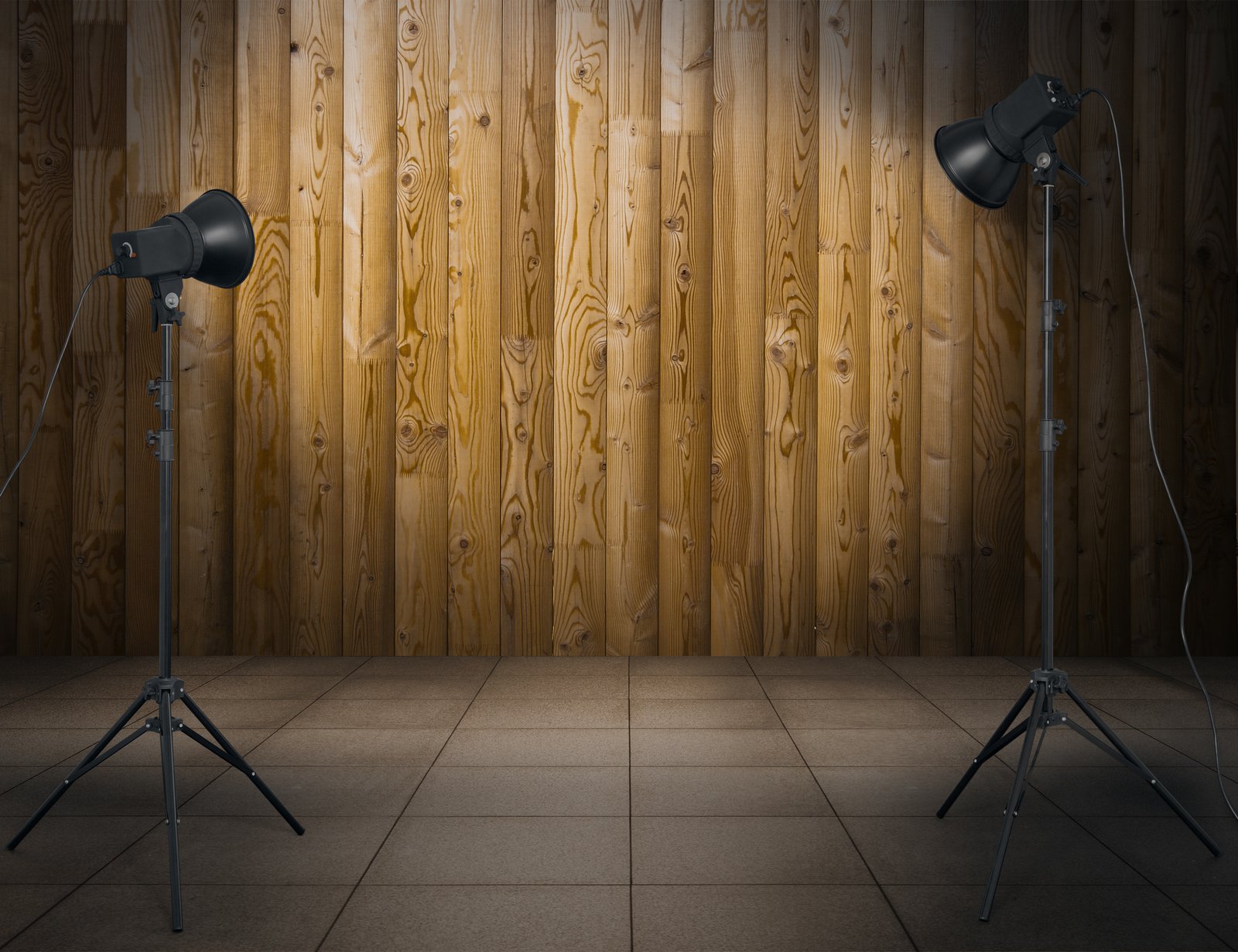
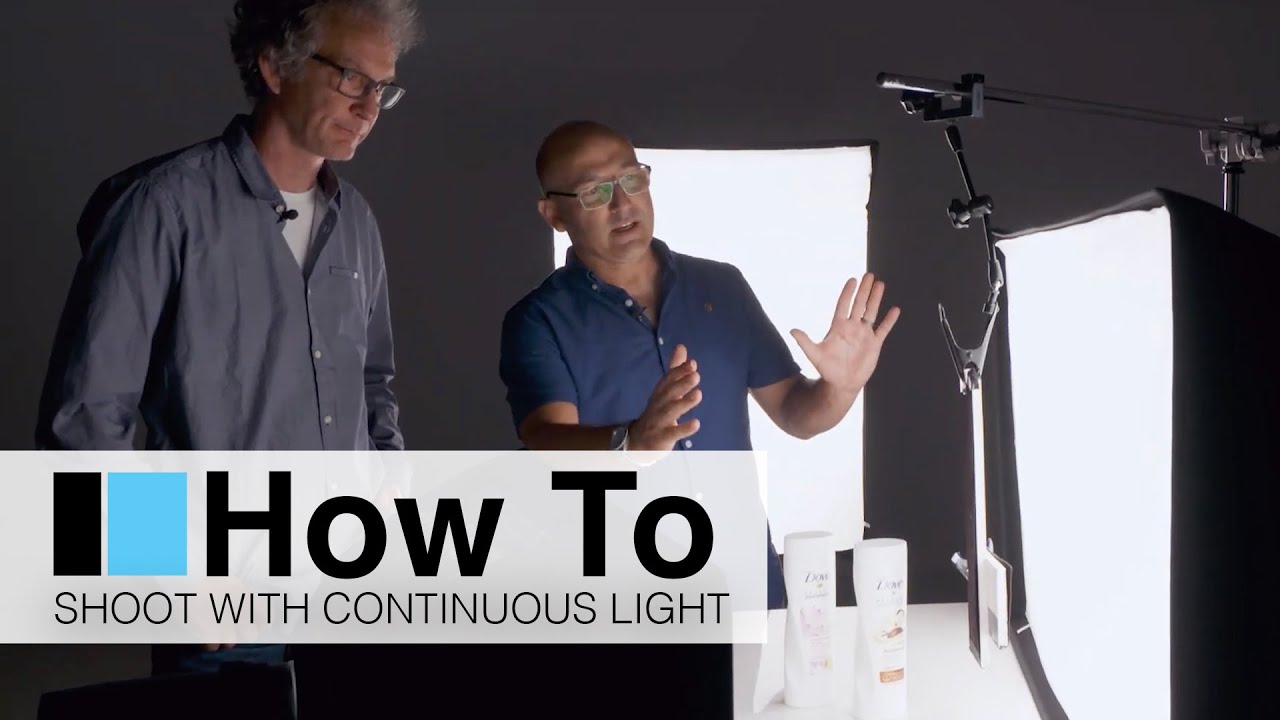
Continuous lighting used to be a compromise I made reluctantly. Strobes were precise, repeatable, and fast. Hot lights felt like a workaround for filmmakers who hadn’t fully committed to either medium. Then I started getting more hybrid jobs, clients who wanted a behind-the-scenes reel alongside the stills, and my entire attitude shifted. You can’t fire a strobe at 24 frames per second. Continuous light, once you understand how to manage it, stops being a limitation and starts being a genuinely elegant solution.

From Portrait Studio to Portrait Couture: What Sue Bryce's Glamour Workflow Taught Me About Shooting With Intent

From Portrait Studio to Portrait Couture: What Sue Bryce's Glamour Workflow Taught Me About Shooting With Intent

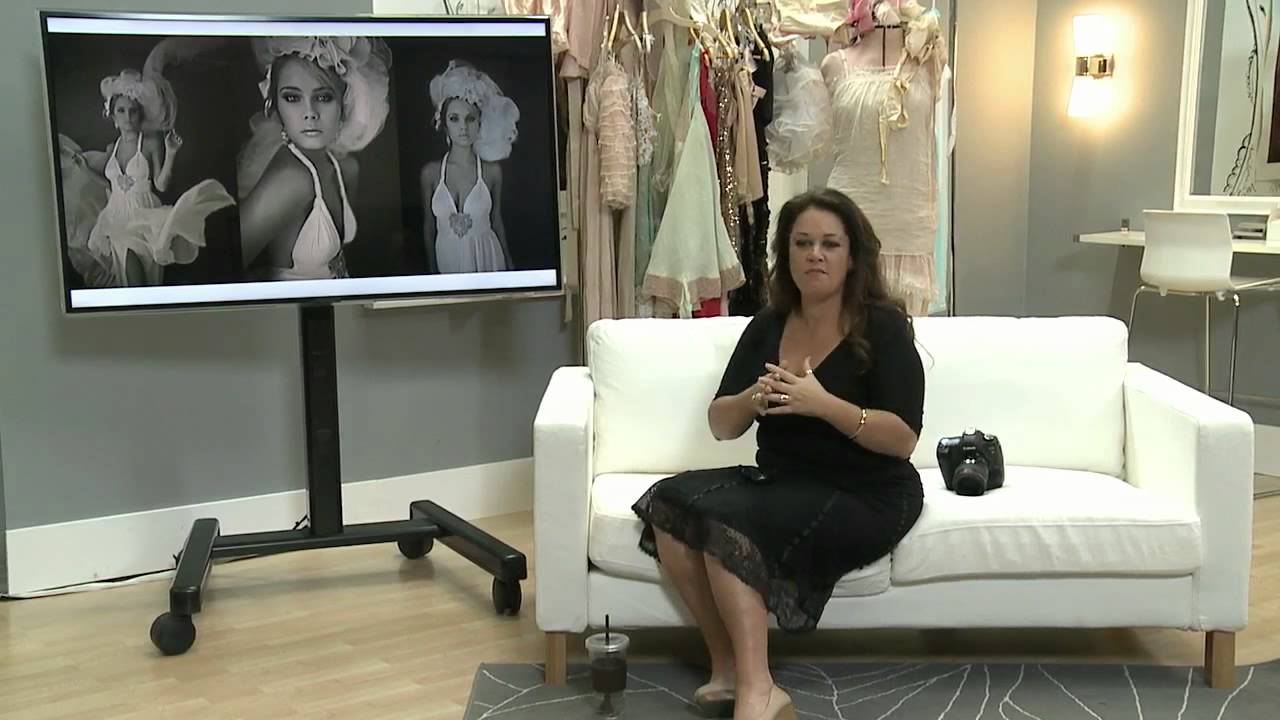
There’s a specific problem I keep running into with clients who book a “portrait session” and show up expecting something that looks more editorial than standard headshot. For years I tried to bridge that gap on the fly, adjusting in the room, improvising wardrobe choices, coaching poses I hadn’t planned. It worked sometimes. It also fell apart sometimes. What I was missing was a deliberate system for shifting the register of a shoot from documentary portrait to something more intentional and designed.

Beyond Daylight: How I Use Creative Gels to Build Color Into a Shot From the Start

Beyond Daylight: How I Use Creative Gels to Build Color Into a Shot From the Start

I ruined my first major editorial shoot with color temperature. Not gels, not bad ratios, just the fact that I had two light sources on a model’s face that were about 800 Kelvin apart and I had no idea. One was a tungsten practical in the background, one was a strobe key. The images came back with this muddy, indeterminate skin tone that no amount of color grading could salvage. The art director never said anything, but I didn’t get another call from that publication for two years.

Lens Choice, Camera Settings, and Lighting for Toddler Studio Portraits: A Working Photographer's Breakdown

Lens Choice, Camera Settings, and Lighting for Toddler Studio Portraits: A Working Photographer's Breakdown

Toddlers will expose every weakness in your technical setup. They don’t hold poses, they don’t follow directions, and the moment you’re chimping your LCD to check exposure, they’ve moved three feet to the left. I’ve watched grown adults with years of professional experience freeze up on set the moment a two-year-old enters the picture. The problem is almost never the lighting. It’s that photographers haven’t locked in their settings before the session starts, so they spend the entire shoot chasing their tail instead of chasing the kid.

Feathering Your Softbox: The One Adjustment That Separates Controlled Light from Flat Light

Feathering Your Softbox: The One Adjustment That Separates Controlled Light from Flat Light

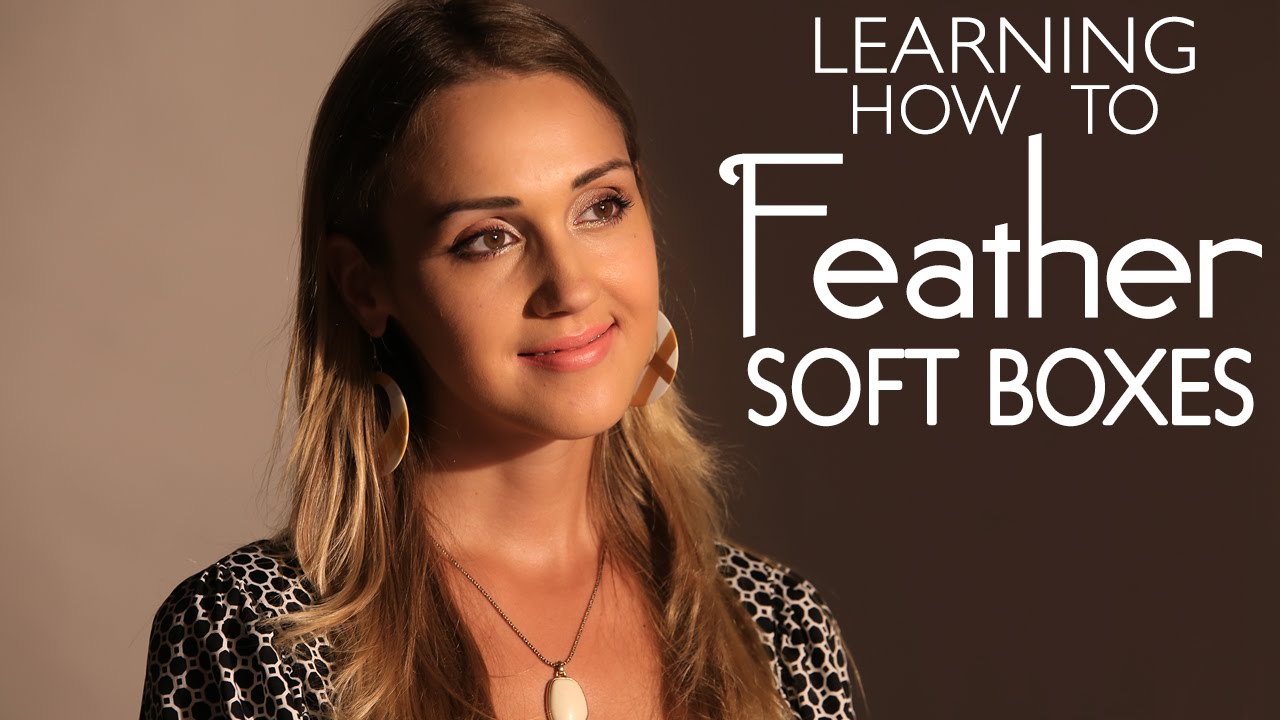
There’s a specific kind of frustration I know well. You’re on location, you’ve set the softbox, taken your first frame, and everything is lit. The ground. The background. The subject’s shoes. The fence nobody asked for. The light is doing its job technically, but the image looks like a police procedural, not a portrait. For years, I adjusted power output trying to solve a problem that was never about power. It was about aim.

Why Top Back Lighting Is My Go-To for Product Work (And How to Set It Up in Three Lights)

Why Top Back Lighting Is My Go-To for Product Work (And How to Set It Up in Three Lights)

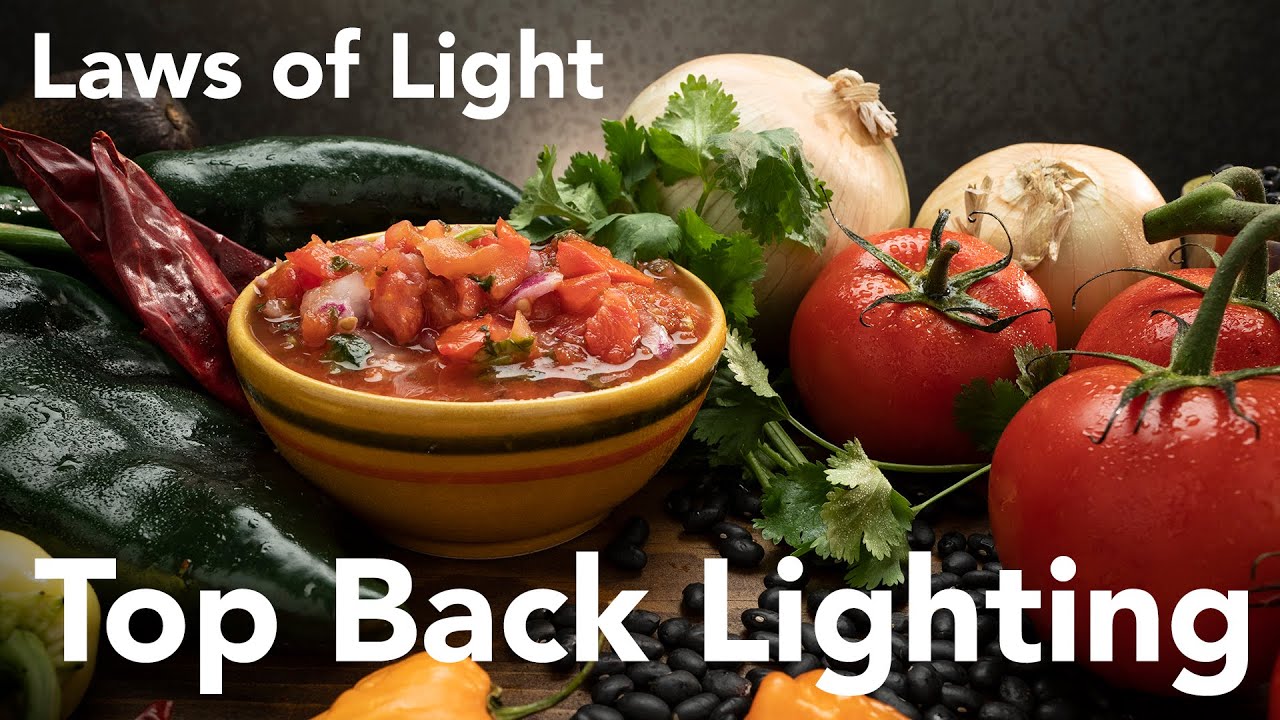
Every product shooter I know, at some point, makes the same mistake. The client wants something simple, the deadline is tight, and the light goes right next to the camera because that’s the safe, fast choice. I’ve done it. The result is always the same: flat surfaces, no separation, a product that looks like a catalog scan from 1997. I kept doing it even after I knew better, because moving the light behind the subject felt counterintuitive and, honestly, a little risky when you’re on the clock.

How to Fake a Moving Camera (When Everything Has to Stay Sharp)

How to Fake a Moving Camera (When Everything Has to Stay Sharp)

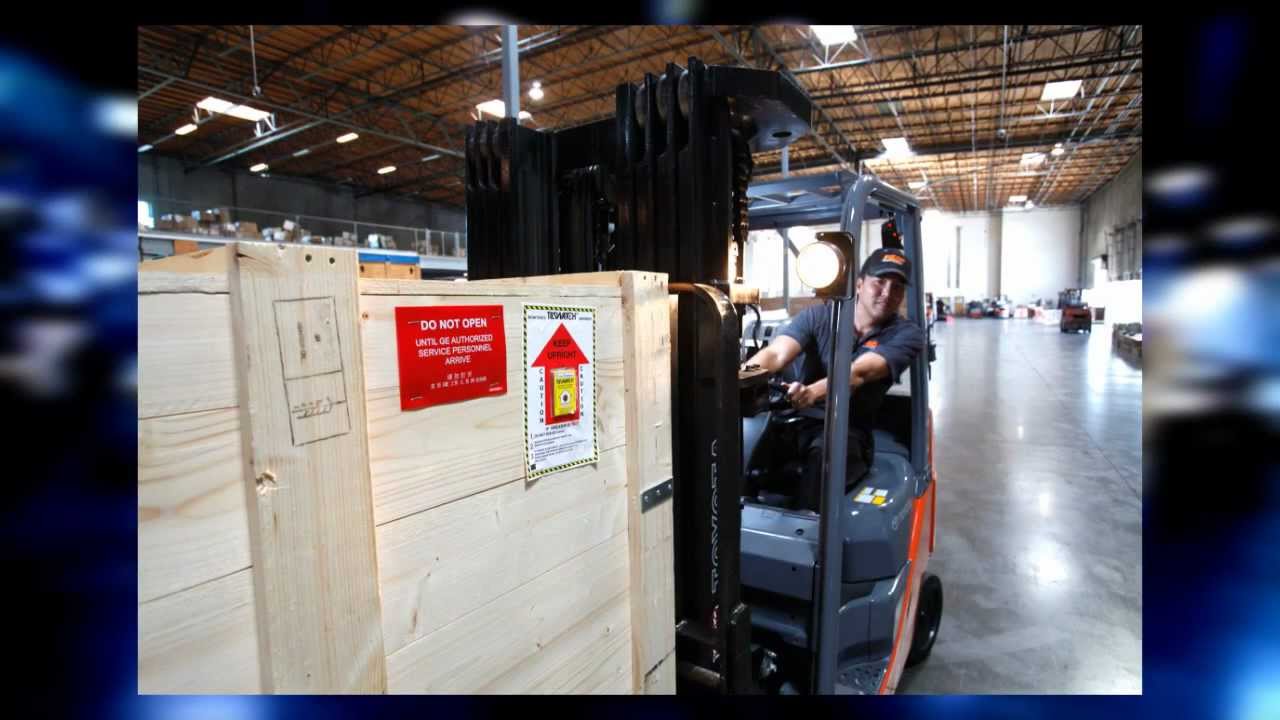
There’s a specific kind of shoot dread that sets in when you’ve photographed the same location a dozen times. I know that warehouse. I know that corner. I’ve already made the good picture here. That’s the problem The Slanted Lens walks into at the start of this tutorial, and the solution they land on is genuinely clever: instead of moving the camera past the subject, you move the camera with the subject, keeping both locked together on a piece of moving equipment.

White on White Without Losing Your Mind: LED Packshot Lighting That Actually Works

White on White Without Losing Your Mind: LED Packshot Lighting That Actually Works

White products on white backgrounds. If you shoot e-commerce or commercial product work with any regularity, that sentence probably makes your eye twitch a little. It’s the kind of brief that sounds straightforward until you’re forty-five minutes into a shoot and your white bottle has completely dissolved into your white background. The edges are gone, the label looks flat, and the client is waiting. I’ve been working through a lot of the broncolor LED material lately because I’ve been fielding more requests from smaller e-commerce clients who also want short video clips alongside their stills.

Flash Modes Decoded: What Every Studio Photographer Needs to Know Before Touching a Speedlight

Flash Modes Decoded: What Every Studio Photographer Needs to Know Before Touching a Speedlight

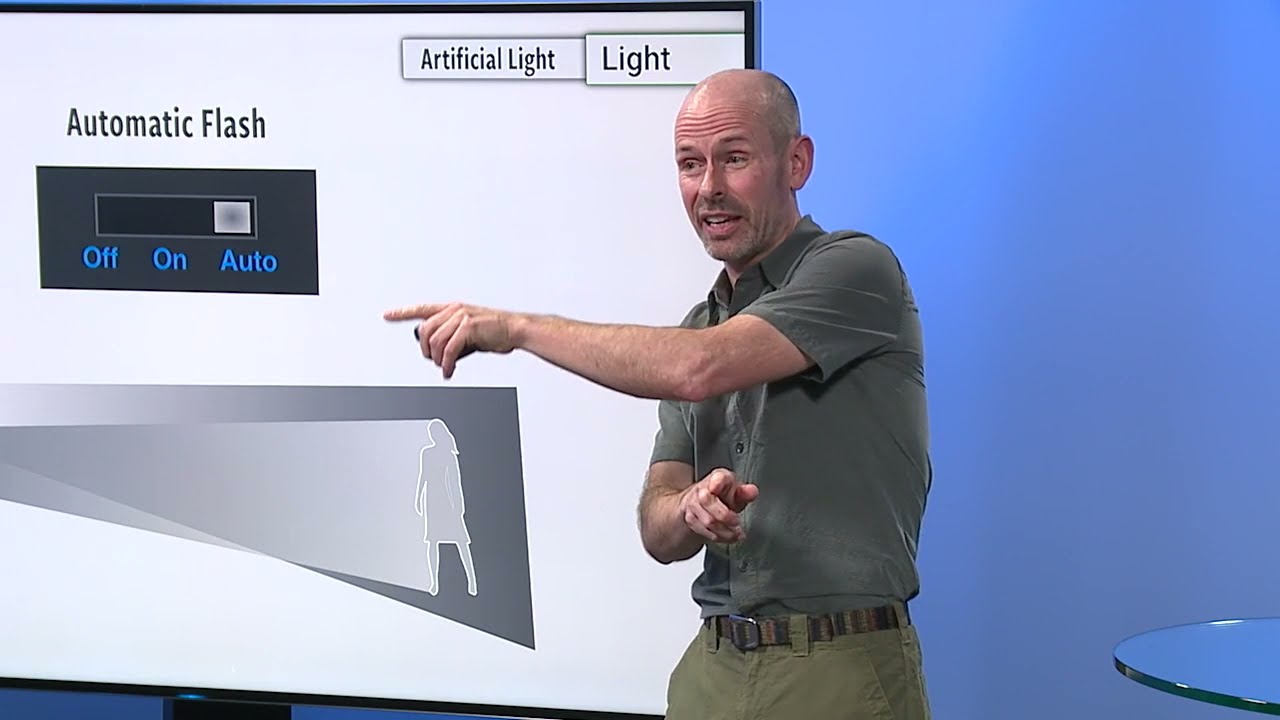
Flash is the great dividing line in photography. You can spend months getting comfortable with natural light — learning how it wraps around a face, how it changes by the hour, how to chase it and shape it – and then you pick up a speedlight and feel like you’re starting from scratch. That gap between ambient confidence and flash competence is real, and it trips up a lot of working photographers who should know better.