Shooting on a Cyclorama: What Nobody Tells You Before You Book the Studio

Shooting on a Cyclorama: What Nobody Tells You Before You Book the Studio

There is a specific kind of panic that hits when you’re forty minutes into a commercial shoot and you can see the edge of your background in the frame. Your talent is ready, your strobes are dialed in, and you’re burning through your shot list. But the white vinyl is doing that thing vinyl always does: it has a faint crease running across the lower third, and no amount of gaffer tape is going to save you.

Why Your Subjects Look Stiff: The Posing Problem That Starts Before You Touch the Camera

Why Your Subjects Look Stiff: The Posing Problem That Starts Before You Touch the Camera

The Shot That Almost Wasted a Full Studio Day I had a corporate client fly in from New York for a half-day executive portrait session. The lighting was dialed in before they arrived: a 48-inch Octa as the key at roughly 45 degrees, a strip box camera-left for edge separation, a kicker behind the subject at about 1/8 power. Ratios were solid. The set looked great on the tethered monitor.

The Studio Reset: How I Structure Every Shoot Day to Protect the Light (and My Sanity)

The Studio Reset: How I Structure Every Shoot Day to Protect the Light (and My Sanity)

Every few months I watch a photographer post in a forum asking why their images looked different in the afternoon than they did at noon, even though they were shooting in a windowless studio. The answers they get are usually wrong. People guess it’s their monitor, or their white balance, or bad luck. It’s almost never those things. It’s the temperature drift in their strobes, and it’s a workflow problem, not a gear problem.

Inside a Working Commercial Studio: What Karl Taylor's Setup Actually Teaches You About Shooting Professionally

Inside a Working Commercial Studio: What Karl Taylor's Setup Actually Teaches You About Shooting Professionally

Every few months I walk through my own studio in Los Angeles and ask myself whether the space is working for me or against me. Lighting, storage, shooting zones, the workstation position relative to the set - these things compound. A cluttered studio is a slow studio, and a slow studio costs you clients. So when I came across this Visual Education behind-the-scenes tour of Karl Taylor’s commercial photography studio, I watched it not as a fan but as a working photographer taking notes.

How to Light Chrome on Location: Controlling Reflections When You Can't Control the Environment

How to Light Chrome on Location: Controlling Reflections When You Can't Control the Environment

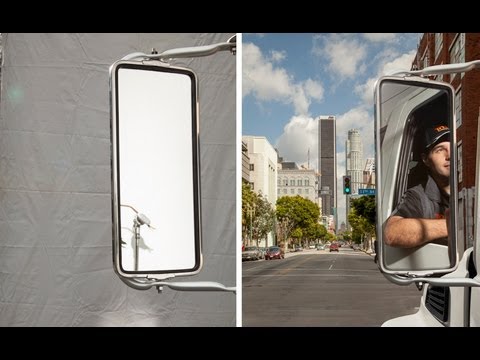
Chrome is the material that exposes every amateur lighting decision. It doesn’t care how much gear you brought. It reflects everything around it with total honesty, and most of what surrounds a location shoot is visual noise. I’ve lost count of how many times I’ve seen photographers aim a strobe at a shiny surface and wonder why the result looks like a carnival mirror. The problem is never the light you put on the chrome.

How to Build a Believable Studio Set (And Light It So Nobody Knows It Isn't Real)

How to Build a Believable Studio Set (And Light It So Nobody Knows It Isn't Real)

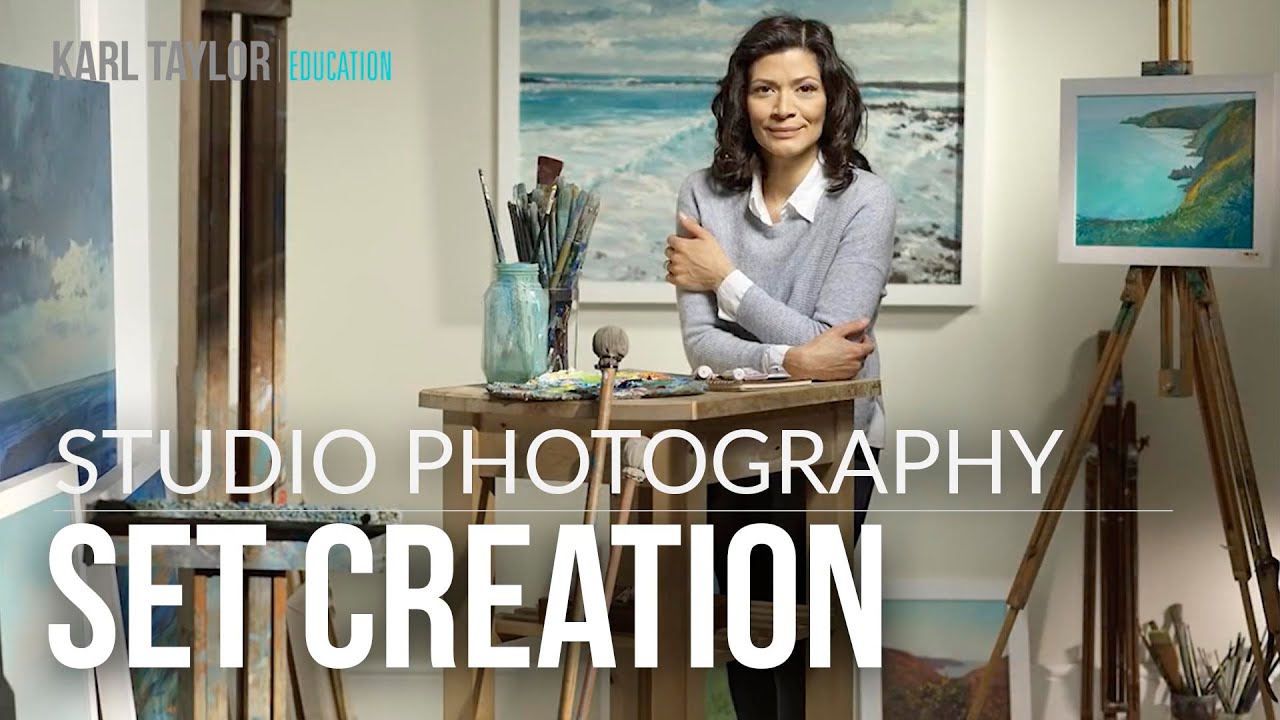
Every commercial photographer hits the same wall eventually. The client wants a living room. Or a doctor’s office. Or an artist’s studio. And your budget doesn’t stretch to a location scout, a permit, and a half-day of travel. For years, I dealt with this by shooting on location and fighting whatever the space gave me in terms of light, color temperature, and geometry. It was a constant compromise. Then I started building my own sets in-studio and realized I’d been making my life unnecessarily hard.

How Karl Taylor Actually Lit That Shot (And Why Lighting Ratios Are the Wrong Question)

How Karl Taylor Actually Lit That Shot (And Why Lighting Ratios Are the Wrong Question)

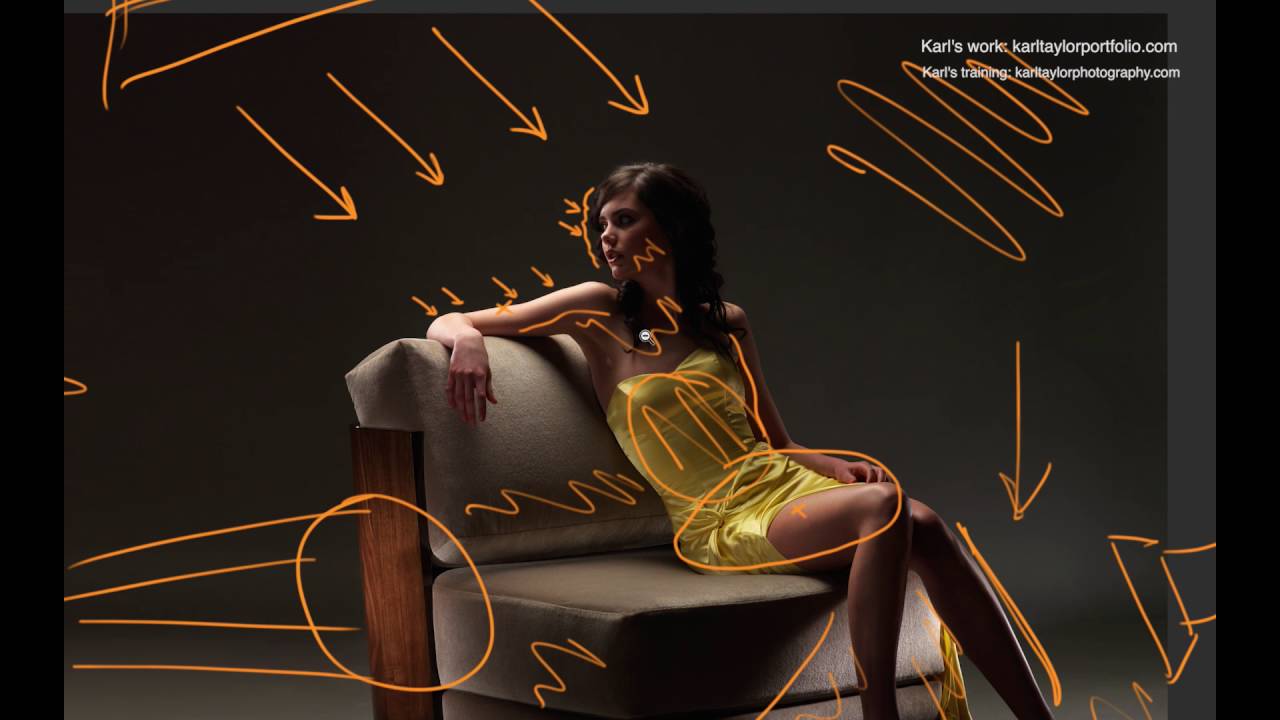
Every time I finish a commercial shoot and review the selects, I flip back through my lighting journal and check what I sketched before the first frame fired. More often than not, the setup that worked was not the setup I planned. It was the one I adjusted after reading the shadows. That habit, paying close attention to what the dark areas are doing rather than obsessing over the bright ones, is something I picked up slowly over years of editorial work.

Why Your Studio Workflow Breaks Down Before You Touch a Light

Why Your Studio Workflow Breaks Down Before You Touch a Light

Every shoot I’ve ruined taught me something the ones that went perfectly never could. My worst was an editorial for a mid-sized fashion client early in my career. I was using two different strobe manufacturers, neither of which I’d color-checked against each other, and I wrapped an eight-hour day feeling solid. Clean exposures, sharp frames, confident talent. Then I pulled the cards into Lightroom and found a 400K temperature swing between my key light and my fill.

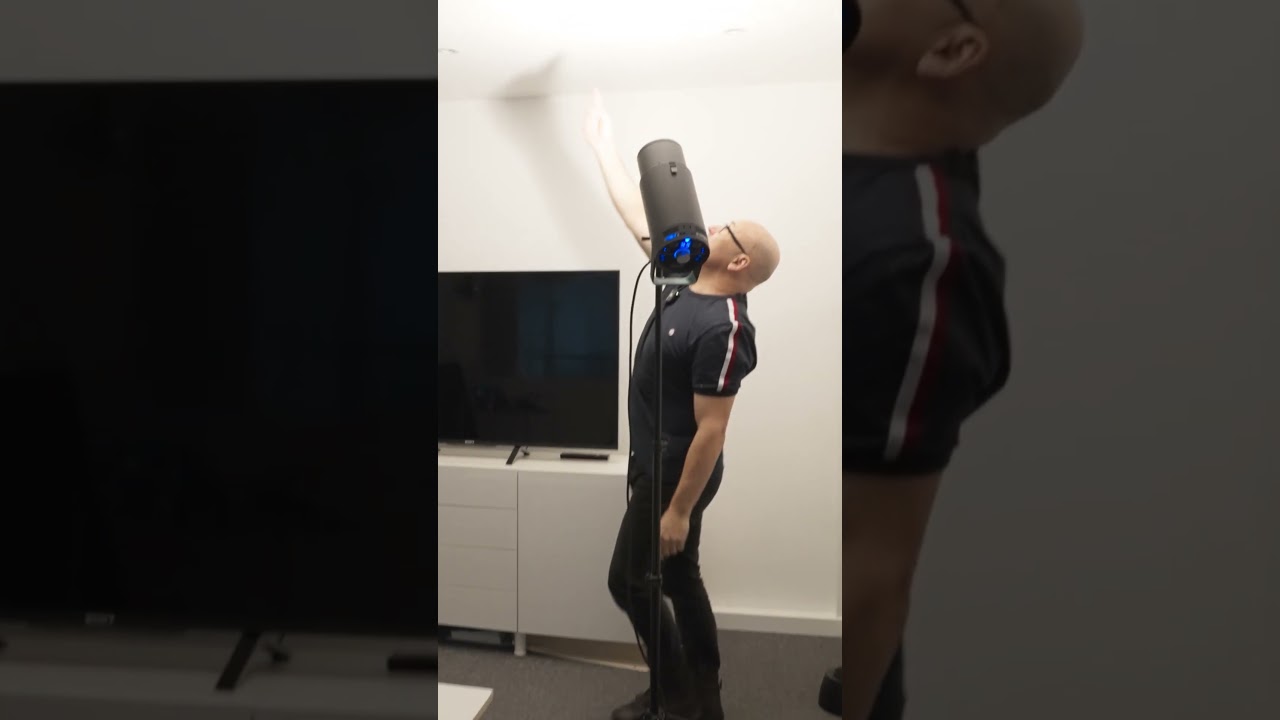
The Laser Trick That Tells You Exactly Where to Put Your Light

The Laser Trick That Tells You Exactly Where to Put Your Light

Product photography has a way of humbling you fast. You can nail the composition, dial in a clean background, get the focus exactly where you want it, and still end up with a shot that looks flat, cheap, or just wrong in some way you can’t immediately name. Nine times out of ten, when I pull up a disappointing product frame on my tethered monitor, the culprit is the reflection sitting in exactly the wrong place on the surface.

The Studio Reset: Why I Build Every Shoot From Zero Instead of Pulling Yesterday's Settings

The Studio Reset: Why I Build Every Shoot From Zero Instead of Pulling Yesterday's Settings

My first paid editorial shoot nearly ended my career before it started. I had a consistent setup, I thought. Same strobes, same modifiers, same camera I’d used a dozen times. What I didn’t account for was that I’d replaced one of my modeling lights with a different color temperature bulb the week before, shot tethered under those modeling lights for exposure reference, and delivered a full gallery with skin tones that ranged from neutral to visibly green depending on where the subject stood.

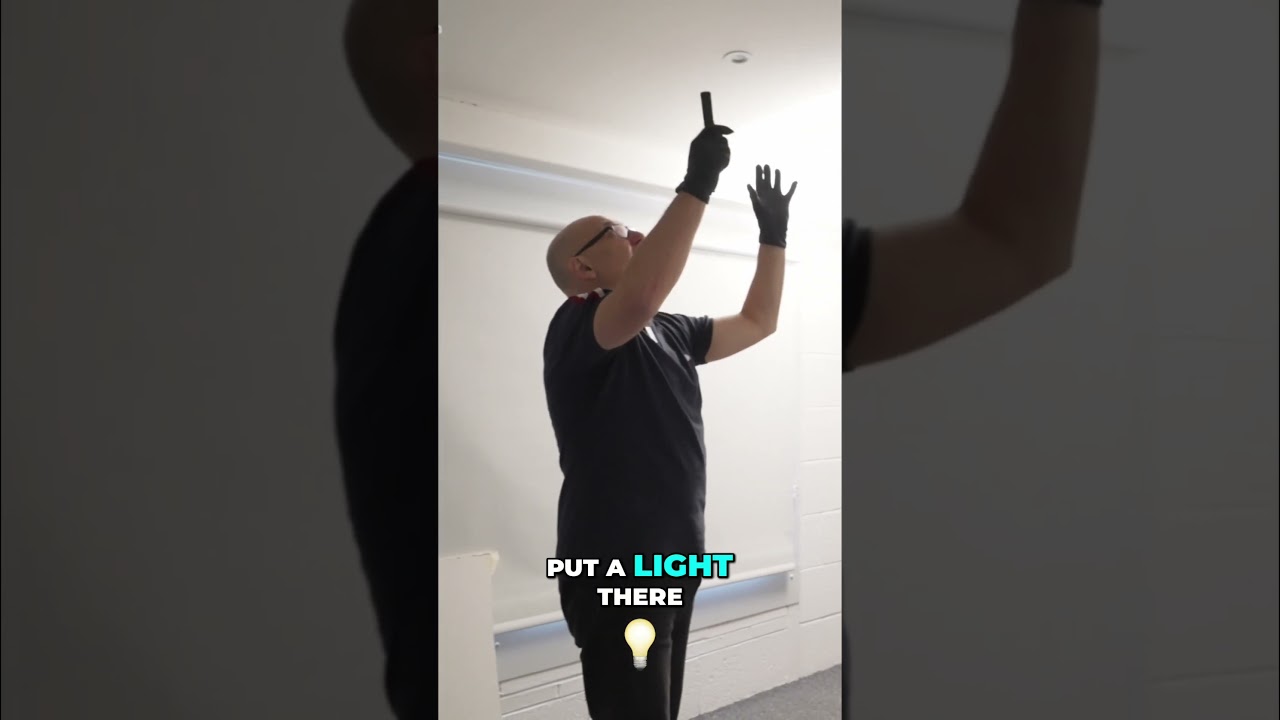
The Laser Trick That Changed How I Position Lights for Reflective Product Shots

The Laser Trick That Changed How I Position Lights for Reflective Product Shots

There’s a specific kind of frustration that comes from lighting a product with a glossy surface. You dial in what looks like a clean, controlled setup, take the shot, and the whole face of the product is a blown-out white rectangle. The name is gone. The color is gone. What you have is essentially a very expensive photograph of a reflection. I’ve been there more times than I want to admit, and it took me a long time to develop a reliable system for predicting where that reflection would land before I ever fired a strobe.

Why Your Studio Workflow Is Costing You an Hour Per Shoot (And How to Fix It)

Why Your Studio Workflow Is Costing You an Hour Per Shoot (And How to Fix It)

The Shoot That Made Me Rethink Everything I once showed up to a corporate headshot day with twelve subjects booked in four hours and no written lighting plan. I had the setup in my head. I’d shot similar work a hundred times. What I hadn’t accounted for was the studio assistant I’d never worked with before, a modeling session that ran over and compressed my setup window, and the fact that I’d swapped my key light modifier the night before and hadn’t re-metered the ratios.