Inside KL Taylor's Studio: What a Purpose-Built Photography Workshop Space Actually Needs

Inside KL Taylor's Studio: What a Purpose-Built Photography Workshop Space Actually Needs

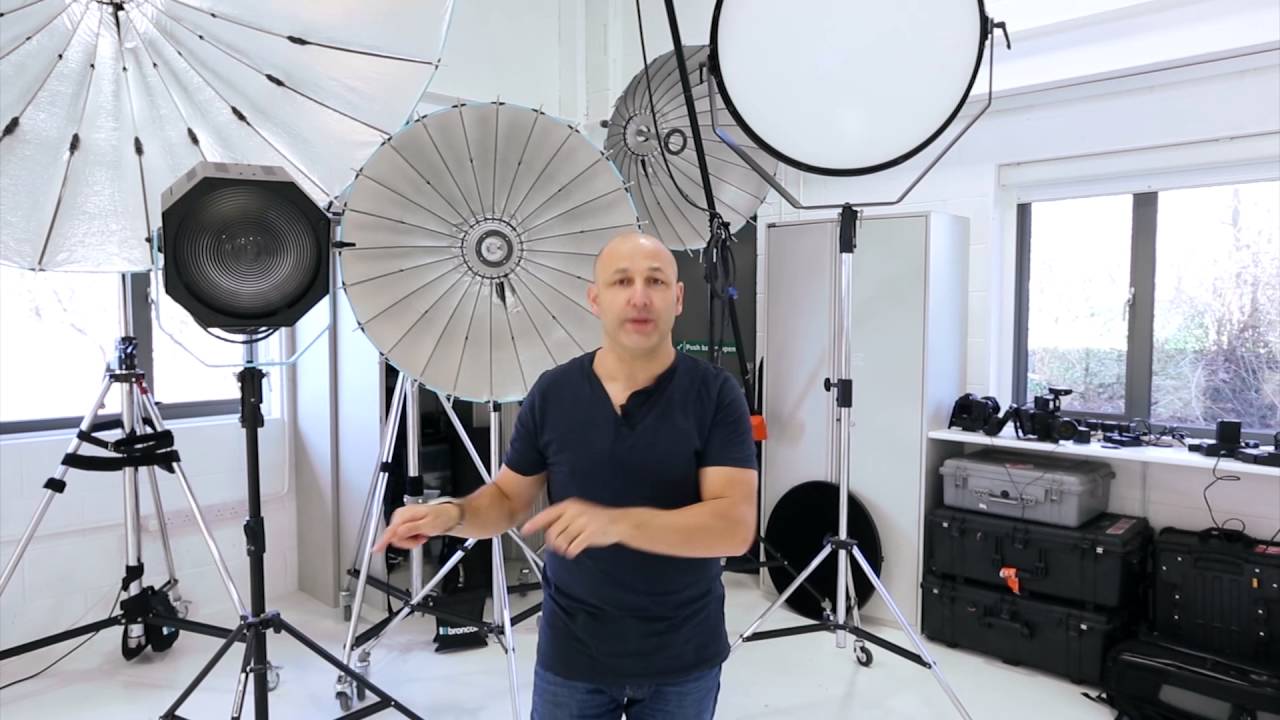
Every few months I get a message from someone asking what they should look for in a photography workshop. My answer has always been the same: look at the space before you look at the curriculum. A bad room with great instruction is still a bad workshop. I learned that the hard way after attending a “professional lighting” seminar held in what was essentially a carpeted conference room with nine-foot ceilings.
Solo Studio vs. Shared Space: How to Make the Right Call Before You Sign a Lease

Solo Studio vs. Shared Space: How to Make the Right Call Before You Sign a Lease

Every photographer I know has had the same conversation with themselves at least once: do I actually need my own studio, or am I romanticizing it? I spent two years renting by the day before I finally committed to a permanent space in Los Angeles, and even then I second-guessed the decision for months. The real question isn’t whether you want a studio. It’s whether the structure of your work actually demands one, and if so, which model fits that structure.

Why I Label Every Light in My Studio (And How It Saved My Workflow)

Why I Label Every Light in My Studio (And How It Saved My Workflow)

The Shoot That Made Me Build a System I walked into my studio last spring to prep for a beauty campaign, three models, six looks, a client rep sitting on the couch with her laptop open. My assistant had moved the strobes the night before for a different job and “put them back.” The key light was two feet off its mark. The fill ratio was completely wrong. The background light was aimed at the ceiling.

How I Build Every Studio Shot Before I Touch a Single Light

How I Build Every Studio Shot Before I Touch a Single Light

Every minute I spend confused on set costs me money. That’s not a metaphor. I shoot for fashion clients and beauty brands that bill studio time by the hour, sometimes with a stylist, an art director, and a model all standing around watching me squint at a histogram. I learned early that confusion is expensive, and that the photographers who look effortless in a studio aren’t guessing. They showed up with a plan.

How to Light a Bottle So It Actually Looks Alive (And Strip It Into Any Shot)

How to Light a Bottle So It Actually Looks Alive (And Strip It Into Any Shot)

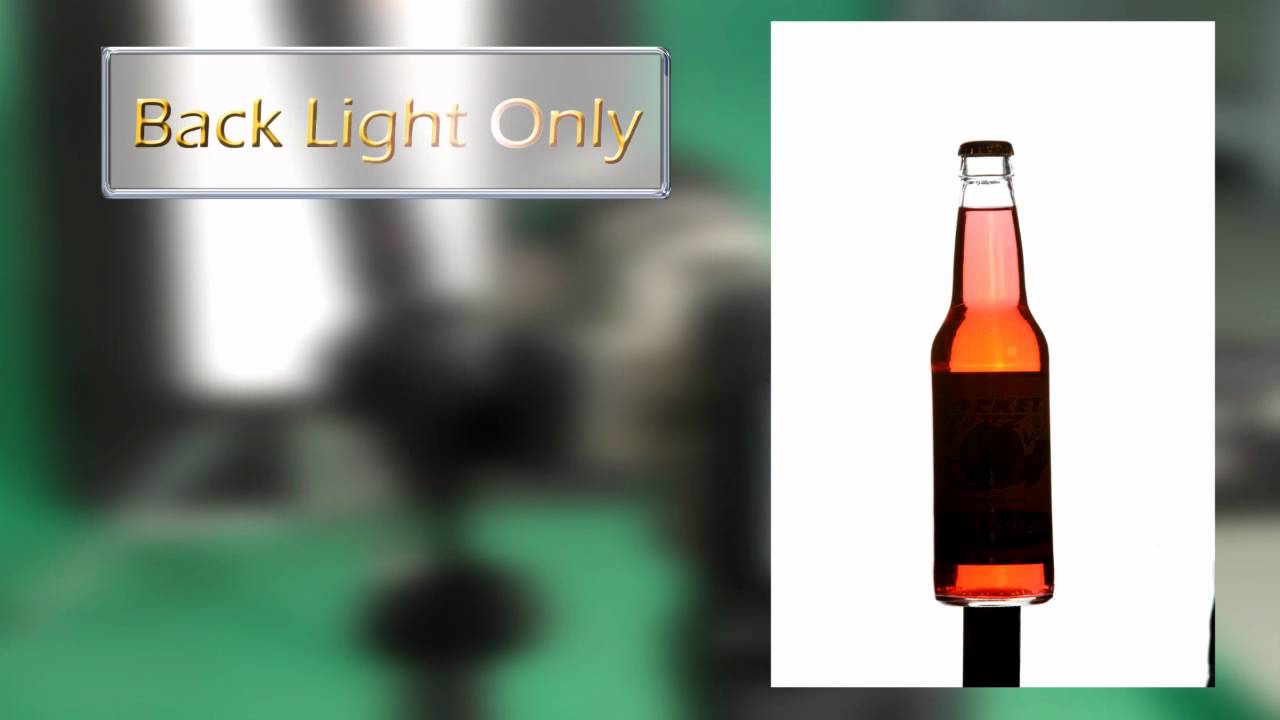
Every few months a client sends me a brief that includes a lifestyle shot with a person holding a product, usually a bottle of some kind, and somewhere in the fine print it says “the product should look great.” It never does. The second a hand wraps around a bottle, you lose control of the light on the glass. The label goes flat, the interior goes dead, and no amount of Photoshop rescues it cleanly.

Building a Custom Car Photography Rig (And What I Learned Studying This Studio Setup)

Building a Custom Car Photography Rig (And What I Learned Studying This Studio Setup)

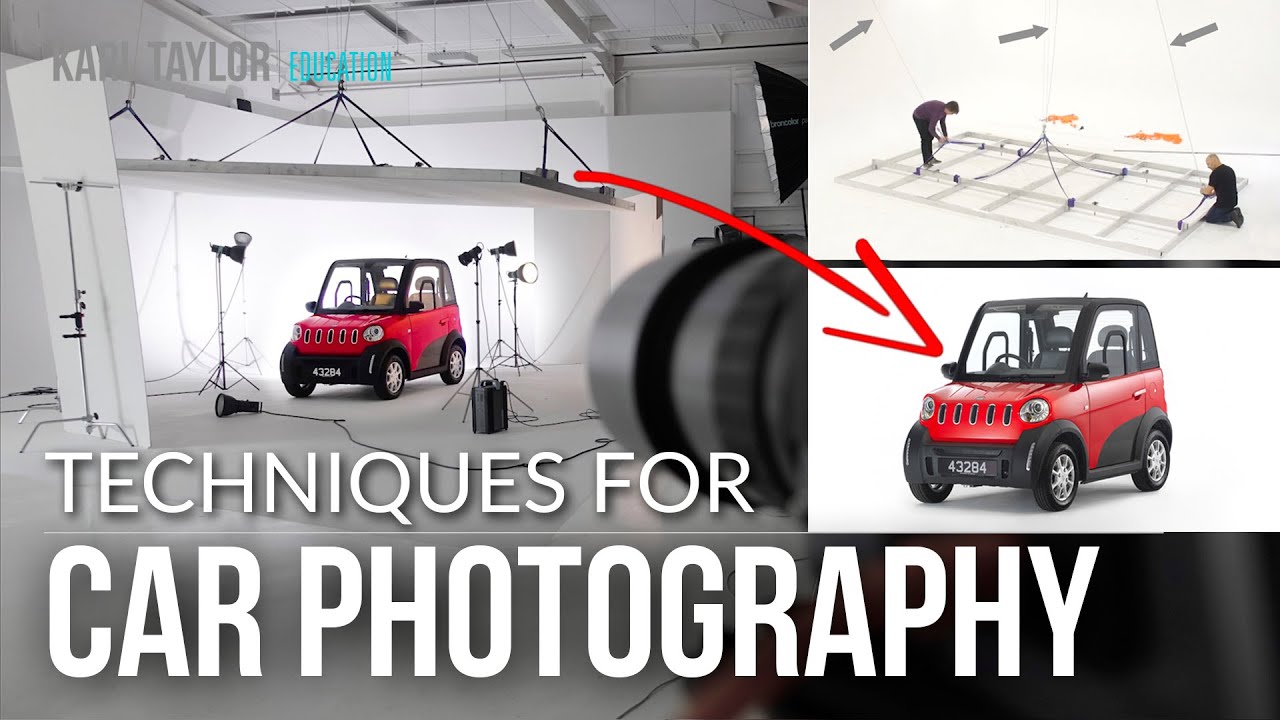
Car photography has always been the discipline that humbles studio photographers. I’ve lit faces, fabric, glass, and food, and none of them prepared me for the first time I tried to light a vehicle. Every surface is a mirror. Every light source you place shows up twice, once where you want it and once where you absolutely don’t. When a client brought me a vintage Porsche two years ago, I spent three hours chasing a reflection across the hood before I got a single frame worth keeping.

Why I've Kept a Lighting Diagram for Every Single Shoot - And Why You Should Too

Why I've Kept a Lighting Diagram for Every Single Shoot - And Why You Should Too

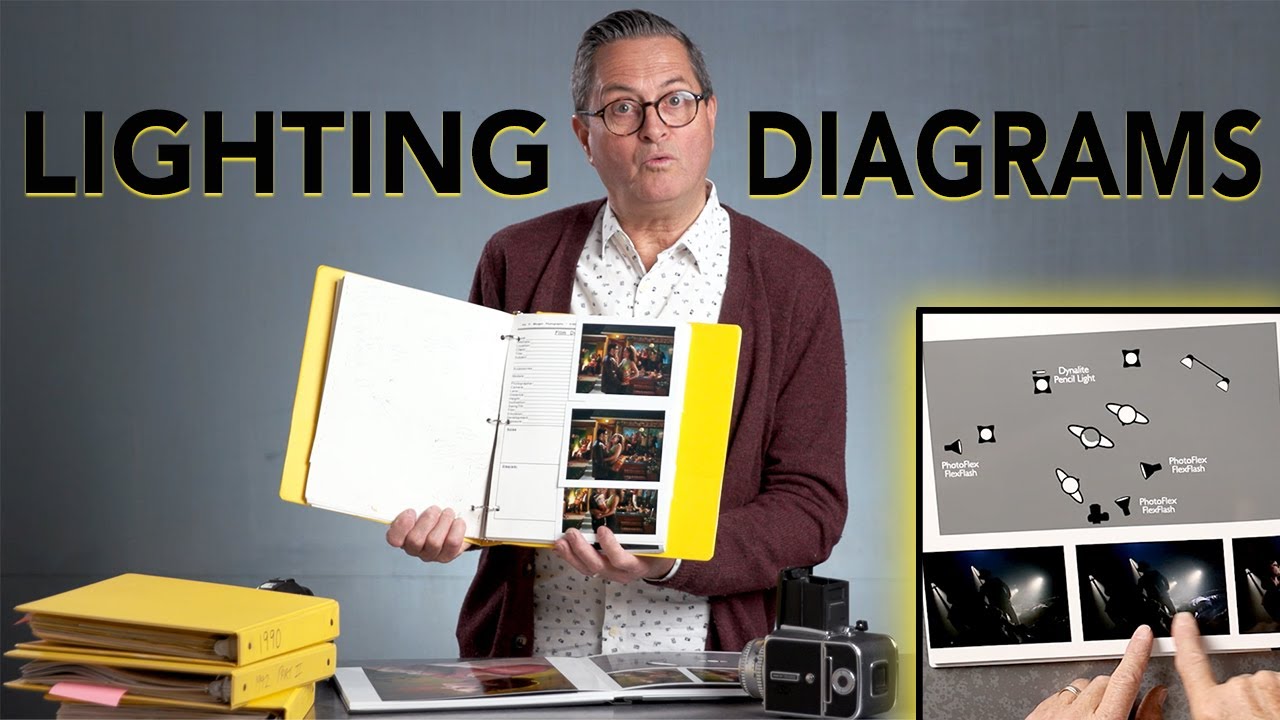
There’s a particular kind of frustration that comes from recreating a setup you know you’ve nailed before - but can’t quite remember how. I’ve stood in my studio staring at a photograph I made two years ago, genuinely unable to reverse-engineer my own work. What modifier was that? Where exactly was the key in relation to the subject? What was the ratio? I’ve lost more time to that guessing game than I care to admit.

How a Working Commercial Photographer Packs, Plans, and Shoots on Location with Six Lights

How a Working Commercial Photographer Packs, Plans, and Shoots on Location with Six Lights

Every location shoot I’ve done in the last decade has started the same way: a mental list that I’m convinced is complete, and a bag that proves otherwise. I’ve arrived at industrial facilities without a trigger, shown up to editorial jobs with dead batteries, and once spent twenty minutes hunting for a support plate while a client watched. The checklist isn’t glamorous, but it’s the difference between a shoot that flows and one that hemorrhages time and money.

Why Your Subject Looks Stiff: The Posing Principles I Use on Every Commercial Shoot

Why Your Subject Looks Stiff: The Posing Principles I Use on Every Commercial Shoot

I had a model in my studio last spring, booked by a beauty brand for a skincare campaign. She had done runway work, catalog shoots, catalog shoots, the whole resume. And she stood in front of my strobe setup like she was waiting for a bus. Shoulders square, weight centered, chin doing absolutely nothing useful. The client was watching on a laptop feed from the couch. I had maybe forty minutes left on the clock.

Why Understanding Materials Is the Real Foundation of Studio Lighting

Why Understanding Materials Is the Real Foundation of Studio Lighting

Every time I walk into a studio with a new product to shoot, the first thing I do is hold it under a bare work light and rotate it slowly. Not to set up a shot. Just to watch. I’m looking at how the surface catches and releases light, where reflections pool, where they scatter, whether the material has any depth to it. I learned to do this after years of jumping straight to the gear and then spending the rest of the session correcting mistakes that should never have happened.

Before You Sign the Lease: What Every Photographer Should Know About Choosing a Studio

Before You Sign the Lease: What Every Photographer Should Know About Choosing a Studio

Every few years I talk to a photographer who signed a lease too fast and spent the next twelve months figuring out how to fill a space that was either too big, too far from clients, or both. I’ve been lucky. I’ve made most of my studio mistakes in small, low-stakes ways rather than expensive ones. But I’ve watched enough colleagues get burned that when I came across this Visual Education tutorial on finding the right photography studio, I paid close attention.

Burn Bars, Big Light, and the Art of Setting a Scene on Fire

Burn Bars, Big Light, and the Art of Setting a Scene on Fire

Fire on set is one of those techniques that separates photographers who shoot commercials from photographers who wish they did. I’ve lit everything from beauty campaigns to corporate portraits, and the question I get least prepared for is always some variation of: “Can we have something burning in the frame?” The answer should be yes, but only if you understand what you’re actually dealing with. Burn bars, which are the industry tool for creating controlled flame effects, are not something you improvise.