Why Studio Photographers Need Reliable Portable Power on Location Shoots

Why Studio Photographers Need Reliable Portable Power on Location Shoots

Why Studio Photographers Need Reliable Portable Power on Location Shoots The moment you step outside your controlled studio environment, power becomes your most critical resource. I’ve learned this lesson repeatedly over the years—nothing derails a shoot faster than a dead battery at the exact moment you need it most. Recently, I spent considerable time evaluating the BLUETTI Elite 400 power station, and I want to share what I discovered about whether it actually solves the power puzzle that location photographers face daily.
Light the Journey, Not Just the Destination: Dramatic Lighting for Moving Characters

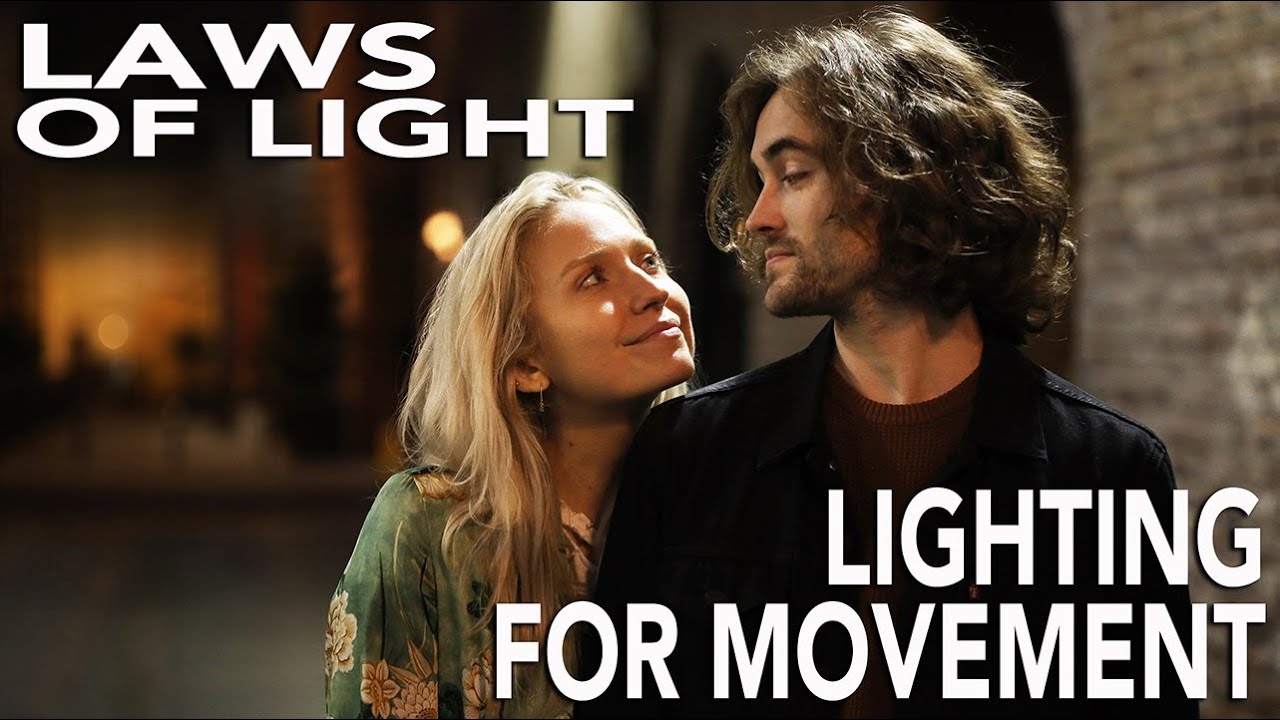
Light the Journey, Not Just the Destination: Dramatic Lighting for Moving Characters

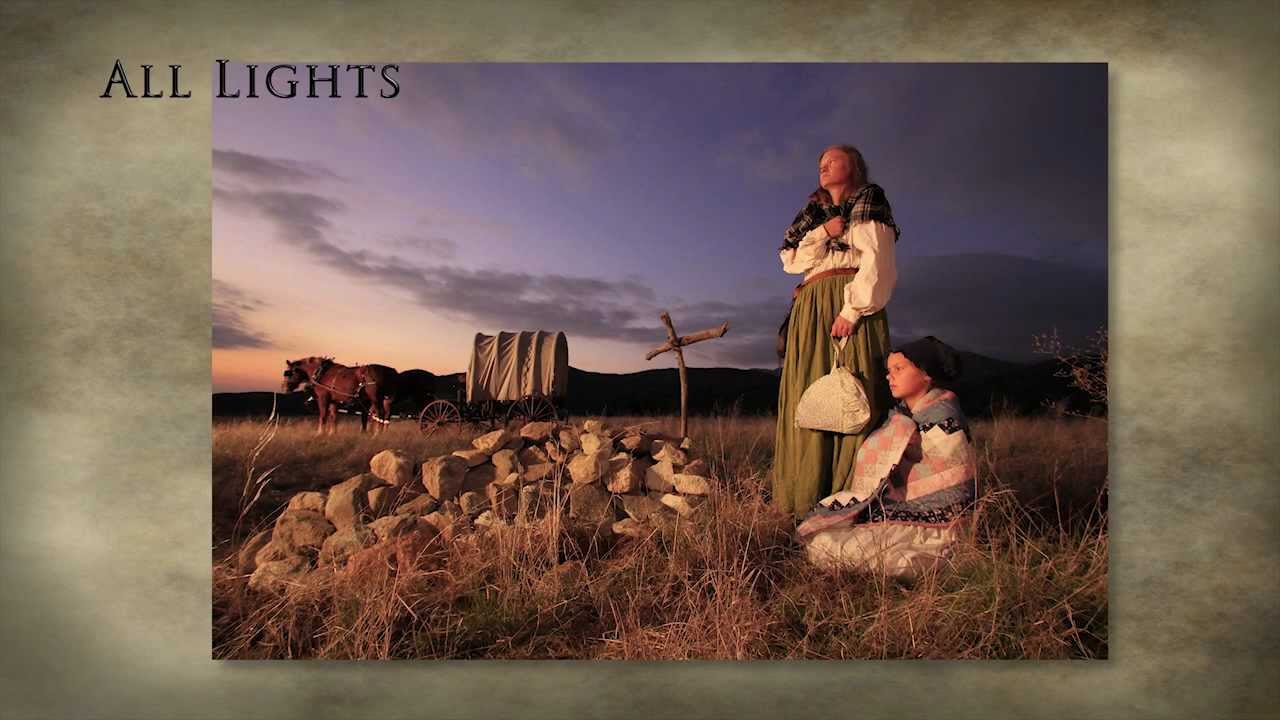
Most of my work happens in a controlled studio where I can tape a light to the floor with painter’s tape and it will be exactly there six hours later. Motion work on location is a different animal entirely. The character is moving through space, the camera is chasing them, and your carefully placed light has about three seconds to do its job before the actor walks out of it. For years I approached this kind of shoot the way I approach a portrait: one key position, fill as needed, done.

Portable Power, Precise Light: A Working Photographer's Breakdown of the Profoto B2 and OCF Modifier System

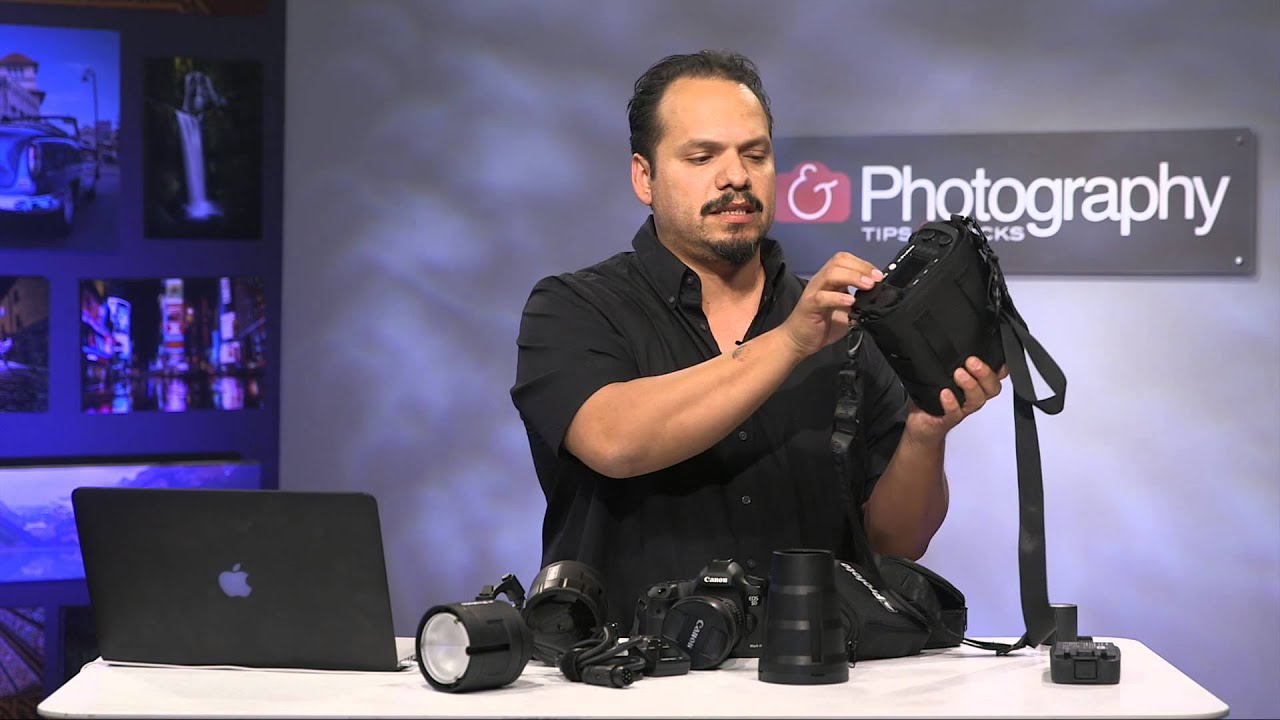
Portable Power, Precise Light: A Working Photographer's Breakdown of the Profoto B2 and OCF Modifier System

Every location shoot I’ve ever done has involved a version of the same negotiation: how much light quality am I willing to sacrifice to get the gear through a door, up a staircase, or into the back of a car? For years, the answer was “more than I’d like.” Studio strobes give you the consistency and power you need, but they’re not exactly grab-and-go. Battery-powered speedlights travel easily but often fall short on light quality and modifier options.

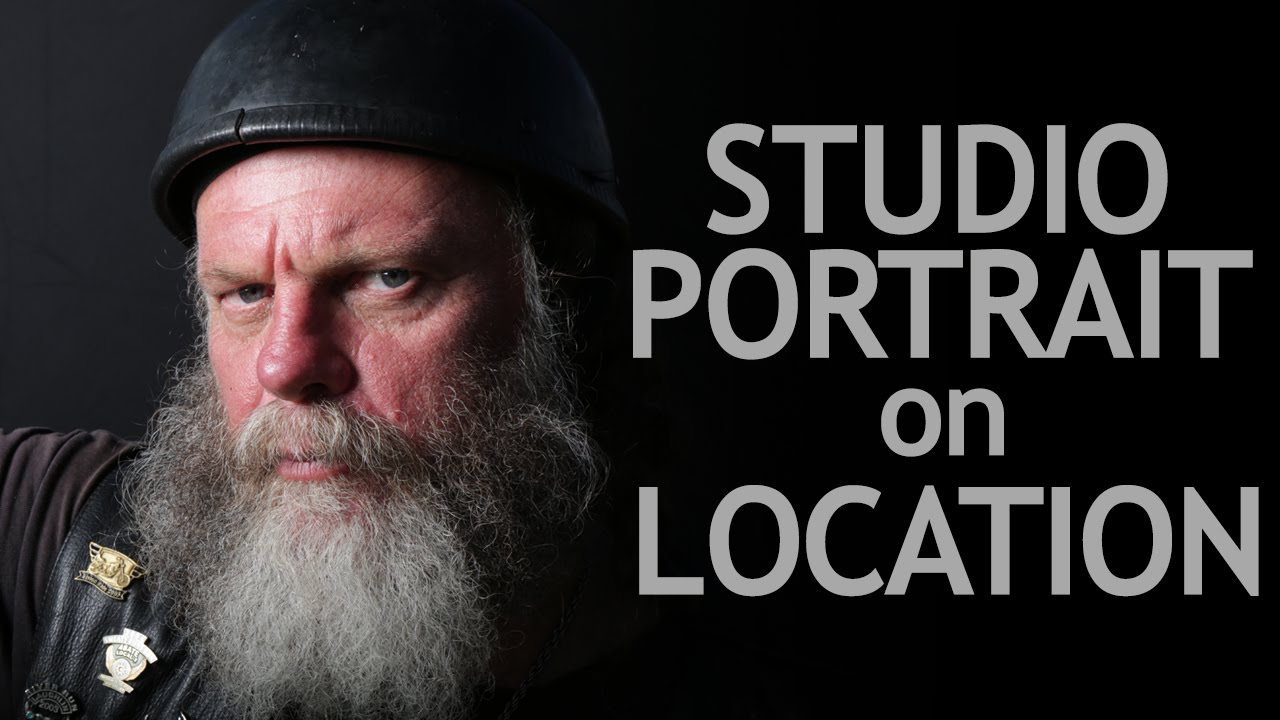
How to Kill Ambient Light and Build a Studio Portrait Anywhere

How to Kill Ambient Light and Build a Studio Portrait Anywhere

There’s a specific kind of panic that hits when a client wants “that clean studio look” and the only location available is a sun-blasted parking lot at noon. I’ve been there more times than I’d like to admit. Over the years I’ve developed my own systems for it, but I keep sending assistants and newer photographers to this particular tutorial because Jay P. Morgan at The Slanted Lens demonstrates the core technique more clearly than I’ve seen it explained anywhere else.

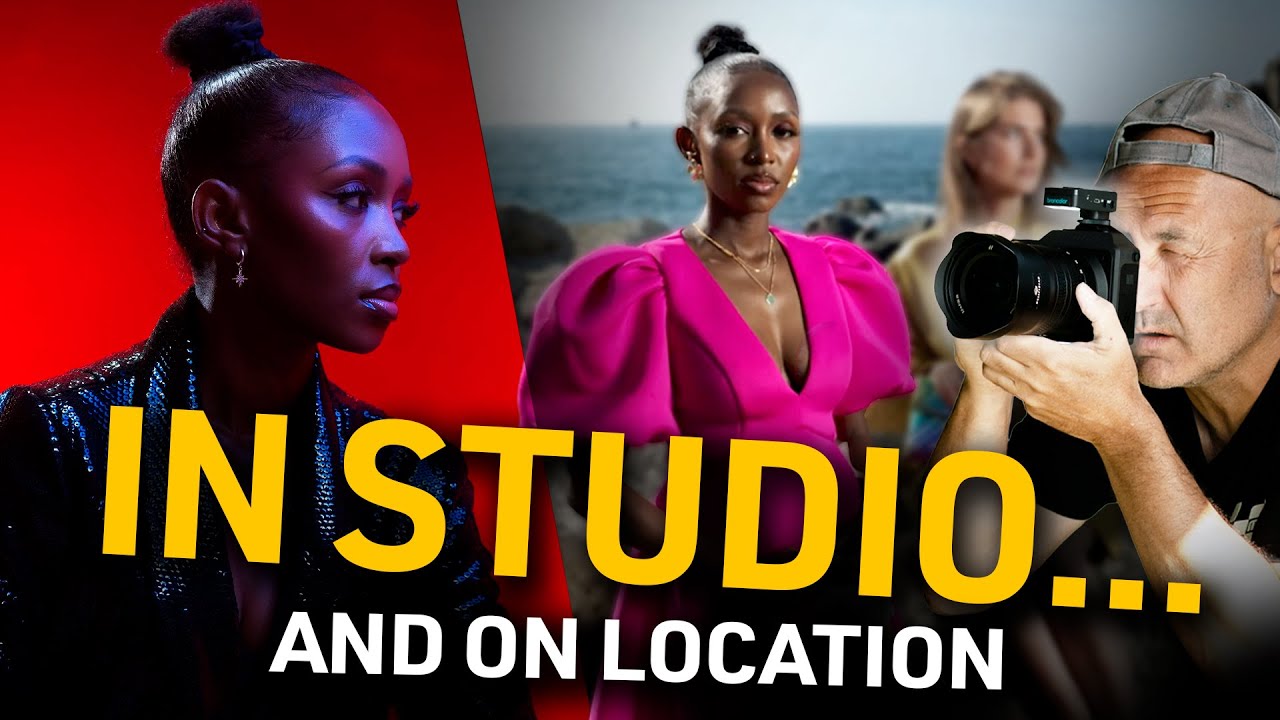
4 Lighting Setups, One Battery-Powered Head: What Karl Taylor's Studio Day Actually Teaches You

4 Lighting Setups, One Battery-Powered Head: What Karl Taylor's Studio Day Actually Teaches You

There’s a question I get from clients more than any other: “Can we do it outside?” And my honest answer used to be “it depends on what we’re fighting.” Direct sun creates shadows I can’t fill without a generator and a grip truck. Flat overcast light kills the drama I need for editorial work. For years, location portraiture felt like a compromise between what the light was doing and what I needed it to do.

Grid Spots in the Field: How to Control Light Coverage and Kill Ugly Backgrounds

Grid Spots in the Field: How to Control Light Coverage and Kill Ugly Backgrounds

Every time I take a strobe outside, someone assumes the hard part is the exposure math. It isn’t. The hard part is containment. A soft box forgives you on location. A grid spot does not. It throws light exactly where you aim it, and nowhere else, which is either a superpower or a liability depending on whether you understand coverage angles before you fire a single frame. I’ve been keeping a lighting journal for years.

How to Read a Location for Light Before You Shoot a Single Frame

How to Read a Location for Light Before You Shoot a Single Frame

Every location shoot I walk into, I do the same thing before I touch a single piece of gear. I stop at the door and I look for the light that’s already there. Not the light I brought. The light that exists. Most photographers I know do the opposite. They walk in with a plan built in the parking lot and spend the next hour trying to force that plan onto a space that doesn’t want it.

How to Light a Subject 100 Feet Long When Your Strobes Are Built for a Studio

How to Light a Subject 100 Feet Long When Your Strobes Are Built for a Studio

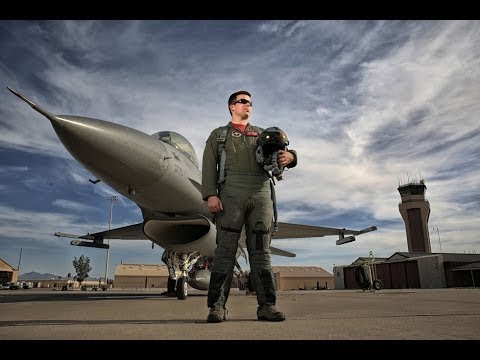
Most of the lighting problems I solve happen within four walls. My studio in Los Angeles is a controlled environment, and I’ve spent years learning how to predict exactly what a modifier will do at a given distance. Then a shoot comes along that strips all of that away, and you remember what lighting fundamentals actually look like when the subject is a 50-foot fighter jet baking on a tarmac at 105 degrees.

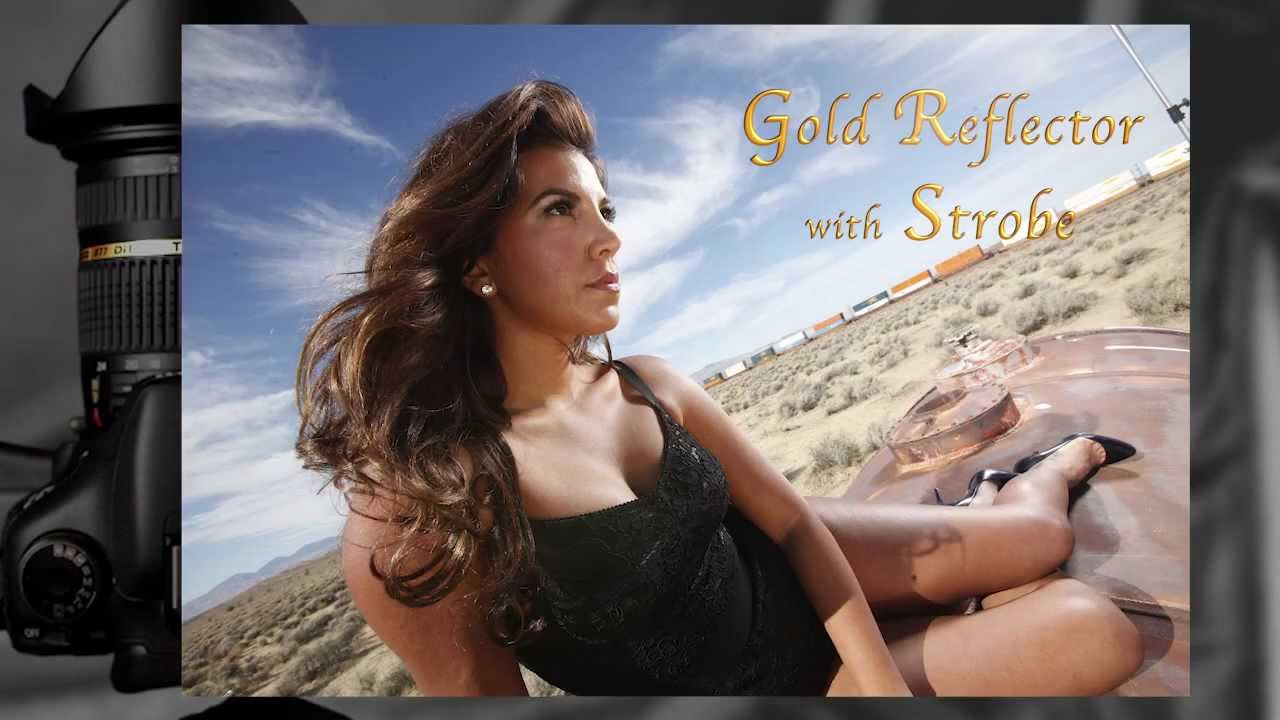
Strobe Plus Reflector: The Two-Light Location Setup That Does the Work of Three

Strobe Plus Reflector: The Two-Light Location Setup That Does the Work of Three

There’s a specific frustration that comes up on almost every outdoor portrait shoot, and if you’ve been doing this long enough, you know exactly what I mean. You meter for the sky, and your subject goes dark. You expose for your subject, and the sky blows out. You’re constantly trading one problem for another, and no amount of reflector-wrangling fully closes the gap. It’s the kind of thing that used to derail my editorial work before I got disciplined about treating ambient and artificial light as two separate, controllable variables rather than one problem to compromise on.

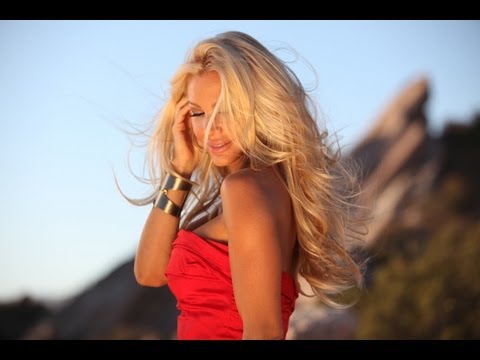
Use Depth of Field as a Design Decision, Not an Afterthought: Lessons from Vasquez Rocks

Use Depth of Field as a Design Decision, Not an Afterthought: Lessons from Vasquez Rocks

Most of my work happens in a controlled studio environment where I can label every light with masking tape, dial in my ratios, and sketch the setup in my lighting journal before I fire a single frame. But location work strips all of that away. The background is whatever it is. The sun moves whether you want it to or not. And if you haven’t thought through how your lens choice and aperture are going to shape the image before you arrive, you end up fighting the environment instead of using it.

How to Hand Off from Natural Light to Strobes Without Losing the Sky

How to Hand Off from Natural Light to Strobes Without Losing the Sky

There is a specific kind of panic that hits when you are on location, the ambient light is dropping faster than you planned, and you still have half your shot list to finish. I have been there more times than I care to count, and for years my solution was either to push ISO until the image fell apart or to pack up and reschedule. Neither option is acceptable when a client is standing next to you.

Two Lights, Thirty Minutes: How to Nail a Corporate Group Shot on Location

Two Lights, Thirty Minutes: How to Nail a Corporate Group Shot on Location

Corporate group shots are the kind of assignment that can quietly ruin your day if you haven’t thought them through. You finish individual portraits, the client is happy, and then someone says “can we get the whole team together?” You have thirty minutes, the background is whatever it is, and six or eight people are about to look at you like you know exactly what you’re doing. I’ve been in that position more times than I want to count, and my early attempts at group work were embarrassing.