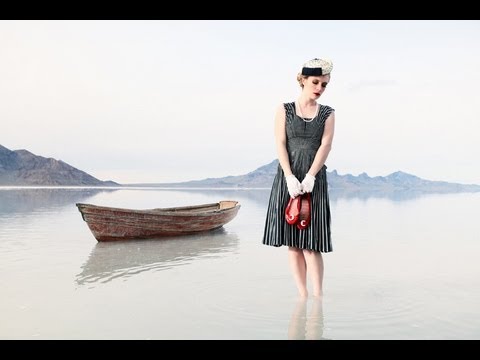
How to Blend Strobes With Daylight Without Making Your Shot Look Like a Lighting Test

How to Blend Strobes With Daylight Without Making Your Shot Look Like a Lighting Test

Shooting on location in bright daylight is where a lot of photographers quietly abandon their strobes. The ambient is overpowering, the math feels backwards, and half the time you fire your flash and can’t even tell it’s doing anything. I’ve been there. I’ve also stood on a sun-baked location with a client waiting and a strobe that might as well have been a paperweight for all I could see it contributing.
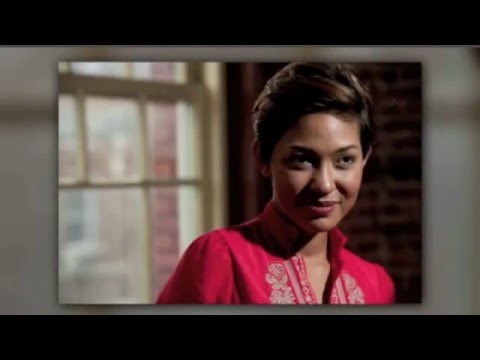
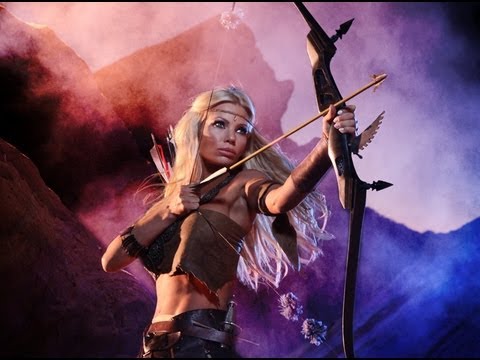
On-Camera Flash Is Lying to You: A Step-by-Step Off-Camera Breakdown

On-Camera Flash Is Lying to You: A Step-by-Step Off-Camera Breakdown

Every working photographer I know has a version of this story. You show up to a location job, the light is complicated, and you reach for the obvious solution: pop the flash on the hot shoe and fire away. The results look exactly like what they are. Flat, harsh, clinical. A face lit like a police booking photo. I’ve been shooting commercially for long enough that I rarely make that mistake anymore, but I still find value in watching someone demonstrate the progression from worst to best in a single controlled setup.

Location Photography That Doesn't Look Like a Guess: Lessons from Vasquez Rocks

Location Photography That Doesn't Look Like a Guess: Lessons from Vasquez Rocks

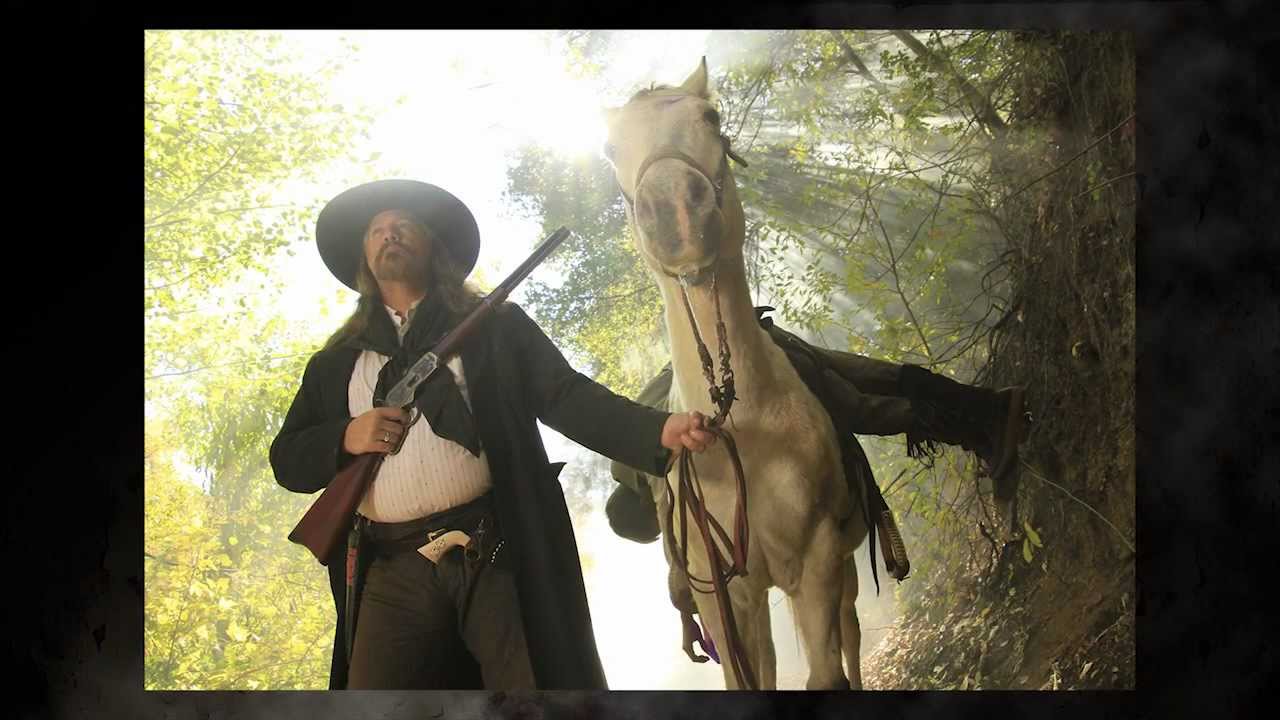
Most of my work happens in a controlled environment. I have my lights labeled, my power drops mapped, and a lighting diagram sketched before the talent ever walks through the door. Location work strips all of that away. No ceiling to bounce from, no dedicated circuit, no ability to predict exactly where the sun will be unless you’ve done the homework ahead of time. That gap between studio comfort and location reality has burned me before, and it’s why I keep returning to tutorials from photographers who clearly approach location work with the same systematic thinking I try to bring to the studio.

Using Smoke as a Lighting Tool: What I Learned From The Slanted Lens

Using Smoke as a Lighting Tool: What I Learned From The Slanted Lens

Smoke is one of those tools I kept seeing in other photographers’ work and assuming required either a massive production budget or a lucky day with natural fog. Neither is true. What it actually requires is a fog machine, a little DIY ducting, and a clear understanding of where your light needs to be relative to the smoke. I’ve sketched more than a few smoke setups in my lighting journal over the years, but I never felt like I had a reliable, repeatable system until I watched JP Morgan work through the problem on camera.

Two Lights, One Giant Ship: What This Night Shoot Teaches About Lighting Any Large Space

Two Lights, One Giant Ship: What This Night Shoot Teaches About Lighting Any Large Space

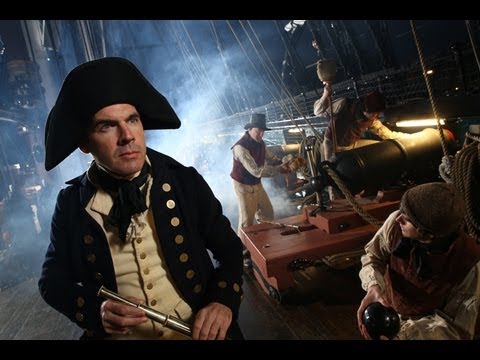
I keep a lighting journal. Every shoot gets a sketch - light positions, modifiers, power settings, distance from subject. It started as a habit and turned into about a dozen notebooks. I bring this up because the setups that fill the most pages are not the ones shot in controlled studio environments. They are the ones shot in large, dark, unpredictable spaces where ambient light is working against you and you have to manufacture every meaningful highlight yourself.

Two Lights, One Groom: A Location Flash Setup That Actually Works

Two Lights, One Groom: A Location Flash Setup That Actually Works

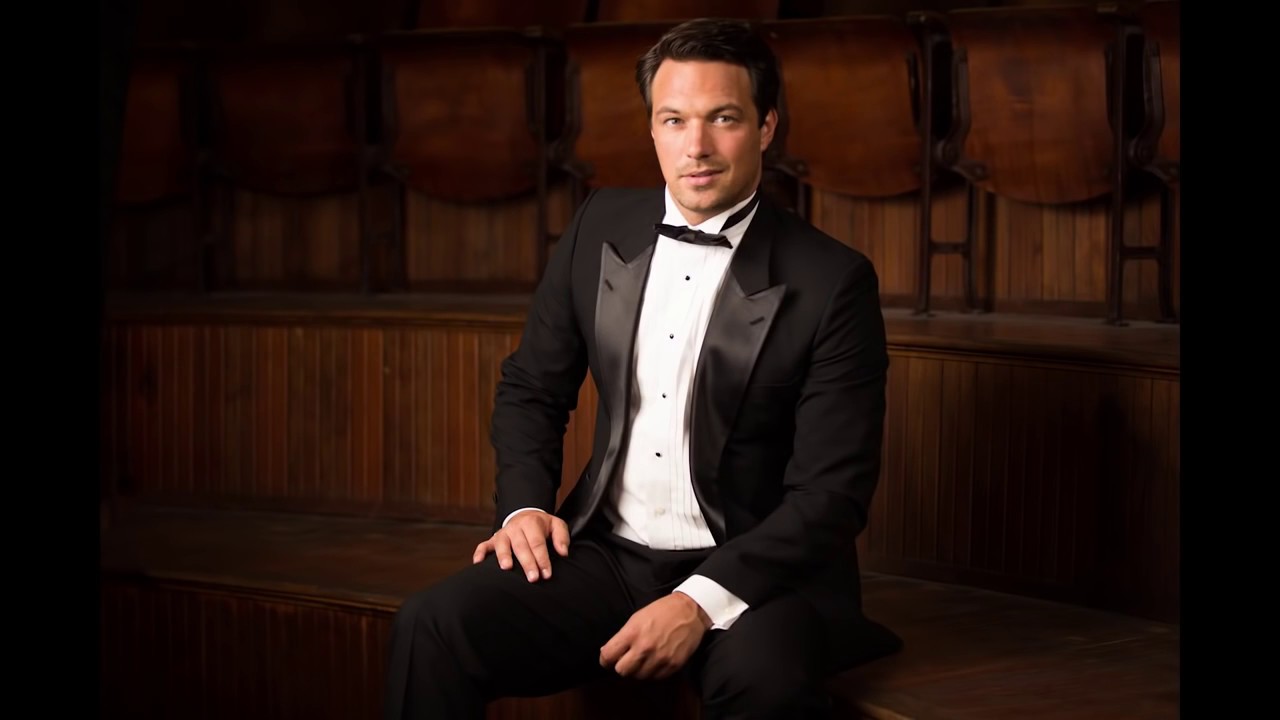
Wedding formals have a reputation for being the part of the day where photographers go through the motions. Lined up, lit flat, done. I’ve been guilty of it myself, especially on location where you’re fighting unfamiliar rooms, low ambient light, and a groom who’d rather be anywhere else. The challenge isn’t the flash, it’s building a setup quickly that still looks intentional. When I came across this KelbyOne tutorial on lighting a groom on location with flash, I recognized a working shooter’s approach immediately.

How to Balance Strobe Lights Against an Evening Sky (A Real-World Breakdown)

How to Balance Strobe Lights Against an Evening Sky (A Real-World Breakdown)

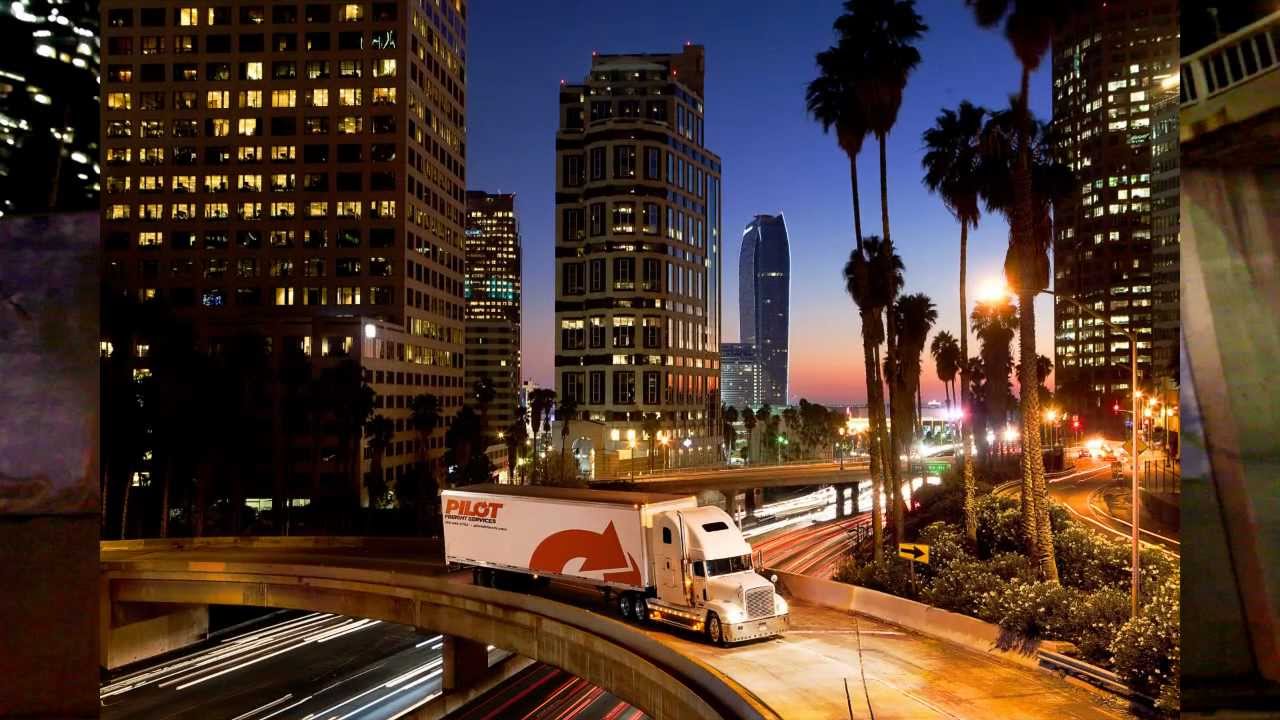
There is a narrow window at dusk, maybe twenty minutes on a good night, where the ambient light from a city and the last color in the sky exist at roughly the same exposure level. If you have a subject to light in that window, you can create something that looks genuinely cinematic. Miss it by fifteen minutes in either direction and you’re either fighting the sun or shooting in the dark.

Four Lights, Fifteen People, One Conference Room: What This Corporate Portrait Tutorial Gets Right

Four Lights, Fifteen People, One Conference Room: What This Corporate Portrait Tutorial Gets Right

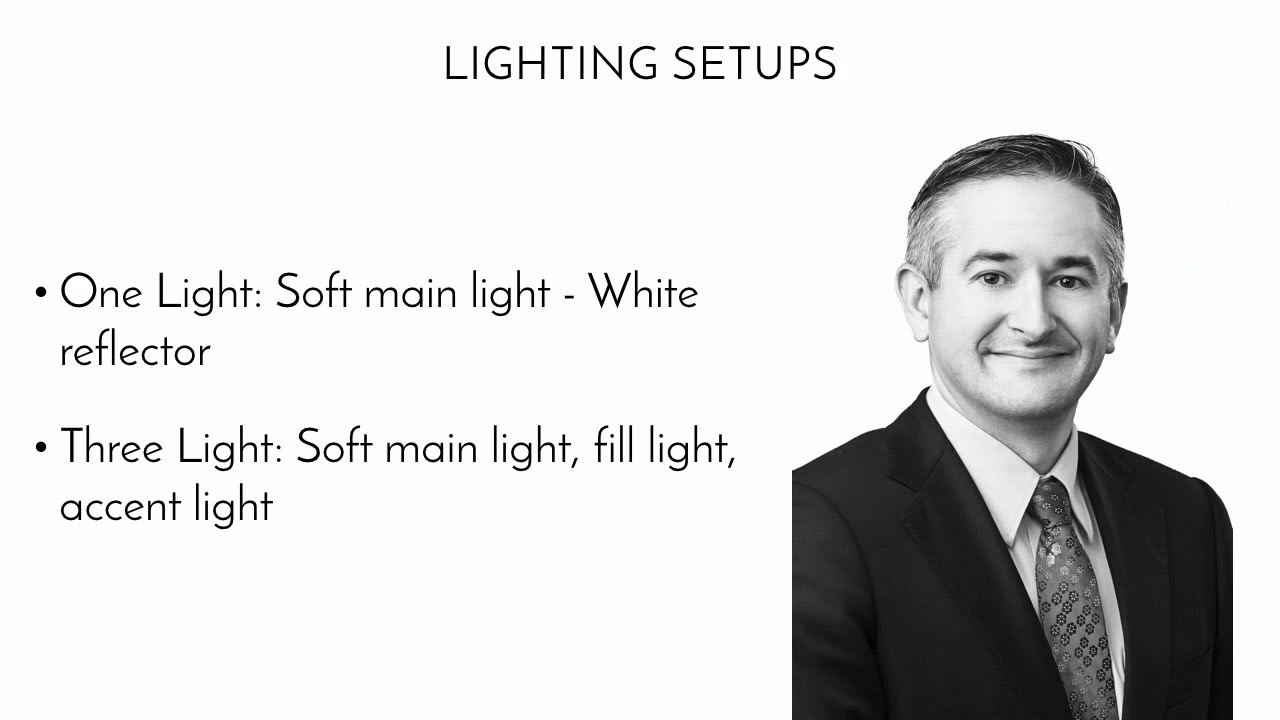
Corporate portrait days are brutal in the best possible way. You show up to an unfamiliar room, you have maybe twenty minutes per person, and someone always walks in wearing a bright white shirt when you’ve spent the last hour optimizing for dark fabric. I’ve done enough of these to know that the difference between a smooth shoot and a chaotic one is almost entirely in the prep. So when I came across Watch the full tutorial on YouTube from The Slanted Lens, I sat up a little straighter.

How to Light a Chaotic On-Location Scene Without Losing Control of Your Exposure

How to Light a Chaotic On-Location Scene Without Losing Control of Your Exposure

On-location commercial work has a way of humbling you fast. You walk into a space with existing architecture, ambient light you didn’t design, and a client who wants something that looks like it was built in a controlled studio. The gap between those two realities is where most photographers either rise or fall. I’ve been on enough sets to know that the shoots that look the most effortless are usually the ones with the most lights, the most planning, and the most tape holding things together behind the scenes.

How a Working Commercial Photographer Packs, Plans, and Shoots on Location with Six Lights

How a Working Commercial Photographer Packs, Plans, and Shoots on Location with Six Lights

Every location shoot I’ve done in the last decade has started the same way: a mental list that I’m convinced is complete, and a bag that proves otherwise. I’ve arrived at industrial facilities without a trigger, shown up to editorial jobs with dead batteries, and once spent twenty minutes hunting for a support plate while a client watched. The checklist isn’t glamorous, but it’s the difference between a shoot that flows and one that hemorrhages time and money.

What's Actually In My Location Lighting Kit (And Why I Pack Four Lights for a Three-Light Job)

What's Actually In My Location Lighting Kit (And Why I Pack Four Lights for a Three-Light Job)

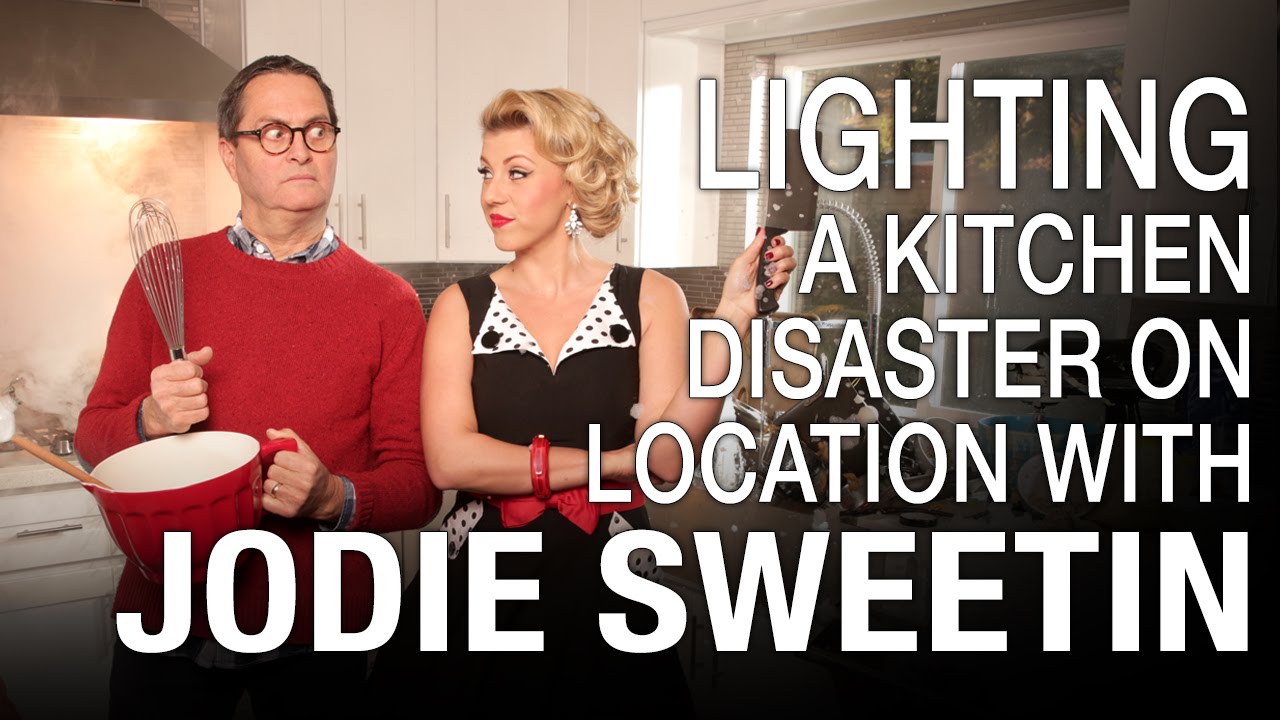
Location shoots have a way of exposing every gap in your preparation. You show up to a corporate office expecting a clean, accessible space and find yourself in a conference room with one outlet behind a filing cabinet and fluorescent overheads that can’t be turned off. That’s not a hypothetical. That’s a Tuesday. Over the years I’ve refined my kit down to a set of tools that lets me walk into almost any location and build a controlled, repeatable portrait setup without hunting for extension cords or improvising around whatever the building offers me.

Taking the Octodome Outside: A Location Lighting Breakdown from Sand to Fire

Taking the Octodome Outside: A Location Lighting Breakdown from Sand to Fire

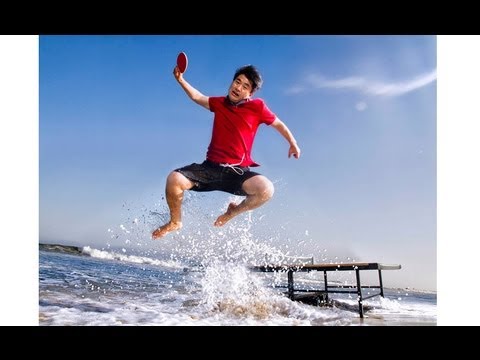
Every time I take strobes outside, I’m reminded that natural light is not your friend — it’s a variable you have to negotiate with. The sun moves, clouds shift, and the beautiful golden hour you planned around disappears in about twelve minutes. What I always come back to is having a system: know where your ambient is coming from, decide how to use it, then build your artificial light around that decision.