Sync or Swim: How to Connect Your Strobes to Your Camera (Three Methods, Ranked by a Working Pro)

Sync or Swim: How to Connect Your Strobes to Your Camera (Three Methods, Ranked by a Working Pro)

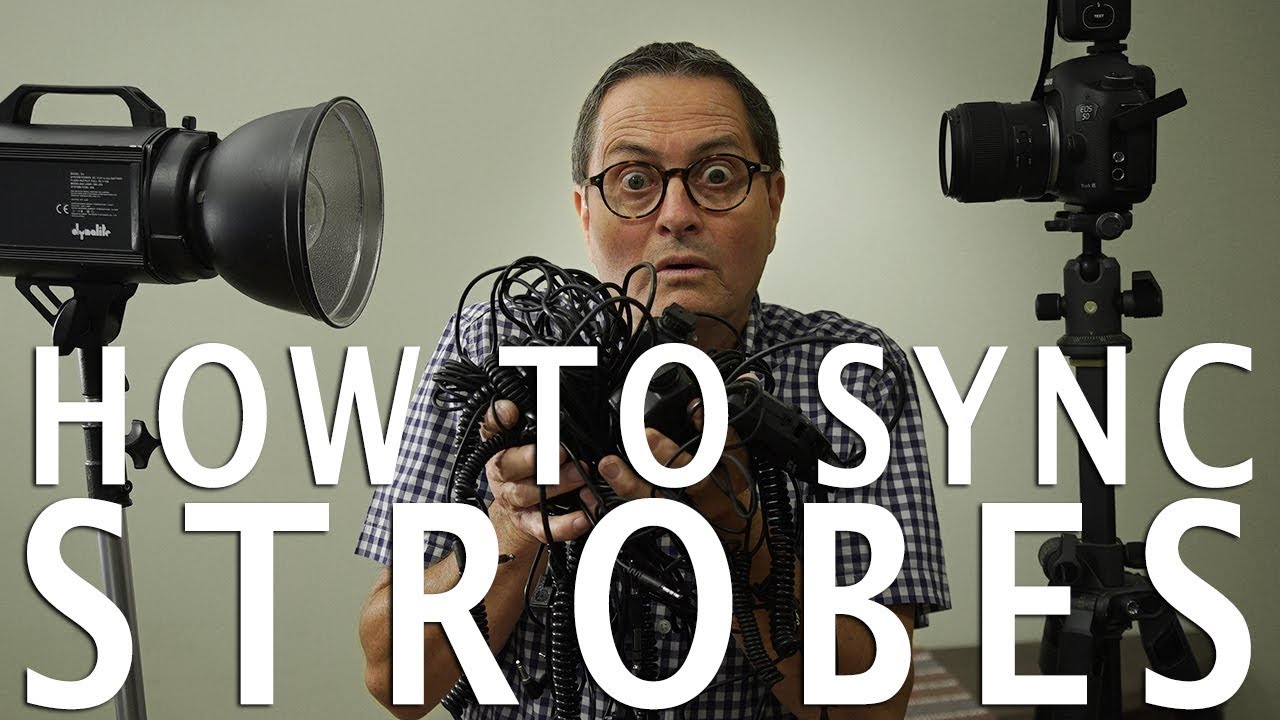
Every working studio photographer has a story about the shoot where their lights refused to cooperate. Mine involved a fashion client, three Profoto heads, and a radio trigger with a dying battery I hadn’t checked. The strobes fired maybe one frame in five. I smiled through it, shot tethered so the client could see something on the laptop, and fixed it in the next lighting setup. What I needed that day wasn’t more gear knowledge – I needed a cleaner mental framework for understanding how sync actually works and what to reach for when things go sideways.


Taking the Octodome Outside: A Location Lighting Breakdown from Sand to Fire

Taking the Octodome Outside: A Location Lighting Breakdown from Sand to Fire

Every time I take strobes outside, I’m reminded that natural light is not your friend — it’s a variable you have to negotiate with. The sun moves, clouds shift, and the beautiful golden hour you planned around disappears in about twelve minutes. What I always come back to is having a system: know where your ambient is coming from, decide how to use it, then build your artificial light around that decision.

How to Kill Ambient Light and Build a Studio Portrait Anywhere

How to Kill Ambient Light and Build a Studio Portrait Anywhere

There’s a specific kind of panic that hits when a client wants “that clean studio look” and the only location available is a sun-blasted parking lot at noon. I’ve been there more times than I’d like to admit. Over the years I’ve developed my own systems for it, but I keep sending assistants and newer photographers to this particular tutorial because Jay P. Morgan at The Slanted Lens demonstrates the core technique more clearly than I’ve seen it explained anywhere else.

Use Your Camera as a Light Meter: A Step-by-Step Guide to Mixing Ambient and Strobe

Use Your Camera as a Light Meter: A Step-by-Step Guide to Mixing Ambient and Strobe

There is a specific kind of shoot that exposes every gap in your lighting knowledge: outdoor portraits at dusk, fire performers, neon-lit alleys, any situation where the ambient light is already doing something interesting and you need a strobe to fill without killing the mood. I have shown up to those shoots confident and left with frames that looked flat, plasticky, and wrong. The problem was never the strobe power. It was that I was guessing at my ambient exposure instead of measuring it deliberately, then layering the flash on top of a shaky foundation.

One Light, Done Right: How a Single Strobe Can Outperform a Rack Full of Gear

One Light, Done Right: How a Single Strobe Can Outperform a Rack Full of Gear

The Setup That Made Me Rethink Everything I Owned A few years ago I was prepping for a beauty editorial, three lights rigged, a fourth on standby, and my assistant staring at me like I was building a spaceship. We lost power to two of the heads mid-session. Faulty cable, bad timing, real problem. I could have packed up. Instead, I flagged the remaining light, moved it six inches to camera left, and kept shooting.

Strobe Recycle Rates Are Killing Your Shots (And You Might Not Even Know It)

Strobe Recycle Rates Are Killing Your Shots (And You Might Not Even Know It)

There’s a specific kind of frustration that doesn’t show up until you’re mid-shoot and the moment you needed is already gone. You fire, the light didn’t recycle, and the frame that comes back is either dark or flat. You assume you missed the pose. You ask your subject to reset. You try again. But the real problem isn’t the pose — it’s that your strobe couldn’t keep up with you. I’ve watched this happen to photographers who are technically solid, compositionally sharp, and still walking away from shoots with nothing usable because their gear had a ceiling they didn’t know about.

How to Fight Bad Sunlight With a Strobe and Win: A Field Guide to Balancing Ambient and Flash

How to Fight Bad Sunlight With a Strobe and Win: A Field Guide to Balancing Ambient and Flash

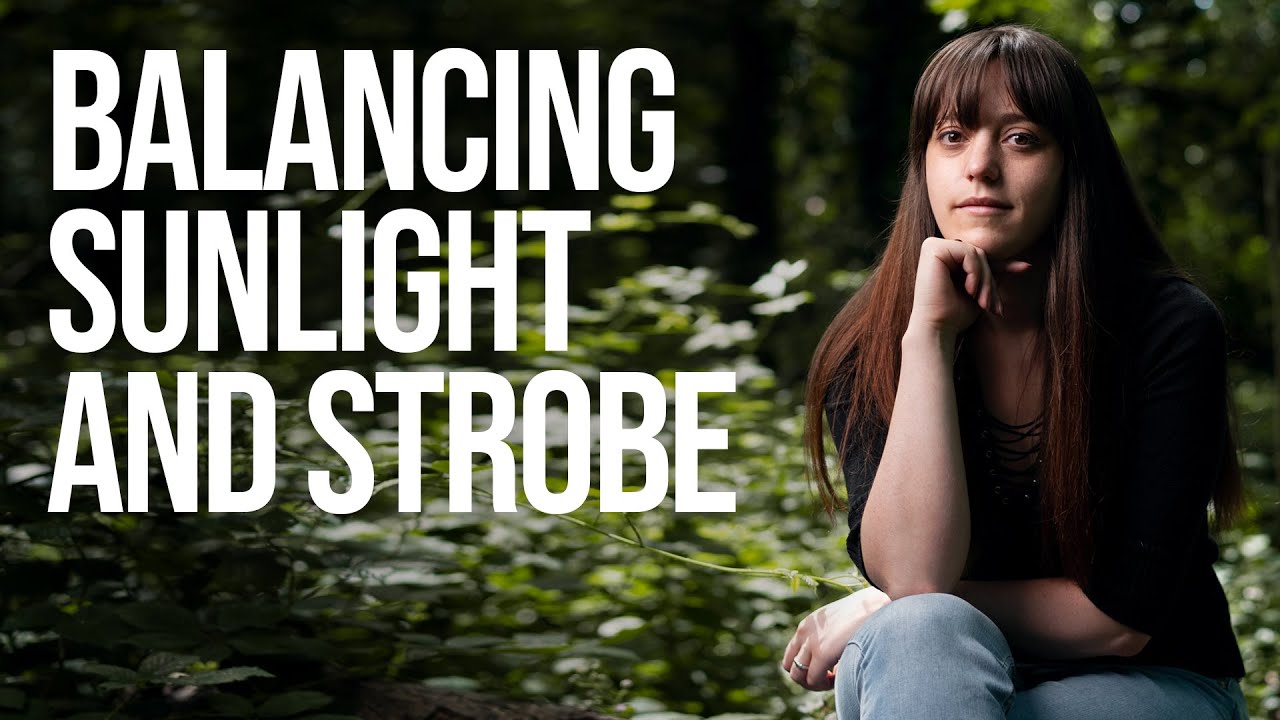
Environmental portraits are where the real money lives, at least in my world. Fashion clients want context. Corporate clients want their executives to look like they actually inhabit their industry. Nobody wants a gray seamless when they could have a story. The problem is that the world does not cooperate with your light meter. You show up on location and the sun is directly overhead, the shadows are brutal, and your subject’s face looks like a police lineup photo.

Your First Strobe Kit: How to Understand Channels, Groups, and Flash Duration Before You Shoot

Your First Strobe Kit: How to Understand Channels, Groups, and Flash Duration Before You Shoot

Every photographer I mentor hits the same wall. They’ve saved up, bought a lighting kit, unboxed everything onto their kitchen table, and then just stared at it. Not because they’re lazy. Because nobody told them what any of the buttons actually mean in practical terms. I still remember taping a note to my first monolight that said “the dial goes LEFT for less power” because I kept second-guessing myself mid-shoot. The fundamentals matter, and getting them wrong on set is expensive.

How to Light a Subject 100 Feet Long When Your Strobes Are Built for a Studio

How to Light a Subject 100 Feet Long When Your Strobes Are Built for a Studio

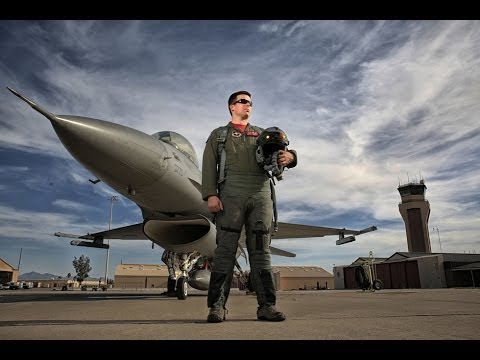
Most of the lighting problems I solve happen within four walls. My studio in Los Angeles is a controlled environment, and I’ve spent years learning how to predict exactly what a modifier will do at a given distance. Then a shoot comes along that strips all of that away, and you remember what lighting fundamentals actually look like when the subject is a 50-foot fighter jet baking on a tarmac at 105 degrees.

Strobe Plus Reflector: The Two-Light Location Setup That Does the Work of Three

Strobe Plus Reflector: The Two-Light Location Setup That Does the Work of Three

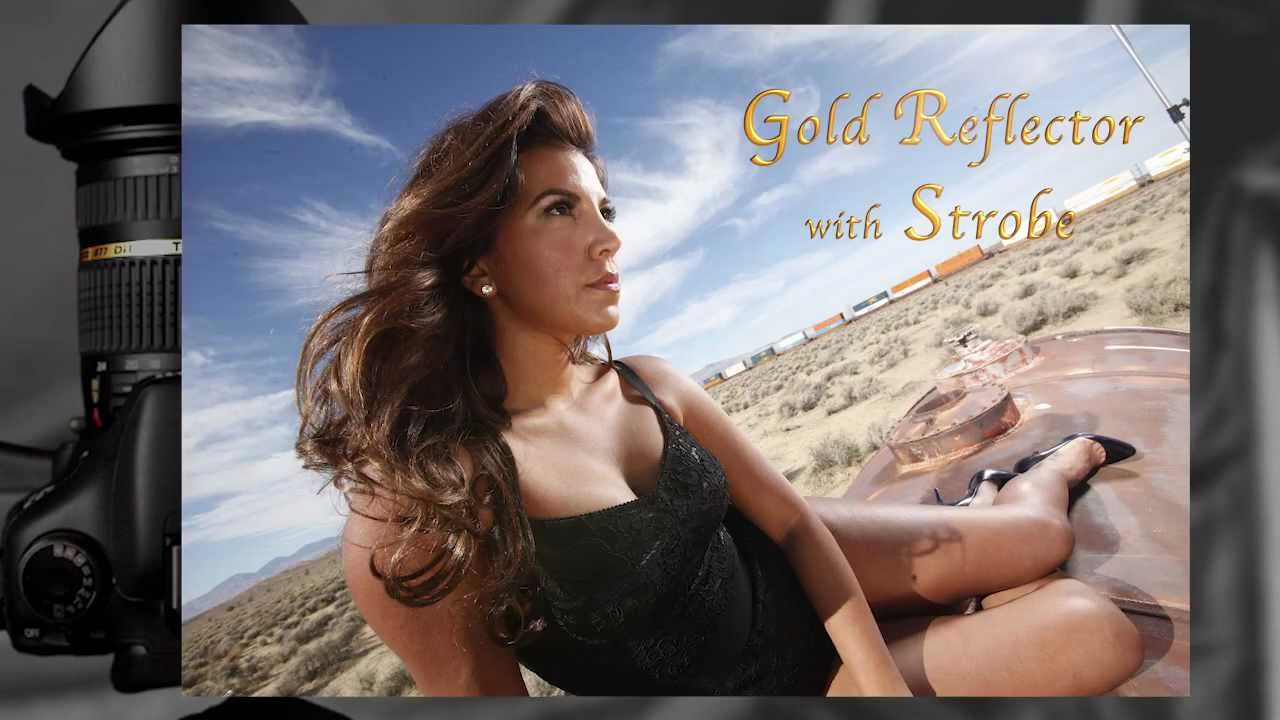
There’s a specific frustration that comes up on almost every outdoor portrait shoot, and if you’ve been doing this long enough, you know exactly what I mean. You meter for the sky, and your subject goes dark. You expose for your subject, and the sky blows out. You’re constantly trading one problem for another, and no amount of reflector-wrangling fully closes the gap. It’s the kind of thing that used to derail my editorial work before I got disciplined about treating ambient and artificial light as two separate, controllable variables rather than one problem to compromise on.

How to Make Strobe Lighting Look Like It Actually Belongs in the Scene

How to Make Strobe Lighting Look Like It Actually Belongs in the Scene

I’ve shot enough location work to know that “it looks strobe lit” is one of the worst things a client can say about a finished image. The subject is sharp, the exposure is right, and somehow the whole thing still looks fake. The light sits on top of the scene instead of inside it. For years I treated this as an ambient light problem, something to fix in post or avoid by shooting faster at dusk.

Use Depth of Field as a Design Decision, Not an Afterthought: Lessons from Vasquez Rocks

Use Depth of Field as a Design Decision, Not an Afterthought: Lessons from Vasquez Rocks

Most of my work happens in a controlled studio environment where I can label every light with masking tape, dial in my ratios, and sketch the setup in my lighting journal before I fire a single frame. But location work strips all of that away. The background is whatever it is. The sun moves whether you want it to or not. And if you haven’t thought through how your lens choice and aperture are going to shape the image before you arrive, you end up fighting the environment instead of using it.