The Four Lighting Patterns Every Studio Photographer Must Master

The Four Lighting Patterns Every Studio Photographer Must Master

In this excellent tutorial, Joel Grimes breaks down the intimidating world of studio portrait lighting into four manageable, repeatable patterns. If you’ve ever felt overwhelmed by the complexity of studio work, this is exactly where you need to start. I’ve been lighting portraits for fifteen years, and I can tell you with absolute certainty: these four patterns are the foundation of professional photography. Master them, and you’ll immediately understand why your portraits suddenly look like they belong in a portfolio instead of on Instagram.

Rim Lighting: The Technique That Separates Amateurs From Professionals

Rim Lighting: The Technique That Separates Amateurs From Professionals

What Rim Lighting Actually Does Rim lighting isn’t decorative—it’s functional. When placed correctly, a rim light creates a bright edge along your subject’s outline, separating them from the background and adding three-dimensional depth to flat studio environments. I’ve watched photographers obsess over key lights and fill ratios while ignoring this critical tool. That’s a mistake. The rim light accomplishes three things: it defines edges (especially hair), it creates visual separation between subject and background, and it adds a professional polish that clients immediately notice, even if they can’t articulate why.

Rim Lighting: The Essential Technique for Separation and Dimension

Rim Lighting: The Essential Technique for Separation and Dimension

Rim Lighting: The Essential Technique for Separation and Dimension I’ve used rim lighting in roughly 70% of my studio work over the past fifteen years, and I’m not exaggerating when I say it’s transformed how my subjects read in frame. A rim light—also called a backlight or hair light—is a dedicated light source positioned behind your subject to create a glowing outline that separates them from the background. Done correctly, it’s invisible to the casual viewer but absolutely critical to the overall image.

Rim Lighting: Adding Drama and Separation

Rim Lighting: Adding Drama and Separation

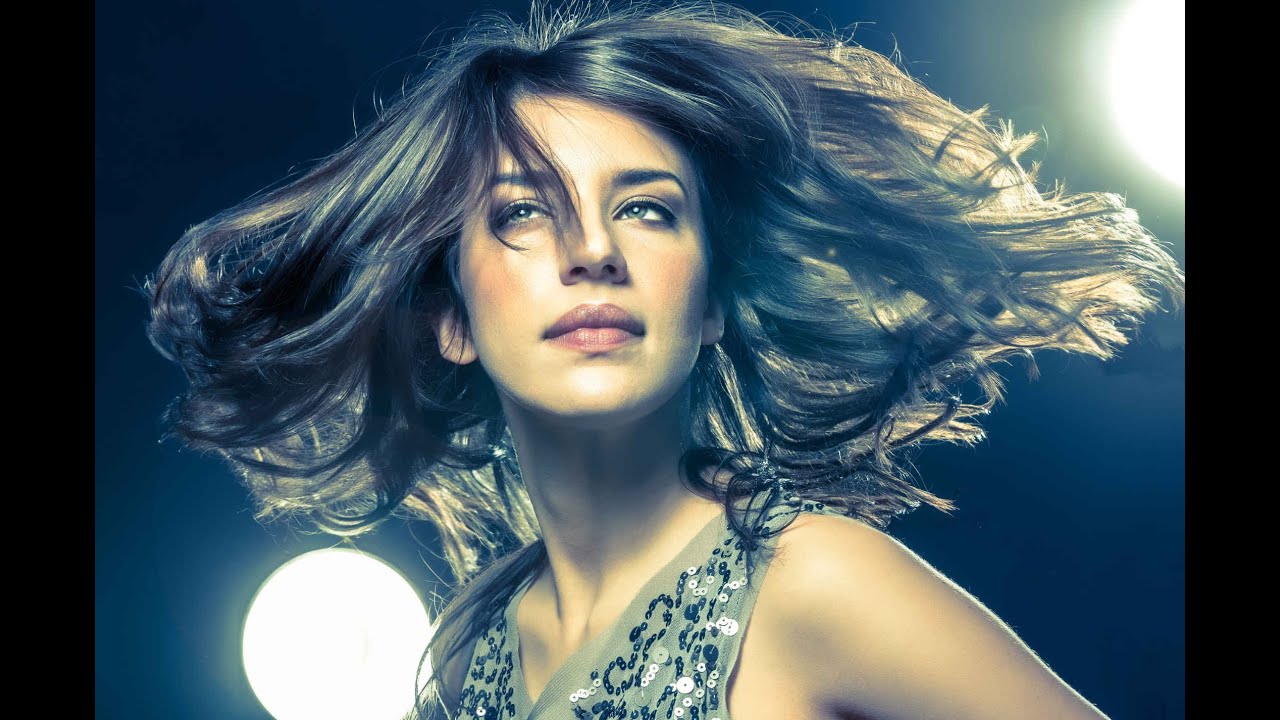
Rim lighting — a light positioned behind the subject that creates a bright outline along their edges — is one of the most dramatic tools in portrait photography. That bright edge separates the subject from the background, adds a three-dimensional quality that flat lighting can’t achieve, and creates an immediate sense of production value. What Rim Lighting Does When a light source is positioned behind and slightly above a subject, it skims across the edges of their hair, shoulders, and body contour.

Master These Four Fundamental Portrait Lighting Setups to Transform Your Studio Work

Master These Four Fundamental Portrait Lighting Setups to Transform Your Studio Work

The Foundation That Every Portrait Photographer Needs I’ve spent years refining my approach to portrait lighting, and I can say with confidence that mastering foundational patterns is non-negotiable. Too many photographers jump straight into complex multi-light setups without understanding the principles that make lighting work. It’s like trying to bake without knowing the difference between creaming butter and folding ingredients—you’ll get inconsistent results that frustrate you. The reality is this: once you understand four core lighting patterns, you have a repeatable system that works across nearly every client scenario.

Light Modifiers: The Essential Tools That Make or Break Your Studio Lighting

Light Modifiers: The Essential Tools That Make or Break Your Studio Lighting

Light Modifiers: The Essential Tools That Make or Break Your Studio Lighting I’ve spent fifteen years refining my lighting setup, and I can tell you with certainty: your light source matters far less than what you put in front of it. A modest 400W strobe becomes a professional tool the moment you add the right modifier. Without one, you’re just throwing raw light at your subject and hoping for results.

Light Modifiers: The Essential Grammar of Studio Lighting

Light Modifiers: The Essential Grammar of Studio Lighting

Light Modifiers: The Essential Grammar of Studio Lighting I’ve watched photographers spend thousands on strobes, then wonder why their light looks harsh and unflattering. The problem isn’t the flash—it’s that they’re using the wrong modifier, or worse, none at all. A light modifier is as fundamental to photography as grammar is to writing. Get it wrong, and even your best composition falls apart. After twenty years in studio work, I’ve learned that modifiers aren’t optional accessories.

How Game Studios Are Mastering Character Lighting: Lessons From Darwin's Paradox

How Game Studios Are Mastering Character Lighting: Lessons From Darwin's Paradox

The Octopus That Changed My Perspective on Character Lighting I’ve spent years analyzing how light shapes a subject’s presence in front of the camera. Recently, I discovered that game developers are solving the same problems we face in traditional photography—just with different tools. ZDT Studio’s upcoming platformer, Darwin’s Paradox, offers surprising lessons about sculpting character presence through intelligent lighting design. Understanding Form Through Translucency What fascinated me most about this project is how the creative team approached lighting an octopus protagonist.

Group Lighting: The Recipe for Sharp, Even Exposures Across Multiple Subjects

Group Lighting: The Recipe for Sharp, Even Exposures Across Multiple Subjects

Group Lighting: The Recipe for Sharp, Even Exposures Across Multiple Subjects I’ve lit hundreds of group portraits, and I can tell you this: most photographers fail at group lighting because they treat it like a scaled-up version of single-subject work. It isn’t. The math changes. The angles change. And if you get it wrong, someone always looks like they’re standing in a cave while someone else gets blown out. Let me give you the recipe I use, broken down into actionable steps.

Group Lighting: The Only Setup You Actually Need

Group Lighting: The Only Setup You Actually Need

Group Lighting: The Only Setup You Actually Need I’ve lit hundreds of group portraits, and I can tell you with certainty: most photographers overcomplicate this. They add lights like they’re seasoning a dish without tasting it first. The result is muddy, unflattering light that makes everyone look tired. The truth is simpler. You need three lights. Not five. Not seven. Three. The Core Formula: Key, Fill, Separation I treat group lighting like a recipe because it is one.

Group Lighting: The Four-Light System That Works Every Time

Group Lighting: The Four-Light System That Works Every Time

Group Lighting: The Four-Light System That Works Every Time I’ve lit hundreds of group portraits, and I can tell you this: most photographers overcomplicate it. They chase trendy modifiers, obsess over brand names, and abandon their setup the moment something feels “off.” Then they blame the lighting. I don’t work that way. I use the same four-light system for nearly every group shoot, from five people to twenty. It’s not sexy.

Godox TT600 vs Neewer 660 LED — Choosing Your First Studio Light

Godox TT600 vs Neewer 660 LED — Choosing Your First Studio Light

Godox TT600 vs Neewer 660 LED — Choosing Your First Studio Light I’ve spent the last eight years recommending lighting gear to photographers stepping into studio work, and I can tell you with certainty: the first light you buy shouldn’t be your dream light. It should be your learning light. That’s where budget options like the Godox TT600 Speedlite Flash and the Neewer 660 LED Video Light 2-Pack Kit come in.