How to Shoot a Live Event: Lighting, Gear, and the Etiquette Nobody Teaches You

How to Shoot a Live Event: Lighting, Gear, and the Etiquette Nobody Teaches You

Event work terrifies most studio photographers, and I’ll admit it used to rattle me too. In the studio, I control everything. Every light is labeled with masking tape, diagrammed in my phone app, and tested before the client walks in. At a live event, none of that applies. The room is what it is, the crowd moves when it wants to, and the window to get the shot is usually about three seconds wide.
How to Suspend a Subject for Action Shots (And Light It Like a Stadium)

How to Suspend a Subject for Action Shots (And Light It Like a Stadium)

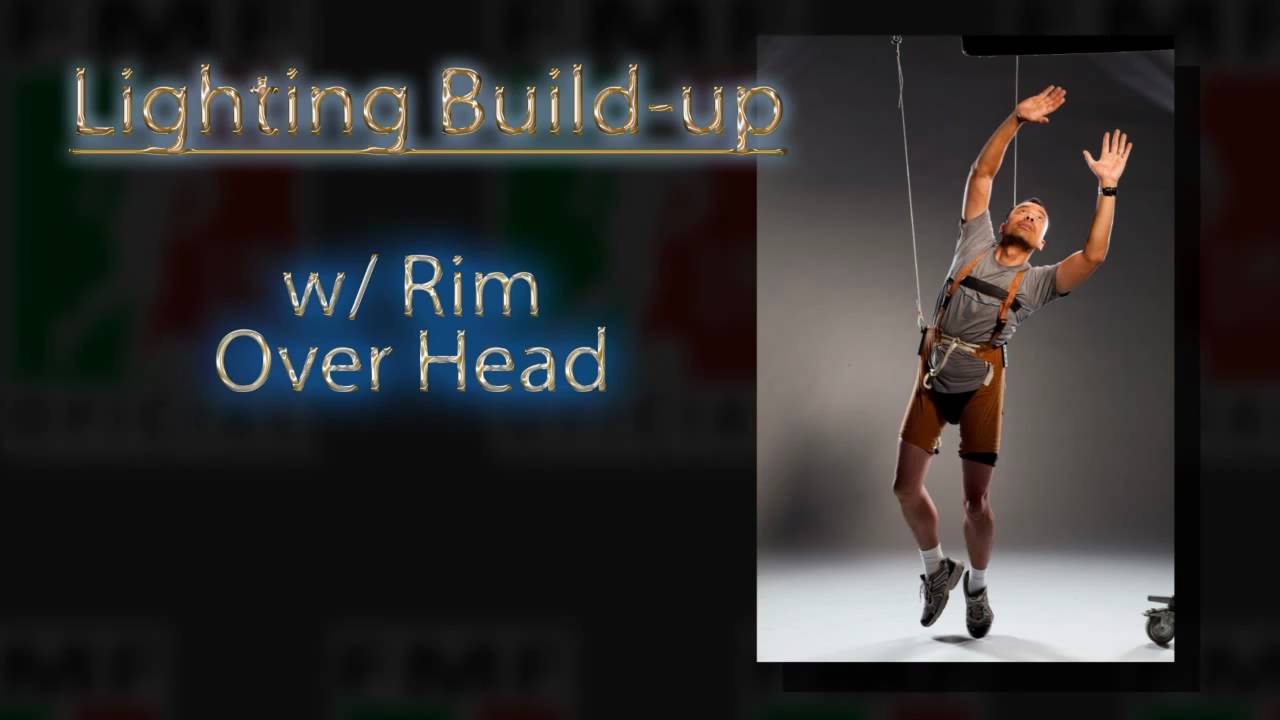
Clients come to you with ideas that sound impossible until you break them down into problems you already know how to solve. A stretched, reaching, mid-air pose for a soccer player sounds like a job for a trampoline or a very patient athlete. In practice, jumping produces chaos: uncontrolled body position, expressions you can’t predict, and a setup you can’t repeat. I’ve been in that situation more than once, and the solution is almost always more control, not more attempts.

Turn Any Wall Into a Studio Backdrop Using Newspaper, a Projector, and a Little Patience

Turn Any Wall Into a Studio Backdrop Using Newspaper, a Projector, and a Little Patience

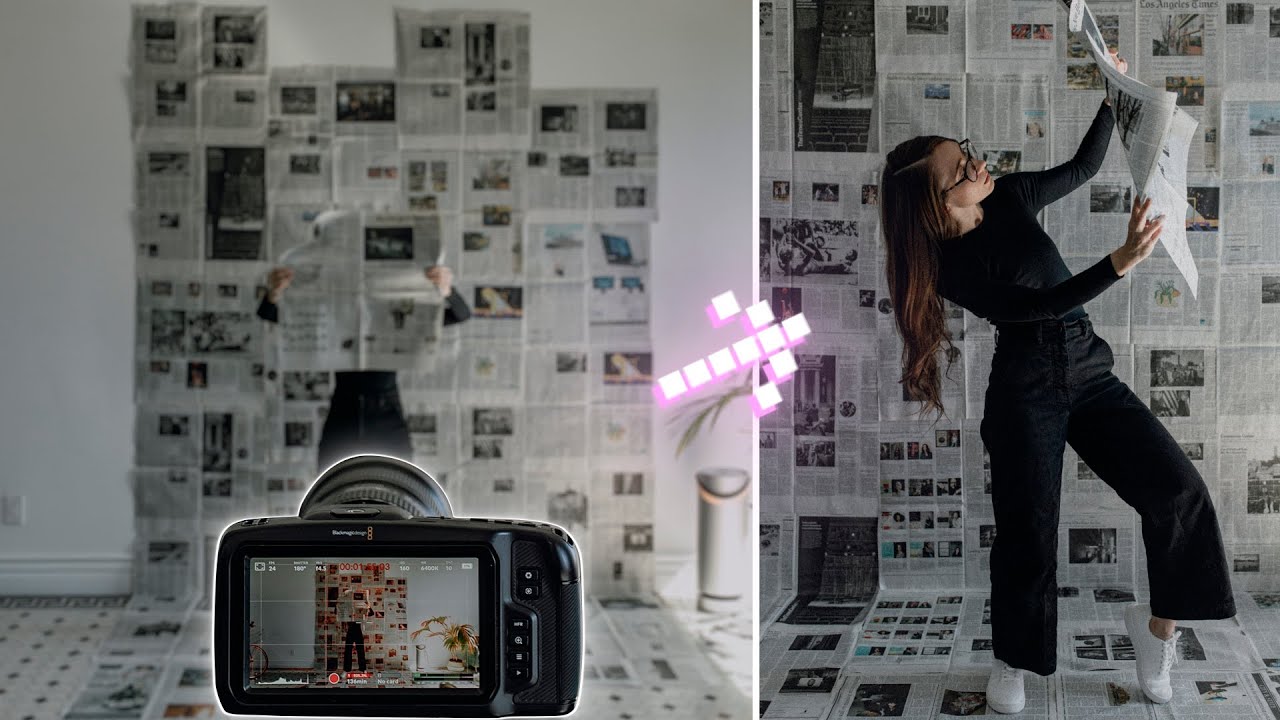
There is a particular kind of pressure that comes with a client who wants “something editorial” but has no budget for a location, no interest in renting a studio, and a two-day turnaround. I have been in that situation more times than I can count, and my default move has always been to fall back on what I can control: light and surface. What sits behind the subject matters almost as much as what falls on them, and when you cannot afford a seamless or a custom set build, you have to improvise.

How to Scout, Sequence, and Pose Large Family Groups — Lessons from Michele Celentano

How to Scout, Sequence, and Pose Large Family Groups — Lessons from Michele Celentano

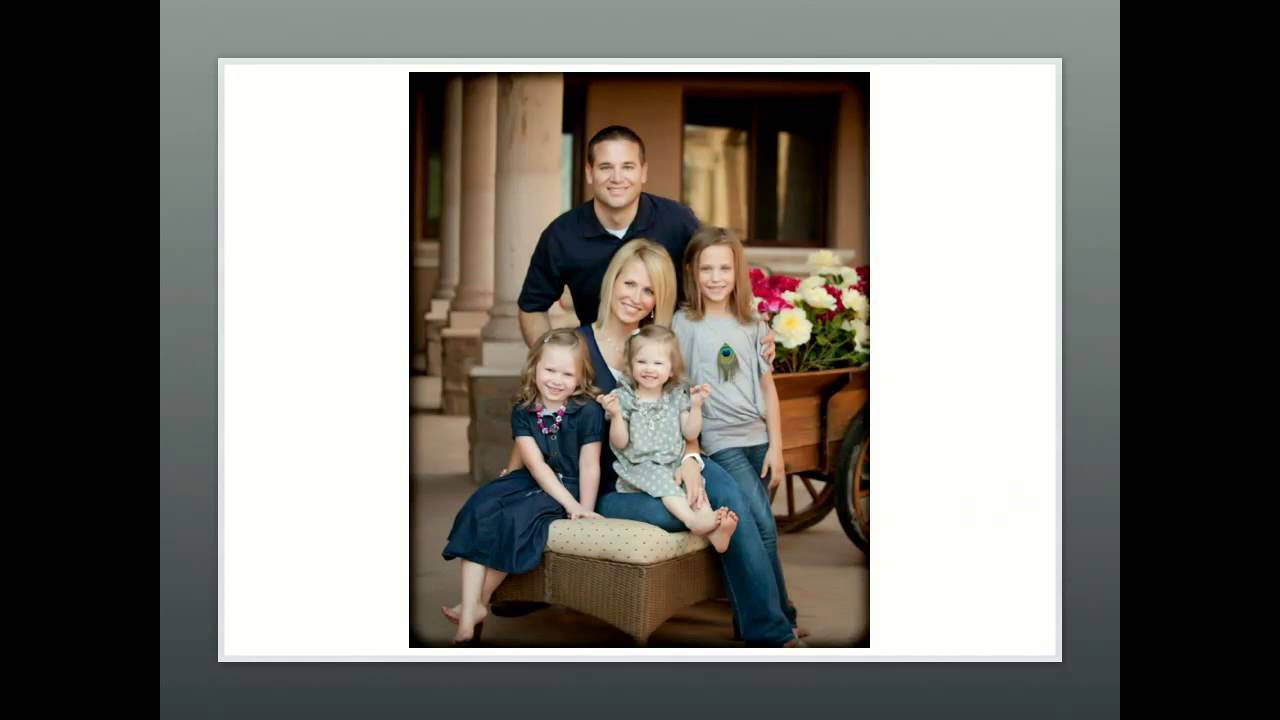
Large family sessions are the shoot type that separates photographers who understand light from photographers who just own cameras. I say that not to be harsh, but because I’ve watched talented shooters with excellent studio instincts completely fall apart the moment someone’s grandmother and seventeen cousins show up on a front lawn. The variables multiply fast: competing light sources, children who need breaks, adults who want to be somewhere else, and a client who has strong opinions about which part of their property is “the pretty spot” (it’s almost never the pretty spot, at least not in the way they mean).

What Softbox Size Actually Controls (It's Not What You Think)

What Softbox Size Actually Controls (It's Not What You Think)

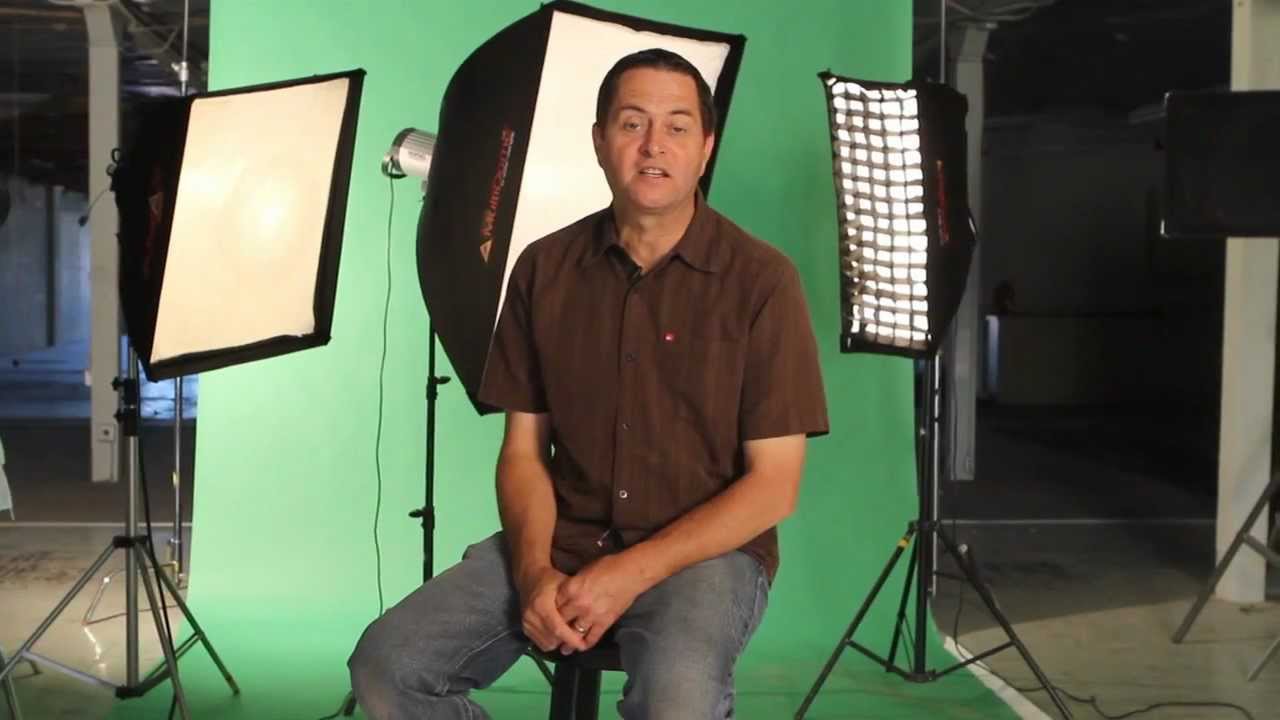
I used to buy softboxes the way a lot of photographers do: bigger shoot, bigger box. It seemed logical. More surface area, more coverage, more light reaching the subject. It wasn’t until I started diagramming my setups more carefully, sketching out every modifier position and comparing results across jobs, that I noticed something uncomfortable. My large and small softboxes weren’t behaving the way I expected them to. The coverage was similar.

How a Working Commercial Photographer Packs, Plans, and Shoots on Location with Six Lights

How a Working Commercial Photographer Packs, Plans, and Shoots on Location with Six Lights

Every location shoot I’ve done in the last decade has started the same way: a mental list that I’m convinced is complete, and a bag that proves otherwise. I’ve arrived at industrial facilities without a trigger, shown up to editorial jobs with dead batteries, and once spent twenty minutes hunting for a support plate while a client watched. The checklist isn’t glamorous, but it’s the difference between a shoot that flows and one that hemorrhages time and money.

The Rogue Flashbender Kit Explained: A Studio Shooter's Take on Speedlight Modifiers

The Rogue Flashbender Kit Explained: A Studio Shooter's Take on Speedlight Modifiers

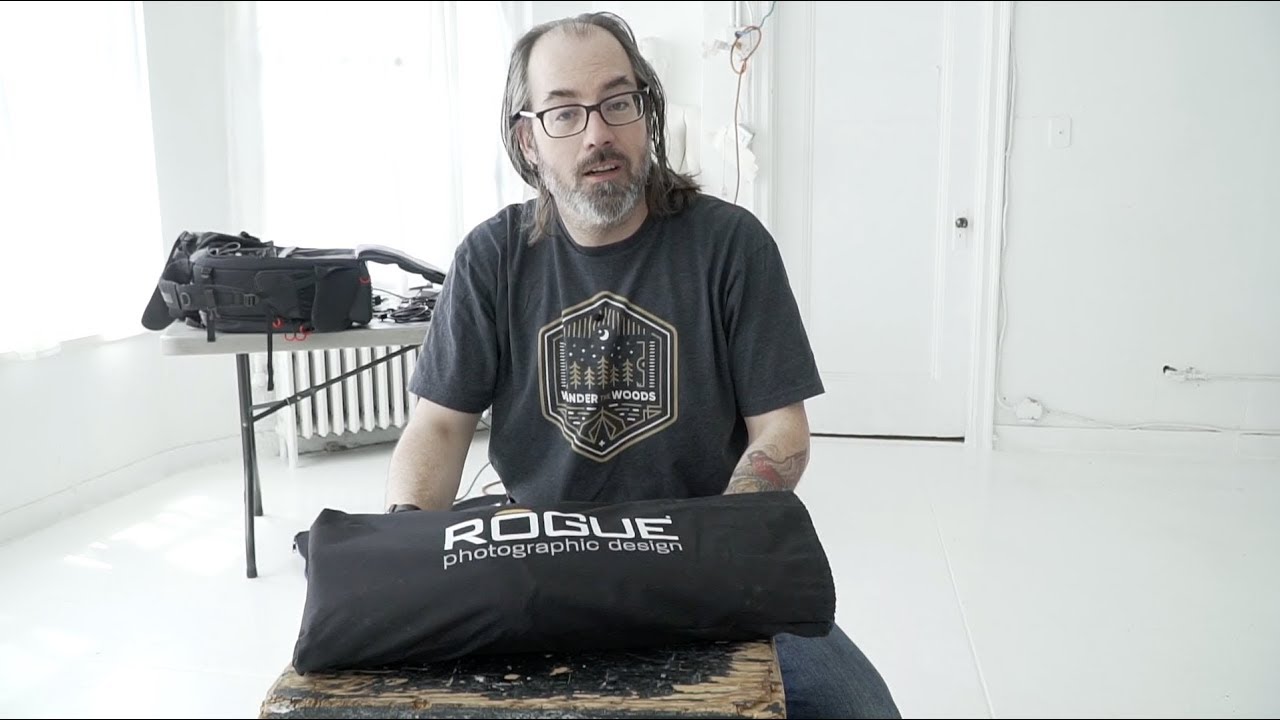
Every working studio photographer eventually hits the same wall: the job calls for location work, the client wants polished light, and your monolight stays home. Speedlights become the answer by necessity, and suddenly the quality of your modifiers matters more than you expected. I’ve been shooting commercial and editorial work long enough to know that a bare speedlight is a liability, not a tool. Controlling and shaping that small, harsh source is the entire game.

Manual Flash Control with Radio Poppers: What Happens When Your TTL Safety Net Disappears

Manual Flash Control with Radio Poppers: What Happens When Your TTL Safety Net Disappears

There are two kinds of photographers who shoot with off-camera flash. The ones who rely on TTL to handle power decisions for them, and the ones who understand what TTL is actually doing and can replicate it by hand when it fails. I used to be firmly in the first camp. Then I showed up to a tethered editorial shoot where my master flash died mid-session, TTL communication dropped completely, and I was standing in front of a client with no way to adjust my remote strobes.

How to Actually Direct Non-Models: Posing Lessons Every Studio Photographer Needs

How to Actually Direct Non-Models: Posing Lessons Every Studio Photographer Needs

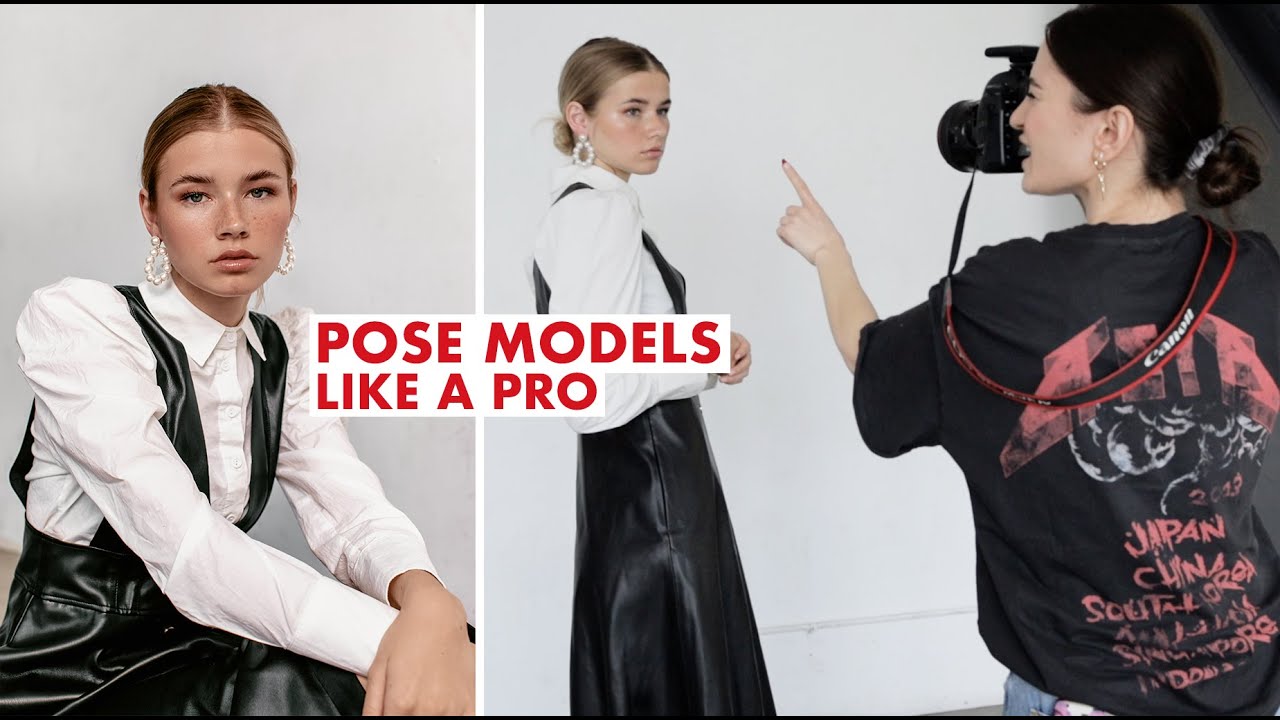
Lighting is my specialty. I can dial in a three-point setup in under ten minutes, and I keep a sketch of every configuration I’ve ever used in a journal I’ve maintained since 2009. But for years, posing was the part of my shoots that quietly undermined everything else. I’d have perfect exposure, a beautiful modifier, a well-calibrated strobe — and then a subject standing in the middle of my studio with no idea what to do with their hands, and neither did I.

What's Actually In My Location Lighting Kit (And Why I Pack Four Lights for a Three-Light Job)

What's Actually In My Location Lighting Kit (And Why I Pack Four Lights for a Three-Light Job)

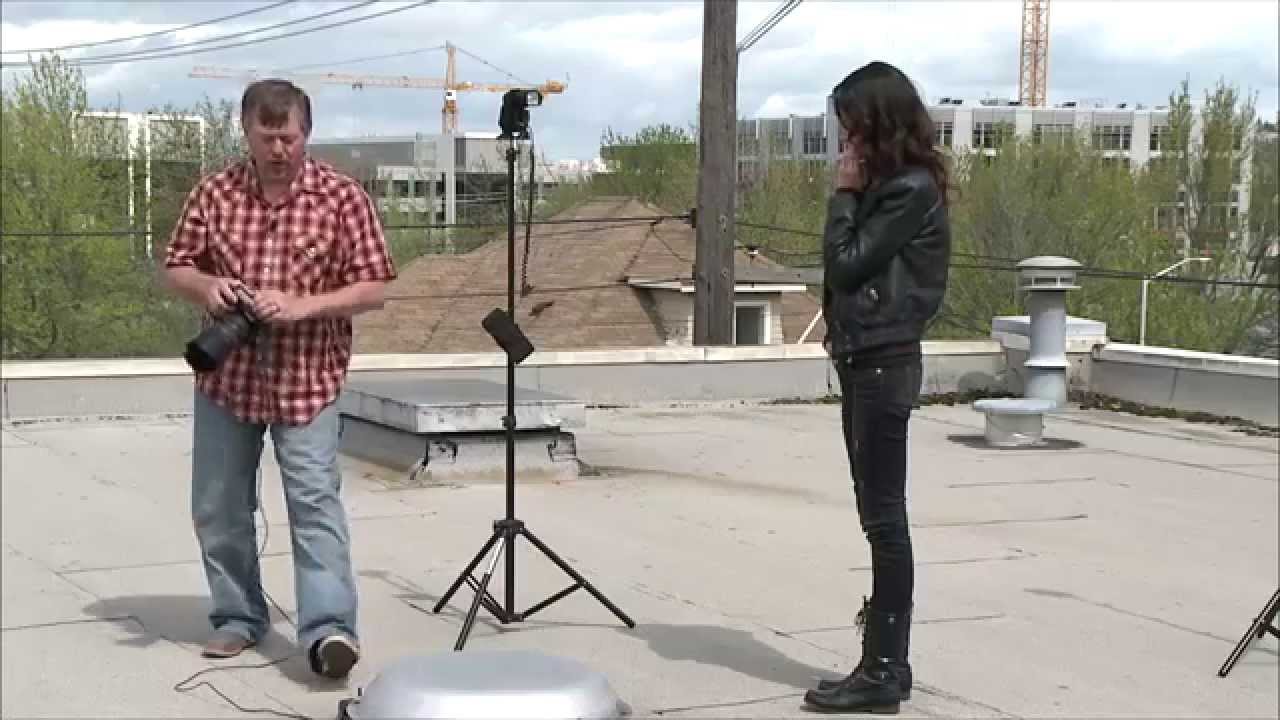
Location shoots have a way of exposing every gap in your preparation. You show up to a corporate office expecting a clean, accessible space and find yourself in a conference room with one outlet behind a filing cabinet and fluorescent overheads that can’t be turned off. That’s not a hypothetical. That’s a Tuesday. Over the years I’ve refined my kit down to a set of tools that lets me walk into almost any location and build a controlled, repeatable portrait setup without hunting for extension cords or improvising around whatever the building offers me.

Umbrellas Aren't Outdated — Your Technique Is: A Studio Shooter's Breakdown

Umbrellas Aren't Outdated — Your Technique Is: A Studio Shooter's Breakdown

I keep a masking tape label on every light in my studio. It sounds obsessive until you’re mid-shoot, your assistant is asking which head to pull, and you can’t afford to guess. That same obsessive attention to detail is what eventually brought me back to umbrellas after years of defaulting to softboxes for nearly everything. I’d written them off as beginner gear, the kind of thing you graduate from once you can afford better.

Five Studio Grip Essentials You'll Reach For Every Single Day

Five Studio Grip Essentials You'll Reach For Every Single Day

When I set up my first proper studio space in Los Angeles, I made the classic mistake of spending almost everything on lights and almost nothing on the infrastructure around them. I had beautiful strobes sitting on flimsy stands with no counterweights, apple boxes I was afraid to scratch, and a C-stand situation that I am not proud of. The lights looked great in the catalog. The actual shoots were a liability.