How Karl Taylor Builds a Portrait From Nothing: V-Flats, Bare Bulbs, and a Wine Rack

How Karl Taylor Builds a Portrait From Nothing: V-Flats, Bare Bulbs, and a Wine Rack

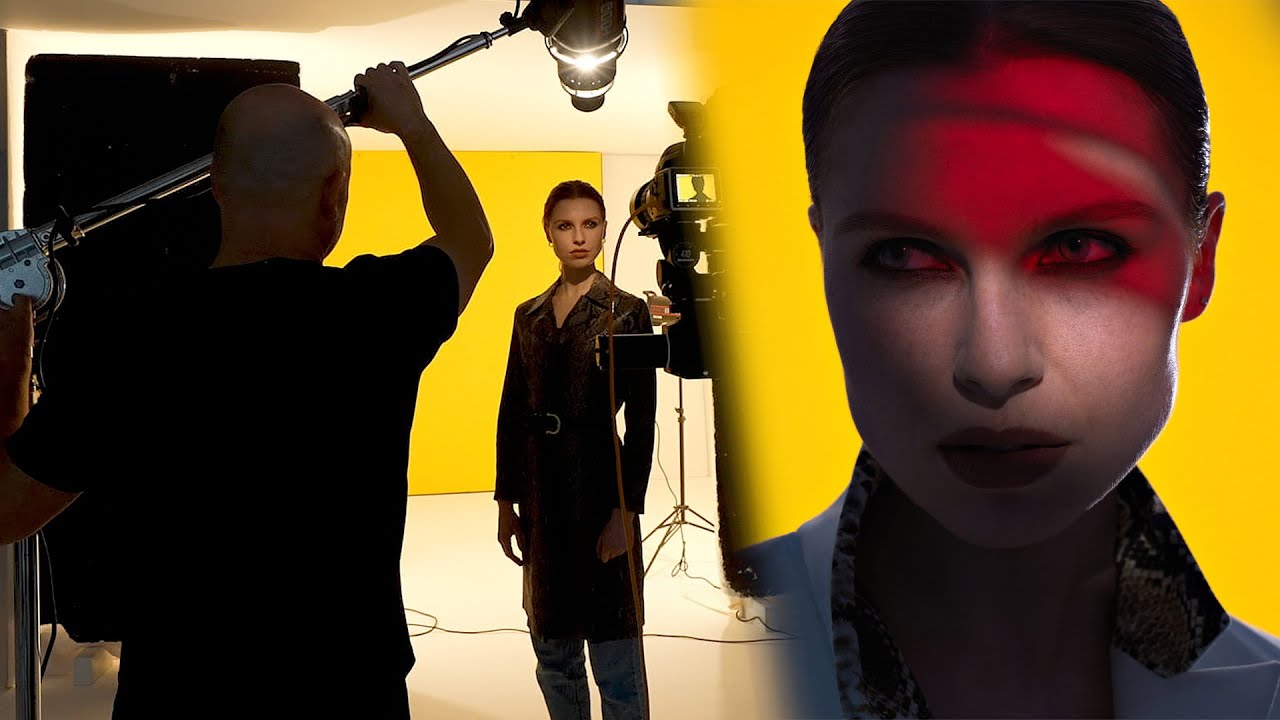
Every few months I’ll be mid-prep on an editorial shoot and realize the background problem is going to eat my whole morning. Seamless paper with uneven tension reads as dark bands under direct light. A plain wall works until you try to make it feel like something. I’ve jury-rigged solutions for years, sketching them into my lighting journal after the fact and vowing to refine the approach next time. So when I came across Karl Taylor’s step-by-step portrait breakdown from Visual Education, I stopped what I was doing and watched it twice.
How to Actually Understand Lighting Modifiers (Using a Benchmark That Changes Everything)

How to Actually Understand Lighting Modifiers (Using a Benchmark That Changes Everything)

Every photographer I know has a modifier graveyard. A pile of softboxes, grids, and beauty dishes that got bought, used twice, and shelved because nothing about the results made sense. The problem isn’t the gear. The problem is that most of us compare modifiers in the worst possible way: switching from one to another across different shoots, different subjects, different distances, and then wondering why we can’t draw any useful conclusions.

How Strobes Actually Freeze Motion (And Why Your Shutter Speed Is Not the Answer)

How Strobes Actually Freeze Motion (And Why Your Shutter Speed Is Not the Answer)

There is a moment on almost every athletic shoot where the ambient light humiliates you. You are in a gym, or a studio with modest overhead LEDs, and your subject is moving fast. You crank the ISO, you open the aperture, and your camera still tells you the shutter speed is somewhere around 1/60. That is not a photography problem. That is a physics problem, and the only way out of it is understanding what actually stops motion in a photograph.

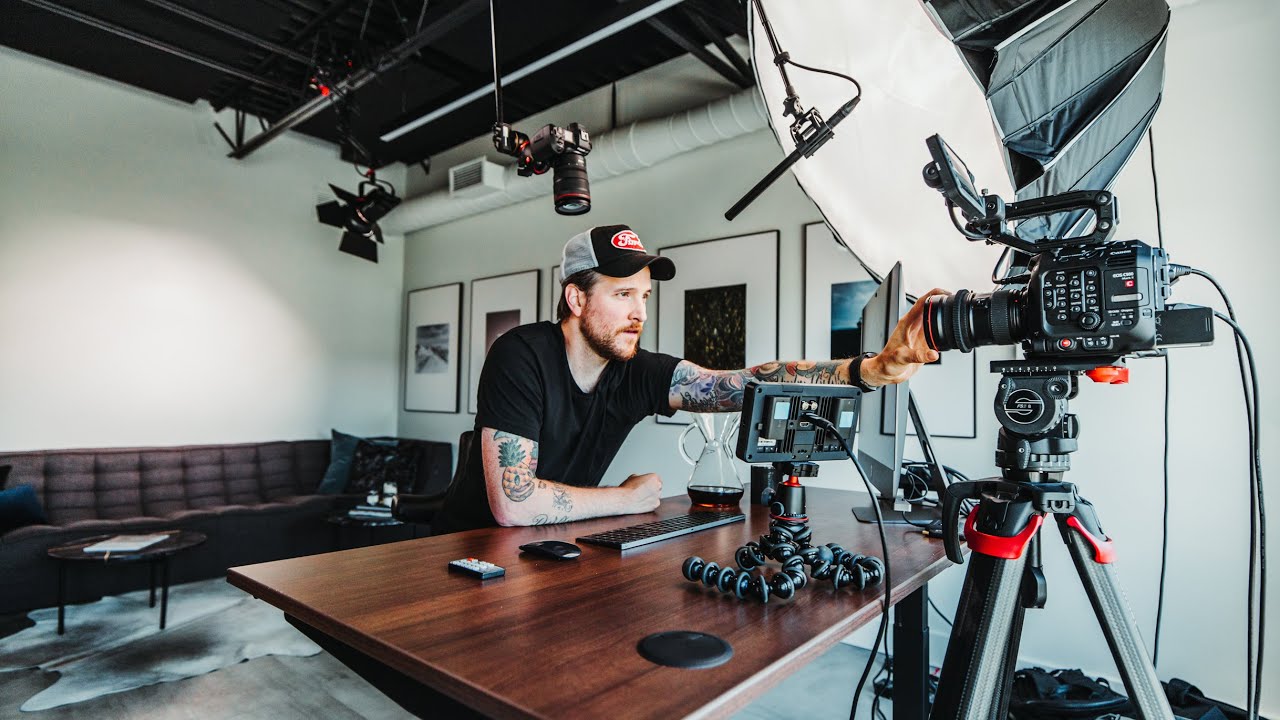
How Peter McKinnon Lights and Rigs a YouTube Studio (And What Studio Photographers Can Steal From It)

How Peter McKinnon Lights and Rigs a YouTube Studio (And What Studio Photographers Can Steal From It)

Most of my work happens in a controlled environment where I can tape a lighting diagram to the wall and repeat a setup down to the centimeter. That precision is a comfort. But lately I’ve been shooting more video content for clients, and the rules shift in ways that catch still photographers off guard. You can’t just place a softbox and call it done. You have to think about how that light reads over time, across movement, and against whatever is happening behind the frame.

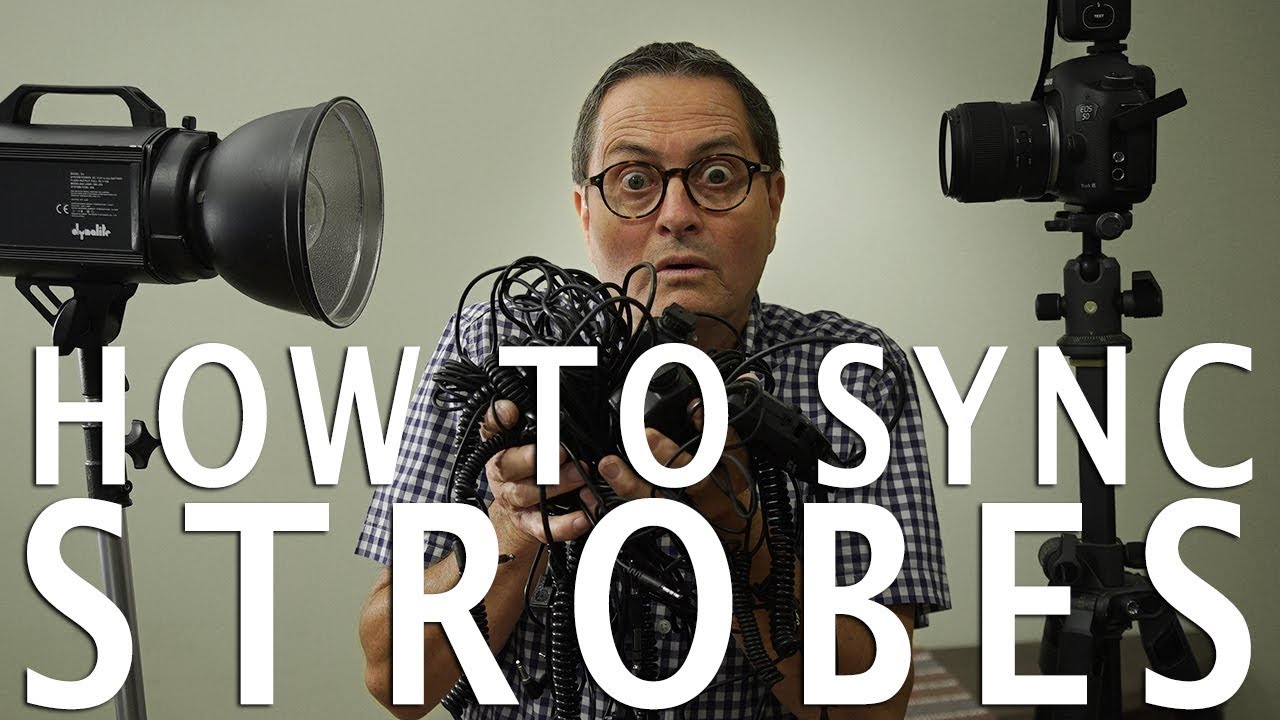
Sync or Swim: How to Connect Your Strobes to Your Camera (Three Methods, Ranked by a Working Pro)

Sync or Swim: How to Connect Your Strobes to Your Camera (Three Methods, Ranked by a Working Pro)

Every working studio photographer has a story about the shoot where their lights refused to cooperate. Mine involved a fashion client, three Profoto heads, and a radio trigger with a dying battery I hadn’t checked. The strobes fired maybe one frame in five. I smiled through it, shot tethered so the client could see something on the laptop, and fixed it in the next lighting setup. What I needed that day wasn’t more gear knowledge – I needed a cleaner mental framework for understanding how sync actually works and what to reach for when things go sideways.

What a 325-Square-Foot Craft Studio Teaches Photographers About Creative Constraint

What a 325-Square-Foot Craft Studio Teaches Photographers About Creative Constraint

There’s a version of “studio envy” that I think quietly poisons a lot of photographers’ thinking. We tell ourselves we’ll finally get organized once we have more space, better gear, a dedicated room. I’ve caught myself doing it. Then I watched this CreativeLive tour of designer and maker Robert Mahar’s workspace in downtown Los Angeles and felt genuinely embarrassed by that excuse. Watch the full tutorial on YouTube Mahar runs a real creative practice out of under 325 square feet, shared with another artist, inside a century-old converted bank building.

Taking the Octodome Outside: A Location Lighting Breakdown from Sand to Fire

Taking the Octodome Outside: A Location Lighting Breakdown from Sand to Fire

Every time I take strobes outside, I’m reminded that natural light is not your friend — it’s a variable you have to negotiate with. The sun moves, clouds shift, and the beautiful golden hour you planned around disappears in about twelve minutes. What I always come back to is having a system: know where your ambient is coming from, decide how to use it, then build your artificial light around that decision.

How to Shoot In-Camera Double Exposures: A Step-by-Step Studio Guide

How to Shoot In-Camera Double Exposures: A Step-by-Step Studio Guide

Clients started asking me for double exposure portraits about three years ago. Fashion editorial, beauty campaigns, album covers - the technique was everywhere, and every art director had a reference image they’d pulled from Pinterest. My instinct was to handle it in post, the way most photographers do. Composite two frames in Photoshop, blend the layers, call it done. But the results always looked slightly assembled, like two photographs politely sharing the same space rather than actually belonging together.

Where Great Lighting Actually Comes From: Two Methods That Work in the Real World

Where Great Lighting Actually Comes From: Two Methods That Work in the Real World

I keep a lighting journal. Every setup from every shoot gets a rough sketch, the modifier positions, the rough ratios, sometimes a note about what I was thinking when I built it. I started doing this because I noticed something uncomfortable: when I stepped into the studio without a clear visual in my head, I wasted an hour chasing a feeling I couldn’t name. The setup would be technically fine. The light would be even and flattering.

One Flash, Full Control: Why Manual Mode Is the Only Way to Light Seriously

One Flash, Full Control: Why Manual Mode Is the Only Way to Light Seriously

Every bad habit I’ve developed in this business started with me reaching for a shortcut before I understood the fundamentals. Flash was no different. Early in my commercial work, I was running TTL on location shoots and wondering why my results felt inconsistent, why I’d nail an exposure in one room and completely lose it in the next. The truth was that I didn’t actually control my light. My camera did, and it had no idea what I was going for.

What a Fresnel Lens Actually Does to Your Light (And Why I Reach for One First)

What a Fresnel Lens Actually Does to Your Light (And Why I Reach for One First)

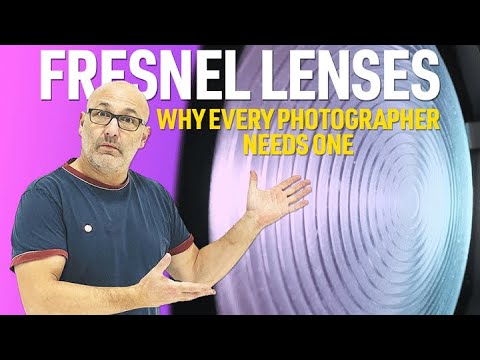
For years I defaulted to grids when I needed a controlled pool of light on a background. They’re cheap, they’re fast, and they live in a pouch that fits in my kit bag. But every time I pulled up a reference image I was trying to match — something from a fashion editorial, usually — the background light had a quality I couldn’t quite get. A smooth, perfectly graduated circle that faded out evenly in every direction.

How to Direct a Model When You Only Have 3 Minutes (And a Wall)

How to Direct a Model When You Only Have 3 Minutes (And a Wall)

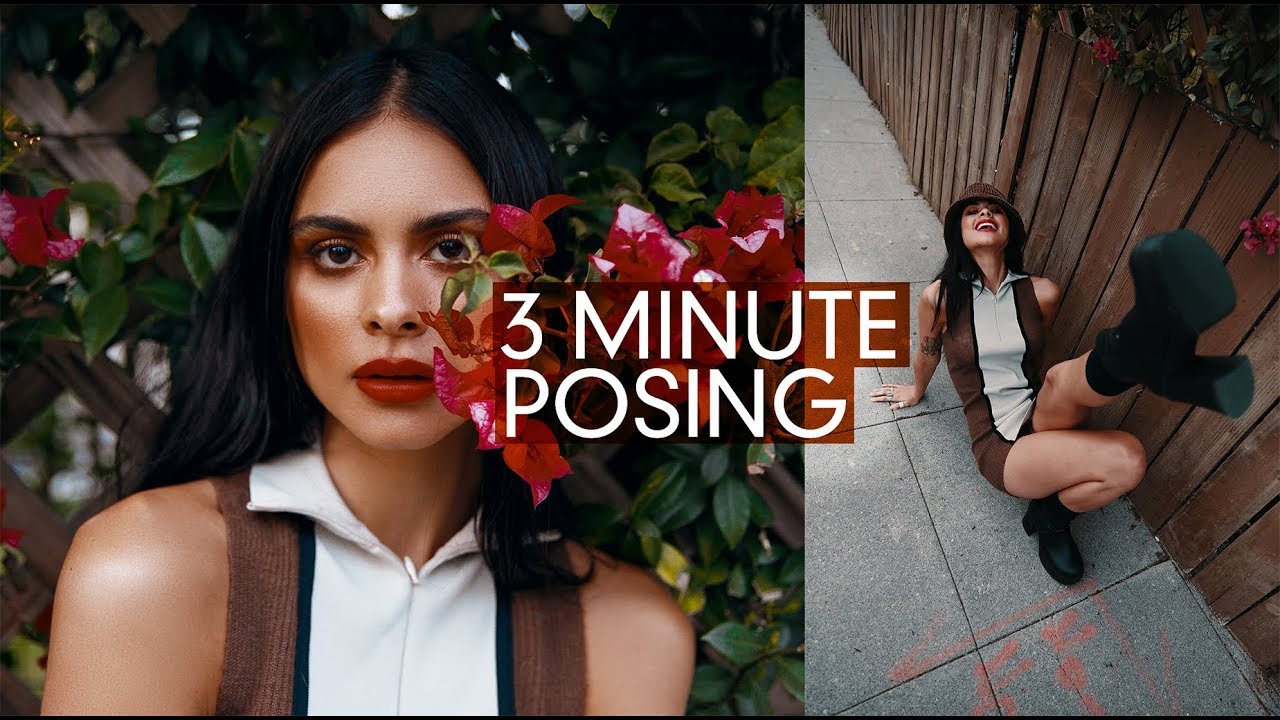
Most of my work happens in a controlled environment. I know where every light is before the model walks in. I have tape on the floor marking positions, a lighting diagram sketched the night before, and a shot list the client approved two weeks ago. That structure is a professional asset, and I’d defend it to anyone. But it also creates a blind spot: the ability to think fast, move fast, and direct a model without a plan to lean on.