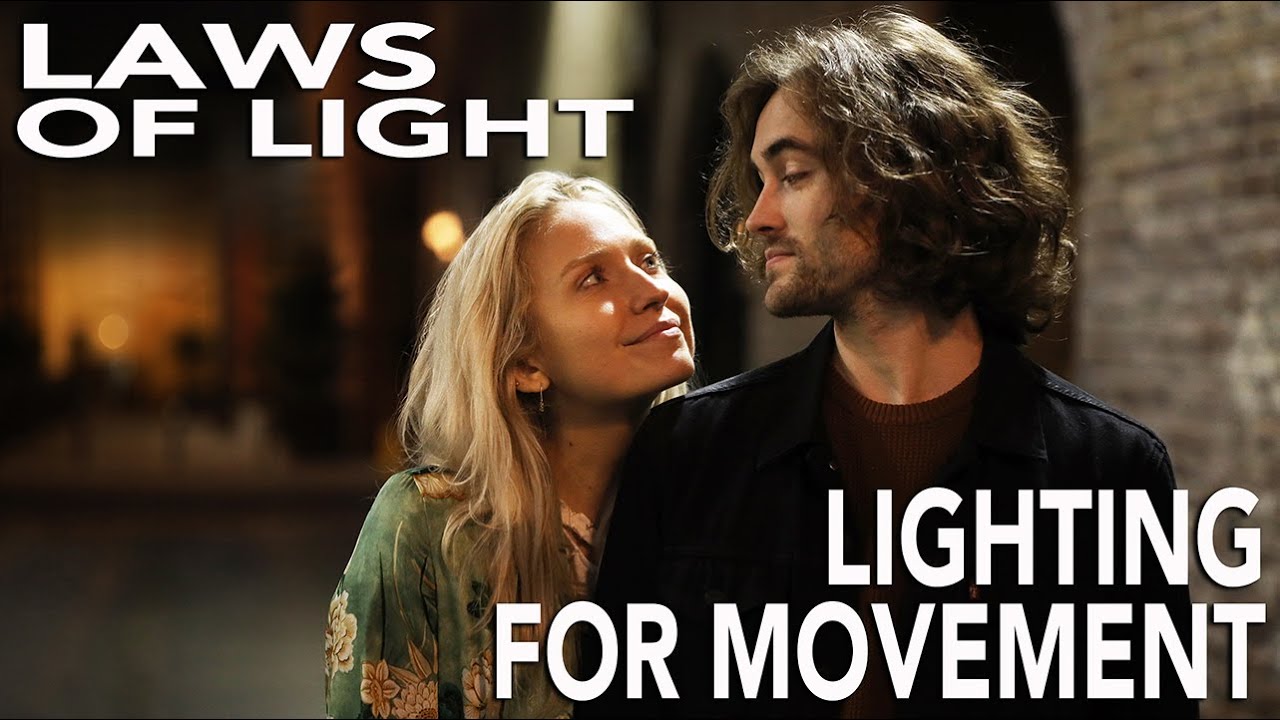
Light the Journey, Not Just the Destination: Dramatic Lighting for Moving Characters

Light the Journey, Not Just the Destination: Dramatic Lighting for Moving Characters

Most of my work happens in a controlled studio where I can tape a light to the floor with painter’s tape and it will be exactly there six hours later. Motion work on location is a different animal entirely. The character is moving through space, the camera is chasing them, and your carefully placed light has about three seconds to do its job before the actor walks out of it. For years I approached this kind of shoot the way I approach a portrait: one key position, fill as needed, done.
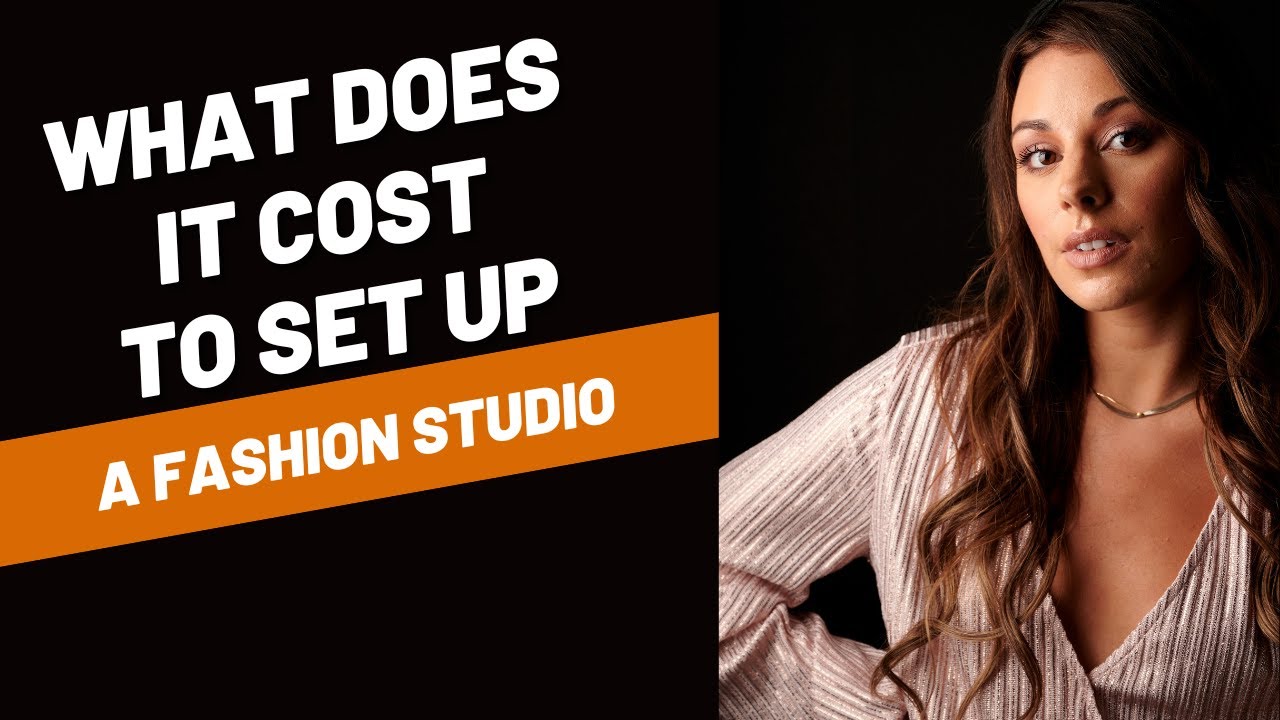
What It Actually Costs to Build a Fashion Photography Studio From Scratch

What It Actually Costs to Build a Fashion Photography Studio From Scratch

Every few years I walk through what it would cost to start over. Not because I’m planning to, but because it keeps me honest about what equipment actually matters versus what I’ve accumulated out of habit. The exercise gets uncomfortable fast, especially when clients ask me to help them build out an in-house studio for their clothing brand. They always underestimate the lighting budget and overestimate how much the camera matters.

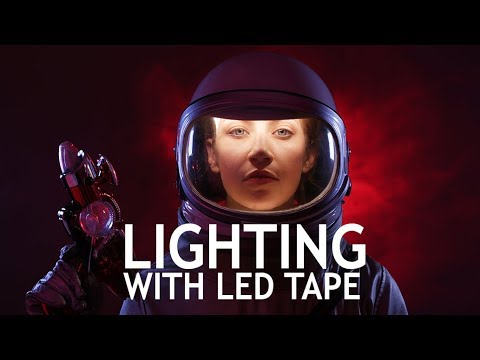
How to Light a Face Inside a Helmet (or Any Impossible Small Space) with LED Tape

How to Light a Face Inside a Helmet (or Any Impossible Small Space) with LED Tape

There is a category of lighting problem that no softbox solves. The subject is enclosed, recessed, or otherwise surrounded by something physical that blocks every conventional source you own. A helmet. A car interior. A product inside a box. A model inside a prop. I have stood in front of setups like these with a $3,000 kit and felt completely helpless because none of it was small enough to get where the light needed to go.

How to Set Lighting Ratios Without Guessing: A Working Photographer's Breakdown

How to Set Lighting Ratios Without Guessing: A Working Photographer's Breakdown

Every working studio photographer gets asked the same question eventually: “What’s your ratio?” I used to fumble through an answer because, honestly, I learned ratios the way most of us do, backwards and through trial and error. I keep a lighting journal where I sketch every setup from every shoot, and flipping back through those early pages, I can see exactly when I started thinking in ratios rather than just vibes.

Beauty Dish, Black Backdrop, and Rim Lighting: A Working Photographer's Breakdown of Fashion Studio Setup

Beauty Dish, Black Backdrop, and Rim Lighting: A Working Photographer's Breakdown of Fashion Studio Setup

Every few years I find a tutorial that cuts through the noise and shows someone actually working, not just explaining theory in front of a whiteboard. In this Tony & Chelsea Northrup tutorial on fashion and glamour photography, Chelsea walks through the full process behind a low-key beauty shoot: lighting placement, lens choice, camera settings, posing, and post-processing. Watch the full tutorial on YouTube before or after reading this breakdown. Either way, you’ll get more out of it.

Faking Mediterranean Sunlight in a Studio: A Lighting Breakdown Worth Stealing

Faking Mediterranean Sunlight in a Studio: A Lighting Breakdown Worth Stealing

Client calls. They want sun-drenched Mediterranean models, sharp palm shadows on a textured stucco wall, and that specific quality of midday light that makes you squint just looking at it. Budget: studio only. Location: not happening. This is the kind of brief that either breaks a photographer or forces them to think harder about light. I’ve been on both ends of that equation, and every time I crack a technique like this, I sketch it into my lighting journal the same day so I don’t lose it.

Flash Isn't Optional: A Working Photographer's Breakdown of the 4 Controls That Actually Matter

Flash Isn't Optional: A Working Photographer's Breakdown of the 4 Controls That Actually Matter

I used to think natural light was a philosophy. Somewhere in my early career I convinced myself that reaching for a flash unit was an admission of failure, like I couldn’t read a scene well enough to work with what was there. That belief cost me jobs. It definitely cost me a ruined editorial shoot early on where I misread the color temperature of the ambient light entirely and delivered a full gallery with skin tones that looked like the subjects had been airbrushed in a submarine.

Portable Power, Precise Light: A Working Photographer's Breakdown of the Profoto B2 and OCF Modifier System

Portable Power, Precise Light: A Working Photographer's Breakdown of the Profoto B2 and OCF Modifier System

Every location shoot I’ve ever done has involved a version of the same negotiation: how much light quality am I willing to sacrifice to get the gear through a door, up a staircase, or into the back of a car? For years, the answer was “more than I’d like.” Studio strobes give you the consistency and power you need, but they’re not exactly grab-and-go. Battery-powered speedlights travel easily but often fall short on light quality and modifier options.

How to Kill Ambient Light and Build a Studio Portrait Anywhere

How to Kill Ambient Light and Build a Studio Portrait Anywhere

There’s a specific kind of panic that hits when a client wants “that clean studio look” and the only location available is a sun-blasted parking lot at noon. I’ve been there more times than I’d like to admit. Over the years I’ve developed my own systems for it, but I keep sending assistants and newer photographers to this particular tutorial because Jay P. Morgan at The Slanted Lens demonstrates the core technique more clearly than I’ve seen it explained anywhere else.

Use Your Camera as a Light Meter: A Step-by-Step Guide to Mixing Ambient and Strobe

Use Your Camera as a Light Meter: A Step-by-Step Guide to Mixing Ambient and Strobe

There is a specific kind of shoot that exposes every gap in your lighting knowledge: outdoor portraits at dusk, fire performers, neon-lit alleys, any situation where the ambient light is already doing something interesting and you need a strobe to fill without killing the mood. I have shown up to those shoots confident and left with frames that looked flat, plasticky, and wrong. The problem was never the strobe power. It was that I was guessing at my ambient exposure instead of measuring it deliberately, then layering the flash on top of a shaky foundation.

4 Lighting Setups, One Battery-Powered Head: What Karl Taylor's Studio Day Actually Teaches You

4 Lighting Setups, One Battery-Powered Head: What Karl Taylor's Studio Day Actually Teaches You

There’s a question I get from clients more than any other: “Can we do it outside?” And my honest answer used to be “it depends on what we’re fighting.” Direct sun creates shadows I can’t fill without a generator and a grip truck. Flat overcast light kills the drama I need for editorial work. For years, location portraiture felt like a compromise between what the light was doing and what I needed it to do.

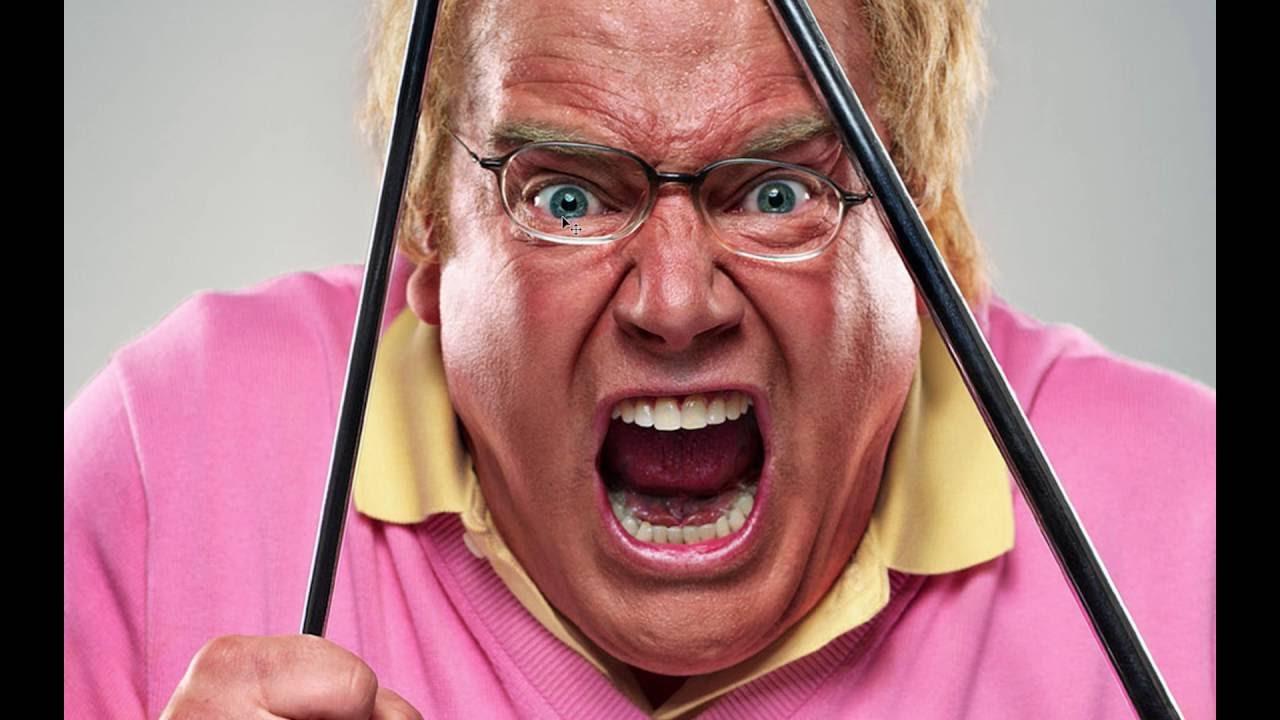
Lighting the Angry Man: How a Beauty Dish, Rim Lights, and a Tri-Reflector Build Controlled Drama

Lighting the Angry Man: How a Beauty Dish, Rim Lights, and a Tri-Reflector Build Controlled Drama

There is a specific kind of commercial brief that makes photographers nervous: shoot someone looking genuinely furious, on a white or neutral background, and make it feel like a real person, not a Halloween mask. The expression has to land, yes. But the lighting either sells the emotion or kills it. Flat, even light turns anger into mild annoyance. The wrong rim can make a scowling face look like a horror poster.