Small Flash, Classic Results: How to Build a Studio Portrait Setup with Two Lights and a Reflector

Small Flash, Classic Results: How to Build a Studio Portrait Setup with Two Lights and a Reflector

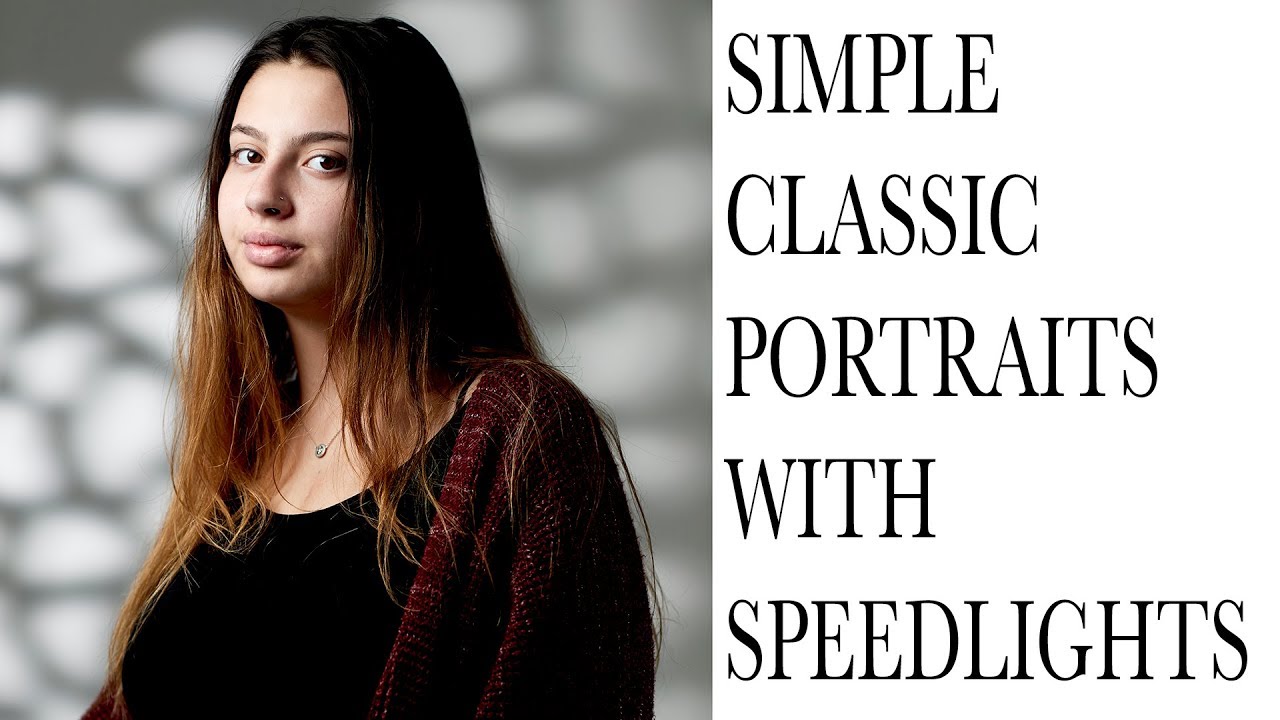
There’s a problem I run into constantly with newer photographers who come through my studio: they think dramatic, polished portraits require a wall of monolights and a dedicated grip crew. I understand where that assumption comes from. But some of my tightest commercial work has come from setups I could pack into a roller bag. That’s exactly why this tutorial from Daniel Norton caught my attention and earned a permanent sketch in my lighting journal.
Use a Polaroid's Manual Mode to Lock In Your Studio Lighting Before You Shoot

Use a Polaroid's Manual Mode to Lock In Your Studio Lighting Before You Shoot

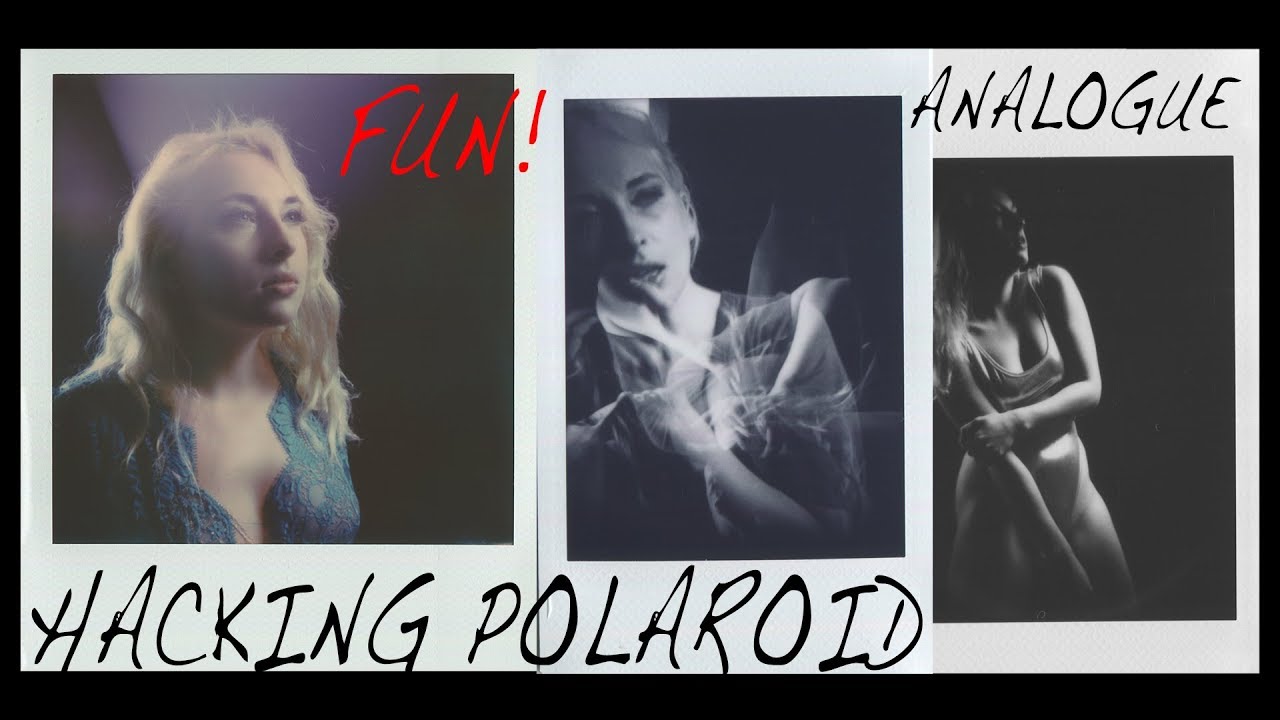
There’s a problem every studio photographer eventually runs into: you’re lighting a subject, your digital camera is doing its own quiet negotiating with TTL, and you’re never quite sure whether what you’re seeing on the back of the camera is the light or the firmware. I’ve been in sessions where I thought I had the setup locked, only to find the exposure drifting between frames because the camera kept second-guessing me.

What a Sewing Studio Teaches Me About Building a Creative Space That Actually Works

What a Sewing Studio Teaches Me About Building a Creative Space That Actually Works

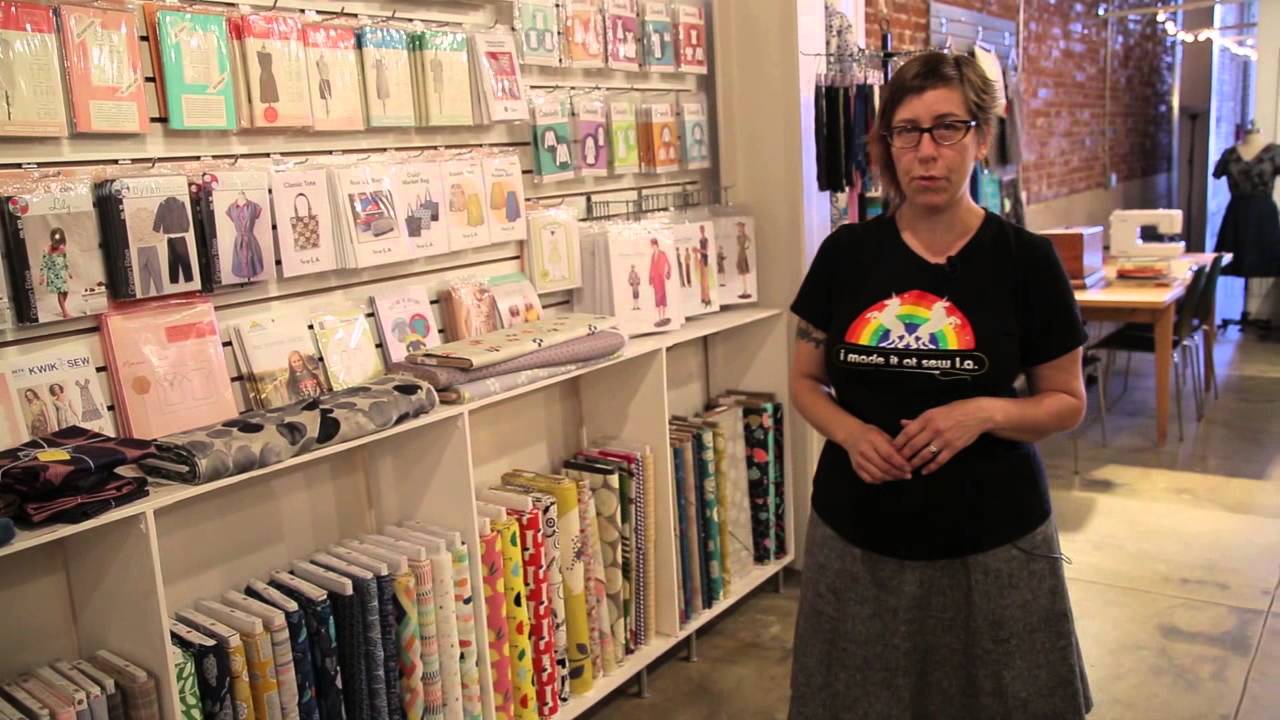
There’s a version of studio envy that has nothing to do with lighting equipment. I felt it the first time I walked into a workspace that was clearly built around how someone actually thinks, not just what looks good in a behind-the-scenes photo. My own studio in Los Angeles has gone through probably six iterations in the last decade. Too sterile. Too cluttered. Wrong flow between the shooting area and the editing corner.

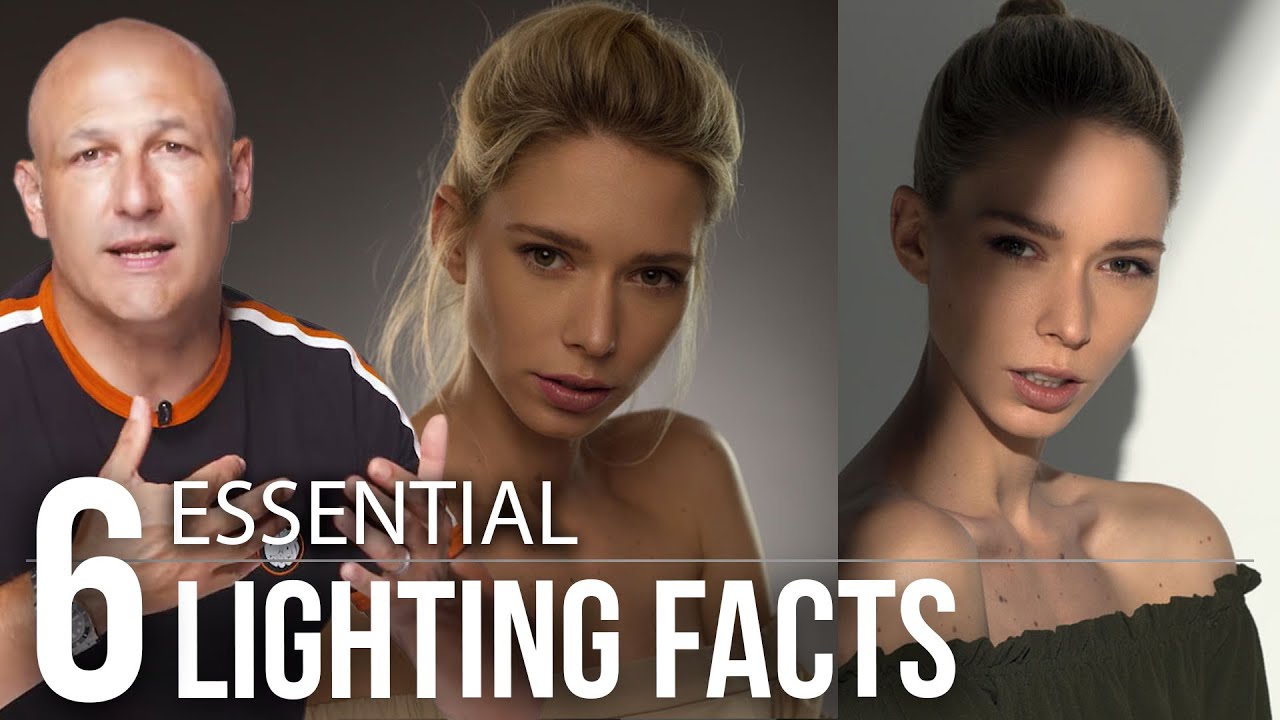
6 Lighting Fundamentals That Matter More Than Any Camera You'll Ever Buy

6 Lighting Fundamentals That Matter More Than Any Camera You'll Ever Buy

Every few weeks someone emails me asking which camera body I’m shooting with, or which prime lens I’d recommend for portrait work. I get it. Gear is tangible. You can read specs, compare prices, feel confident you’re making a measurable upgrade. But after nearly two decades shooting fashion, beauty, and corporate work out of my studio here in Los Angeles, I can tell you that the camera has never once been the reason a shot failed.

How to Start a Photo Studio: Four Paths From Zero to Your First Shoot

How to Start a Photo Studio: Four Paths From Zero to Your First Shoot

Every photographer I know who shoots commercially eventually hits the same wall. A client wants a controlled environment, or you want to test a new lighting setup, and suddenly your garage or spare bedroom isn’t cutting it anymore. I’ve been there. When I was first building my studio practice in Los Angeles, the question wasn’t just “do I need a studio?” but “what kind of studio makes sense for where I actually am right now?

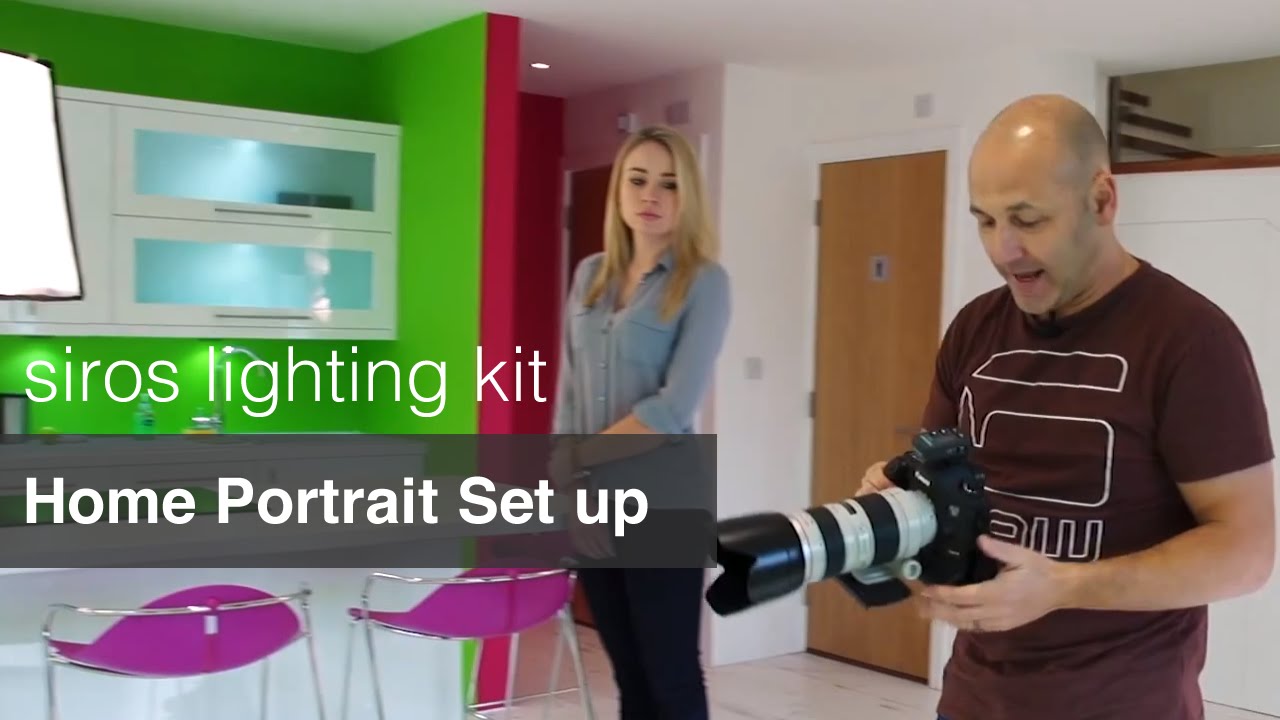
Two Lights, One Room: How to Pull Off a Clean Home Portrait With the Broncolor Siros Kit

Two Lights, One Room: How to Pull Off a Clean Home Portrait With the Broncolor Siros Kit

Most of my portrait work happens in a controlled environment where I can label every light, dial in every modifier, and sketch the setup in my lighting journal before the client walks through the door. But the jobs that actually test your knowledge are the ones that strip all of that away: a tight residential space, a minimal kit, and a subject in front of you. That’s the situation KL Taylor works through in this Visual Education tutorial on the Broncolor Siros lighting kit, and it’s one of the more practically useful demonstrations I’ve come across for photographers who need to produce polished portrait work outside a dedicated studio.

What Sue Bryce Taught Me About the Real Purpose of a Glamour Studio

What Sue Bryce Taught Me About the Real Purpose of a Glamour Studio

There’s a version of studio photography where the gear is the point. You dial in the light, you position the modifier, you shoot. The image is technically correct and emotionally inert. I know that version well because I spent years making it. What I’ve been slowly learning — and what Sue Bryce articulates better than almost anyone working today — is that the technical side of glamour work is actually the easier half of the job.

Flash Duration, Not Shutter Speed: How to Freeze a Liquid Pour in the Studio

Flash Duration, Not Shutter Speed: How to Freeze a Liquid Pour in the Studio

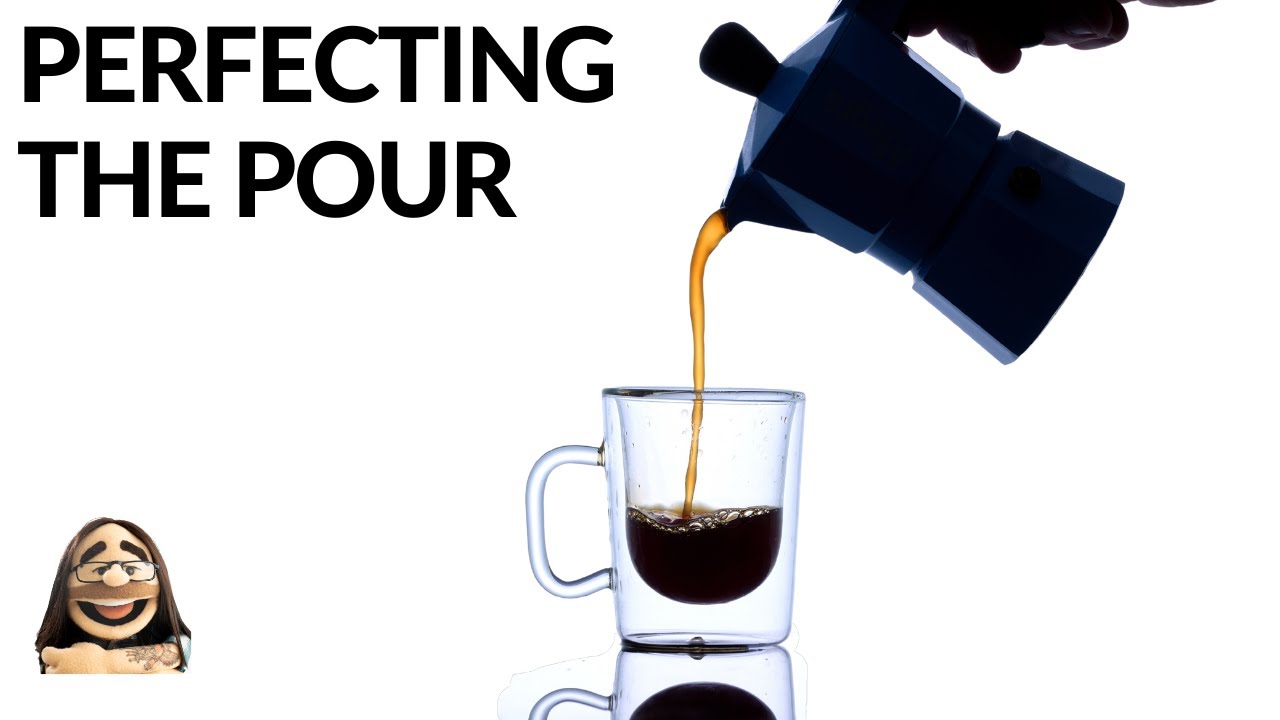
Every few months a client sends me a brief with a liquid shot in it. Coffee pouring into a cup. Whiskey splashing over ice. A serum drop hitting a surface. And every time, I watch junior photographers on set reach for the shutter speed dial as if that’s what’s going to save them. It isn’t. In studio conditions with flash, your shutter speed is nearly irrelevant to motion blur. What actually freezes the liquid is the duration of the flash itself, and if you don’t understand that distinction, you’ll keep getting soft, ghosted pours no matter how fast you shoot.

Direct Flash Done Right: How to Nail the Gritty Editorial Look With a $20 Bracket

Direct Flash Done Right: How to Nail the Gritty Editorial Look With a $20 Bracket

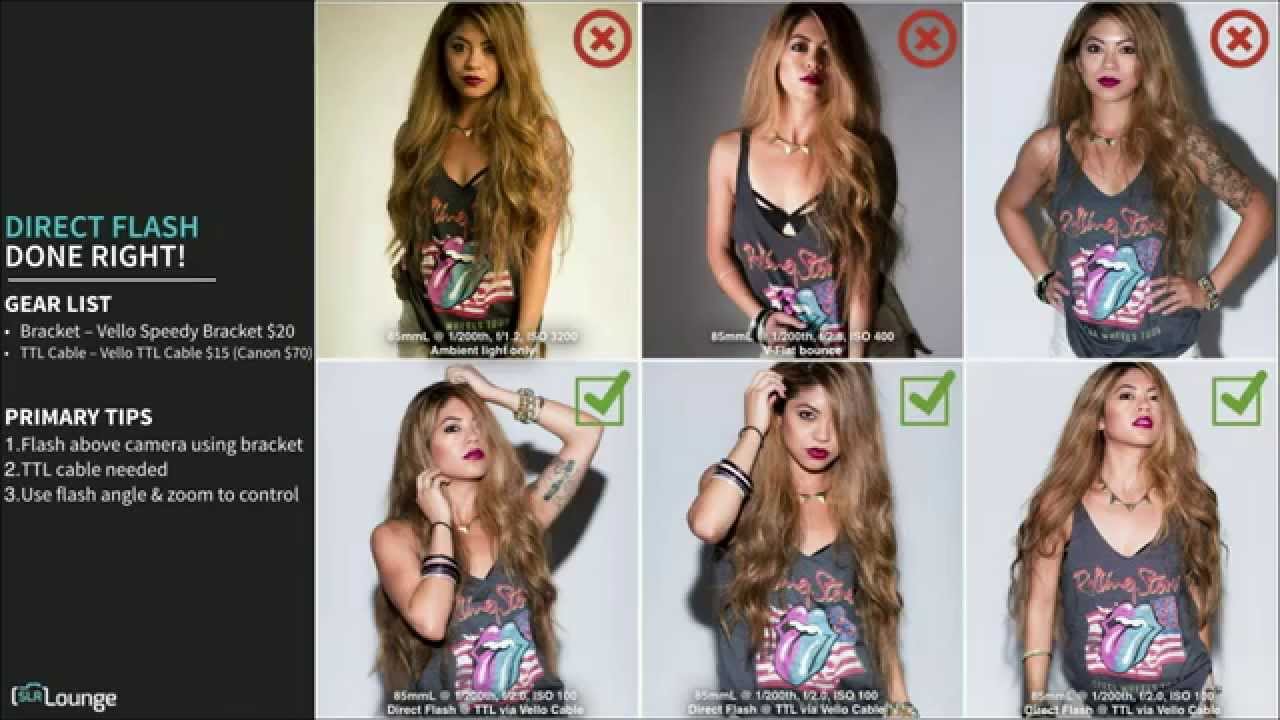
Direct flash has a reputation problem. Mention it to most photographers and they assume you mean the flat, washed-out snapshots from a disposable camera. But there is a version of direct flash that is intentional, controlled, and genuinely striking — the kind of look you see in American Apparel campaigns, celebrity punk portraits, and editorial spreads that want to feel raw and immediate. Getting there takes about two pieces of cheap gear and a clear understanding of what you are actually controlling.

Kitchen Light: How to Photograph a Bottle with Zero Studio Gear

Kitchen Light: How to Photograph a Bottle with Zero Studio Gear

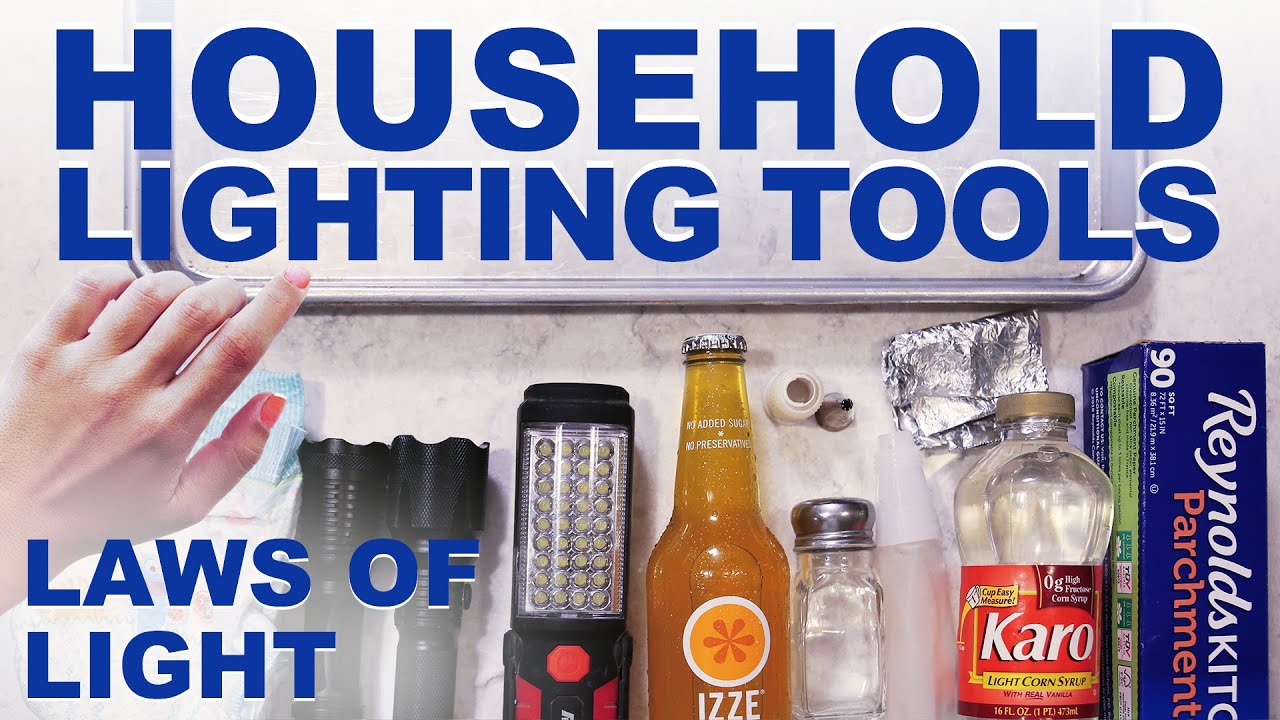
Every commercial photographer hits the same wall at some point: a client wants a polished product shot, you’re not in your studio, and the gear list you’d normally pull from is nowhere within reach. I’ve been in that position more than once, and it has a way of clarifying what you actually understand about light versus what you’ve been leaning on your equipment to solve. That’s why I keep coming back to constraint-based tutorials whenever I want to sharpen my eye.

Strobe Plus Reflector: The Two-Light Location Setup That Does the Work of Three

Strobe Plus Reflector: The Two-Light Location Setup That Does the Work of Three

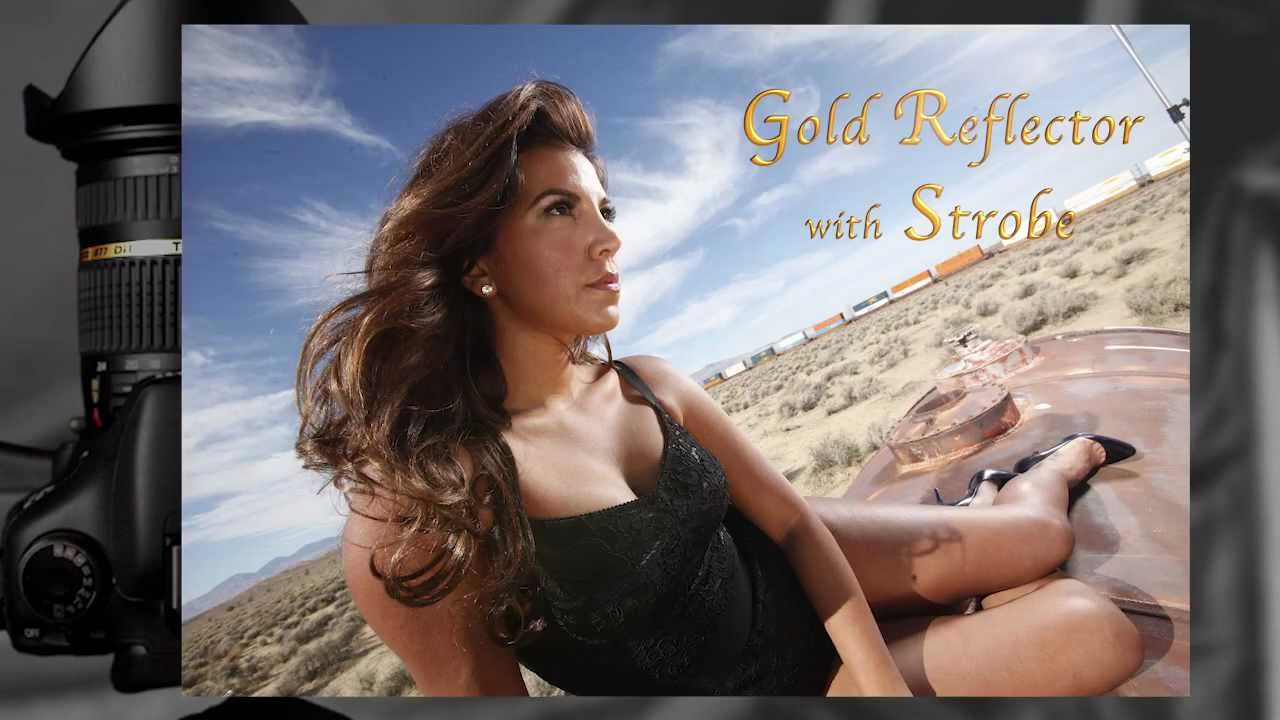
There’s a specific frustration that comes up on almost every outdoor portrait shoot, and if you’ve been doing this long enough, you know exactly what I mean. You meter for the sky, and your subject goes dark. You expose for your subject, and the sky blows out. You’re constantly trading one problem for another, and no amount of reflector-wrangling fully closes the gap. It’s the kind of thing that used to derail my editorial work before I got disciplined about treating ambient and artificial light as two separate, controllable variables rather than one problem to compromise on.

Inside a Working Portrait Studio: Gear, Lighting Logic, and the Lessons That Cost Money to Learn

Inside a Working Portrait Studio: Gear, Lighting Logic, and the Lessons That Cost Money to Learn

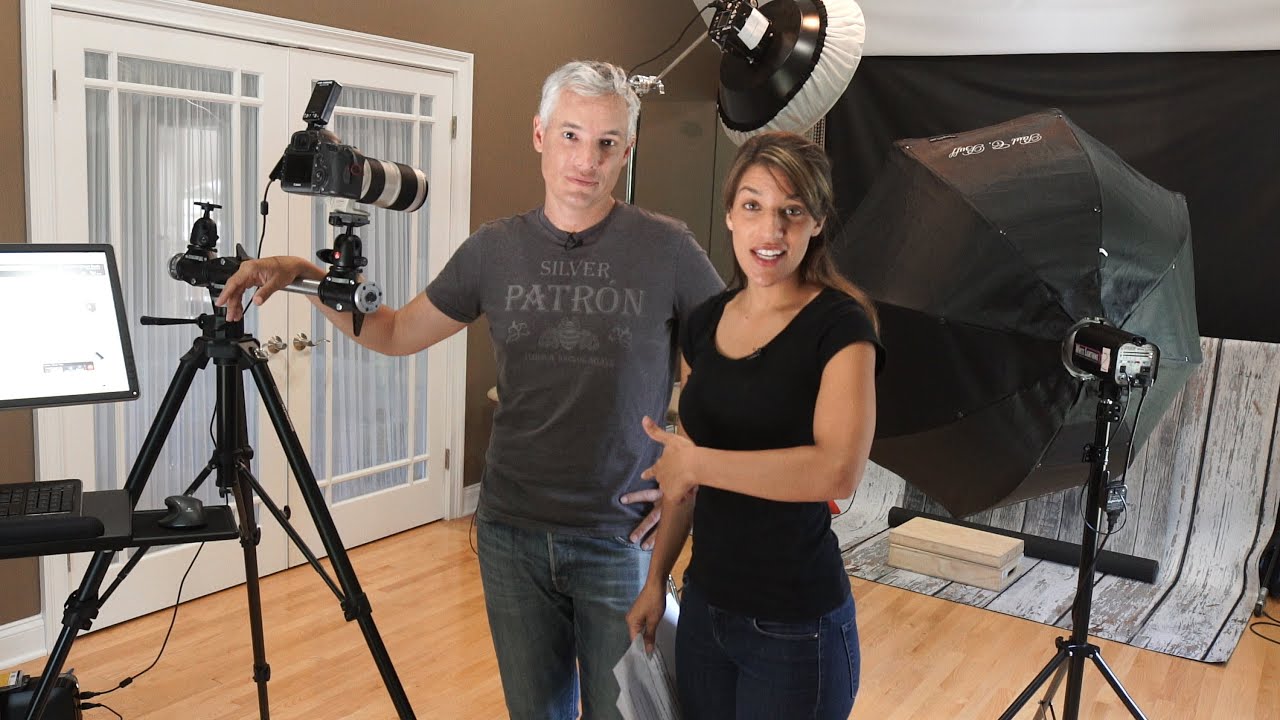
Every time I walk into my studio in Los Angeles, I spend the first ten minutes doing a checklist before a single client arrives. Sandbags on every stand. Numbers on every light. Tethering cable routed so nobody trips over it. It took me years to build that habit, and most of it came from mistakes that were embarrassing and expensive in equal measure. So when I came across Watch the full tutorial on YouTube - the Tony and Chelsea Northrup portrait studio tour - I recognized immediately that this was the kind of walkthrough I wish had existed when I was setting up my first real space.