What a Snoot Actually Does to Your Light (And When to Reach for One)

What a Snoot Actually Does to Your Light (And When to Reach for One)

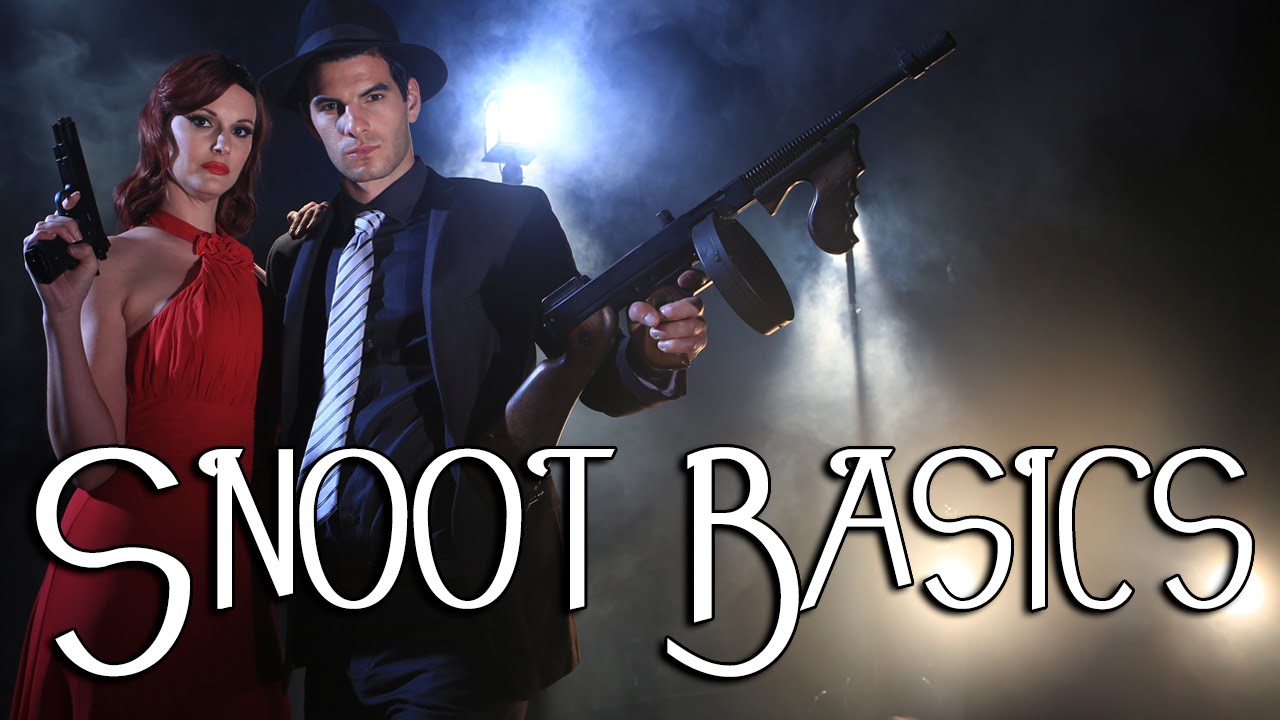
There’s a modifier sitting in most photographers’ gear bags that gets used either constantly or almost never, with very little middle ground. The snoot is one of those tools that sounds simple until you actually try to control it on a real set, and then the questions start piling up fast. How narrow is the coverage, really? How does it compare to a grid? Why does my shadow side look muddier than I expected?
10 Lighting Questions Every Studio Photographer Gets Asked (And What Aaron Nace Actually Says)

10 Lighting Questions Every Studio Photographer Gets Asked (And What Aaron Nace Actually Says)

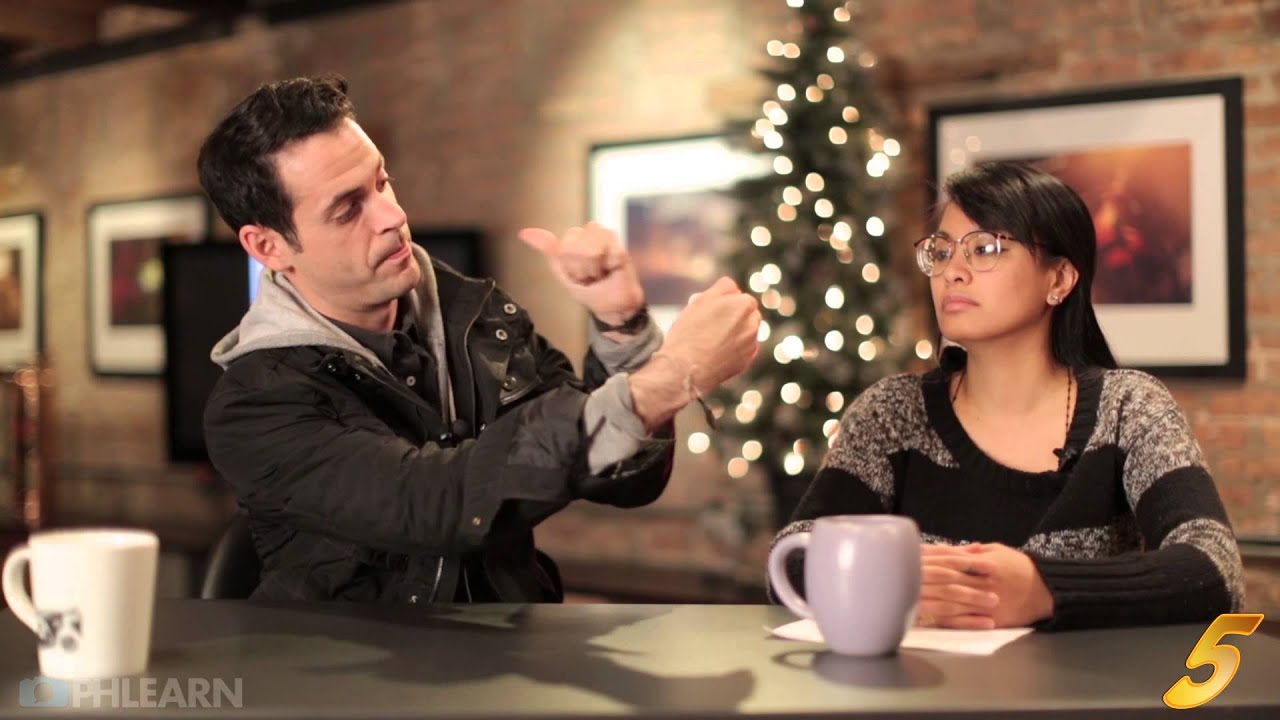
Questions about lighting land in my inbox constantly. From assistants just starting out to photographers who’ve been shooting for years but never formalized their understanding, the same handful of confusions keep surfacing. What should my histogram actually look like? What do I do when I can’t afford professional strobes? How do I stop guessing at exposure? These aren’t beginner questions, they’re foundational ones that every working photographer has to answer for themselves at some point.

Fixing Bad Studio Lighting After the Shoot: A Photoshop Workflow That Actually Works

Fixing Bad Studio Lighting After the Shoot: A Photoshop Workflow That Actually Works

Every working studio photographer has a folder somewhere they’d rather forget. Mine has a fashion editorial from my third year shooting commercially where I mixed daylight-balanced strobes with tungsten practicals and didn’t catch it until I was culling at home. The images were technically salvageable, but they cost me hours in post and a fair amount of pride. That experience is exactly why I now pay close attention to any tutorial that promises to fix lighting problems after the fact.

Inside a Working Commercial Studio: What Karl Taylor's Setup Actually Teaches You About Shooting Professionally

Inside a Working Commercial Studio: What Karl Taylor's Setup Actually Teaches You About Shooting Professionally

Every few months I walk through my own studio in Los Angeles and ask myself whether the space is working for me or against me. Lighting, storage, shooting zones, the workstation position relative to the set - these things compound. A cluttered studio is a slow studio, and a slow studio costs you clients. So when I came across this Visual Education behind-the-scenes tour of Karl Taylor’s commercial photography studio, I watched it not as a fan but as a working photographer taking notes.

Getting Your Photos Off the Screen and Onto Paper (Without Wasting a Single Large Print)

Getting Your Photos Off the Screen and Onto Paper (Without Wasting a Single Large Print)

Print day is humbling. You’ve nailed the shoot, the edit looks clean on your calibrated monitor, and you send the file off to the lab expecting something you could frame and sell. What comes back is muddy, too dark, or weirdly magenta in the skin tones. I’ve been there more times than I’d like to admit. Early in my commercial work, I ruined a full editorial run by ignoring the lab’s color profile and assuming my screen was gospel.

Beauty Dish, Fill Card, and the Posing Logic Behind a Powerful Headshot

Beauty Dish, Fill Card, and the Posing Logic Behind a Powerful Headshot

Headshots are the shoot I get called for most often that I also see done worst most often. Not because photographers don’t understand light, but because they treat headshots like portraits. They’re not the same thing. A portrait can afford to be atmospheric. A headshot has one job: make this person look like the most commanding version of themselves. That requires a completely different posing vocabulary and a lighting setup precise enough to be repeatable.

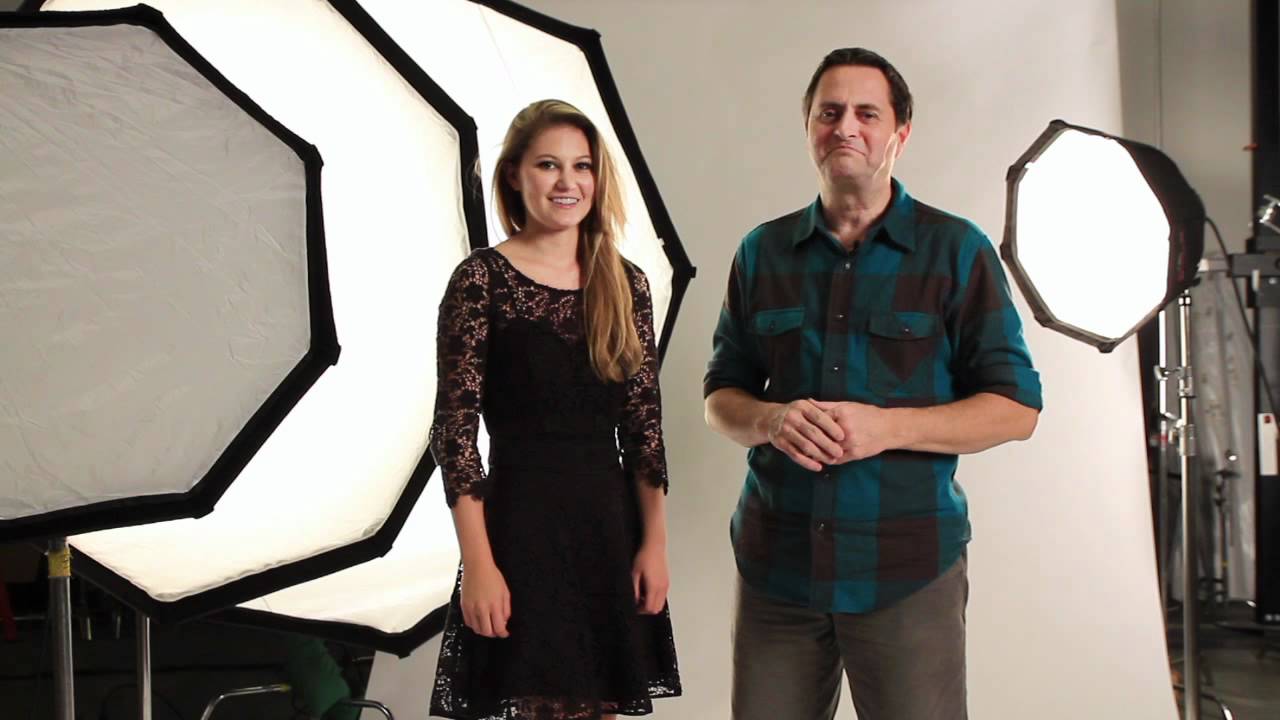
Octodomes Decoded: What Every Studio Photographer Needs to Know About Eight-Sided Light

Octodomes Decoded: What Every Studio Photographer Needs to Know About Eight-Sided Light

I test every new modifier the day it arrives. Not because I’m impatient, though I am, but because showing up to a client shoot with an untested piece of gear is how careers end quietly. So when octodomes started appearing in more of my commercial setups, I needed to understand exactly what I was getting, not just the marketing copy on the box. Size, coverage, feathering behavior, catchlight shape. All of it.

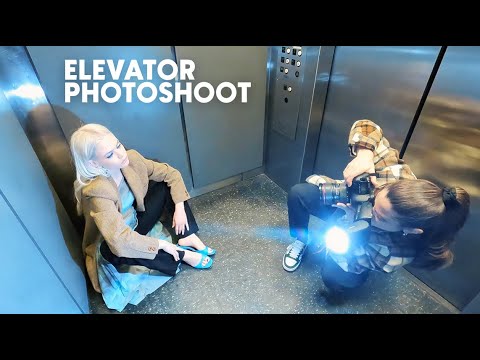
When the Studio Fails You: What Jessica Kobeissi's Elevator Shoot Teaches About Constraint Photography

When the Studio Fails You: What Jessica Kobeissi's Elevator Shoot Teaches About Constraint Photography

I’ve rented studios that let me down. A booking falls through, the space is half the size they advertised, or the location you scouted looks completely different when you actually show up with a model and a bag full of gear. Every working photographer has a version of this story. What separates the photographers who salvage the day from the ones who pack up early is a specific kind of problem-solving instinct, and it has very little to do with equipment.

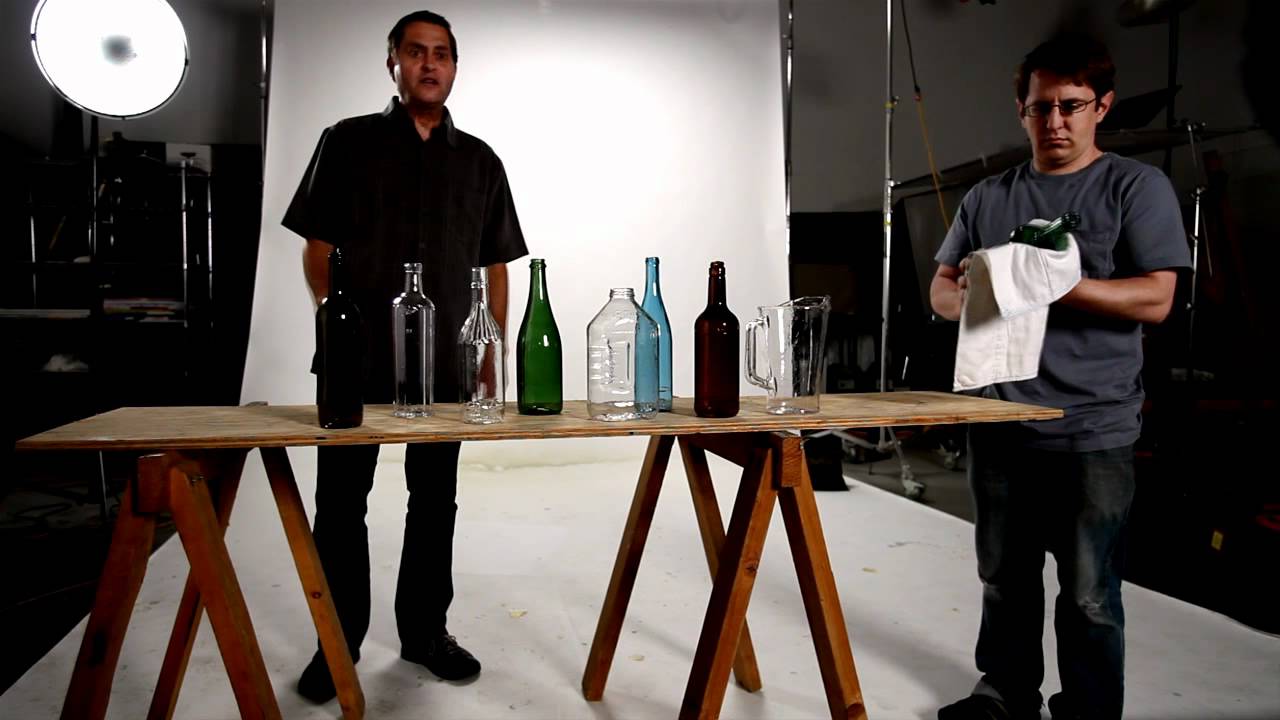
Candy Glass, Rim Lights, and a Couch Against a White Wall: What This Stunt Technique Taught Me About Scene Lighting

Candy Glass, Rim Lights, and a Couch Against a White Wall: What This Stunt Technique Taught Me About Scene Lighting

There are tutorials that teach you a technique, and then there are tutorials that accidentally teach you three techniques while pretending to teach you one. In this The Slanted Lens tutorial by JP Morgan, the stated subject is how to make breakaway candy glass, the kind Hollywood prop departments have been fabricating since the early days of film. But if you pay attention past the candy thermometer and the corn syrup, there’s a complete multi-light scene setup buried in the second half, and that’s the part I keep coming back to.

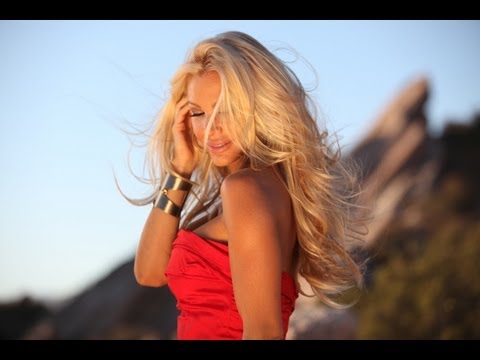
Use Depth of Field as a Design Decision, Not an Afterthought: Lessons from Vasquez Rocks

Use Depth of Field as a Design Decision, Not an Afterthought: Lessons from Vasquez Rocks

Most of my work happens in a controlled studio environment where I can label every light with masking tape, dial in my ratios, and sketch the setup in my lighting journal before I fire a single frame. But location work strips all of that away. The background is whatever it is. The sun moves whether you want it to or not. And if you haven’t thought through how your lens choice and aperture are going to shape the image before you arrive, you end up fighting the environment instead of using it.

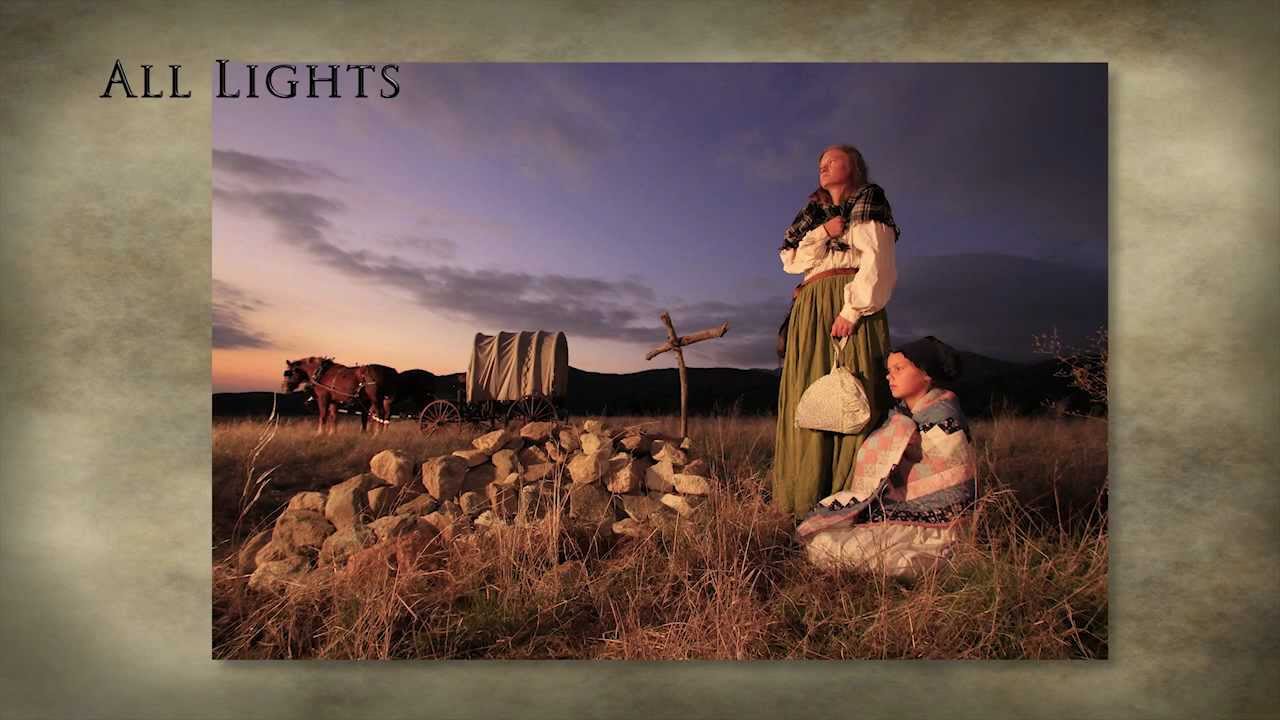
How to Hand Off from Natural Light to Strobes Without Losing the Sky

How to Hand Off from Natural Light to Strobes Without Losing the Sky

There is a specific kind of panic that hits when you are on location, the ambient light is dropping faster than you planned, and you still have half your shot list to finish. I have been there more times than I care to count, and for years my solution was either to push ISO until the image fell apart or to pack up and reschedule. Neither option is acceptable when a client is standing next to you.

Flash Duration Is the Spec Sheet Lie That's Been Blurring Your Shots

Flash Duration Is the Spec Sheet Lie That's Been Blurring Your Shots

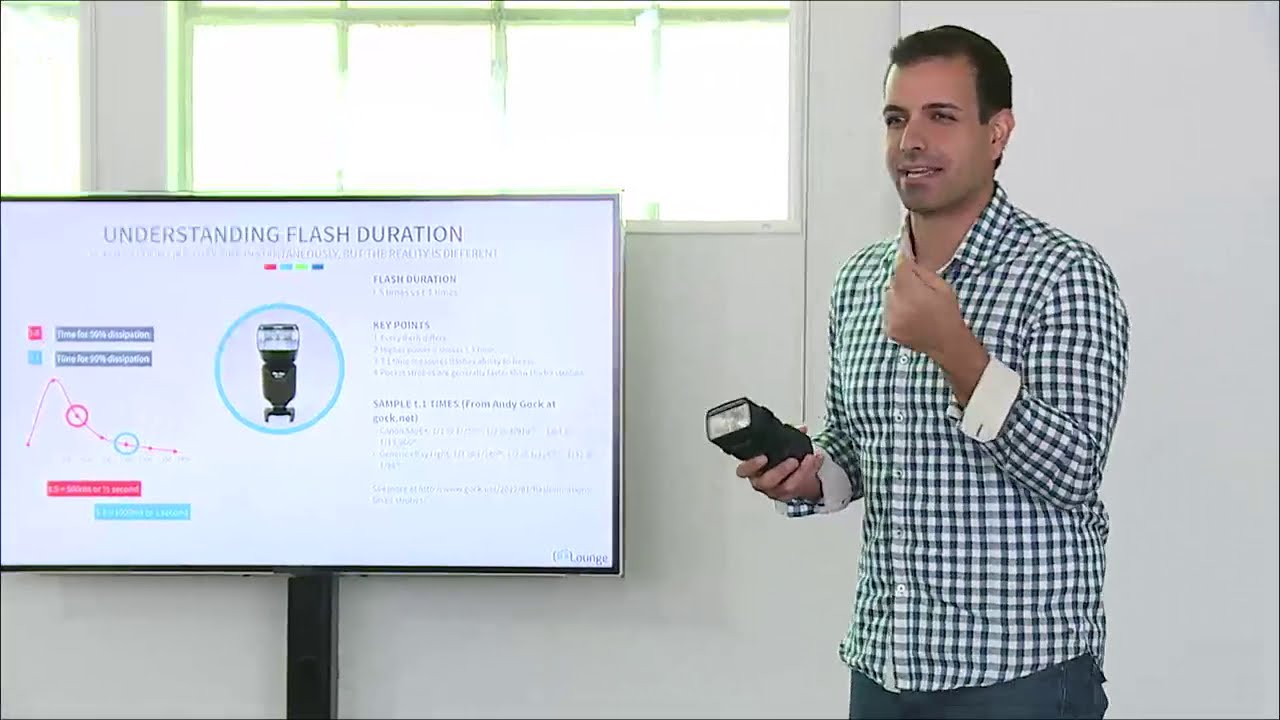
There’s a number buried in your flash’s spec sheet that most photographers never look at, and it’s quietly responsible for more soft, blurry images than any camera shake or missed focus. I spent years blaming myself for motion blur on full-power strobe shots before I understood what was actually happening inside the flash head. The spec sheet said my strobes were fast. My images said otherwise. It wasn’t until I sat down with this CreativeLive tutorial on flash duration that the whole thing finally clicked into a framework I could actually use on set.