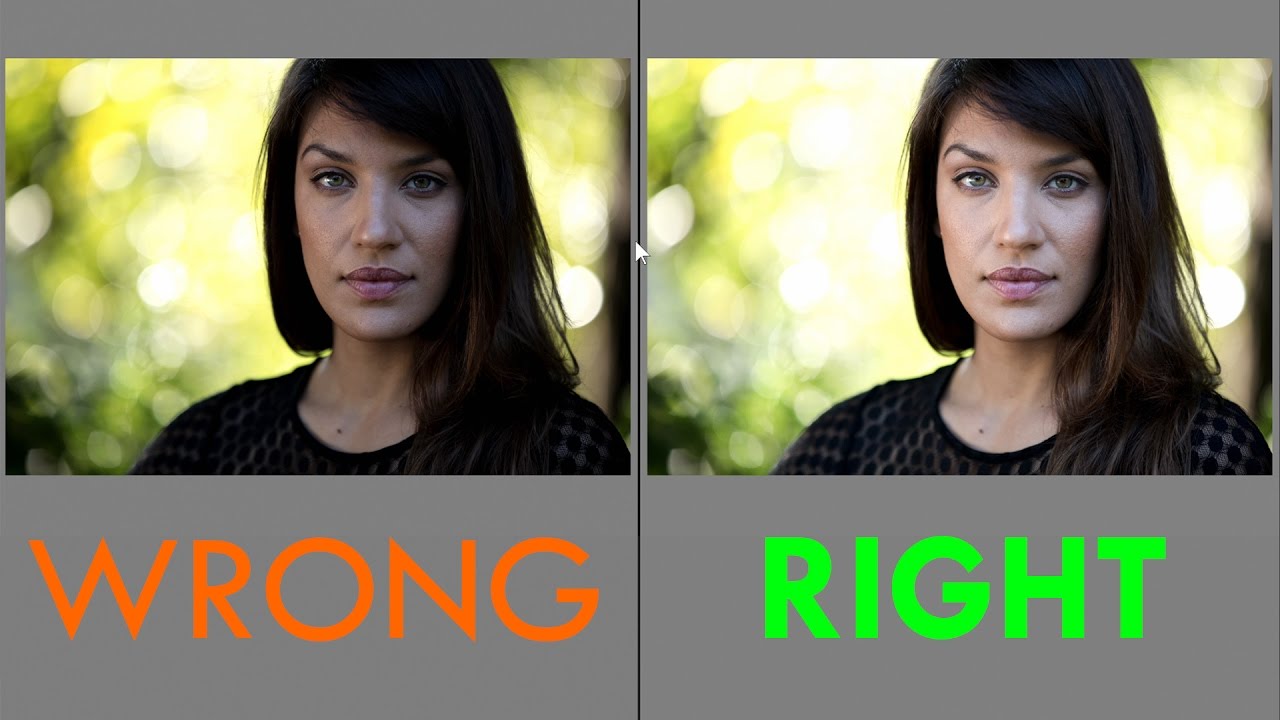
Why Your Portrait Subjects Look Muddy (And How to Fix It in 60 Seconds)

Why Your Portrait Subjects Look Muddy (And How to Fix It in 60 Seconds)

Every working photographer I know has a version of this story. You’re reviewing a shoot, the histograms all look reasonable, the backgrounds are clean, and then you zoom in on your subject’s face and it’s just… dim. Flat. Like someone left the key light two stops too low. The camera did exactly what it was designed to do, and the portrait still came out wrong. This is the single most common exposure mistake in portrait photography, and it took me longer than I’d like to admit to develop a reliable habit around it.
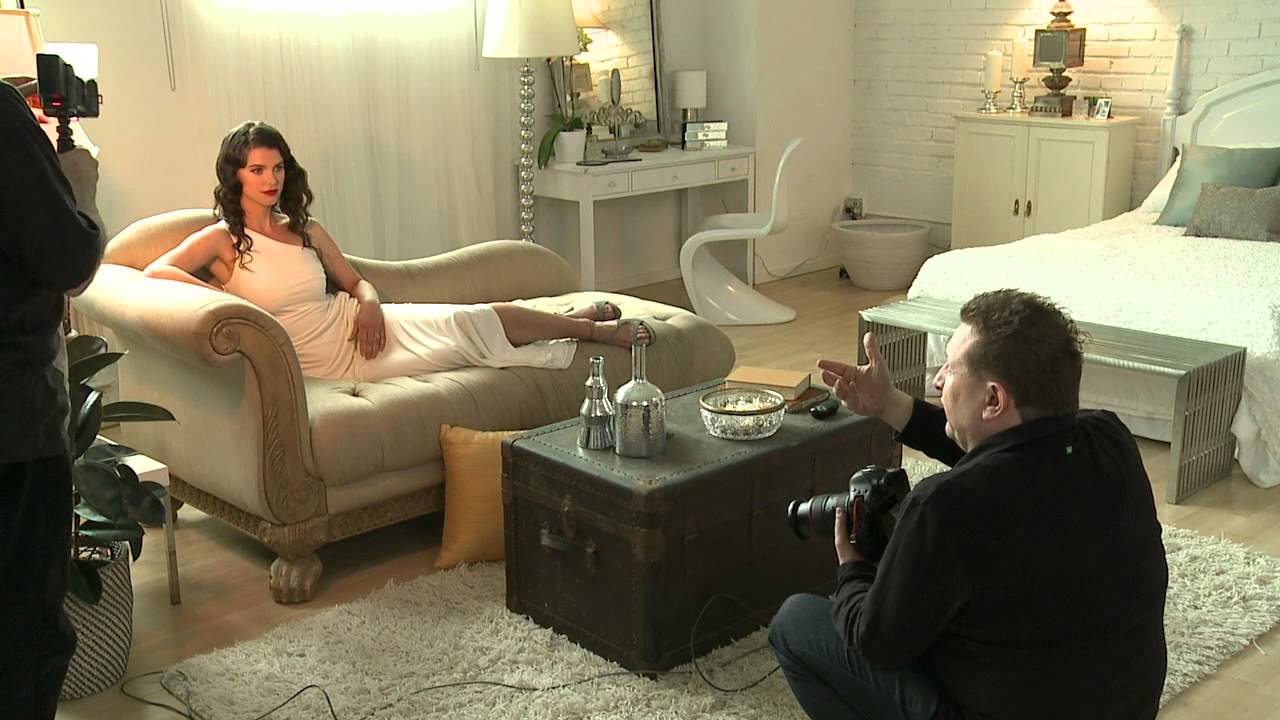
Shooting Warm Light Against a Blue Background: A Bridal Portrait Technique Worth Stealing

Shooting Warm Light Against a Blue Background: A Bridal Portrait Technique Worth Stealing

There’s a mistake I made early in my career that I still think about. I was shooting an editorial and the window light was pouring in cool and blue while my tungsten modeling lights were throwing warm amber everywhere. I corrected everything to a neutral skin tone in post, and the images looked flat and lifeless. I had unknowingly solved the wrong problem. What I should have done was let those two color temperatures fight each other, and lean into the contrast instead of erasing it.

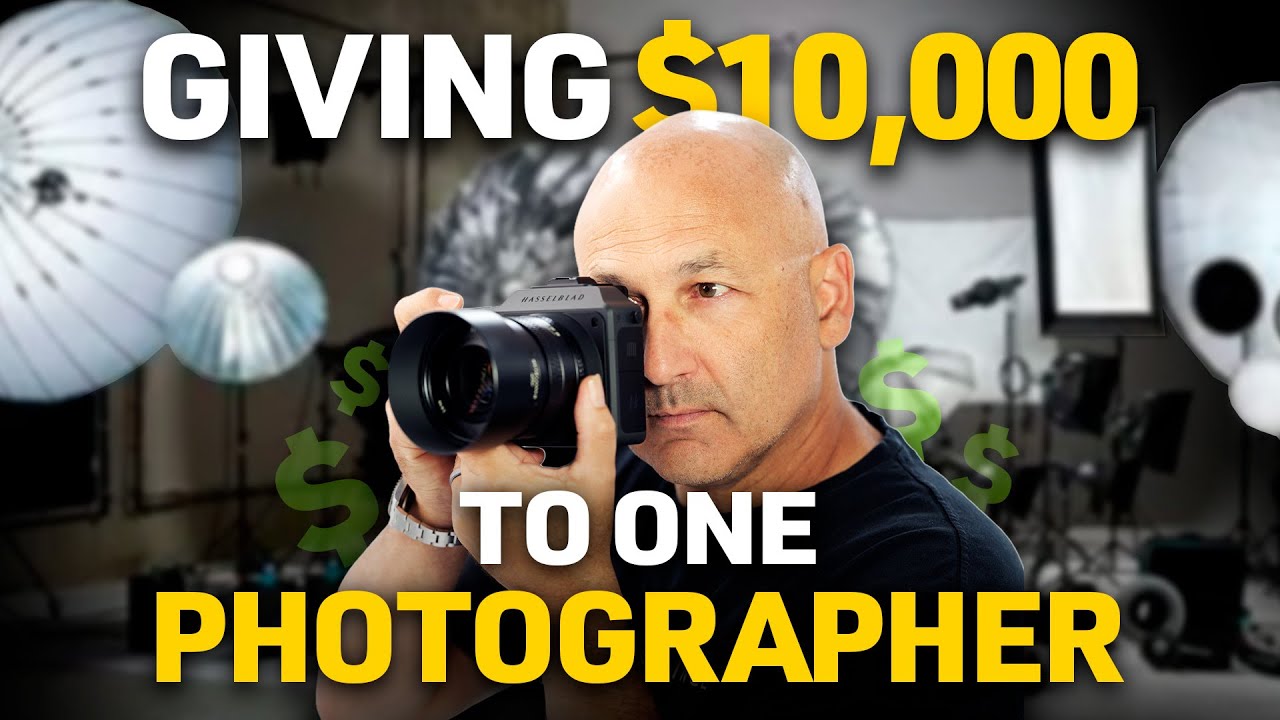
How Visual Education's $10,000 Gear Giveaway Actually Works (And Why Your Odds Are Better Than You Think)

How Visual Education's $10,000 Gear Giveaway Actually Works (And Why Your Odds Are Better Than You Think)

Every year I watch photographers burn enormous energy chasing a single contest win. One image, one submission, one shot at a prize. The odds are brutal and the feedback loop is nearly nonexistent. You either win or you disappear into the void. So when I came across this Visual Education tutorial explaining how they’ve restructured their entire annual competition around consistent participation rather than a single lucky frame, I paid close attention.

The Model as Modifier: How to Shoot Pure Backlight Without Destroying Your Subject's Face

The Model as Modifier: How to Shoot Pure Backlight Without Destroying Your Subject's Face

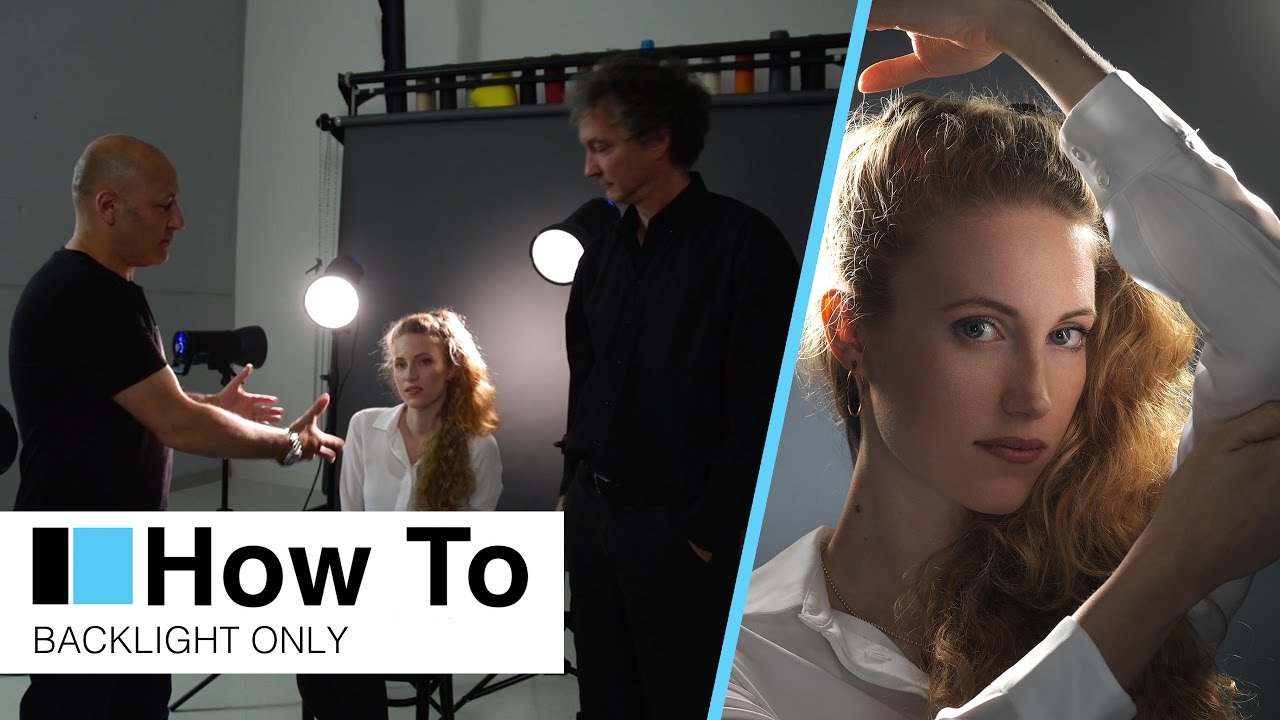
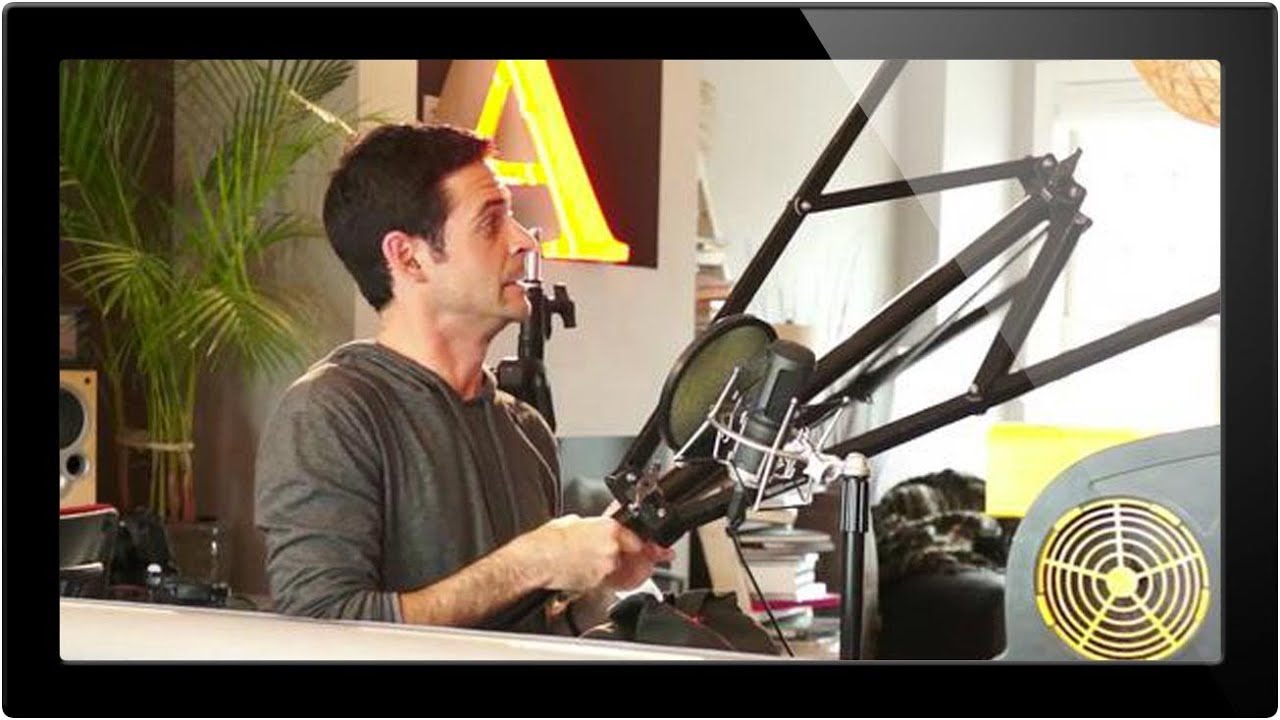
Backlighting is one of those techniques I keep returning to, not because it’s easy, but because nothing else produces that quality of edge light and depth that makes a portrait look genuinely three-dimensional. The problem is that pure backlight is also one of the fastest ways to wreck a shot. You get blown rim light, a crushed, featureless face, and enough lens flare to sink a fashion campaign. I’ve been in that situation more times than I’d like to admit, which is why this Visual Education tutorial featuring broncolor stopped me mid-scroll.

Two Lights, Thirty Minutes: How to Nail a Corporate Group Shot on Location

Two Lights, Thirty Minutes: How to Nail a Corporate Group Shot on Location

Corporate group shots are the kind of assignment that can quietly ruin your day if you haven’t thought them through. You finish individual portraits, the client is happy, and then someone says “can we get the whole team together?” You have thirty minutes, the background is whatever it is, and six or eight people are about to look at you like you know exactly what you’re doing. I’ve been in that position more times than I want to count, and my early attempts at group work were embarrassing.

How to Light Chrome on Location: Controlling Reflections When You Can't Control the Environment

How to Light Chrome on Location: Controlling Reflections When You Can't Control the Environment

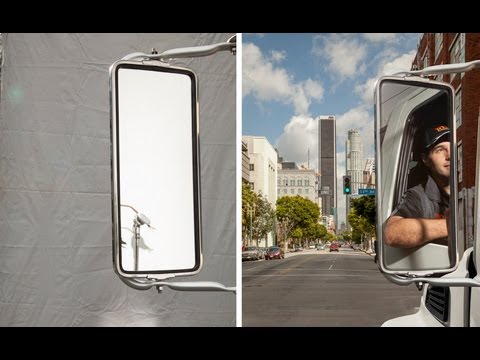
Chrome is the material that exposes every amateur lighting decision. It doesn’t care how much gear you brought. It reflects everything around it with total honesty, and most of what surrounds a location shoot is visual noise. I’ve lost count of how many times I’ve seen photographers aim a strobe at a shiny surface and wonder why the result looks like a carnival mirror. The problem is never the light you put on the chrome.

One Light, Two Lights, Three Lights: What Jessica Kobeissi's Studio Setup Tutorial Actually Teaches You

One Light, Two Lights, Three Lights: What Jessica Kobeissi's Studio Setup Tutorial Actually Teaches You

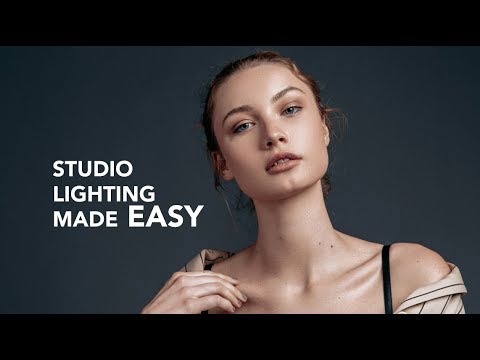
Most photographers overcomplicate their first studio setup. They buy three lights before they understand one, then wonder why their images still look flat. I did the same thing early in my career, and I’ve watched a lot of new photographers make that same expensive mistake. What I appreciate about this Jessica Kobeissi tutorial, shot with photographer Jake Thomas, is that it does the opposite: it builds from a single light outward, showing you what each additional source actually contributes before you spend a dollar on it.

Studio Time-Lapse with Strobes: How to Build a Moving, Cinematic Scene from Scratch

Studio Time-Lapse with Strobes: How to Build a Moving, Cinematic Scene from Scratch

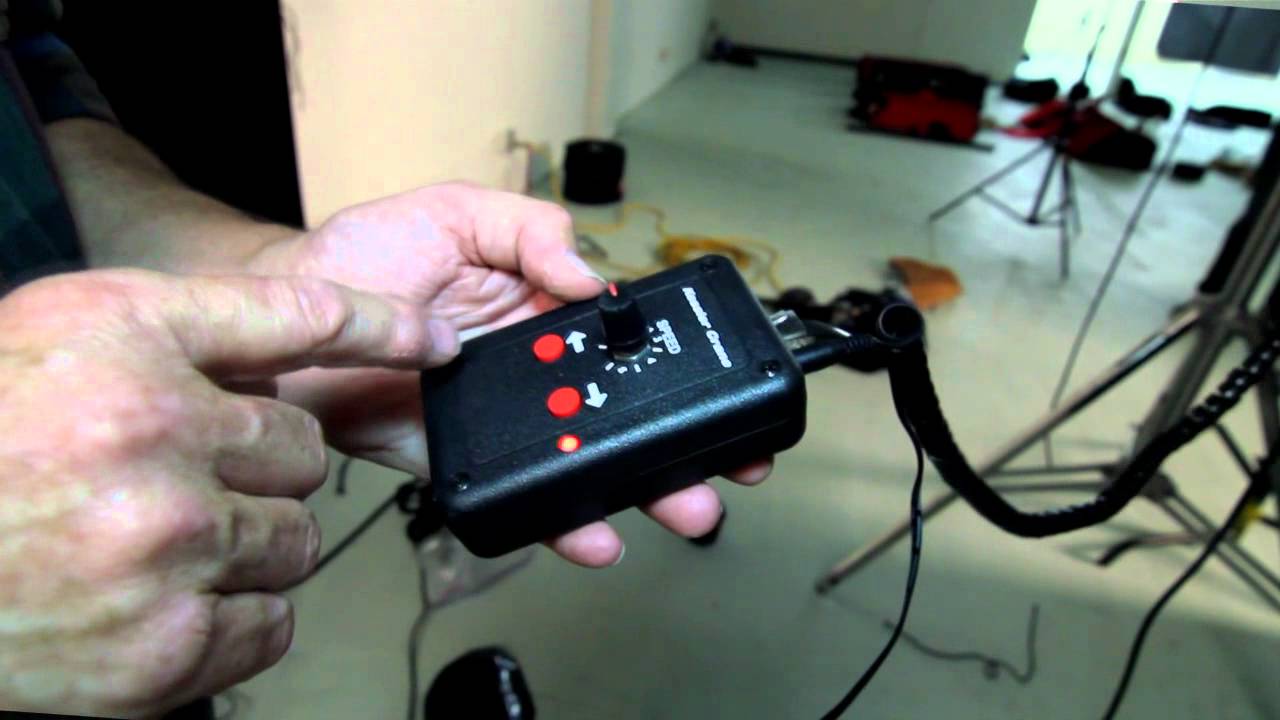
There are problems in commercial studio work that nobody warns you about until they cost you a job. Time-lapse is one of them. Clients ask for it more than they used to, especially for social content and behind-the-scenes brand work, and the default assumption is that you just point the camera at something and let it run. What they don’t account for is the complexity that comes when you want to control the light completely, which is every studio shooter’s instinct.

Short Lighting Is My Default Dramatic Setup — Here's How to Build It Right

Short Lighting Is My Default Dramatic Setup — Here's How to Build It Right

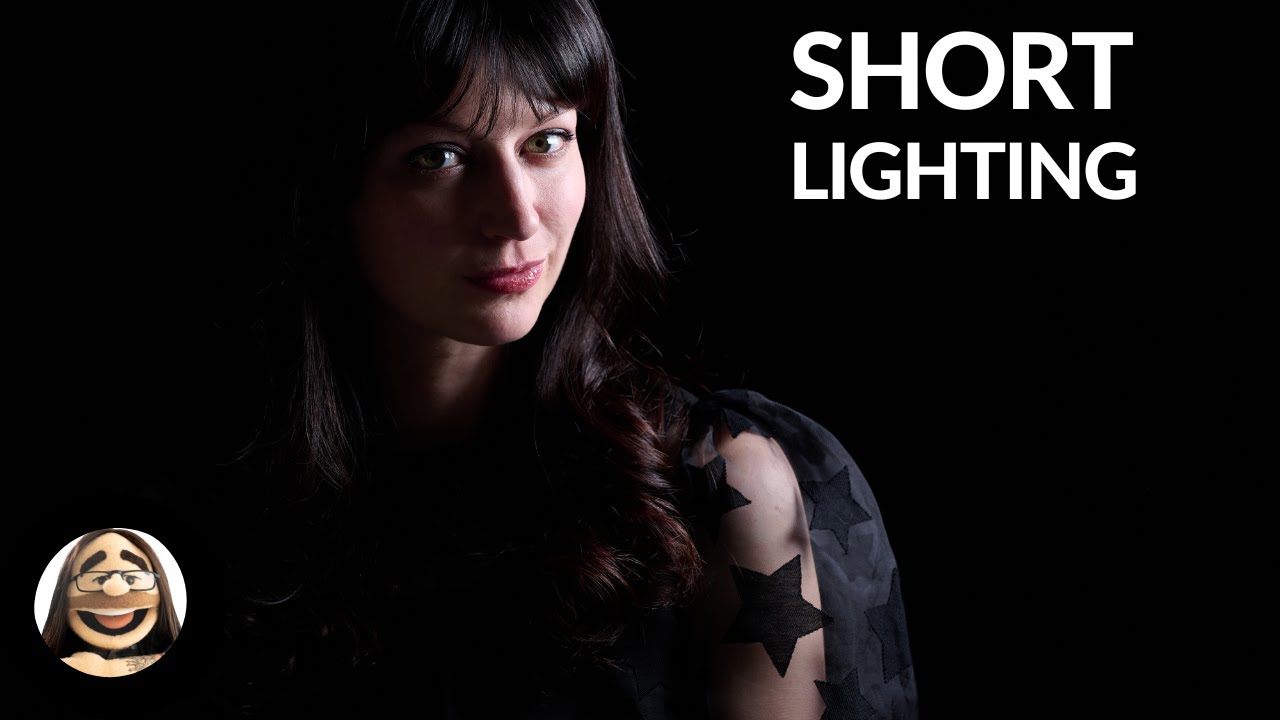
There is a specific problem I run into about four times a year on editorial shoots: a client wants “moody and cinematic” but gives me a flat, white cyclorama and exactly zero set design budget. No texture, no shadow, no depth. What saves me every time is short lighting. Not because it is trendy, not because it slims a face (though it can), but because it manufactures drama out of geometry alone.

You Don't Need a Real Studio — You Need These Five Things

You Don't Need a Real Studio — You Need These Five Things

One of the most persistent myths in professional photography is that studio-quality images require an actual studio. I’ve shot beauty campaigns on a garage floor and editorial spreads in a borrowed living room, and the clients never knew the difference. The background looks clean, the light is controlled, and nobody is asking whether you paid monthly rent on a Culver City space to pull it off. That’s the part most working photographers keep to themselves.

The 5 Portrait Lighting Positions Every Studio Photographer Must Own

The 5 Portrait Lighting Positions Every Studio Photographer Must Own

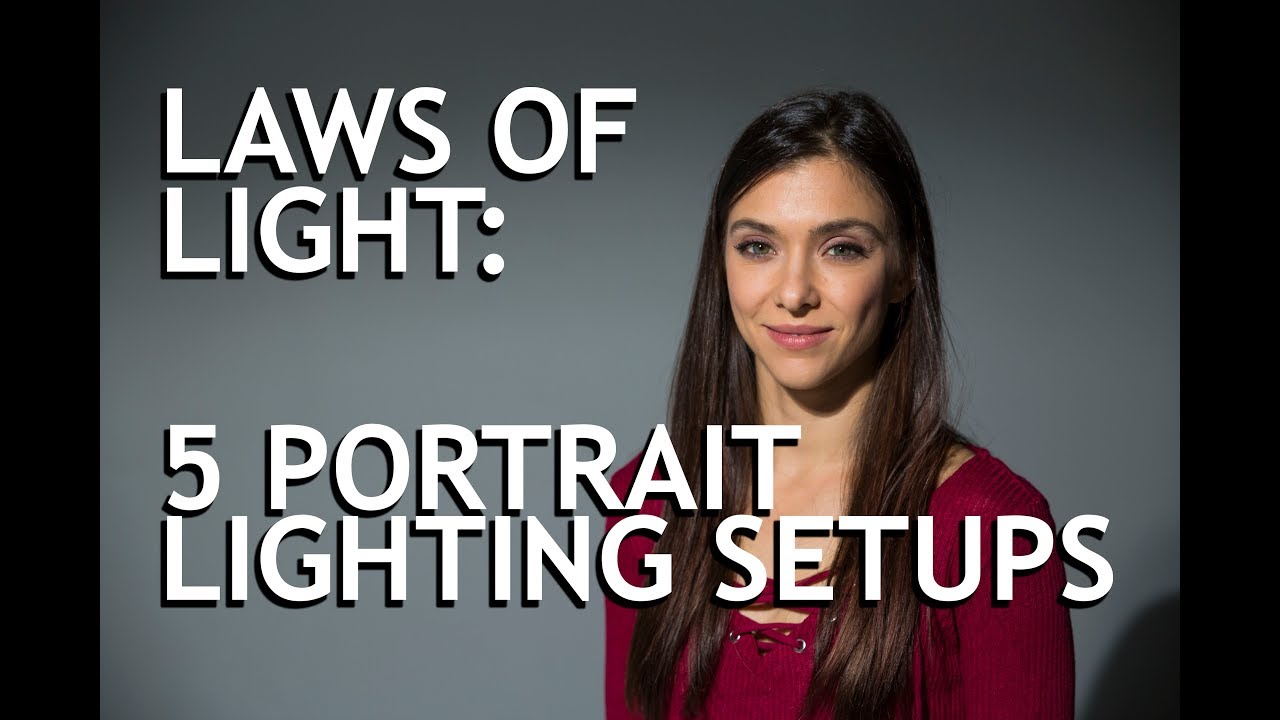
I keep a lighting journal. Every setup from every shoot gets a sketch, a note on the modifier, and a quick read on what worked and what didn’t. After years of filling those pages, I can tell you that nearly every diagram traces back to one of five foundational positions. Knowing them isn’t optional if you want to light with intention rather than accident. They are the grammar of portrait lighting, and without them you’re just guessing.

What Roberto Valenzuela's Wedding Evolution Taught Me About Seeing a Location Before You Shoot It

What Roberto Valenzuela's Wedding Evolution Taught Me About Seeing a Location Before You Shoot It

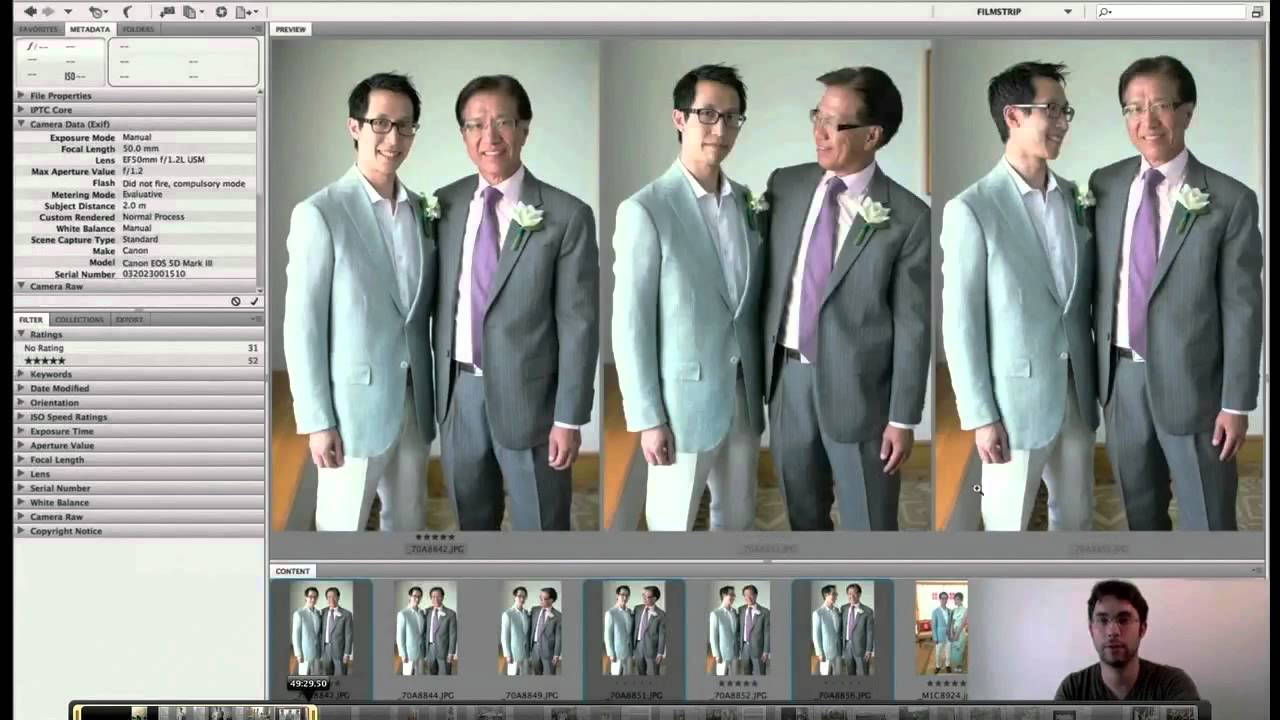
I shoot in a controlled environment almost every day. Strobes on stands, tape marks on the floor, modifiers I’ve tested a dozen times before a client walks in. The variables are mine to set. Wedding photographers don’t get that luxury, and for a long time I let that difference make me dismissive of what they do. Then I watched Roberto Valenzuela walk through an entire Hawaii wedding shoot, frame by frame, explaining not just what he captured but where he stood, where he refused to stand, and exactly why.