When the Studio Fails You: What Jessica Kobeissi's Elevator Shoot Teaches About Constraint Photography

When the Studio Fails You: What Jessica Kobeissi's Elevator Shoot Teaches About Constraint Photography

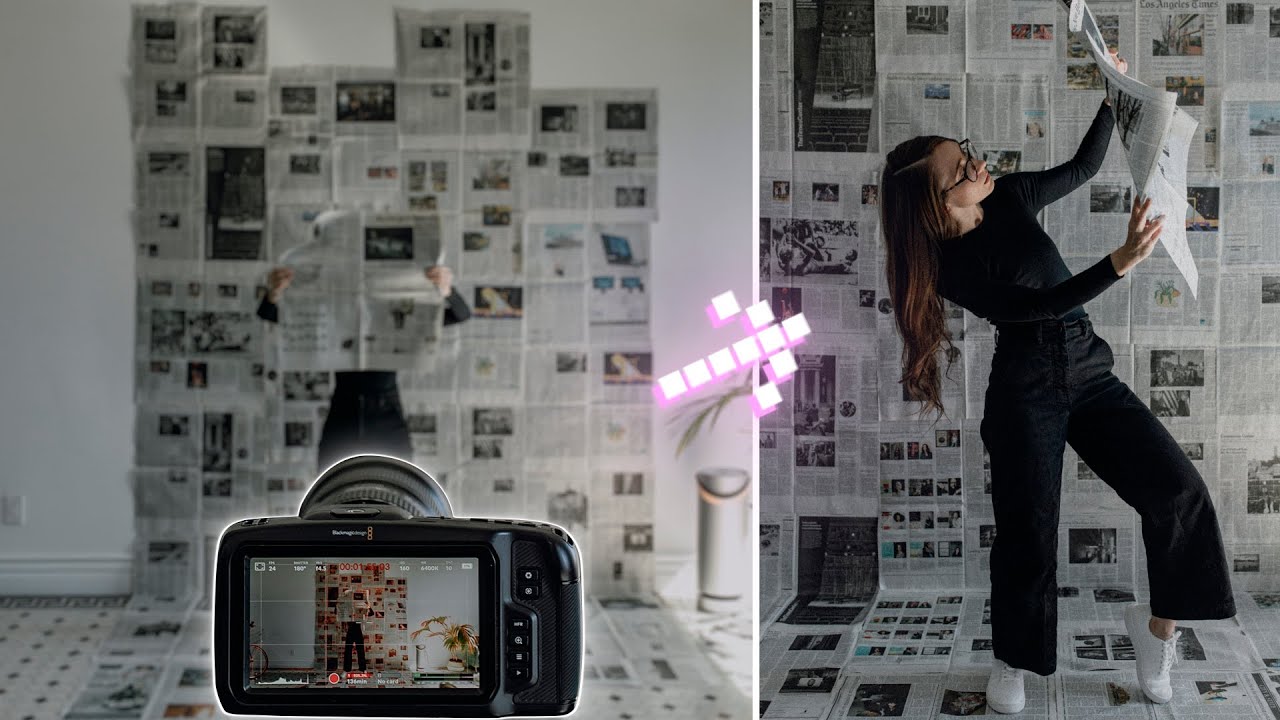
I’ve rented studios that let me down. A booking falls through, the space is half the size they advertised, or the location you scouted looks completely different when you actually show up with a model and a bag full of gear. Every working photographer has a version of this story. What separates the photographers who salvage the day from the ones who pack up early is a specific kind of problem-solving instinct, and it has very little to do with equipment.

Candy Glass, Rim Lights, and a Couch Against a White Wall: What This Stunt Technique Taught Me About Scene Lighting

Candy Glass, Rim Lights, and a Couch Against a White Wall: What This Stunt Technique Taught Me About Scene Lighting

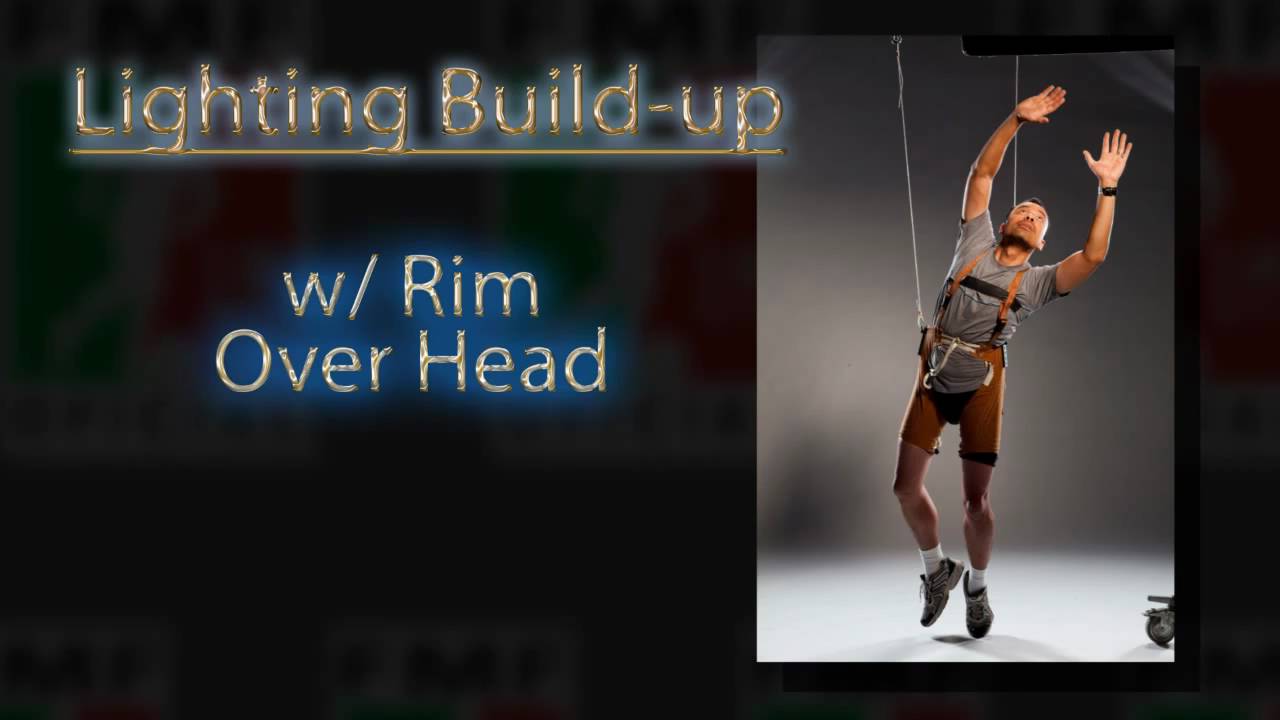
There are tutorials that teach you a technique, and then there are tutorials that accidentally teach you three techniques while pretending to teach you one. In this The Slanted Lens tutorial by JP Morgan, the stated subject is how to make breakaway candy glass, the kind Hollywood prop departments have been fabricating since the early days of film. But if you pay attention past the candy thermometer and the corn syrup, there’s a complete multi-light scene setup buried in the second half, and that’s the part I keep coming back to.

Use Depth of Field as a Design Decision, Not an Afterthought: Lessons from Vasquez Rocks

Use Depth of Field as a Design Decision, Not an Afterthought: Lessons from Vasquez Rocks

Most of my work happens in a controlled studio environment where I can label every light with masking tape, dial in my ratios, and sketch the setup in my lighting journal before I fire a single frame. But location work strips all of that away. The background is whatever it is. The sun moves whether you want it to or not. And if you haven’t thought through how your lens choice and aperture are going to shape the image before you arrive, you end up fighting the environment instead of using it.

How to Hand Off from Natural Light to Strobes Without Losing the Sky

How to Hand Off from Natural Light to Strobes Without Losing the Sky

There is a specific kind of panic that hits when you are on location, the ambient light is dropping faster than you planned, and you still have half your shot list to finish. I have been there more times than I care to count, and for years my solution was either to push ISO until the image fell apart or to pack up and reschedule. Neither option is acceptable when a client is standing next to you.

Flash Duration Is the Spec Sheet Lie That's Been Blurring Your Shots

Flash Duration Is the Spec Sheet Lie That's Been Blurring Your Shots

There’s a number buried in your flash’s spec sheet that most photographers never look at, and it’s quietly responsible for more soft, blurry images than any camera shake or missed focus. I spent years blaming myself for motion blur on full-power strobe shots before I understood what was actually happening inside the flash head. The spec sheet said my strobes were fast. My images said otherwise. It wasn’t until I sat down with this CreativeLive tutorial on flash duration that the whole thing finally clicked into a framework I could actually use on set.

Why Your Portrait Subjects Look Muddy (And How to Fix It in 60 Seconds)

Why Your Portrait Subjects Look Muddy (And How to Fix It in 60 Seconds)

Every working photographer I know has a version of this story. You’re reviewing a shoot, the histograms all look reasonable, the backgrounds are clean, and then you zoom in on your subject’s face and it’s just… dim. Flat. Like someone left the key light two stops too low. The camera did exactly what it was designed to do, and the portrait still came out wrong. This is the single most common exposure mistake in portrait photography, and it took me longer than I’d like to admit to develop a reliable habit around it.

Shooting Warm Light Against a Blue Background: A Bridal Portrait Technique Worth Stealing

Shooting Warm Light Against a Blue Background: A Bridal Portrait Technique Worth Stealing

There’s a mistake I made early in my career that I still think about. I was shooting an editorial and the window light was pouring in cool and blue while my tungsten modeling lights were throwing warm amber everywhere. I corrected everything to a neutral skin tone in post, and the images looked flat and lifeless. I had unknowingly solved the wrong problem. What I should have done was let those two color temperatures fight each other, and lean into the contrast instead of erasing it.

How Visual Education's $10,000 Gear Giveaway Actually Works (And Why Your Odds Are Better Than You Think)

How Visual Education's $10,000 Gear Giveaway Actually Works (And Why Your Odds Are Better Than You Think)

Every year I watch photographers burn enormous energy chasing a single contest win. One image, one submission, one shot at a prize. The odds are brutal and the feedback loop is nearly nonexistent. You either win or you disappear into the void. So when I came across this Visual Education tutorial explaining how they’ve restructured their entire annual competition around consistent participation rather than a single lucky frame, I paid close attention.

The Model as Modifier: How to Shoot Pure Backlight Without Destroying Your Subject's Face

The Model as Modifier: How to Shoot Pure Backlight Without Destroying Your Subject's Face

Backlighting is one of those techniques I keep returning to, not because it’s easy, but because nothing else produces that quality of edge light and depth that makes a portrait look genuinely three-dimensional. The problem is that pure backlight is also one of the fastest ways to wreck a shot. You get blown rim light, a crushed, featureless face, and enough lens flare to sink a fashion campaign. I’ve been in that situation more times than I’d like to admit, which is why this Visual Education tutorial featuring broncolor stopped me mid-scroll.

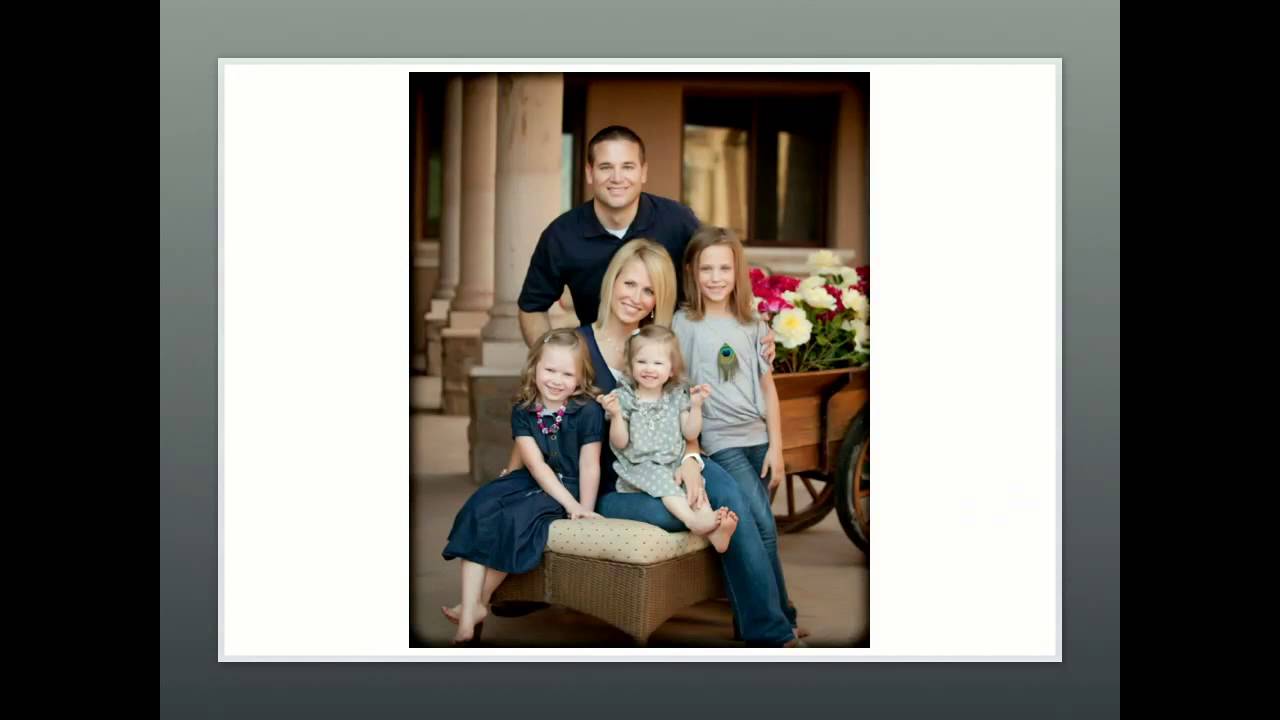
Two Lights, Thirty Minutes: How to Nail a Corporate Group Shot on Location

Two Lights, Thirty Minutes: How to Nail a Corporate Group Shot on Location

Corporate group shots are the kind of assignment that can quietly ruin your day if you haven’t thought them through. You finish individual portraits, the client is happy, and then someone says “can we get the whole team together?” You have thirty minutes, the background is whatever it is, and six or eight people are about to look at you like you know exactly what you’re doing. I’ve been in that position more times than I want to count, and my early attempts at group work were embarrassing.

How to Light Chrome on Location: Controlling Reflections When You Can't Control the Environment

How to Light Chrome on Location: Controlling Reflections When You Can't Control the Environment

Chrome is the material that exposes every amateur lighting decision. It doesn’t care how much gear you brought. It reflects everything around it with total honesty, and most of what surrounds a location shoot is visual noise. I’ve lost count of how many times I’ve seen photographers aim a strobe at a shiny surface and wonder why the result looks like a carnival mirror. The problem is never the light you put on the chrome.

One Light, Two Lights, Three Lights: What Jessica Kobeissi's Studio Setup Tutorial Actually Teaches You

One Light, Two Lights, Three Lights: What Jessica Kobeissi's Studio Setup Tutorial Actually Teaches You

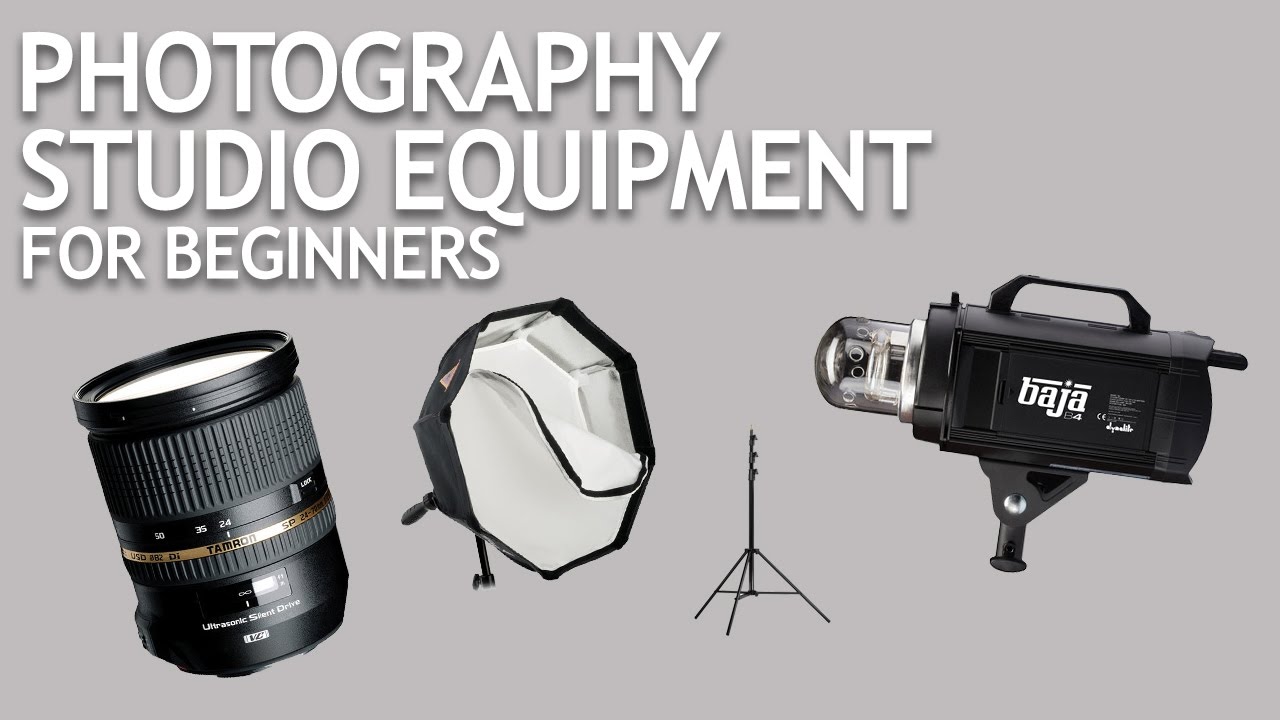
Most photographers overcomplicate their first studio setup. They buy three lights before they understand one, then wonder why their images still look flat. I did the same thing early in my career, and I’ve watched a lot of new photographers make that same expensive mistake. What I appreciate about this Jessica Kobeissi tutorial, shot with photographer Jake Thomas, is that it does the opposite: it builds from a single light outward, showing you what each additional source actually contributes before you spend a dollar on it.