Studio Time-Lapse with Strobes: How to Build a Moving, Cinematic Scene from Scratch

Studio Time-Lapse with Strobes: How to Build a Moving, Cinematic Scene from Scratch

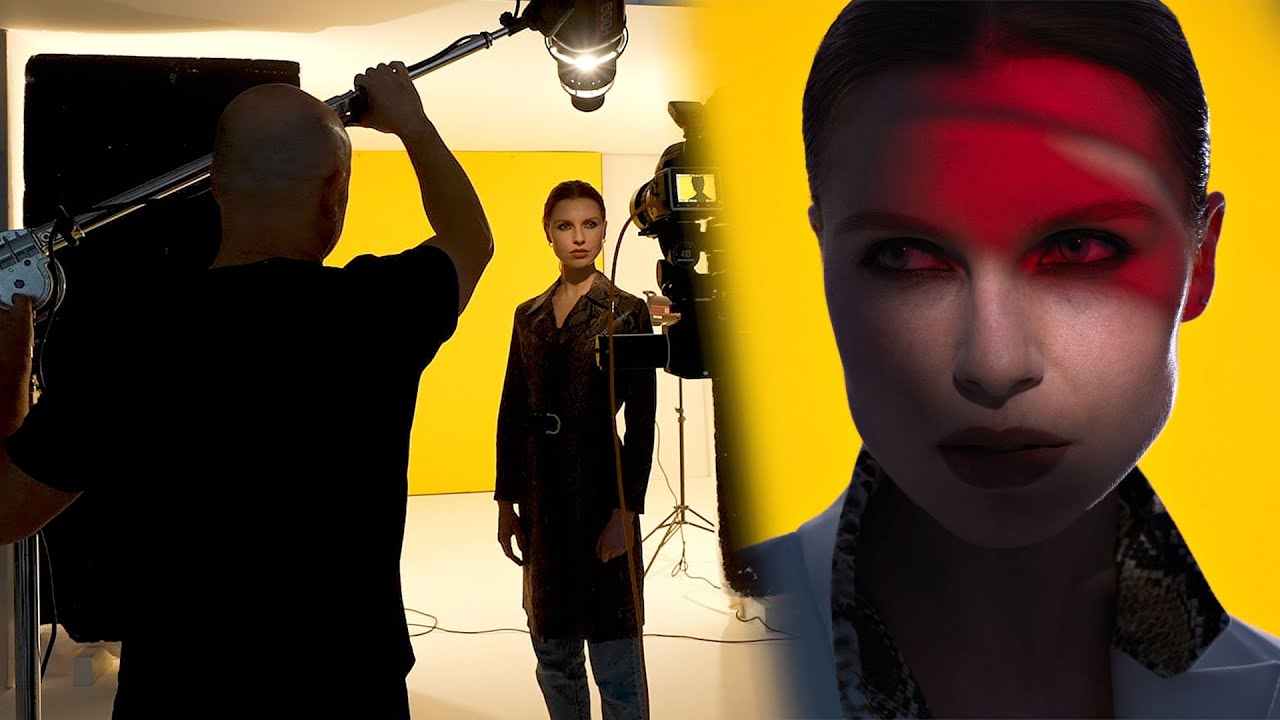
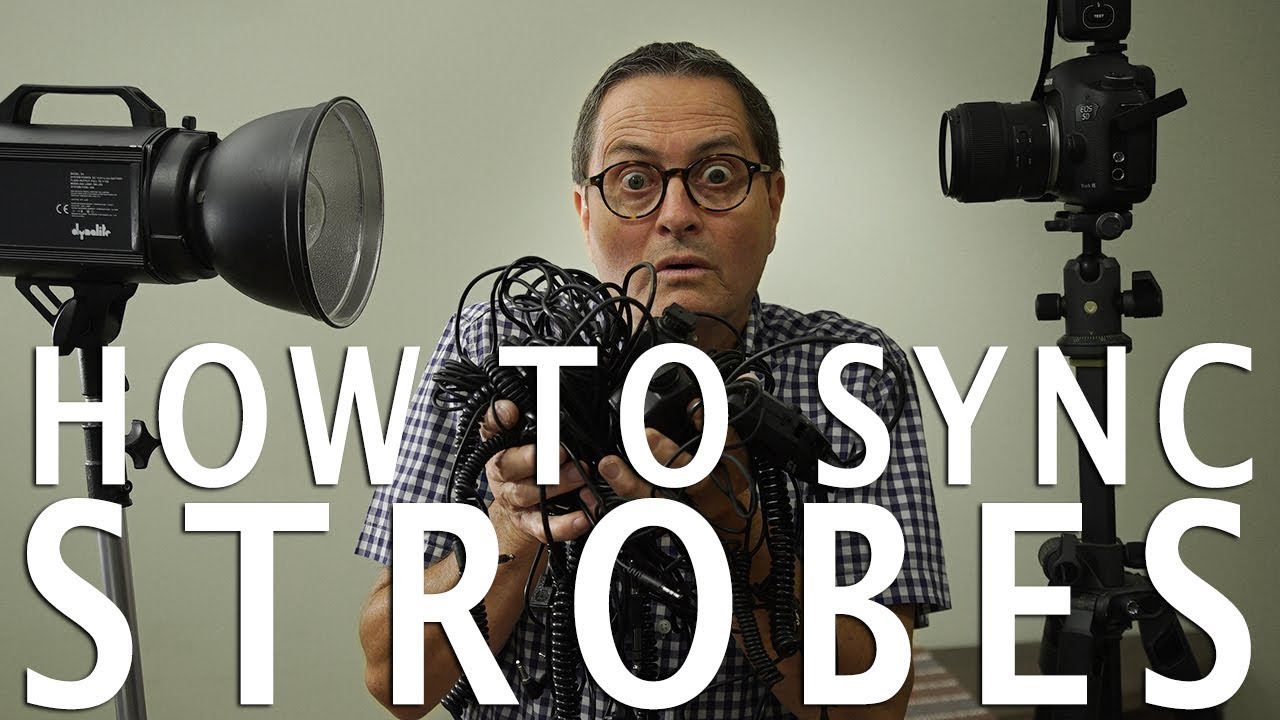
There are problems in commercial studio work that nobody warns you about until they cost you a job. Time-lapse is one of them. Clients ask for it more than they used to, especially for social content and behind-the-scenes brand work, and the default assumption is that you just point the camera at something and let it run. What they don’t account for is the complexity that comes when you want to control the light completely, which is every studio shooter’s instinct.

Short Lighting Is My Default Dramatic Setup — Here's How to Build It Right

Short Lighting Is My Default Dramatic Setup — Here's How to Build It Right

There is a specific problem I run into about four times a year on editorial shoots: a client wants “moody and cinematic” but gives me a flat, white cyclorama and exactly zero set design budget. No texture, no shadow, no depth. What saves me every time is short lighting. Not because it is trendy, not because it slims a face (though it can), but because it manufactures drama out of geometry alone.

You Don't Need a Real Studio — You Need These Five Things

You Don't Need a Real Studio — You Need These Five Things

One of the most persistent myths in professional photography is that studio-quality images require an actual studio. I’ve shot beauty campaigns on a garage floor and editorial spreads in a borrowed living room, and the clients never knew the difference. The background looks clean, the light is controlled, and nobody is asking whether you paid monthly rent on a Culver City space to pull it off. That’s the part most working photographers keep to themselves.

The 5 Portrait Lighting Positions Every Studio Photographer Must Own

The 5 Portrait Lighting Positions Every Studio Photographer Must Own

I keep a lighting journal. Every setup from every shoot gets a sketch, a note on the modifier, and a quick read on what worked and what didn’t. After years of filling those pages, I can tell you that nearly every diagram traces back to one of five foundational positions. Knowing them isn’t optional if you want to light with intention rather than accident. They are the grammar of portrait lighting, and without them you’re just guessing.

What Roberto Valenzuela's Wedding Evolution Taught Me About Seeing a Location Before You Shoot It

What Roberto Valenzuela's Wedding Evolution Taught Me About Seeing a Location Before You Shoot It

I shoot in a controlled environment almost every day. Strobes on stands, tape marks on the floor, modifiers I’ve tested a dozen times before a client walks in. The variables are mine to set. Wedding photographers don’t get that luxury, and for a long time I let that difference make me dismissive of what they do. Then I watched Roberto Valenzuela walk through an entire Hawaii wedding shoot, frame by frame, explaining not just what he captured but where he stood, where he refused to stand, and exactly why.

On-Axis Fill: The One Placement Rule That Eliminates Crossed Shadows for Good

On-Axis Fill: The One Placement Rule That Eliminates Crossed Shadows for Good

Every time I walk into a studio rental and see a photographer’s fill light parked directly opposite the key light, I know exactly what their images look like before I even glance at the camera. Two competing shadow directions. A muddy, restless quality across the face that no amount of retouching fully fixes. I’ve been there. Early in my career I set up fill lights wherever they happened to be convenient, and I spent hours in post wondering why the skin tones felt so complicated.

How to Build a Believable Studio Set (And Light It So Nobody Knows It Isn't Real)

How to Build a Believable Studio Set (And Light It So Nobody Knows It Isn't Real)

Every commercial photographer hits the same wall eventually. The client wants a living room. Or a doctor’s office. Or an artist’s studio. And your budget doesn’t stretch to a location scout, a permit, and a half-day of travel. For years, I dealt with this by shooting on location and fighting whatever the space gave me in terms of light, color temperature, and geometry. It was a constant compromise. Then I started building my own sets in-studio and realized I’d been making my life unnecessarily hard.

Building a Travel-Ready Portrait Lighting Kit Around the Godox AD200: Lessons from Sean Tucker

Building a Travel-Ready Portrait Lighting Kit Around the Godox AD200: Lessons from Sean Tucker

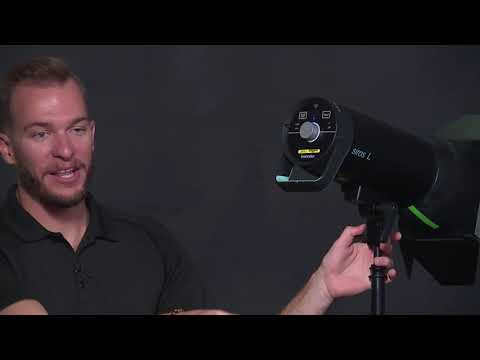
For years, my commercial work meant hauling a rolling bag that weighed nearly as much as I do. Big monolights, extension cables, a separate power pack the size of a shoebox. I kept it all organized with masking tape labels and a lighting journal I’ve maintained since my first editorial job, but none of that organization made the bag lighter. The turning point came after I started looking seriously at battery-powered compact strobes, and the questions I was asking myself were exactly the ones Sean Tucker works through in this tutorial.

How a Belgian Glamour Photographer Built a High-Converting Portrait Studio in an Annex the Size of a Garage

How a Belgian Glamour Photographer Built a High-Converting Portrait Studio in an Annex the Size of a Garage

There is a particular kind of envy I get when I see a small studio that outperforms studios three times its size. I shoot commercial work out of a rented space in Los Angeles, which gives me room to be wasteful with my layout. But wasteful is not efficient, and efficient is what sells. So when I came across Watch the full tutorial on YouTube on The Portrait System channel featuring Belgian glamour photographer Wendy De Craemer of ZOOM Foto-Atelier, I sat down with my lighting journal and took notes.

Everything Reflects: How to Read Light from Your Subject Outward

Everything Reflects: How to Read Light from Your Subject Outward

I keep a lighting journal. Every setup from every shoot gets a quick sketch: light positions, modifier choices, distances, the subject’s surface qualities. I started doing it after a period where I noticed my lighting decisions were reactive. I was placing lights where they felt right, then troubleshooting by moving things around until the image looked acceptable. That’s not a workflow. That’s guessing with expensive equipment. What changed my thinking was learning to ask a different question.

Deep Focus Umbrellas Under the Microscope: What the Price Tag Actually Buys You

Deep Focus Umbrellas Under the Microscope: What the Price Tag Actually Buys You

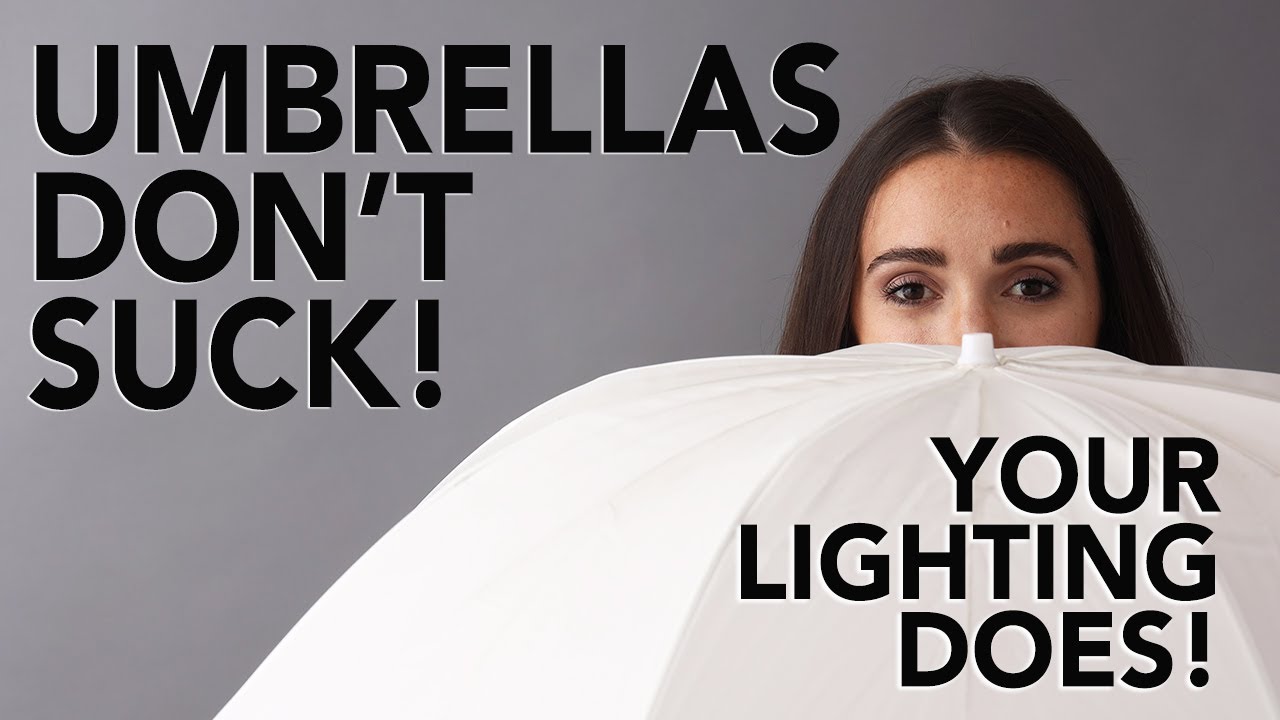
Every modifier purchase I make goes through the same test: I unbox it, mount it, fire a strobe through it, and write down exactly what I see before I shoot a single frame with it. I’ve been burned too many times by gear that looks impressive in a product photo but produces muddy, unflattering light on a real subject. So when the deep focus parabolic-style umbrella kept coming up in conversations with other commercial shooters, I went looking for a rigorous comparison, not a marketing demo.

Blue Rim Light, a Snoot, and a Piece of Foam: How Three Lights Can Build a Moody Portrait

Blue Rim Light, a Snoot, and a Piece of Foam: How Three Lights Can Build a Moody Portrait

There’s a setup problem I run into constantly on commercial jobs: the client wants drama, the budget allows for maybe a half-day studio rental, and I need to build a look that feels expensive without stacking up eight light heads and a crew of three assistants. The answer, almost every time, is learning to do more with less. Colored rim lights, a tight modifier on the key, and a reflector you found leaning against the wall.