How to Fake a Blazing Sun with a Single Strobe (And Why It Works Better Than the Real Thing)

How to Fake a Blazing Sun with a Single Strobe (And Why It Works Better Than the Real Thing)

There’s a particular kind of location shoot that exposes every gap in your lighting toolkit: hard midday sun, a background you can’t move, and subjects whose faces you need to control precisely. I’ve been in that situation more times than I’d like to admit, usually squinting at my laptop screen trying to figure out why the ambient exposure looks nothing like what I wanted when I planned the shot at 8am.
The Octabox 150: A Working Photographer's Case for the Most Useful Modifier in the Studio

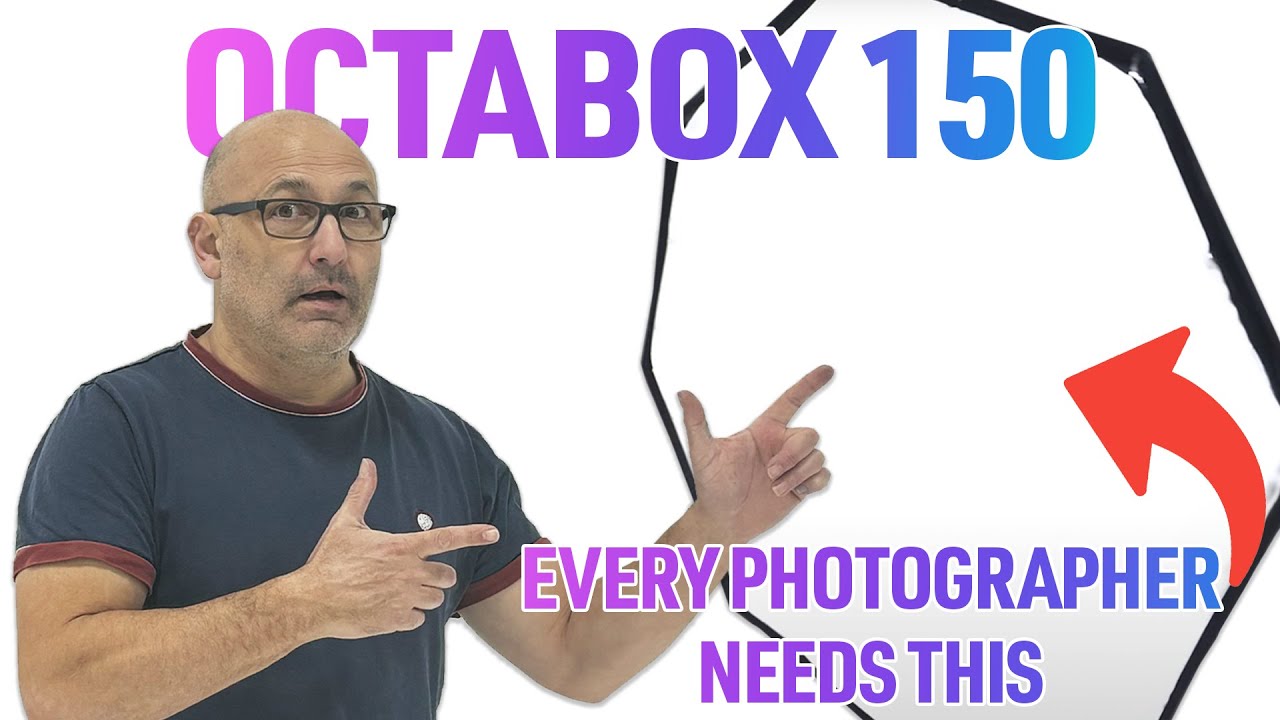
The Octabox 150: A Working Photographer's Case for the Most Useful Modifier in the Studio

I have a masking tape label on almost every piece of gear in my studio. The octabox 150 gets its own label, but it also gets a permanent spot on the stand closest to my shooting position. That’s how often it goes up. When clients book a beauty or fashion job, this modifier is almost always my first pull. It’s large enough to wrap light around a face, forgiving enough for a moving subject, and controllable enough that I’m not fighting spill all day.

Small Studio, Pro Results: 6 Lighting Principles That Actually Hold Up

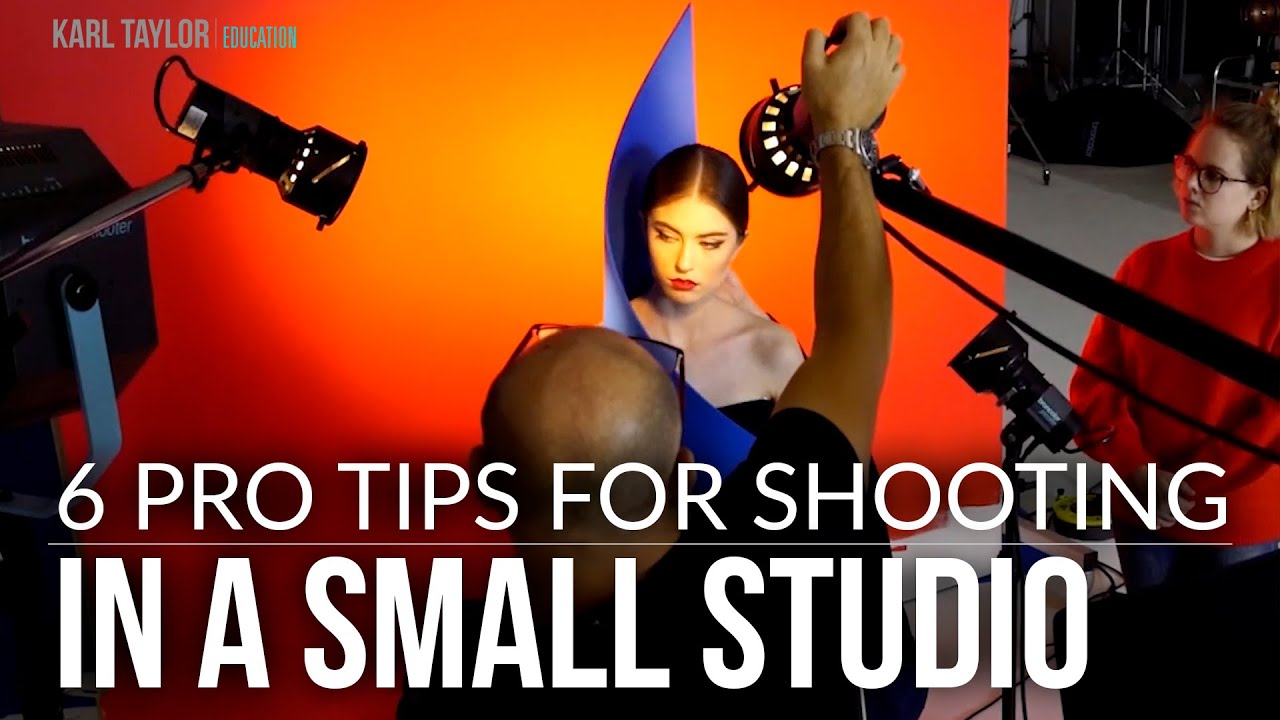
Small Studio, Pro Results: 6 Lighting Principles That Actually Hold Up

I shoot a fair amount of my commercial work in rental studios, and some of those spaces are genuinely cramped. We’re talking eight feet of usable width after you account for the background stand, the subject, and wherever I’m standing with a camera. For years I assumed tight spaces were just a limitation to route around. Then I started paying closer attention to the physics of what was actually happening with my light, and the problem became a lot more manageable.

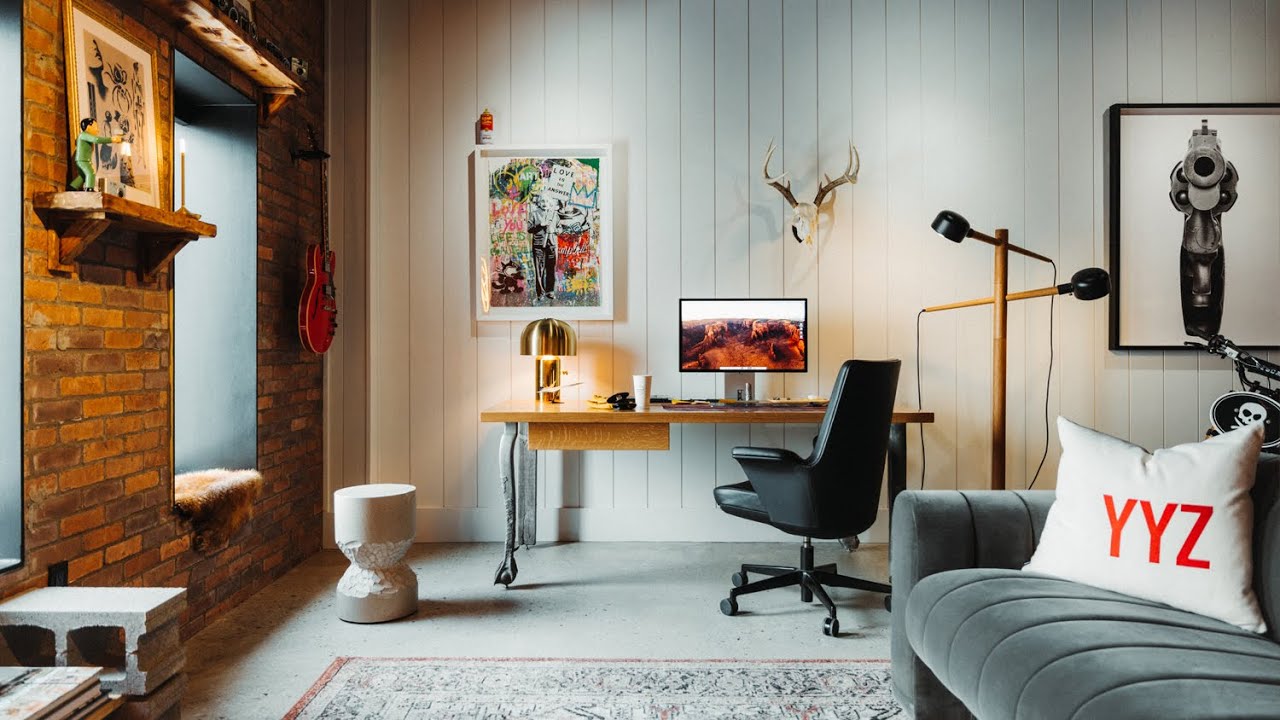
How Peter McKinnon Organizes a Working Studio (And What It Taught Me About My Own)

How Peter McKinnon Organizes a Working Studio (And What It Taught Me About My Own)

Every few years I tear my studio apart and rebuild it from scratch. Not because something broke, but because the friction adds up. I spend four minutes hunting for a specific cable. I skip a modifier because it’s buried behind two light stands. I find myself standing in the middle of the room deciding where to put something instead of actually shooting. The space stops serving the work and starts fighting it.

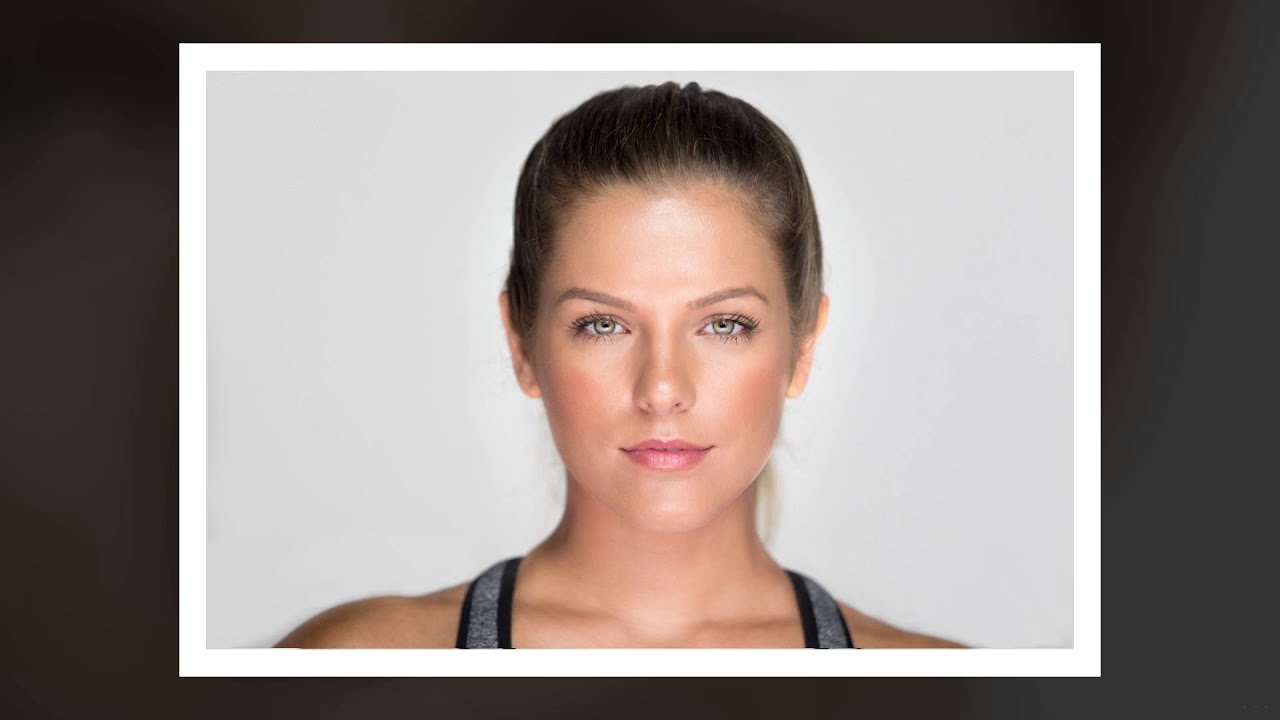
Clamshell Lighting Made Simple: How to Build a Flattering Portrait Setup with Continuous Lights

Clamshell Lighting Made Simple: How to Build a Flattering Portrait Setup with Continuous Lights

Most of the lighting problems I see photographers struggle with in the studio come down to one thing: overcomplicating the setup before they understand what a single, well-placed light actually does. I’ve been guilty of this myself. Early in my career I’d show up to a beauty shoot with four lights rigged before my subject even walked in, and half of them were fighting each other. The sessions that taught me the most were the stripped-down ones, the ones where I was forced to work with less and pay attention to what the light was actually doing to the face in front of me.

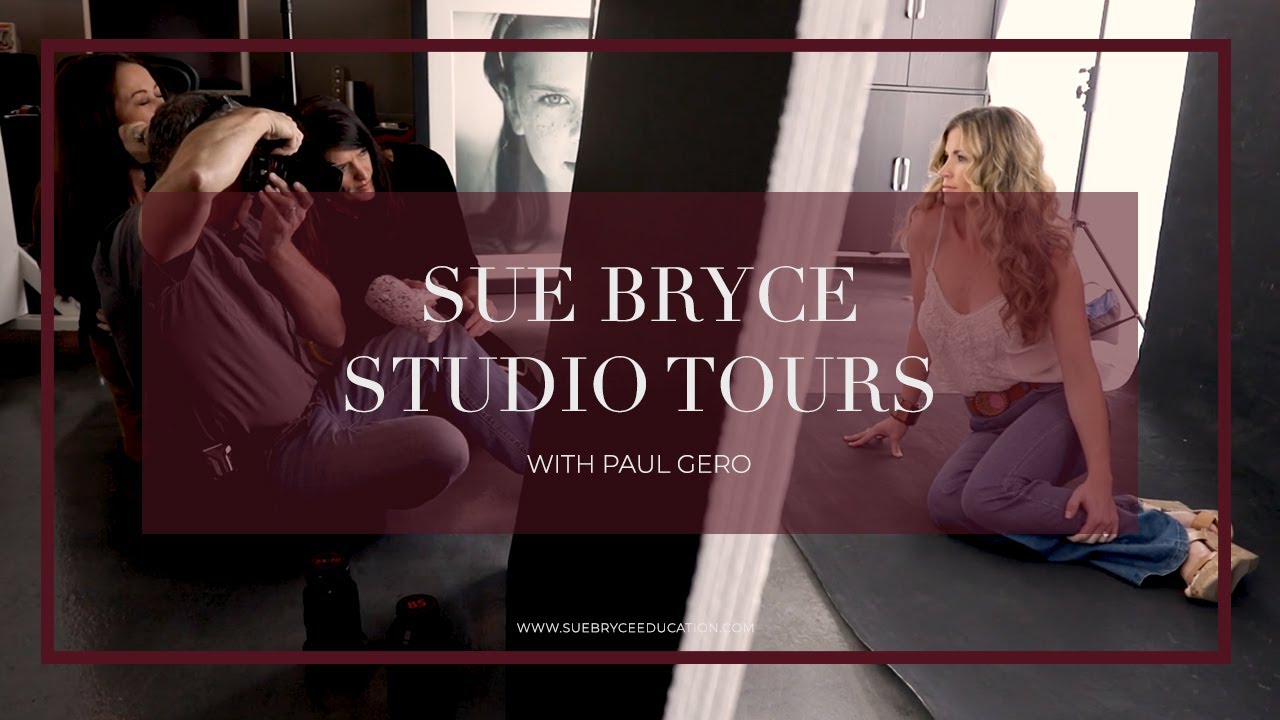
What a 34-Year Pro's Garage Studio Taught Me About Running a Real Portrait Business

What a 34-Year Pro's Garage Studio Taught Me About Running a Real Portrait Business

There’s a version of “studio goals” that lives on Instagram and costs about $40,000 to build. Concrete floors with custom epoxy. Seamless white walls. A prop room that looks like a Brooklyn loft. I’ve been in those studios. Some of them produce incredible work. A lot of them are monuments to overhead. So when I came across this studio tour from The Portrait System featuring Paul Gero, I kept watching because what he’s built is the opposite of that, and it’s clearly working.

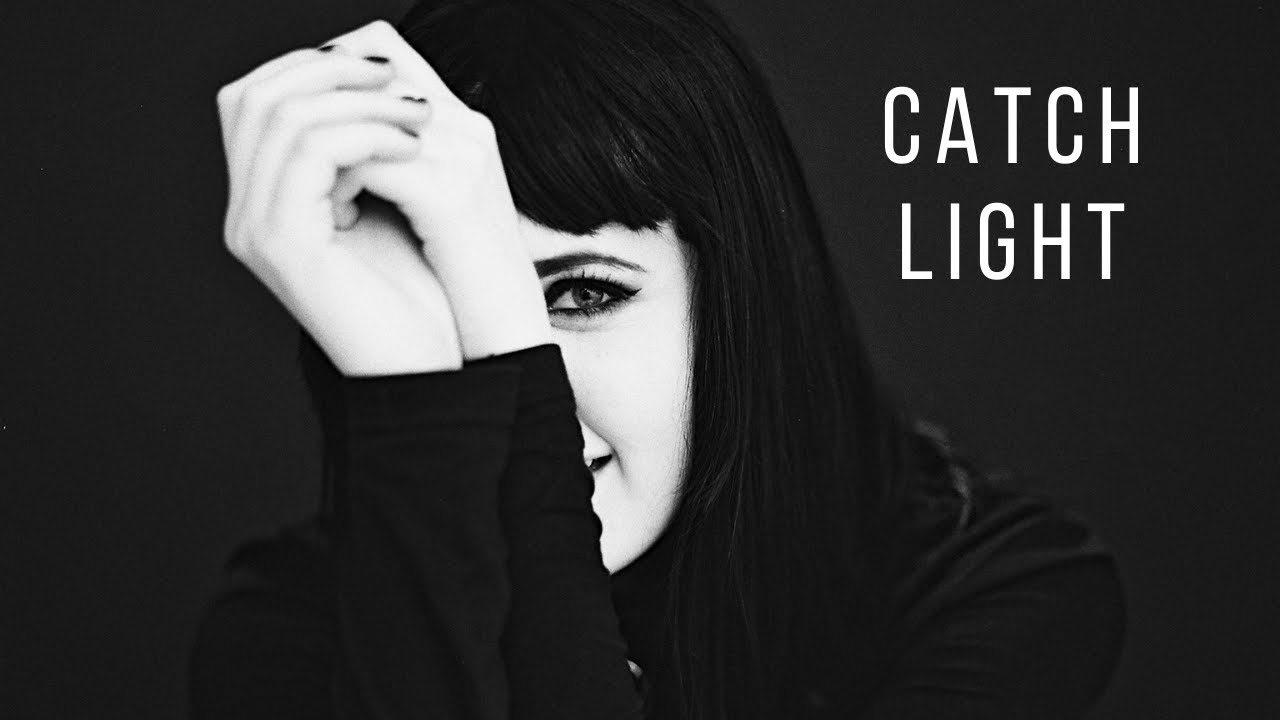
Stop Trusting Catch Lights: How to Actually Read a Portrait Lighting Setup

Stop Trusting Catch Lights: How to Actually Read a Portrait Lighting Setup

Every working photographer I know has done it. You pull up a portrait you admire, zoom straight into the eyes, squint at the catch light, and try to reconstruct the entire setup from that one bright speck. I’ve done it myself. I still have a torn magazine page in my lighting journal from years back where I traced the catch light in an Annie Leibovitz portrait and tried to map it into a diagram.

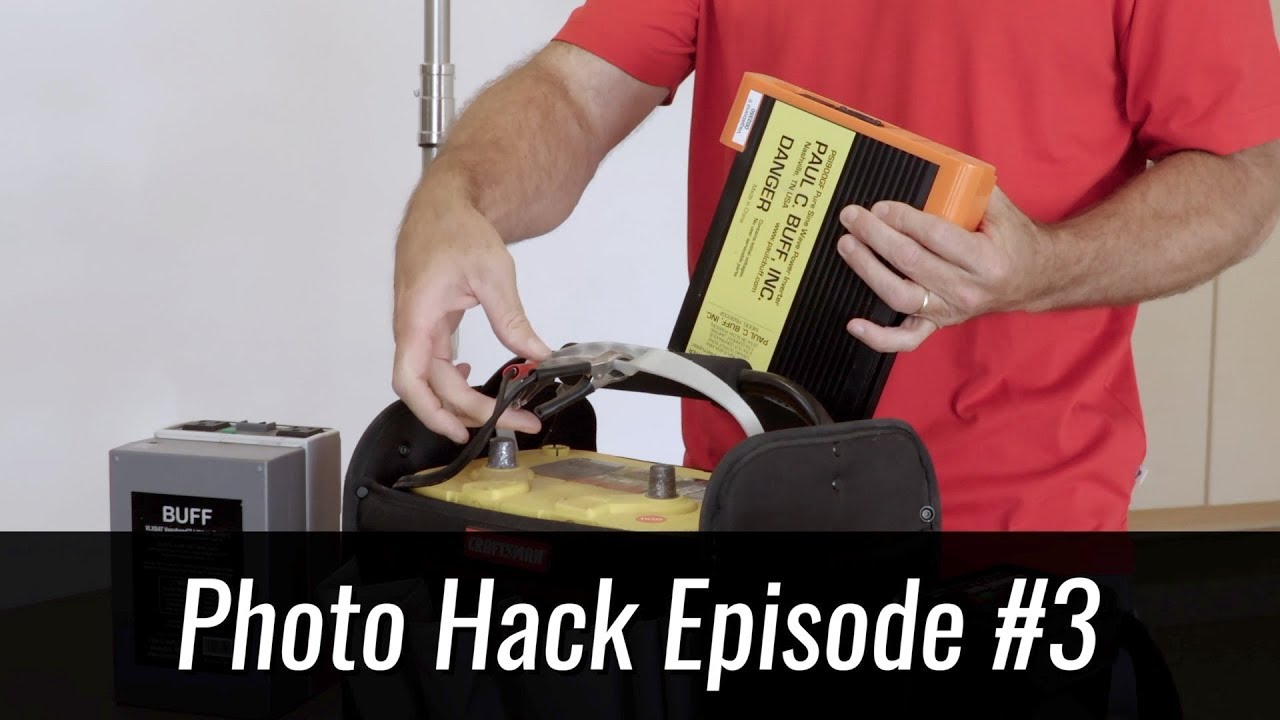
Never Run Out of Juice on Location: Joel Grimes' Battery Pack System for Strobe Shooters

Never Run Out of Juice on Location: Joel Grimes' Battery Pack System for Strobe Shooters

There is one specific kind of dread I know too well: standing on a location shoot, three lights running, no outlet within a hundred yards, and a battery indicator that is not cooperating. I have been doing commercial work long enough to know that power logistics are not glamorous, but they will end your shoot faster than bad light ever will. When I first started doing outdoor work for fashion clients here in Los Angeles, my entire power strategy was “stay close to a building.

It's Gotta Be Right: What a Metal Band's Recording Philosophy Taught Me About Studio Discipline

It's Gotta Be Right: What a Metal Band's Recording Philosophy Taught Me About Studio Discipline

There’s a version of my job where I cut corners and nobody knows. Wrong color temperature, slightly soft focus, a speedlight flagged with gaffer tape instead of a proper grid. Half the time the client would never catch it. I know this because early in my career I did exactly that, and most of those images got approved without comment. The problem wasn’t the client’s eye. The problem was mine. Once I knew what I’d let slide, I couldn’t stop seeing it.

Off-Camera Flash at Weddings: How to Use a Secondary Strobe Without Killing the Mood

Off-Camera Flash at Weddings: How to Use a Secondary Strobe Without Killing the Mood

Wedding receptions are one of the few situations where I genuinely have to fight my studio instincts. My default is control: flagged lights, metered backgrounds, everything taped and labeled. A reception hall gives you none of that. The light is already doing something, the room has a mood, and your job is to work inside it rather than override it. That tension between “enough light to get the shot” and “too much light to keep the feeling” is exactly what this tutorial addresses.

How to Stop Your Strobe from Spinning on a Boom Arm (Joel Grimes' Two-Minute Fix)

How to Stop Your Strobe from Spinning on a Boom Arm (Joel Grimes' Two-Minute Fix)

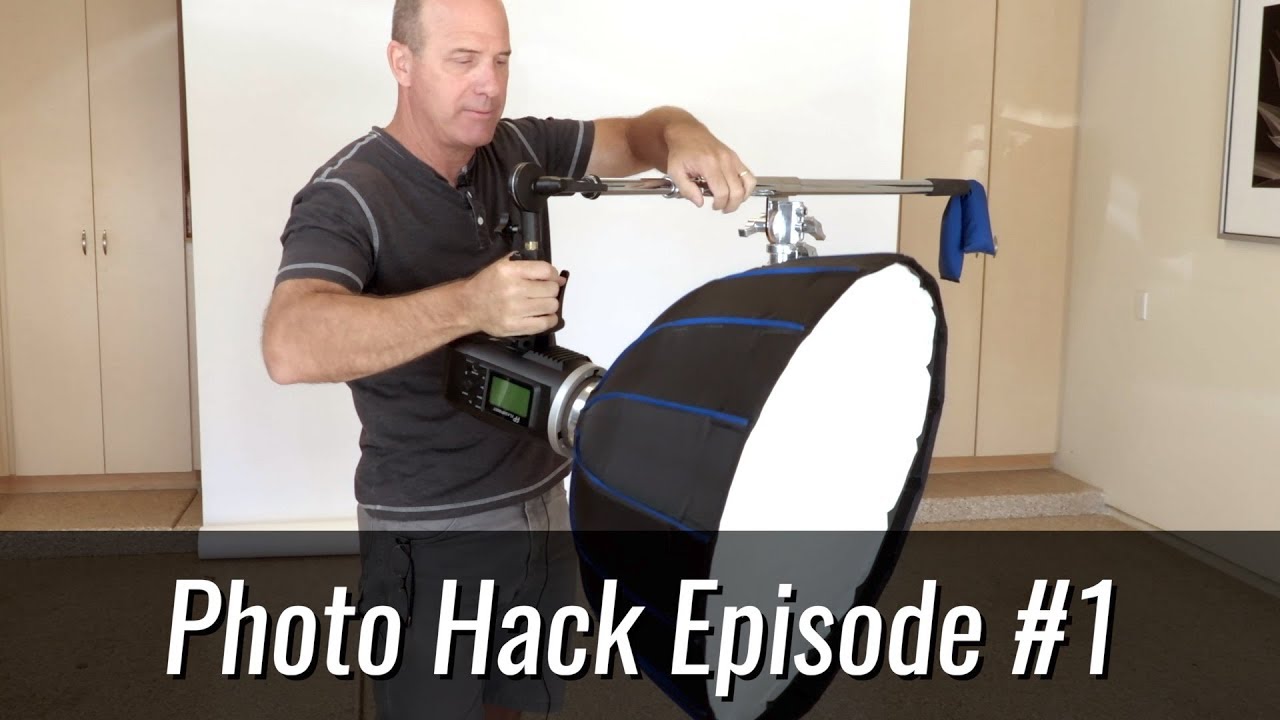
There is a specific kind of frustration that only studio photographers know: you have your boom arm positioned perfectly over your subject, the modifier is angled exactly where you want it, and then you watch the whole thing slowly rotate south while you’re mid-shoot. The strobe drifts. The softbox tilts. You crank the knob tighter and it still creeps. I have been shooting commercial work in Los Angeles for long enough that I label every piece of gear in my studio with masking tape, and I still spent embarrassingly long dealing with this problem before I found a fix that actually held.

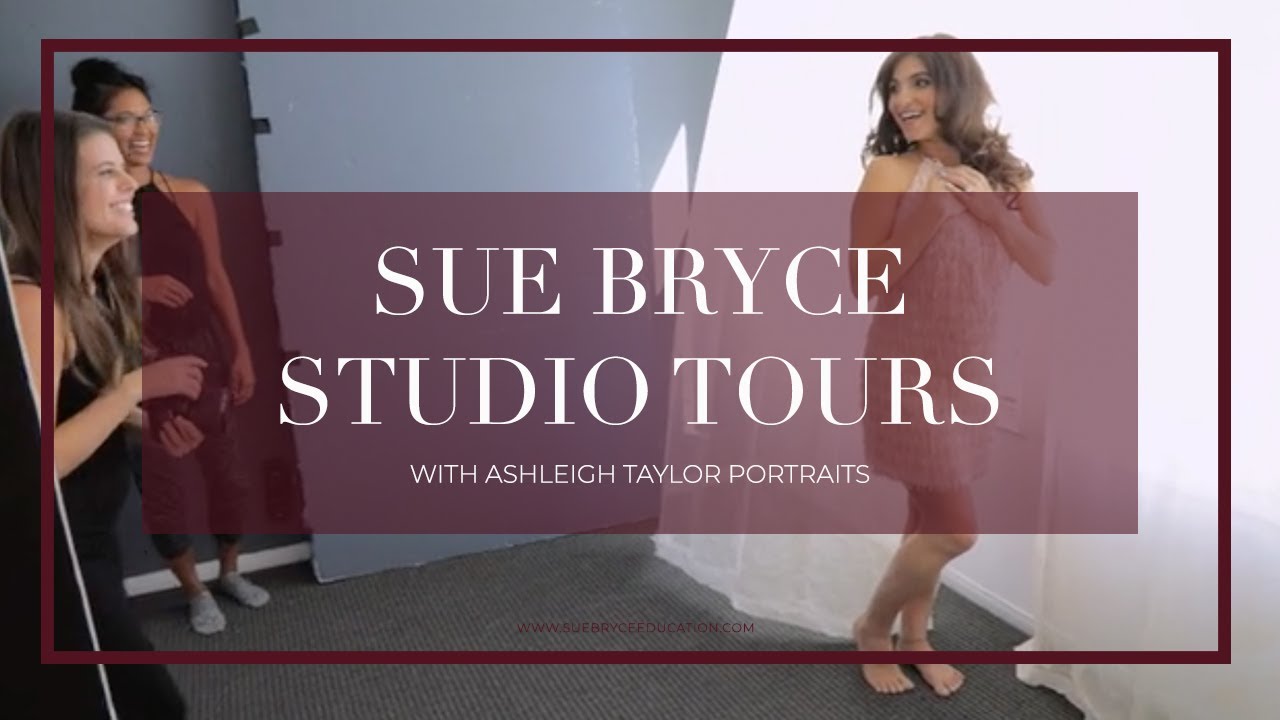
Small Studio, Strong Light: What Ashleigh Taylor's 300-Square-Foot Space Teaches Every Portrait Photographer

Small Studio, Strong Light: What Ashleigh Taylor's 300-Square-Foot Space Teaches Every Portrait Photographer

Space is the excuse I hear more than any other. Photographers tell me they need a bigger studio before they can do serious portrait work, before they can justify the rent, before they can start building a client base. I spent years believing a version of that myself. My first Los Angeles studio was just over 400 square feet and I treated it like a limitation rather than a constraint worth solving.