How to Light Business Portraits in Tight Office Spaces Using Bounce and Fill

How to Light Business Portraits in Tight Office Spaces Using Bounce and Fill

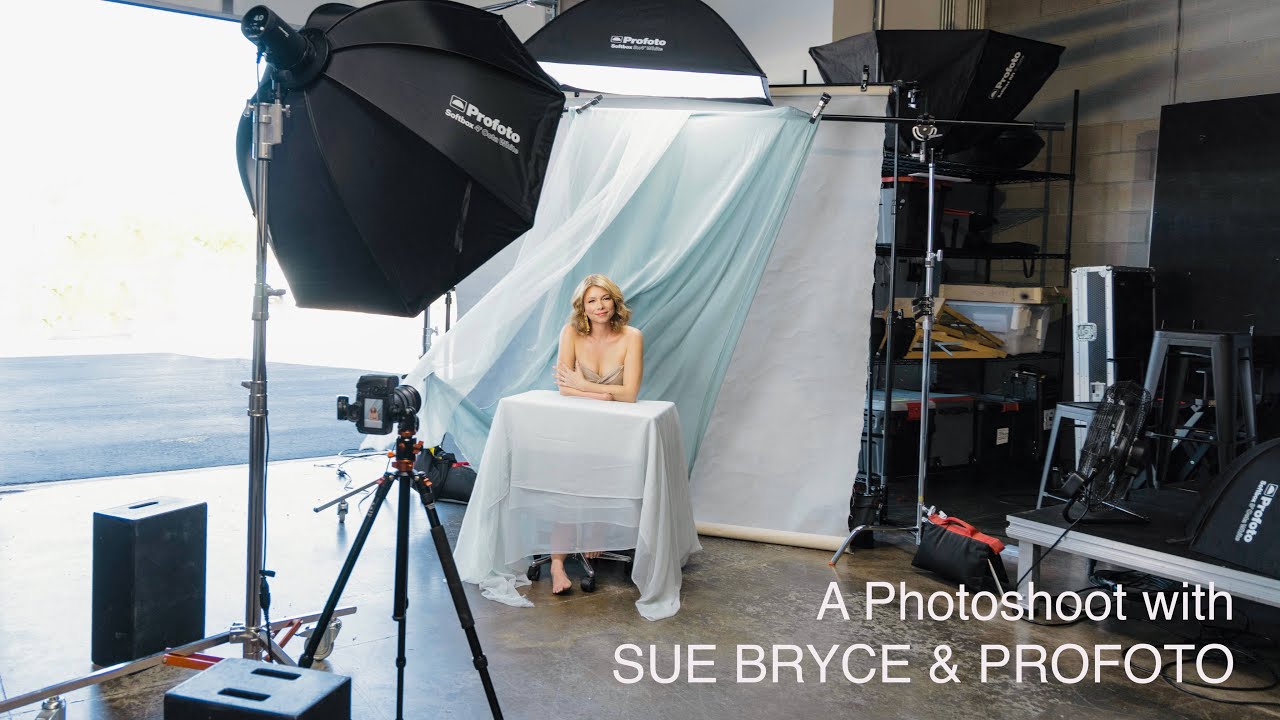
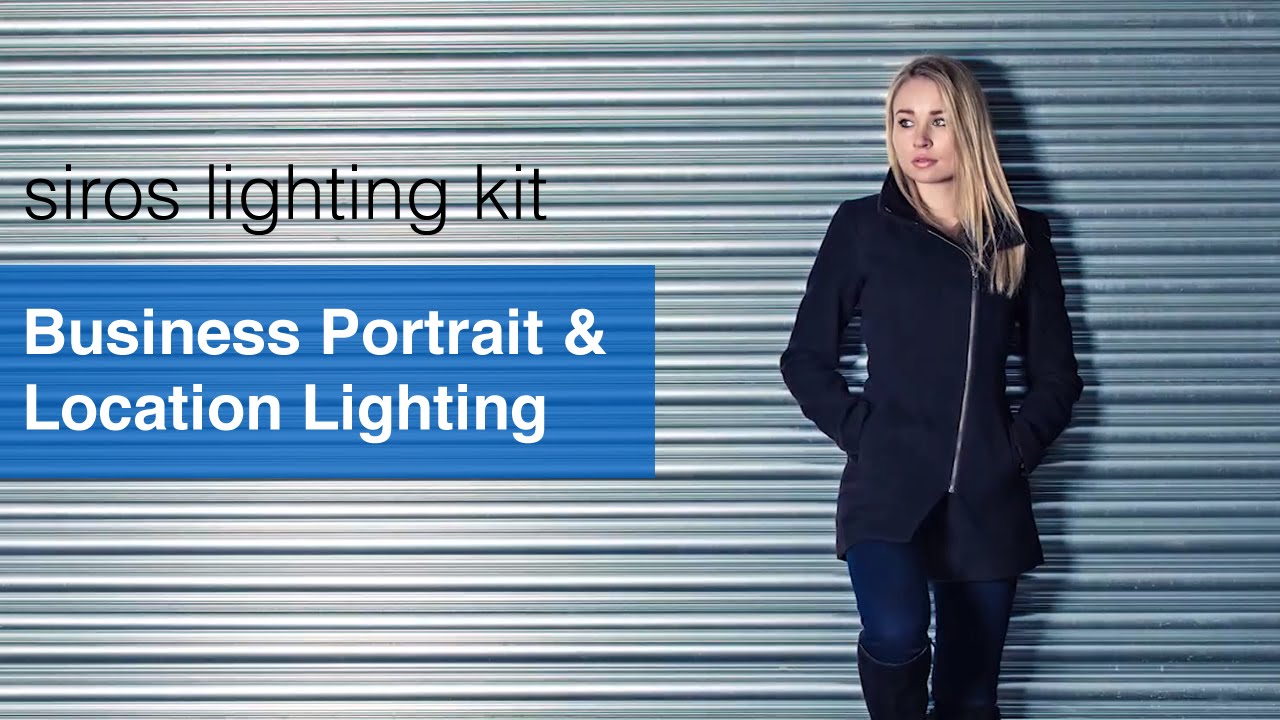
There is one scenario that comes up constantly in corporate location work and never gets easier: you walk into the meeting room, the client is waiting, and you have roughly the square footage of a large bathroom to produce a portrait that looks like it was shot in a proper studio. I have been in that situation more times than I care to count. My usual instinct used to be to force a softbox into the space and fight the ceiling tiles.
Studio Grip for Minimalists: What Daniel Norton Actually Keeps in His Kit (And What You Can Cut)

Studio Grip for Minimalists: What Daniel Norton Actually Keeps in His Kit (And What You Can Cut)

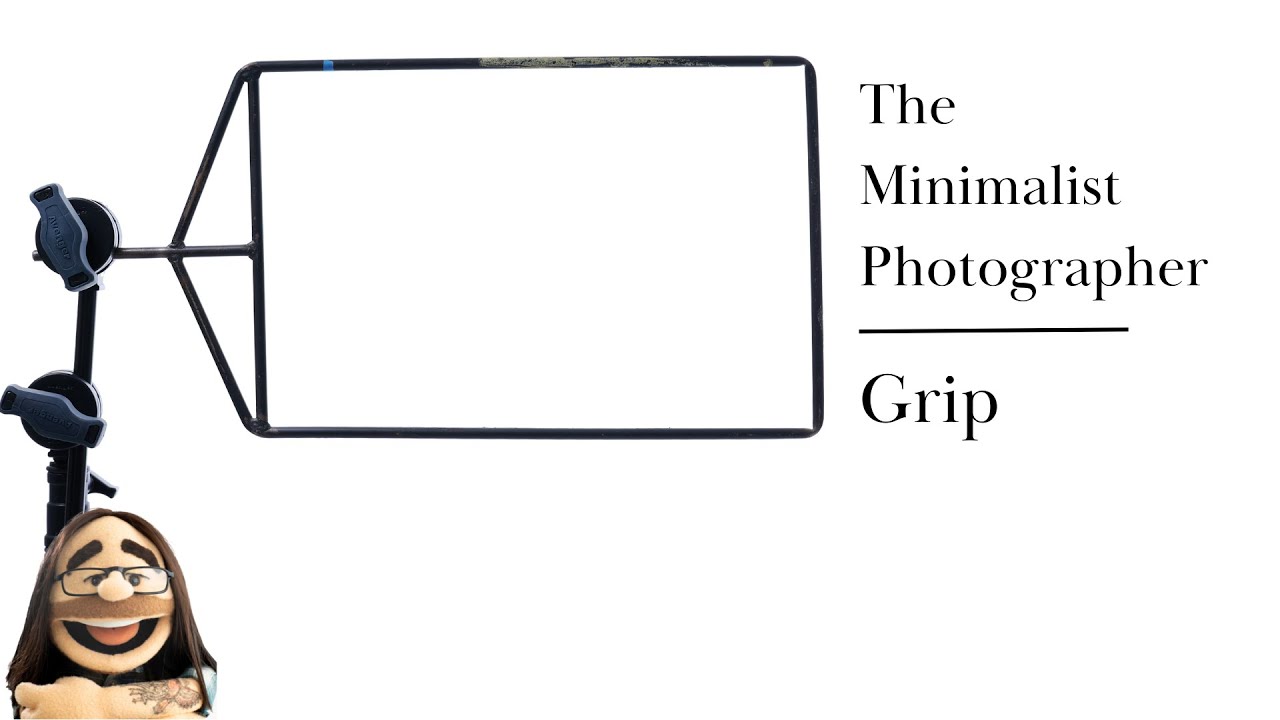
I spent years accumulating grip. C-stands, baby pins, 40-pound bags of clamps I touched twice a decade. When you work commercially, the instinct is to own every solution before a problem shows up on set. The problem is you end up hauling a rolling warehouse to every job and spending 20 minutes digging for an A-clamp buried under a sand bag. What actually changed my thinking was watching working professionals talk honestly about what lives in their kit versus what sits on a shelf.

What Lenka Jones' Tiny UK Studio Taught Me About Building a Portrait Business That Actually Charges What It's Worth

What Lenka Jones' Tiny UK Studio Taught Me About Building a Portrait Business That Actually Charges What It's Worth

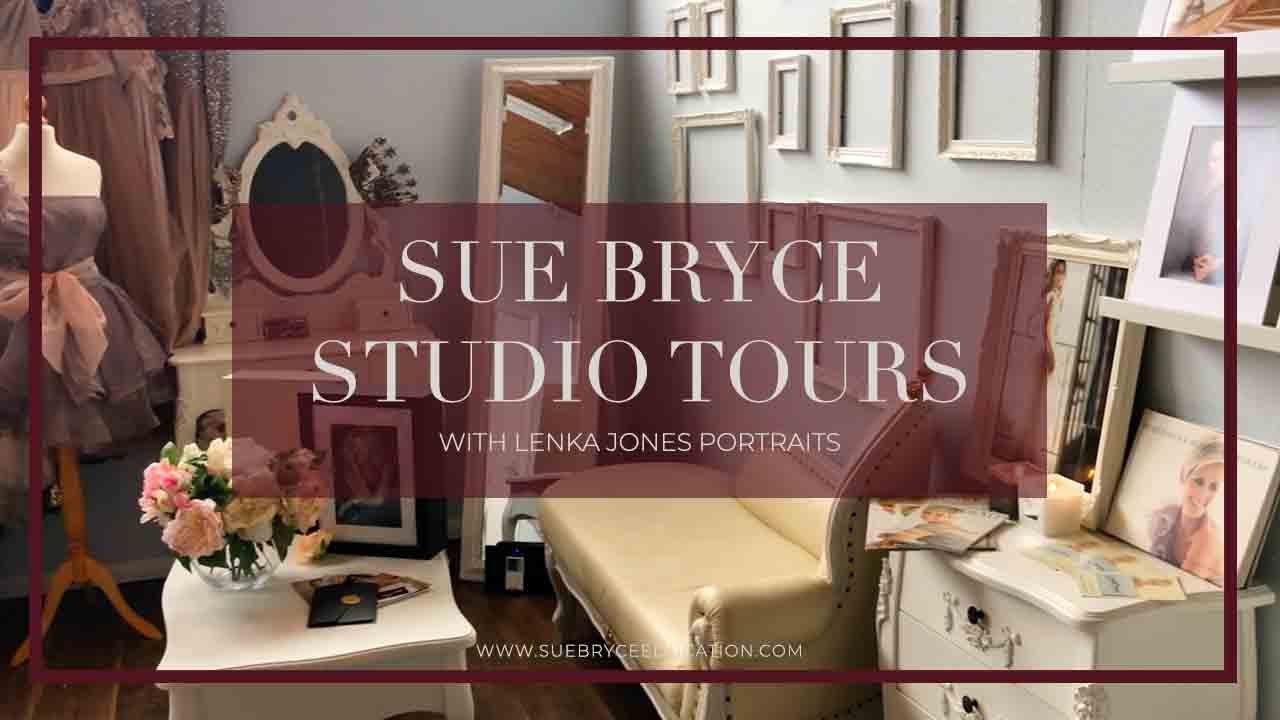
There’s a particular kind of photographer I pay close attention to: the one who built something real in an unlikely place. Not a loft in Manhattan or a converted warehouse in LA, but a wooden hut in a English village surrounded by fields. When I first watched this studio tour from The Portrait System, featuring UK-based portrait photographer Lenka Jones, I wasn’t expecting to come away rethinking how I structure my shooting space and how I talk to clients about money.

How to Photograph Exploding Paint Using Fast Flash: A Studio Breakdown

How to Photograph Exploding Paint Using Fast Flash: A Studio Breakdown

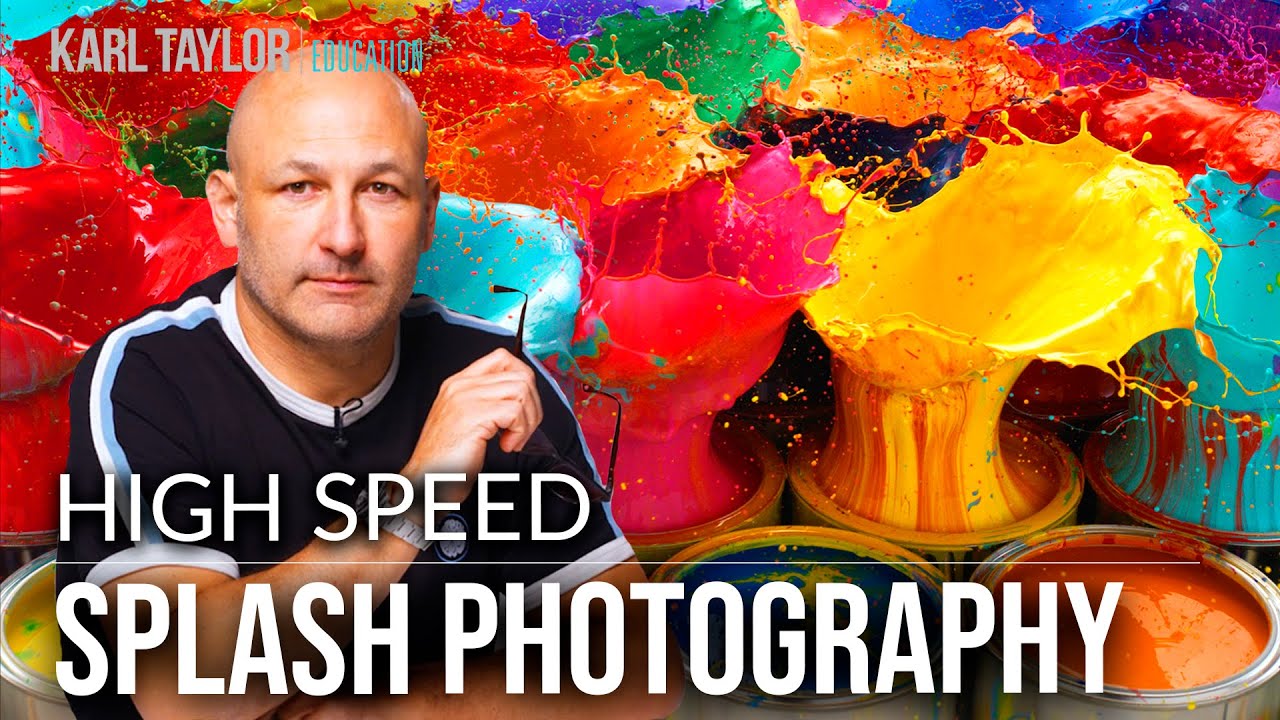
Client inquiries come in waves, and every few years a category of image starts showing up on mood boards constantly. Explosive product shots, the kind where paint or powder or liquid appears to detonate off a surface, have been on those boards for years. Every time I get a brief that gestures at that aesthetic, I go back to basics: how do you actually freeze motion that fast, how do you light something chaotic and reflective, and how do you rig a repeatable trigger mechanism without rigging anything dangerous?

How to Light Still Life with Real Depth: A Breakdown of Daniel Norton's Two-Light Setup

How to Light Still Life with Real Depth: A Breakdown of Daniel Norton's Two-Light Setup

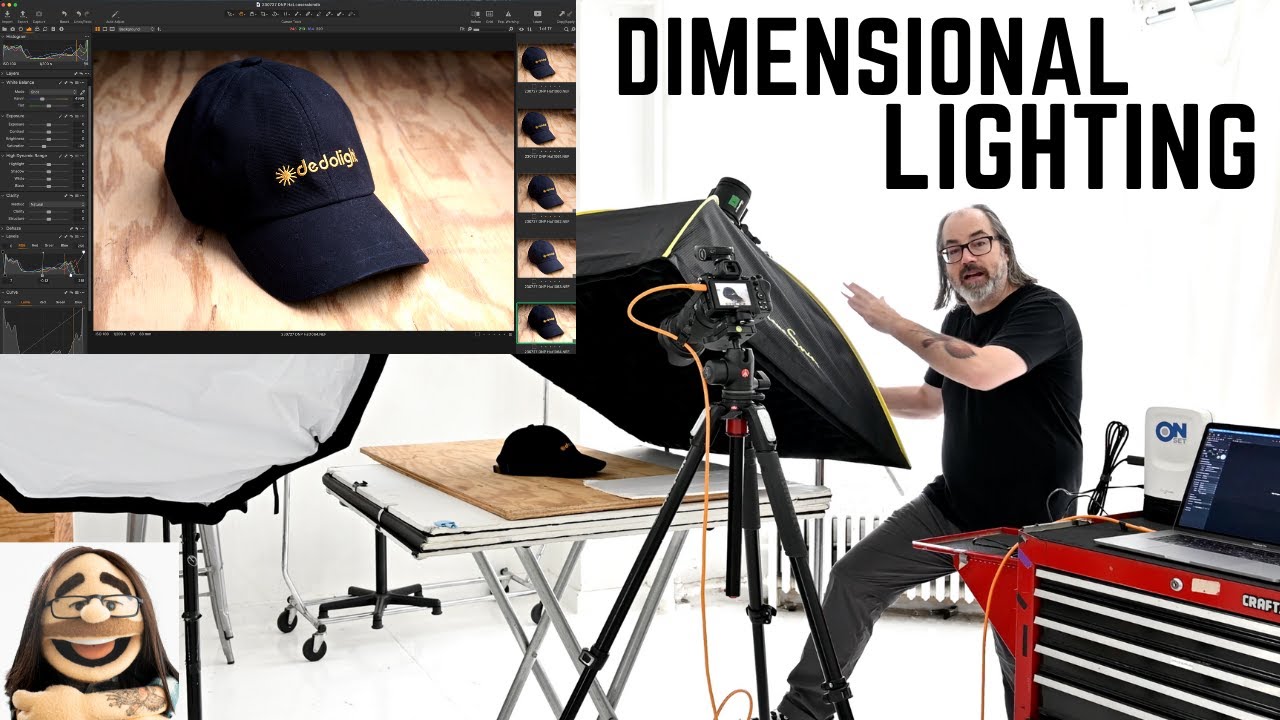
Still life and product work has a reputation for being straightforward. One light, white background, done. And sure, that approach gets the job done for basic e-commerce. But the moment a client wants something that feels tactile, something that makes a viewer want to reach out and pick up the object, flat lighting becomes the enemy. I run into this constantly. A beauty brand will ask for a shot that “pops off the page,” and what they’re really asking for is dimensionality, shadow, a sense that the product exists in physical space rather than floating in a void.

What Bloopers From a Freezing Studio Taught Me About Shooting With Intention

What Bloopers From a Freezing Studio Taught Me About Shooting With Intention

There is a particular kind of education you only get when things go wrong. I have been shooting commercial and editorial work for long enough to know that the polished final tutorial is rarely where the real lessons live. The real lessons live in the moment the camera nearly hits the floor, in the take where someone’s fly was undone the entire time, in the freezing cold studio where nobody thought to book heating.

How Andrew Knowles Built a Studio Worth Copying (And What I Took Notes On)

How Andrew Knowles Built a Studio Worth Copying (And What I Took Notes On)

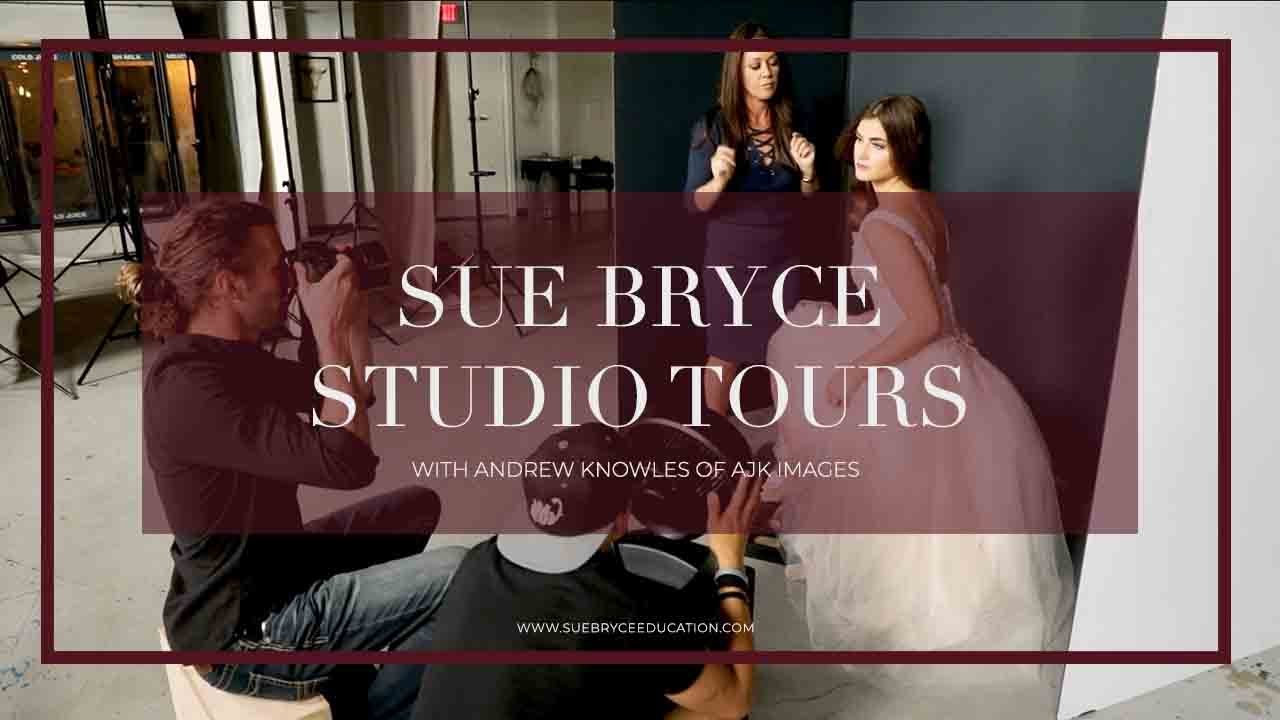
There’s a version of studio envy that’s unproductive. You scroll through someone’s setup, feel bad about your own, and move on. Then there’s the kind that makes you pull out a notebook. Andrew Knowles’ Dallas studio is firmly the second kind. In this Watch the full tutorial on YouTube studio tour from The Portrait System, Sue Bryce walks through the space Knowles built over roughly 18 months after transitioning from a pure outdoor location shooter to a full studio practice.

Fresnels, Pico Heads, and Projection Attachments: The Specialist Studio Lights Worth Understanding

Fresnels, Pico Heads, and Projection Attachments: The Specialist Studio Lights Worth Understanding

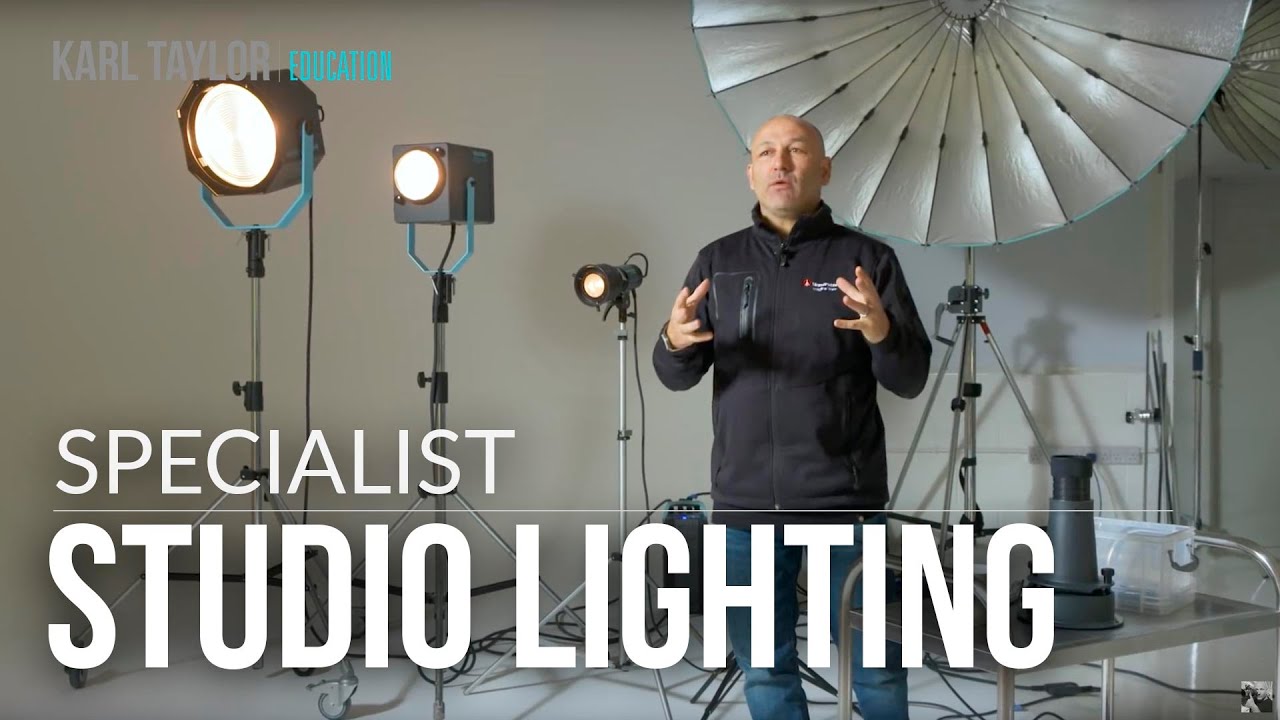
There is a category of studio lighting equipment that most photographers scroll past on gear websites because nothing in their training ever explained what it actually does. Softboxes, octaboxes, standard reflectors with honeycomb grids – those get covered in every introductory course. But fresnels, pico heads, and projection attachments? Those tend to sit in the background of behind-the-scenes photos, looking mysterious and expensive, with no one explaining why a working photographer would choose them over more familiar modifiers.

Flash Photography Fundamentals: What Tony & Chelsea Northrup's New Training Series Gets Right

Flash Photography Fundamentals: What Tony & Chelsea Northrup's New Training Series Gets Right

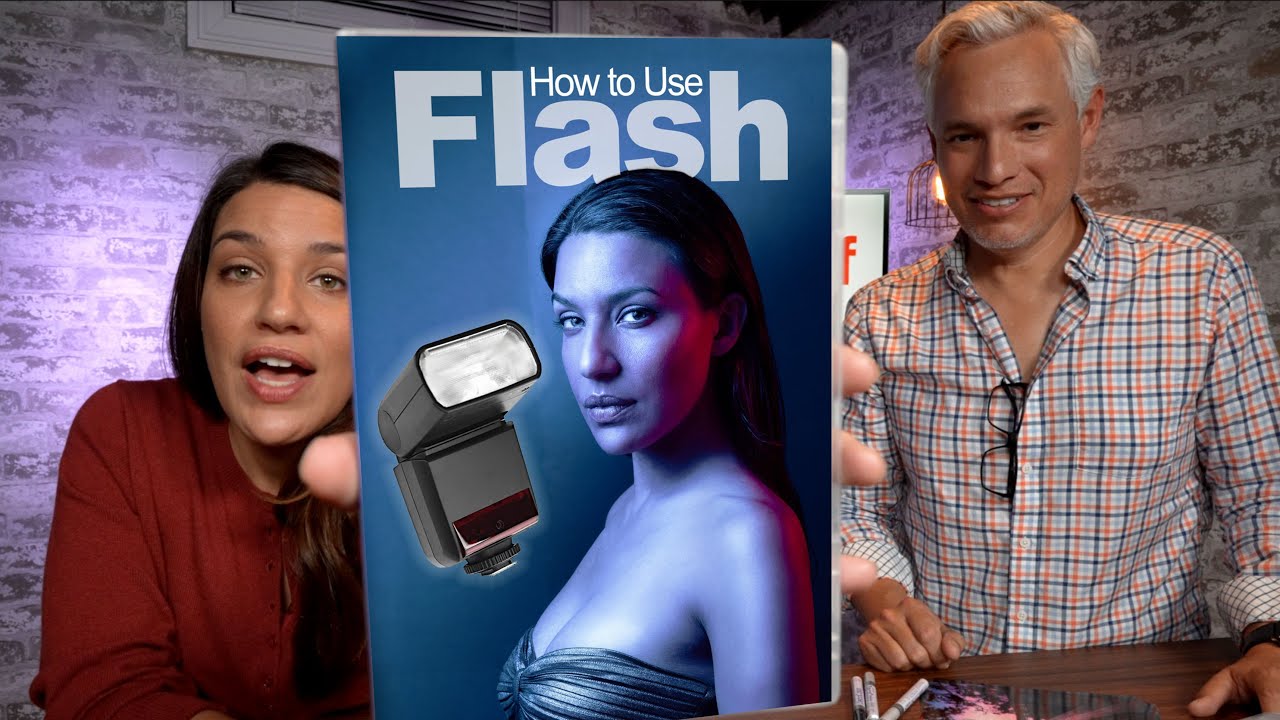
Every few months I get a message from a photographer who’s serious about their work, shoots constantly, and still hasn’t touched their flash. Not because they don’t own one. Because they’re afraid of it. I understand that fear more than most people would expect from someone who labels every light in his studio with masking tape and sketches setups in a journal after every shoot. I was that photographer once, convinced that good light was something you found, not something you built.

The Vanity Fair Two-Light Setup That Reignited My Love for Studio Portraiture

The Vanity Fair Two-Light Setup That Reignited My Love for Studio Portraiture

There’s a specific kind of dread that creeps in when a shoot isn’t working and you can’t diagnose why. The lights are set, the camera is dialed in, the subject is in front of you — and nothing. I’ve been there more than I’d like to admit. Usually the problem isn’t technical. It’s that I’ve stopped thinking about why I’m making the photograph and started just executing a sequence of habits.

From a Spare Room to a Dream Studio: What Kelly Brown's Build-Out Teaches Every Serious Photographer

From a Spare Room to a Dream Studio: What Kelly Brown's Build-Out Teaches Every Serious Photographer

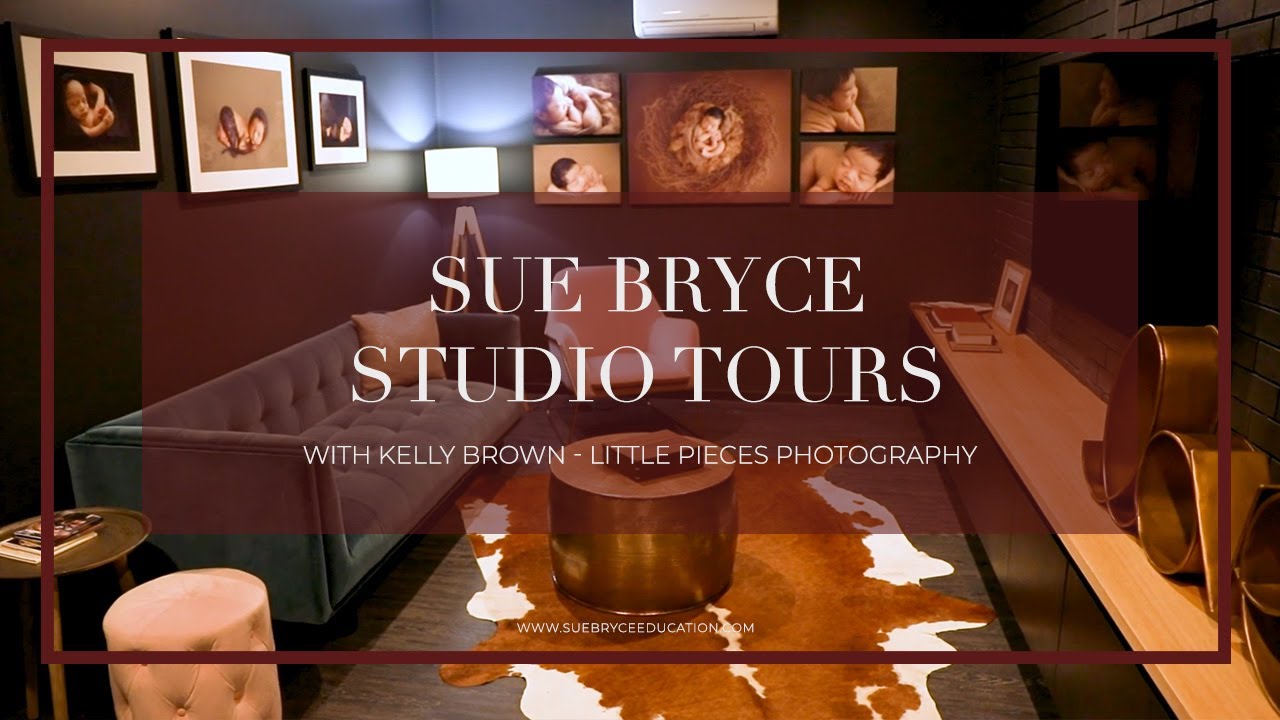
There’s a particular kind of envy I feel when I walk into a studio that someone built entirely on their own terms. Not the petty kind. The motivating kind. I felt it watching this studio tour from The Portrait System, featuring Brisbane-based newborn photographer Kelly Brown of Little Pieces Photography. Watch the full tutorial on YouTube I’ve spent years in rented studios, shooting in spaces designed for someone else’s workflow. The lighting positions were wrong for my preferred setups, the walls were the wrong color, the ceiling height was never quite enough.

Inside a Working Jewelry Studio: What Craft Workflows Teach Us About Purposeful Workspace Design

Inside a Working Jewelry Studio: What Craft Workflows Teach Us About Purposeful Workspace Design

There’s a version of “studio envy” I used to get from flipping through architecture magazines, the kind where everything is pristine, calibrated, and clearly never used. Then there’s the real thing. I keep a lighting journal where I sketch every setup after every shoot, and one habit I’ve built alongside that is studying how other working creatives organize their physical space. Not just photographers. Jewelers, ceramicists, painters. The decisions they make about tool placement, inspiration walls, and workflow stations translate directly into how I think about light placement and shooting order.